Meteorite Smashes Into New Jersey Home Holds Secrets of Ancient Water and Alien Amino Acids
A New Jersey meteorite recovered after an unexpected fall offers scientists a rare chance to study space‑borne material millions of years old.
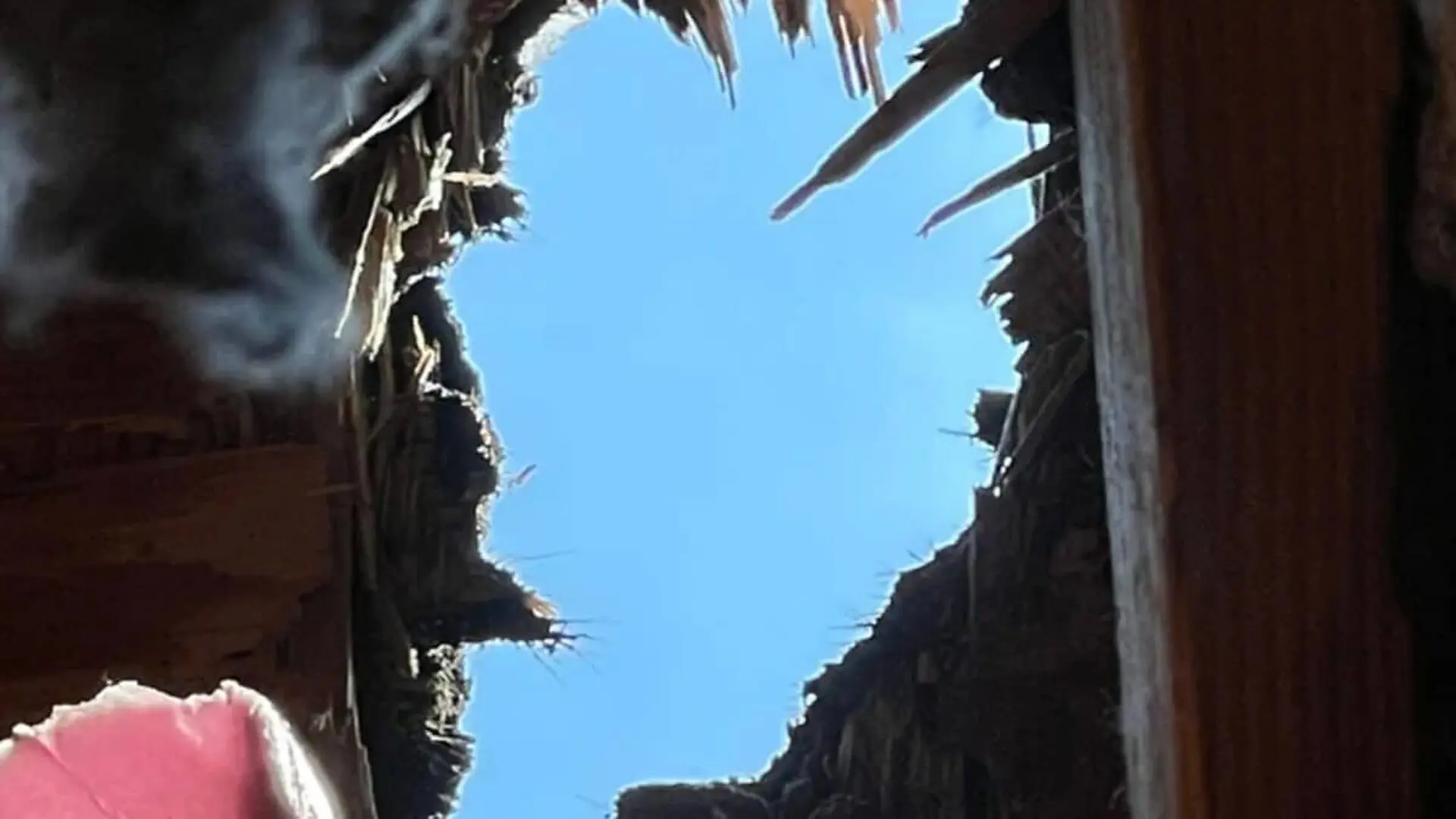
A meteorite that smashed through the roof of a house in Hillsborough, New Jersey, has turned into a rare scientific specimen after researchers discovered traces of ancient salty water and unusual organic molecules within its matrix. NASA and a study published in Science Advances report that the exceptionally well‑documented find offers new clues about the conditions prevailing in the early solar system.
The stone struck the residence on July 16 2024, an event that combined a recorded fireball with a quickly secured fragment—an uncommon pairing for meteorite recoveries. While meteoroids frequently reach Earth, few are retrieved so promptly and with such comprehensive observational data.
An amateur astronomer living in the home recognized the potential scientific importance of the object, donned protective gloves, and carefully gathered the pieces for safe storage. NASA notes that this immediate response preserved the sample in a state suitable for detailed laboratory analysis.
New Insights from a Fast‑Recovered Meteorite
Scientists pieced together the rock’s story using a suite of observations. Video footage captured its atmospheric descent, while lab work revealed its physical and chemical makeup.
According to the Science Advances article, the combined data suggest the meteorite most likely originated in the asteroid belt. Recovering the stone shortly after impact also minimized terrestrial contamination, allowing researchers to examine material that has remained largely unchanged since its arrival on Earth.
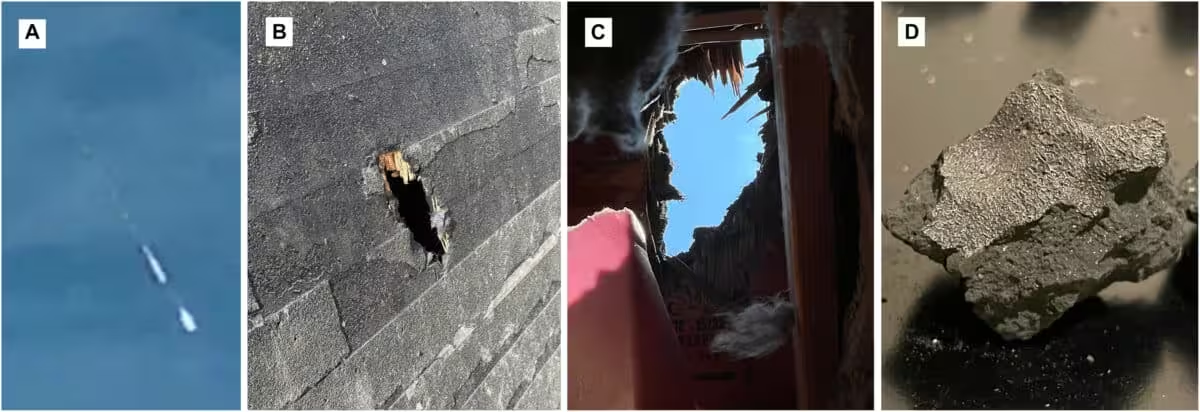
“When we have both a documented fireball and a quick recovery of its meteorite, we can learn not only what the rock is made of, but where it came from in the asteroid belt,” he said, according to NASA.
Such comprehensive documentation is rare, making the Hillsborough fragment a valuable asset for ongoing planetary research.
Ancient Brine Deposits Uncovered Within the Meteorite
Microscopic examinations identified mineral formations created by ancient brines that once circulated through the parent asteroid. Researchers say these deposits capture evidence of water‑driven processes that predate the meteorite’s arrival on Earth.
The analysis also revealed amino acids embedded in the salty layers—compounds that are scarce on Earth and described by the authors as “likely extraterrestrial in origin.”
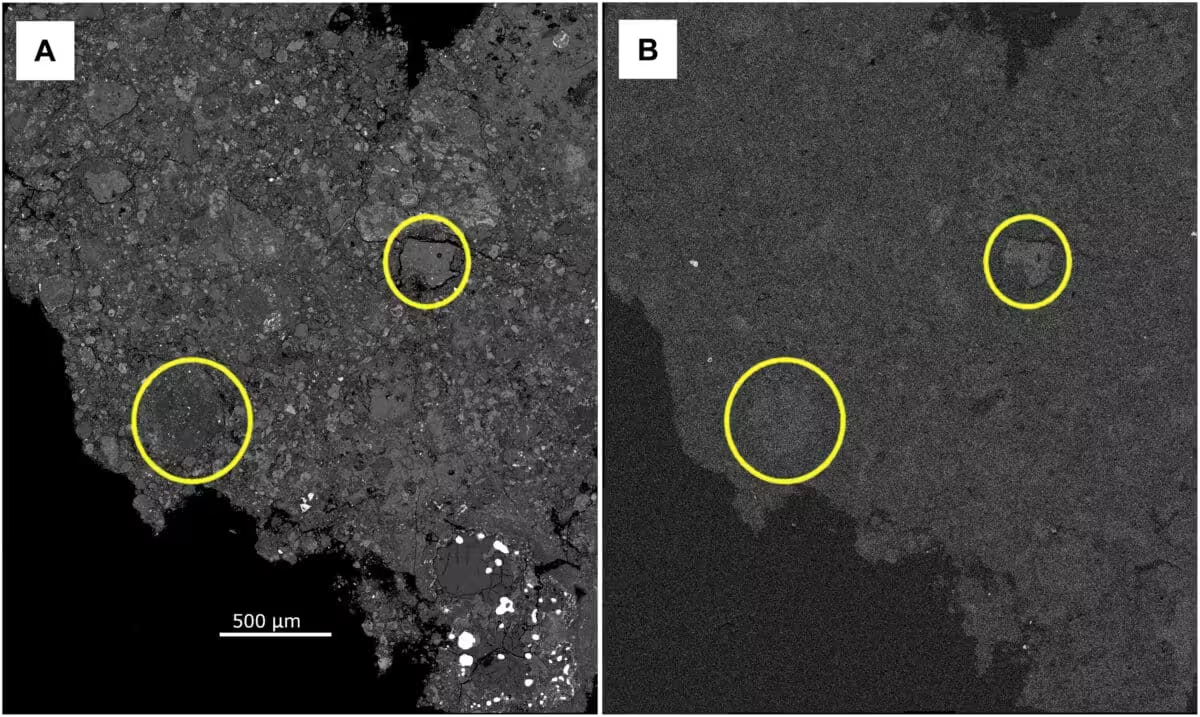
These discoveries help scientists trace how water interacted with rocky bodies during the solar system’s formative epochs. The meteorite retains chemical signatures locked within its parent asteroid for billions of years before its final descent. Mike Zolensky, a co‑author and meteorite specialist, emphasized the broader relevance of the findings.
“If you follow the water through the solar system, you’re actually following life,” he said. “Following the history of water through the solar system is an essential part of understanding the origin of life.”
Homeowners Recognized the Scientific Value Immediately
The occupants of the Hillsborough residence, who asked to remain unnamed, said they sensed right away that the object warranted careful handling. Rather than treating the fragments as a novelty, they chose to protect them for scientific study, as reported by ABC 6.
“We knew almost immediately that what happened to us was incredibly rare and we felt a responsibility to preserve the meteorite for the scientific community.”
They reflected on the meteorite’s extraordinary journey, describing the incident as a bridge between an everyday household event and a cosmic narrative spanning millions of years.
“It’s still surreal to think that this meteorite traveled through space for millions of years before ending its journey in our home. The entire experience has been incredible, and we’re honored to have played a small part in advancing scientific understanding through its study,” they said.
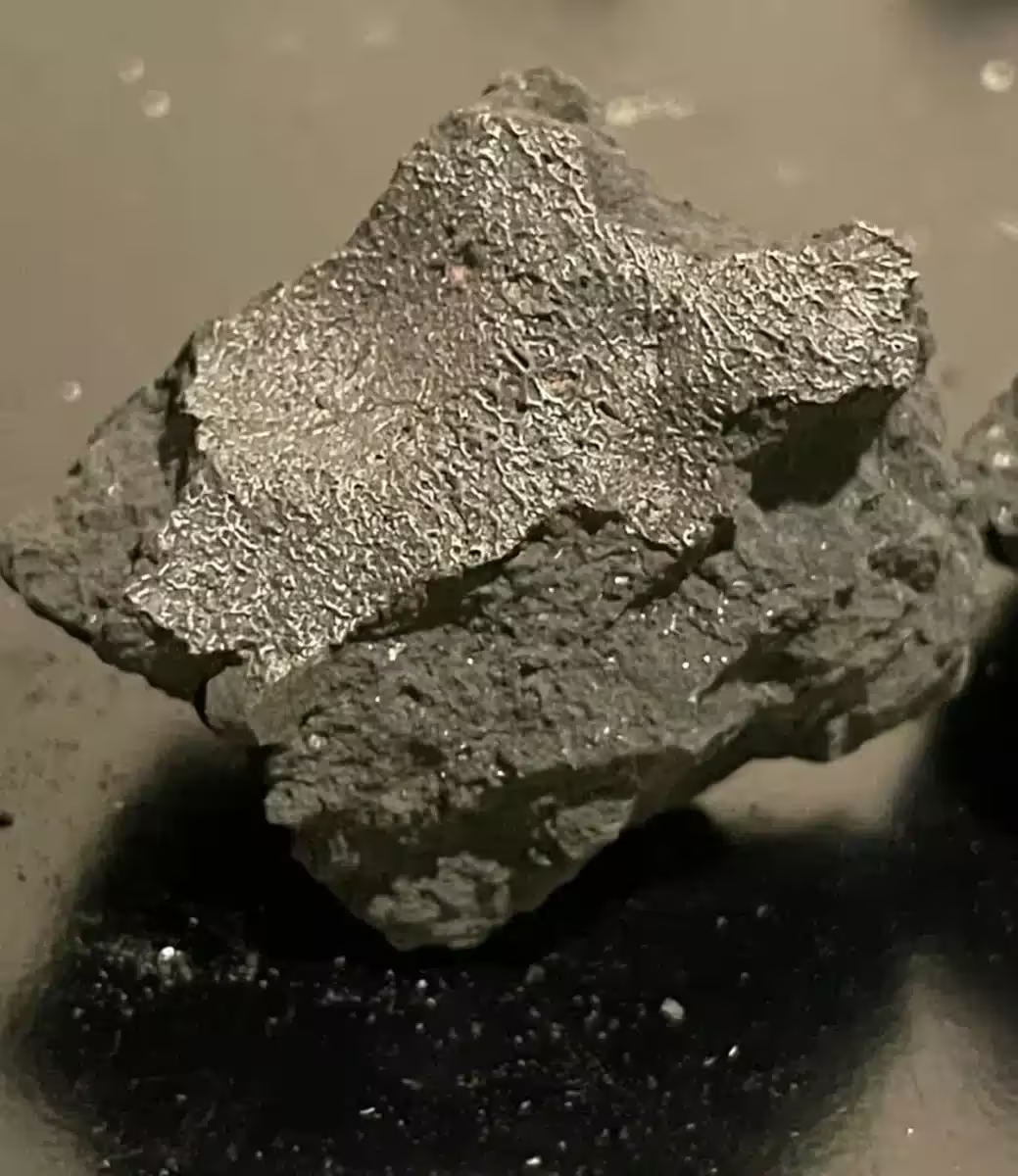
By safeguarding the space rock, the homeowners provided researchers with an exceptionally documented sample, enabling a detailed examination of both its interplanetary trek and the ancient chemical record it carries from the early solar system.
This article has been fact checked for accuracy, with information verified against reputable sources. Learn more about us and our editorial process.
Last reviewed on .
Article history
- Latest version
Reference(s)
- Jenniskens, Peter., et al. “Meteor over New York City: Brines in a primitive CM asteroid.” Science Advances, vol. 12, no. 29, July 17, 2026 American Association for the Advancement of Science (AAAS), doi: 10.1126/sciadv.aea2105. <https://www.science.org/doi/10.1126/sciadv.aea2105?__cf_chl_tk=vnL8oVF_8AJEnTIcZzEC4Qs4jO2Or4yPI3orfeuL_i8-1784575577-1.0.1.1-R6ndMdGNtzp9APrwvVFiq9TkhnCn7QWhycPTpBq6SU>.
- Barry, Rachel. “NASA Study of Pristine Meteorite Adds to Story of Ancient Asteroids - NASA Science.”, July 15, 2026 NASA <https://science.nasa.gov/science-research/astromaterials/nasa-study-of-pristine-meteorite-adds-to-story-of-ancient-asteroids/>.
- “ARES | Bios | Michael Zolensky.” <https://ares.jsc.nasa.gov/people/bios/michael-e-zolensky/>.
- Strickland, Ashley. “Meteorite that crashed into a New Jersey home contains 'extraterrestrial' amino acids.”, July 16, 2026 6ABC Philadelphia <https://6abc.com/post/new-jersey-home-meteorite-fragments-contain-extraterrestrial-amino-acids/19521592/>.
Cite this page:
- Posted by Karan Das