NASA Drone Flies Human Kidney Beyond Visual Range, Paving Way for Faster Organ Delivery
NASA’s drone flies a human kidney beyond visual range, promising quicker organ deliveries.
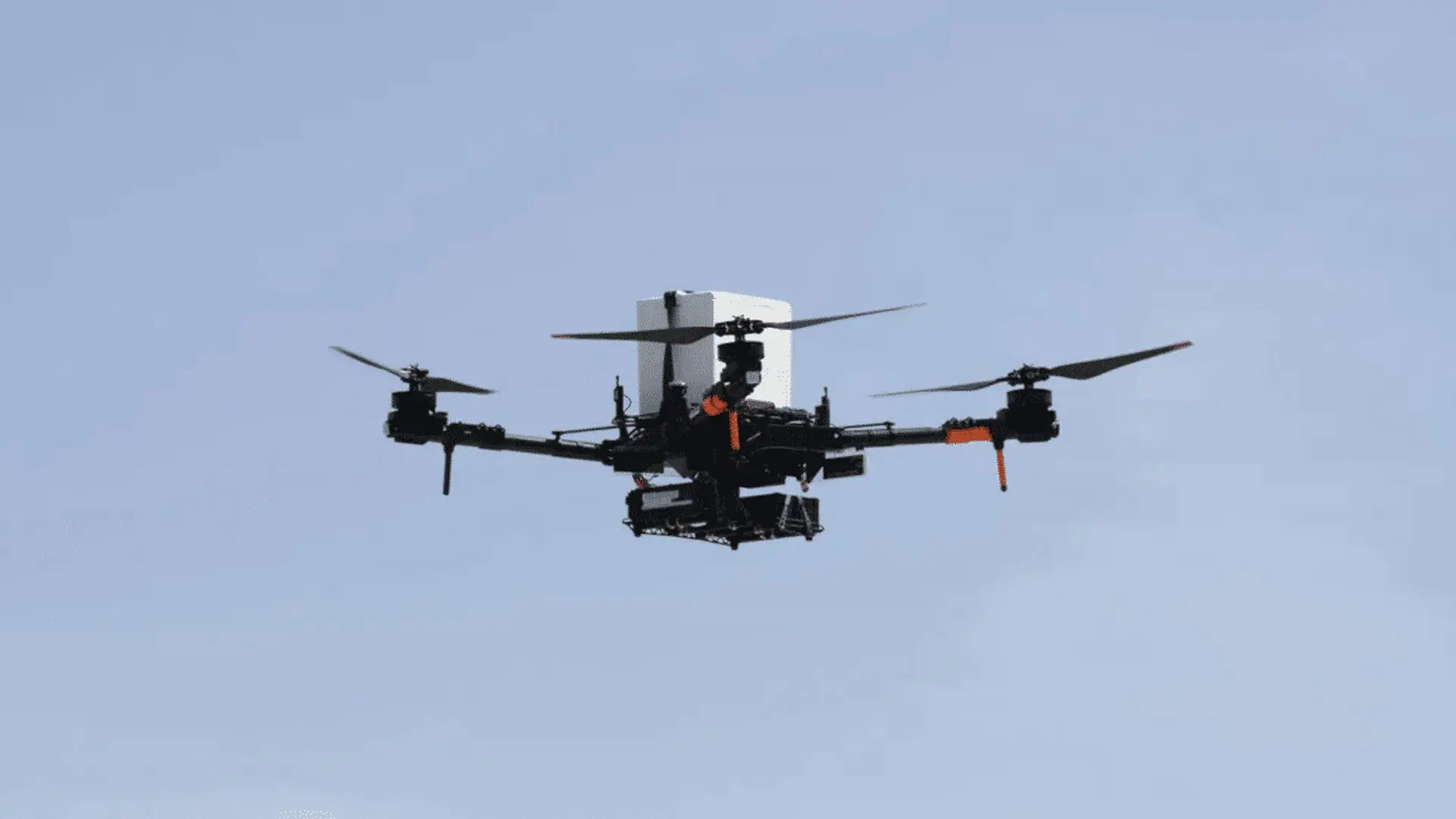
NASA successfully piloted a drone that carried a human kidney beyond the operator’s line of sight, demonstrating a potential new pathway for organ transportation. Although the organ used in the trial could not be transplanted, the experiment showcases a step toward faster, more adaptable delivery systems that could eventually help save lives. Space.com first reported the test, which blends cutting‑edge aviation with medical logistics to confront one of transplantation’s most pressing challenges: time.
Drone Test Tackles Critical Organ‑Delivery Bottlenecks
Each year, thousands of donated organs traverse the United States under strict time limits. Hearts, lungs, livers and kidneys remain viable only for a narrow window before transplantation becomes impossible, making rapid transport a matter of patient survival. Conventional options—ambulances, helicopters, fixed‑wing aircraft—are hampered by traffic, weather, and airport logistics.
NASA sees autonomous flight as a possible solution for the final stretch between transport hubs and medical facilities. On June 5, 2026, engineers at NASA Langley Research Center in Hampton, Virginia, joined forces with the United Network for Organ Sharing (UNOS) to conduct the first drone flight of its kind with a human kidney beyond visual range. According to Space.com, the mission proved that drones can be operated safely in populated areas without a pilot maintaining sight throughout the journey. The kidney was deliberately unsuitable for transplantation, allowing the team to focus on the transport system without risking a viable organ.
Beyond‑Sight Operation Marks the Core Innovation
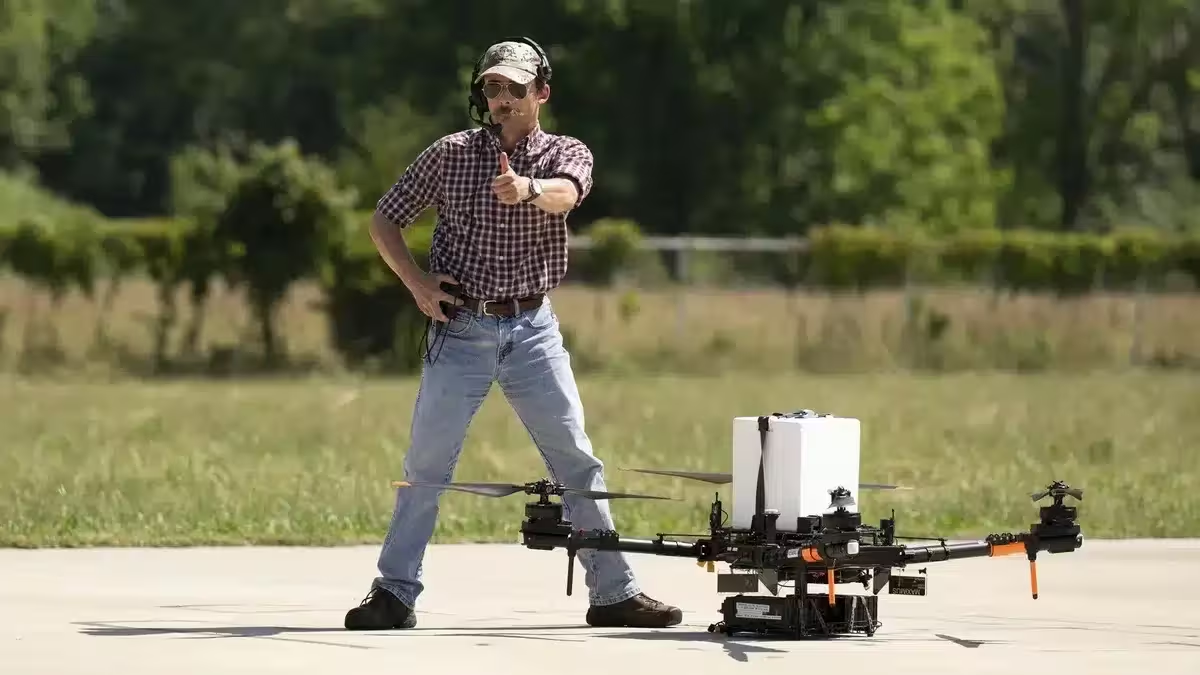
The headline‑grabbing kidney payload masks a deeper breakthrough: the drone’s ability to fly beyond visual line of sight. Current regulations typically require operators to keep unmanned aircraft within sight, a rule that limits long‑range medical missions. NASA engineers equipped the craft with extra communication links that let pilots monitor and steer the vehicle remotely while still meeting Federal Aviation Administration (FAA) standards. “What that means, more or less, is we’re going to have the pilot in command be about a mile away inside of a control room,” explained Kyle Smalling, an aerospace engineer at NASA Langley, speaking to WAVY.com. The flight took place at NASA’s City Environment Range Testing for Autonomous Integrated Navigation (CERTAIN) facility, a controlled environment designed to assess advanced drone behavior. Data gathered here could eventually enable routine, miles‑long hops between hospitals without a pilot maintaining visual contact.
Beyond Speed: Evaluating Organ Integrity During Transit
Safely moving an organ involves more than rapid arrival. Temperature regulation, vibration, handling stresses, and flight stability all affect whether a graft remains transplant‑ready. After the June 5 test, researchers will scrutinize the kidney to gauge how the journey impacted its condition. NASA officials have outlined key metrics such as temperature consistency and potential tissue damage from interrupted blood flow, which were slated for analysis in April ahead of the flight.
The outcomes will inform whether autonomous drones can preserve fragile organs under realistic operating scenarios. Even modest gains in delivery reliability could translate into higher success rates for surgeries, especially in areas where traffic congestion or geographic obstacles hinder conventional transport.
Space‑Age Tech Finds a Place in Hospital Supply Chains
The experiment illustrates how capabilities born from aerospace research can be repurposed for terrestrial challenges. NASA’s expertise in autonomous navigation, communications, and flight safety is now being channeled toward strengthening medical logistics. If subsequent trials continue to show positive results, UNOS envisions drones covering distances of roughly 15 miles (24 kilometers) between hospitals, acting as an efficient “last‑mile” link after longer hauls by airplanes or ground vehicles.
Such a system could trim delivery delays and broaden access to donor organs for patients awaiting transplantation. The partnership underscores how government labs, nonprofit networks, and healthcare providers can collaborate to solve complex logistical puzzles with emerging technology. While technical and regulatory hurdles remain before everyday medical drone deliveries become commonplace, this successful flight offers a compelling preview of how aerospace innovation might one day enhance patient outcomes far from any launch pad.
This article has been fact checked for accuracy, with information verified against reputable sources. Learn more about us and our editorial process.
Last reviewed on .
Article history
- Latest version
Reference(s)
- Howell, Elizabeth. “NASA used a drone to deliver a human kidney. Is this the future of transplant transport?.”, June 27, 2026 Space <https://www.space.com/technology/nasa-just-used-a-drone-to-deliver-a-human-kidney-is-this-the-future-of-transplant-transport>.
Cite this page:
- Posted by Karan Das