A 40-Year Study Reveal That the Sun May Be Pulling Space Junk Back to Earth Faster Than Expected
L’influence du Soleil sur la durée de vie des débris spatiaux en orbite terrestre
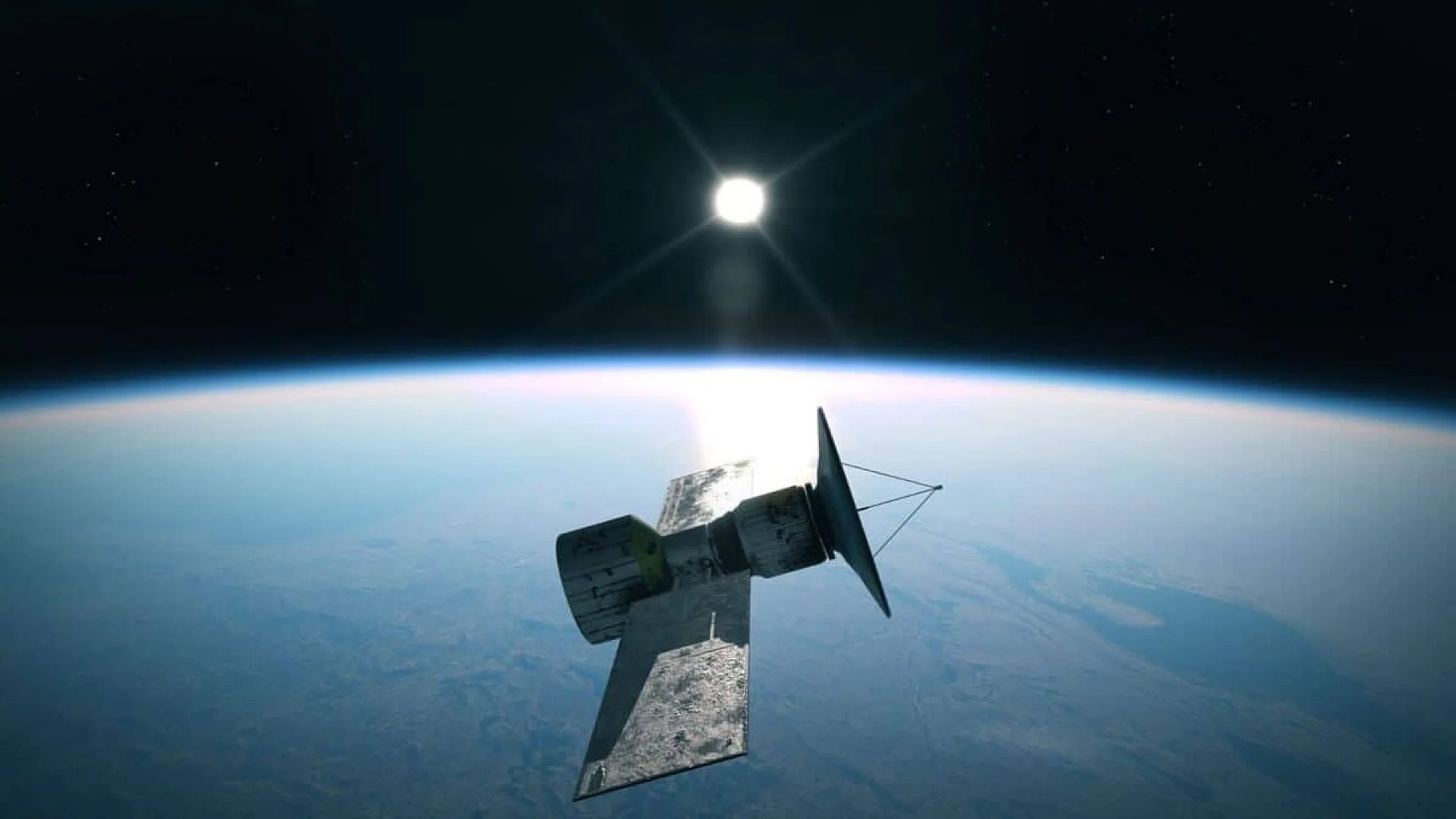
A recent analysis indicates that the Sun’s activity may accelerate the removal of debris from low‑Earth orbit more than previously recognized. By correlating decades of orbital trajectories with solar behavior, scientists found that heightened solar output coincides with increased re‑entry rates of space junk.
The discovery comes at a time when the near‑Earth environment is becoming ever more crowded with operational satellites and defunct hardware. While atmospheric drag has long been tied to solar cycles, this work emphasizes the cumulative effect on debris over many years rather than short‑term fluctuations.
Researchers from the Vikram Sarabhai Space Centre and the Indian Institute of Space Science and Technology examined historic orbital records to pinpoint the natural forces that drive objects back into the atmosphere. Their findings appear in Frontiers in Astronomy and Space Sciences, where they evaluated the impact of several solar cycles on long‑lived debris.
Solar Cycle Patterns Reveal Faster Decay of Orbital Waste
The team tracked seventeen catalogued objects over nearly forty years, covering solar cycles 22, 23, 24 and the early phase of cycle 25. Solar cycles, which repeat roughly every eleven years, are marked by rising sunspot numbers and intensified solar emissions during their peaks.
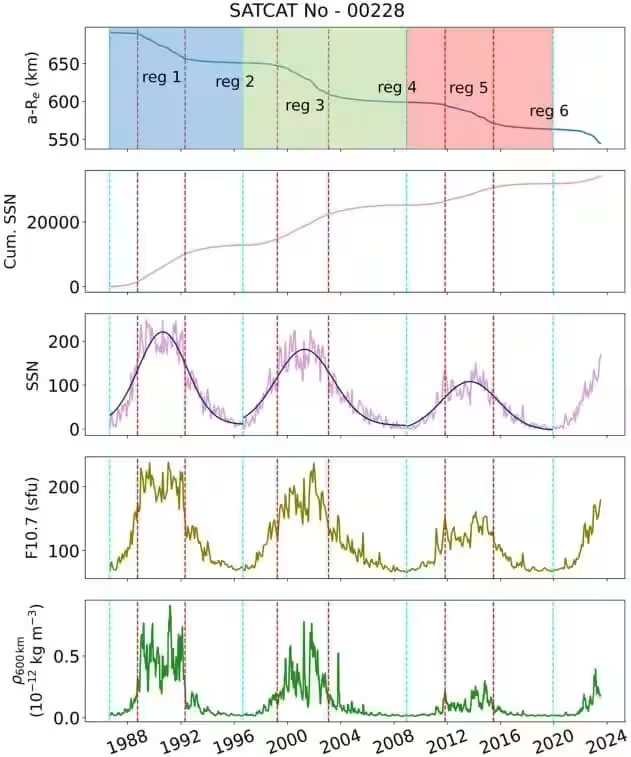
Starting from a pool of ninety‑five candidates drawn from the Space‑Track catalog managed by the North American Aerospace Defense Command (NORAD), the authors narrowed the selection to objects that could be monitored over long intervals. Among the tracked items was Explorer 7, one of the earliest entries in the database, listed under catalog number 22. The researchers noted that debris, unlike active satellites that can adjust their drag, offers a clearer window into natural orbital decay processes.
Extreme Ultraviolet Flux Emerges as Dominant Driver
Analysis identified extreme ultraviolet (EUV) radiation as the most influential factor affecting decay rates. Although the relationship between solar activity and satellite drag has been acknowledged for years, its long‑term impact on uncontrolled debris had remained under‑explored.
“The rapid expansion of the space sector and the corresponding growth in space debris population have made it increasingly important to understand the long‑term drivers of orbital decay,” the authors wrote.
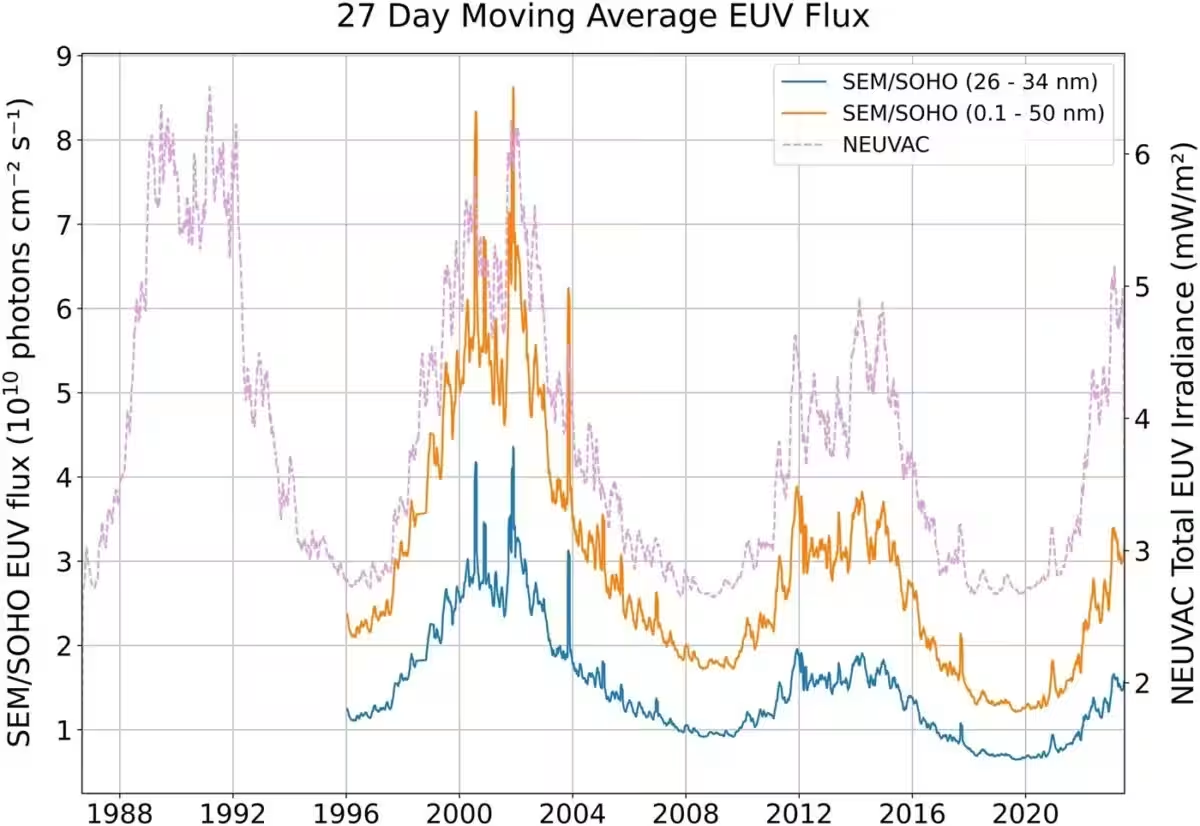
By comparing their orbital data with EUV measurements from the NASA‑ESA SOHO mission—operational since 1996—the investigators confirmed that EUV flux outweighs geomagnetic activity in shaping decay trends.
Escalating Satellite Deployments Heighten Need for Solar Drag Insights
The research directly addresses mounting concerns over low‑Earth‑orbit congestion. Crewed platforms such as the International Space Station and China’s Tiangong regularly perform avoidance burns to steer clear of debris, underscoring the practical relevance of understanding atmospheric drag variations.
The proliferation of large constellations adds further pressure. For example, SpaceX’s Starlink network logged more than fifty thousand collision‑avoidance maneuvers in the first half of 2024 alone, reflecting the operational challenges posed by an increasingly crowded sky.
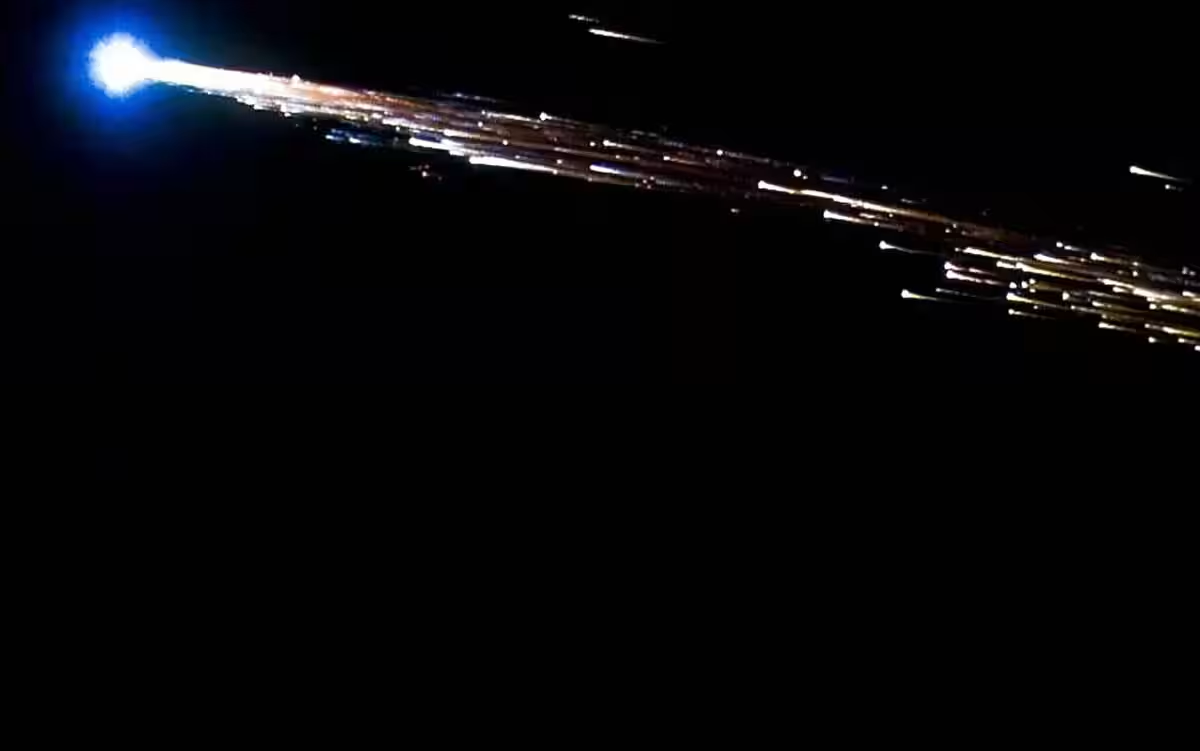
As launch rates climb and orbital debris accumulates, quantifying how solar‑driven atmospheric changes influence drag becomes essential for safe space operations and long‑term sustainability.
This article has been fact checked for accuracy, with information verified against reputable sources. Learn more about us and our editorial process.
Last reviewed on .
Article history
- Latest version
Cite this page:
- Posted by Karan Das