NASA Rocket Reveals Earth’s Secret Radio-Disrupting Plasma Clouds Are Not What We Thought
NASA’s latest rocket mission uncovers the complex atmospheric cloud dynamics that threaten to disrupt critical radio signals and GPS accuracy.
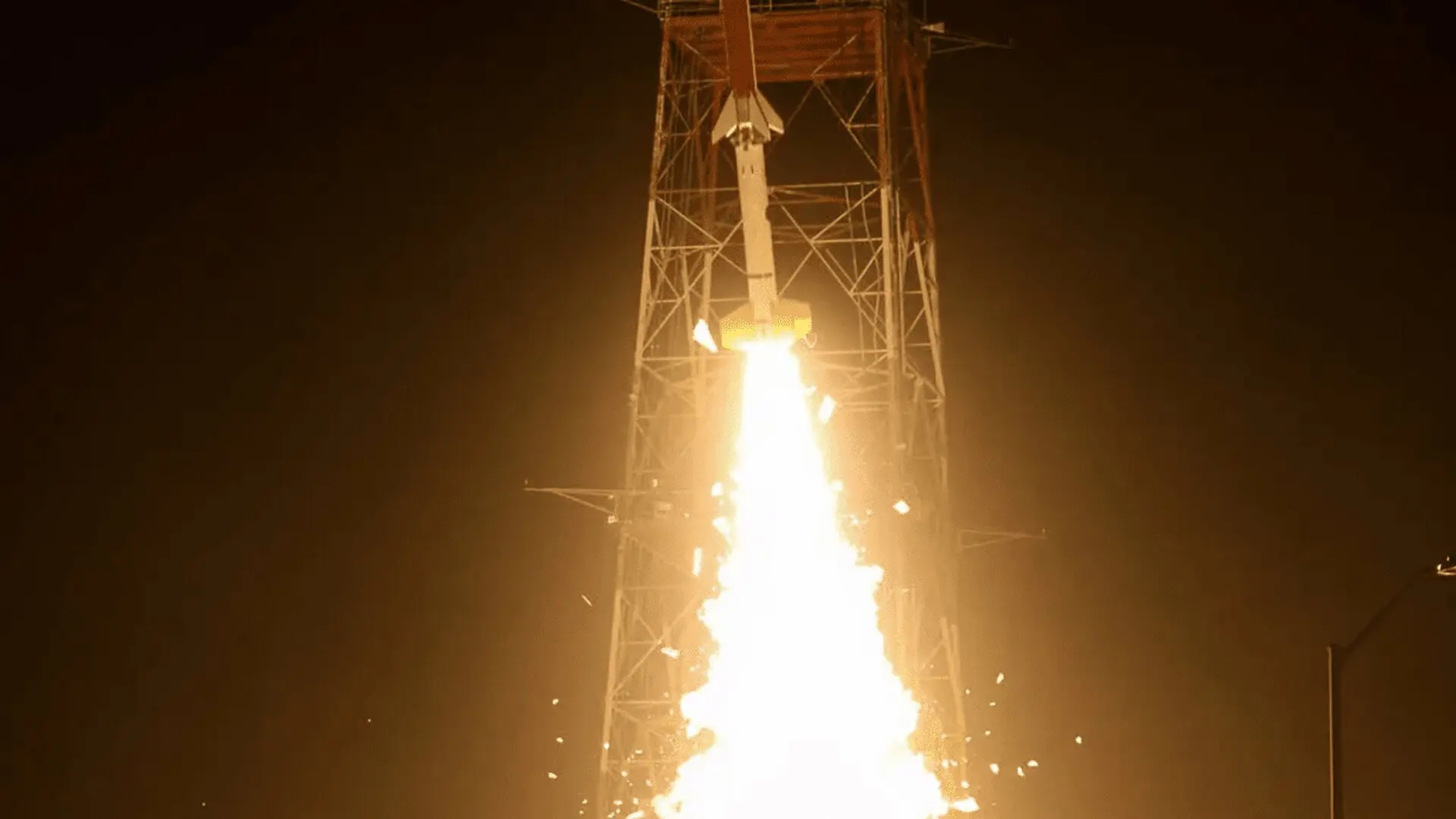
Unlocking the Secrets of the Ionosphere’s Radio-Reflecting Clouds
For decades, researchers have treated sporadic E layers—thin, dense regions of plasma hovering between 90 and 120 kilometers above the Earth—as flat, uniform sheets. However, a pioneering NASA rocket mission has provided the first multi-point look inside these elusive formations, revealing that they are far more complex and dynamic than previously assumed.
Sporadic E layers act as high-altitude mirrors for radio frequencies, often causing unexpected signal propagation or interference. Because these layers reside within the ionosphere, they are a primary source of error for satellite navigation and long-range communication systems. Understanding their true nature is vital for refining the models that keep modern telecommunications running smoothly.
Moving Beyond the Flat-Sheet Model
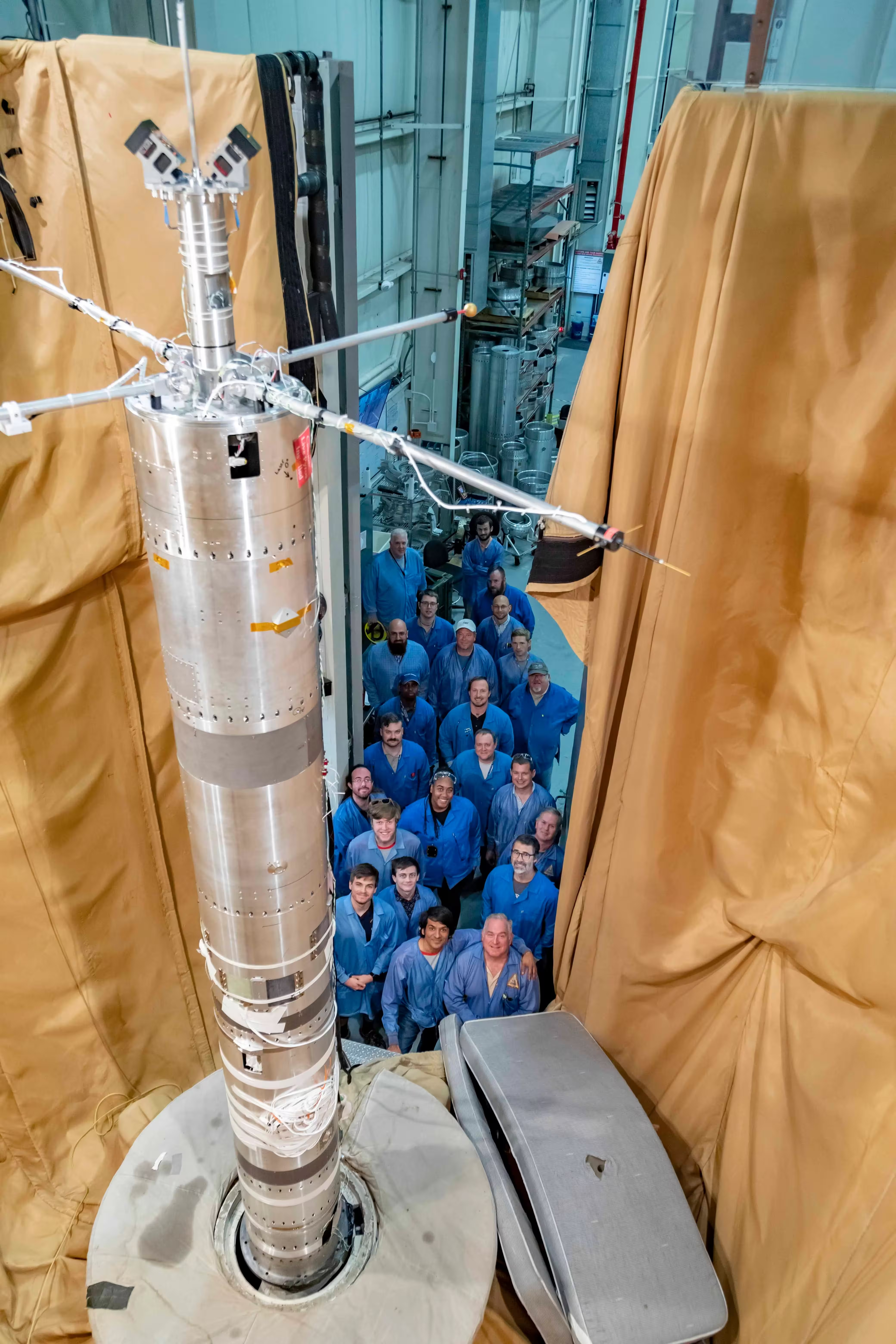
The recent mission, led by principal investigator Aroh Barjatya of Embry-Riddle Aeronautical University, utilized a distributed sensor array to capture data from several locations simultaneously. This departure from single-instrument observation allowed the team to map the plasma environment with unprecedented spatial resolution.
“Now with multiple sensors, we’ve turned that crack into a picket fence,” Barjatya noted, explaining that the new data stream allows for a three-dimensional understanding of how these structures evolve. The findings suggest that sporadic E layers are not static features but are instead heavily sculpted by the neutral atmosphere.
Henry Valentine, the study’s lead author—formerly of Embry-Riddle and now with the U.S. Naval Research Laboratory—explained that the team observed intense interactions between the plasma and atmospheric turbulence. “A lot of times you think of sporadic E as this single sharp density layer, but what we saw in ours is it’s interacting with neutral wind and these swirling atmospheric turbulences,” Valentine said. He offered a vivid analogy for the complex, folded geometry of the plasma: “Rather than a flat pancake, it’s closer to a cinnamon roll.”
Implications for Global Navigation and Connectivity
The NASA-led study highlights why these plasma structures are more than just a scientific curiosity. Because the ionosphere is a turbulent, charged environment, it creates significant signal delays for GPS satellites, and sporadic E layers exacerbate this instability.
“The biggest source of error in the GPS in your phone, for example, is from the plasma in the ionosphere, and sporadic E layers can contribute to this uncertainty,” Valentine added. By identifying that these layers twist and fold due to atmospheric currents, scientists are now better positioned to improve the predictive accuracy of navigation algorithms.
As researchers continue to analyze the data, the focus remains on how these “cinnamon roll” plasma clouds form and dissipate. This newfound ability to observe the dynamic evolution of sporadic E layers marks a significant step forward in our capacity to mitigate space weather impacts on the ground-based infrastructure that powers global communications.
This article has been fact checked for accuracy, with information verified against reputable sources. Learn more about us and our editorial process.
Last reviewed on .
Article history
- Latest version
Reference(s)
- Hatfield, Miles. “NASA Rocket Takes First Multi-Point Look Inside Radio-Disrupting Clouds - NASA Science.”, September 2, 2026 NASA <https://science.nasa.gov/science-research/heliophysics/nasa-rocket-takes-first-multi-point-look-inside-radio-disrupting-clouds/>.
Cite this page:
- Posted by Farah Siddiqui