Meteor Storms Could Pose Unexpected And Serious Threats To NASA’s Artemis Moon Missions
NASA’s Artemis missions face hidden risks from meteor storms disrupting spacecraft safety and schedules
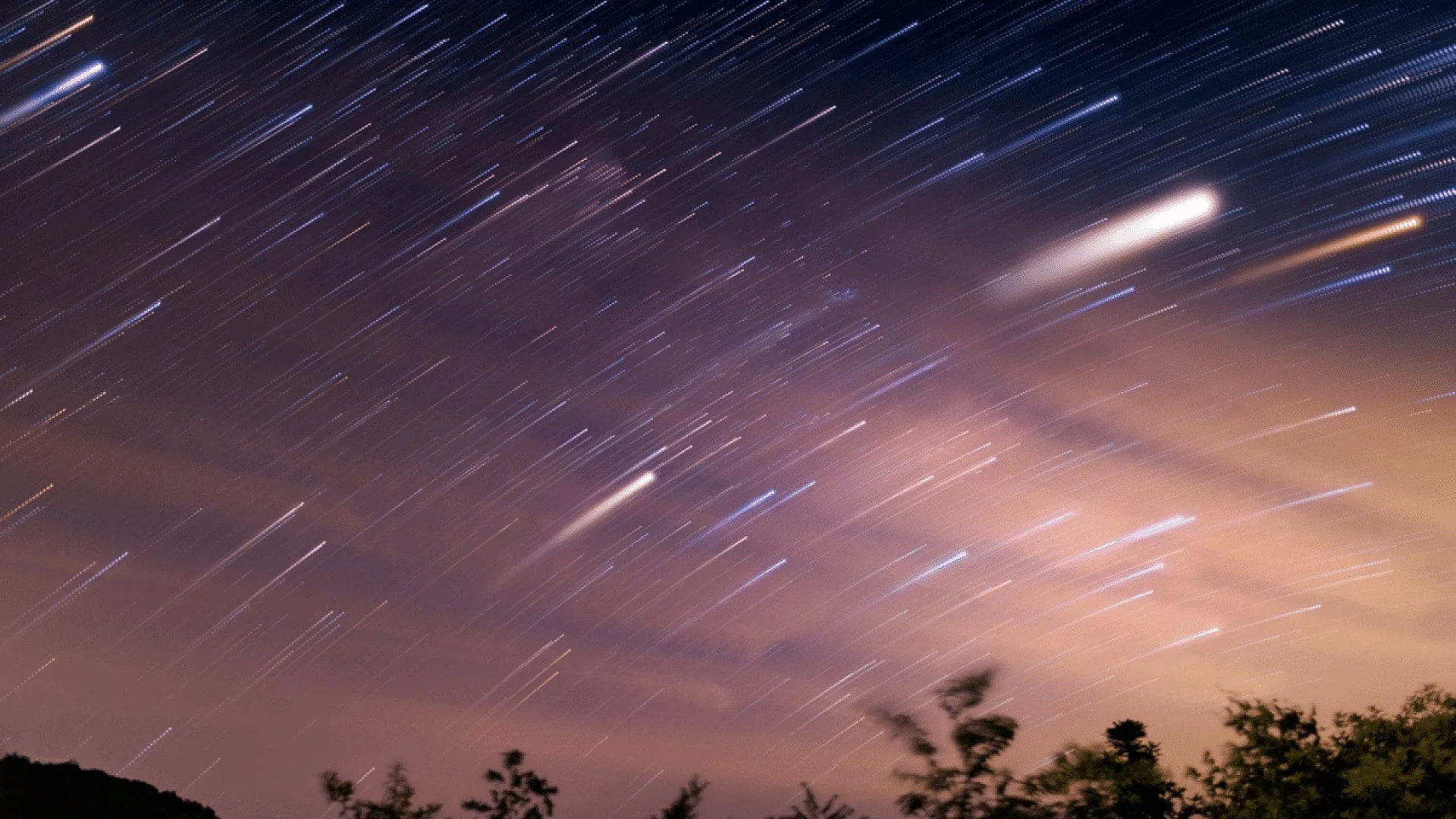
NASA’s Artemis program, which seeks to land astronauts on the Moon again, must now contend with a less obvious but equally serious danger: streams of fast‑moving micrometeoroids. Even particles that are only a fraction of a millimeter across can travel faster than 22,000 miles per hour, and a collision at those speeds could jeopardize the safety and schedule of lunar flights.
Why Tiny Space Debris Matters
The vacuum of space is populated by an estimated 48.5 tons of debris each day, ranging from dust‑sized particles to larger fragments. When Earth passes through trails left by comets and asteroids, the concentration of this material spikes, creating spectacular meteor showers for observers on the ground but also increasing the risk for spacecraft traversing those regions.
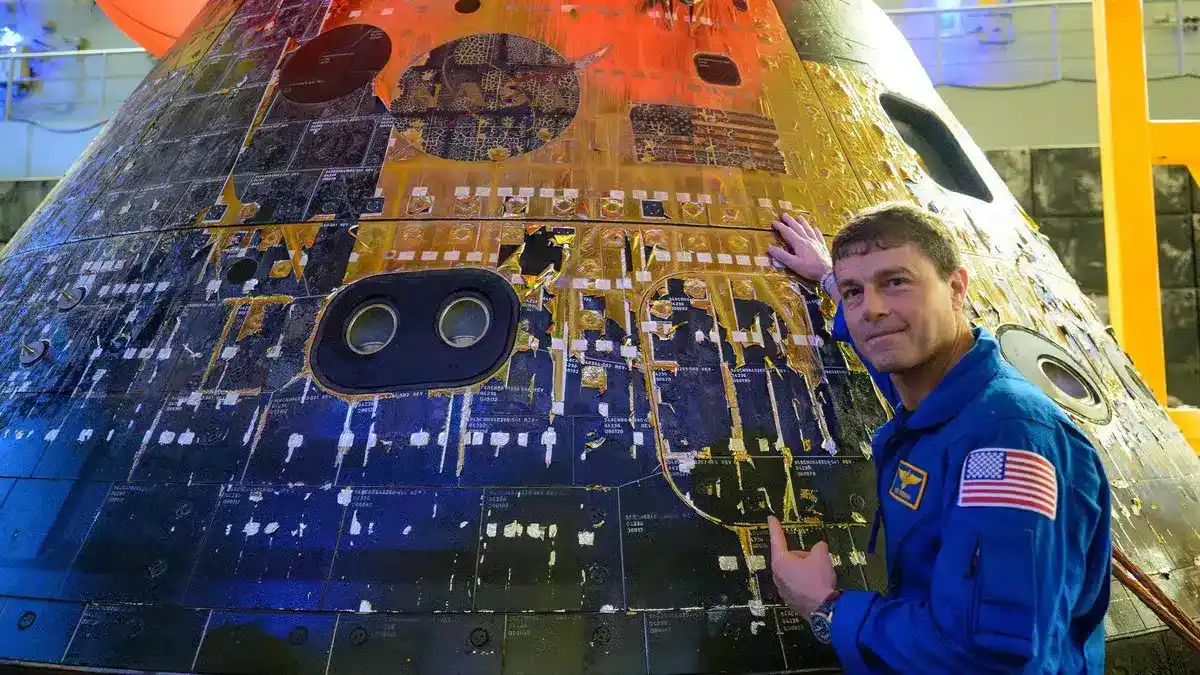
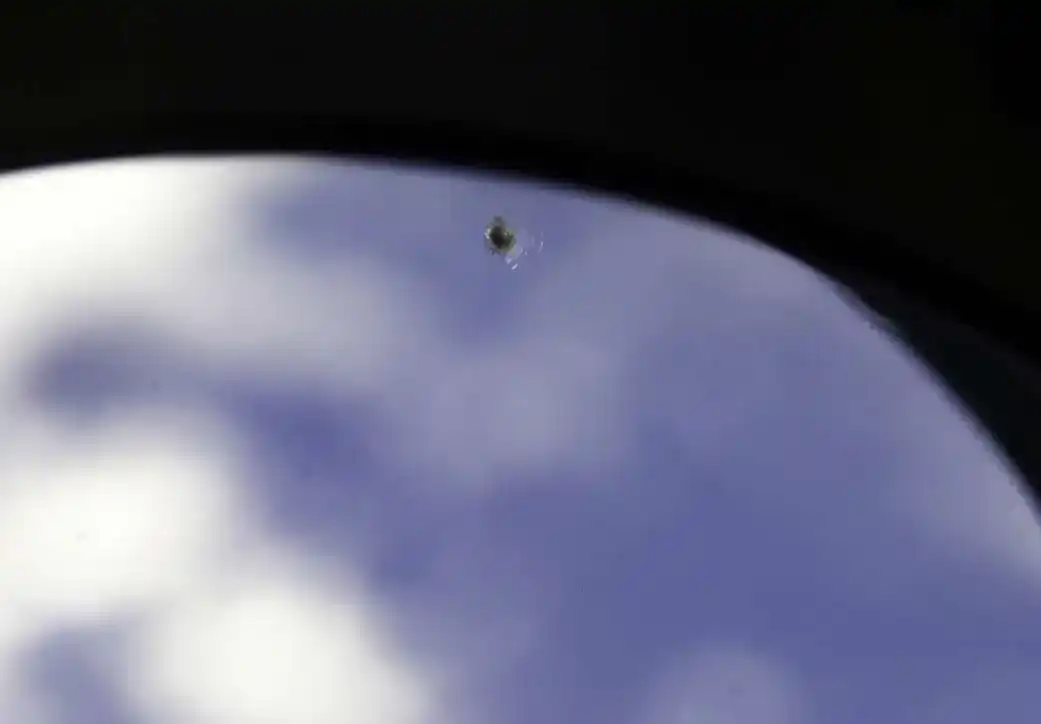
Impacts from micrometeoroids can breach hull panels, chip heat‑shield tiles, or damage essential onboard equipment. Mike Heckwolf, Orion crew and mission risk integrator at Lockheed Martin, told Space.com:
“Orion spacecraft material selection and thicknesses have been optimized for [micrometeoroid and orbital debris] (MMOD) protection and risk balancing. Hypervelocity impact testing is conducted to confirm impact physics, to characterize damage survivability, and verify performance of the Orion spacecraft MMOD design. The Artemis mission trajectory and Orion flight attitude are carefully assessed to minimize MMOD risk.”
These safeguards aim to keep crews safe, yet unusually intense meteor events could still pose a challenge.
Credit: NASA
When Meteor Showers Turn Hazardous
Out of the roughly 1,000 catalogued meteor showers, only a few generate a noticeable rise in background particle flux. Bill Cooke, head of NASA’s Meteoroid Environments Office, explained:
“Only a handful of the more than 1,000 known meteor showers exceed the sporadic background by more than 5% — like the Geminids, for example — [which is] the strongest annual shower,”
Future outbursts such as the Perseids and Leonids, forecast for the coming decade, could raise micrometeoroid densities along trajectories bound for the Moon. NASA has postponed missions in the past to avoid peak meteor activity, a practice that dates back to the 1993 STS‑51 shuttle flight. These decisions underline the agency’s reliance on predictive modeling to safeguard crewed missions.
Credit: NASA
How Artemis Is Built to Withstand Impacts
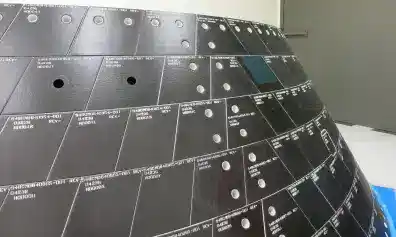
The Orion capsule incorporates multiple layers of shielding and undergoes extensive hypervelocity testing to verify that its structure can absorb and disperse the energy of incoming particles. Engineers also fine‑tune flight paths and vehicle attitudes during high‑risk phases to limit exposure to dense debris streams.
Credit: NASA
Collaboration with meteor‑forecasting groups enables NASA to time launches away from predicted spikes. Space.com notes that Artemis 4, slated for early 2028, may intersect a Perseid outburst expected in August of that year. By aligning mission timelines with these forecasts, the program aims to keep astronaut exposure to micrometeoroid hazards at a minimum while preserving the overall schedule.
This article has been fact checked for accuracy, with information verified against reputable sources. Learn more about us and our editorial process.
Last reviewed on .
Article history
- Latest version
Cite this page:
- Posted by Farah Siddiqui