NASA Moves to Preserve Hubble With Ambitious Orbital Rescue Mission
NASA’s daring mission to rescue the Hubble Space Telescope and extend its science legacy
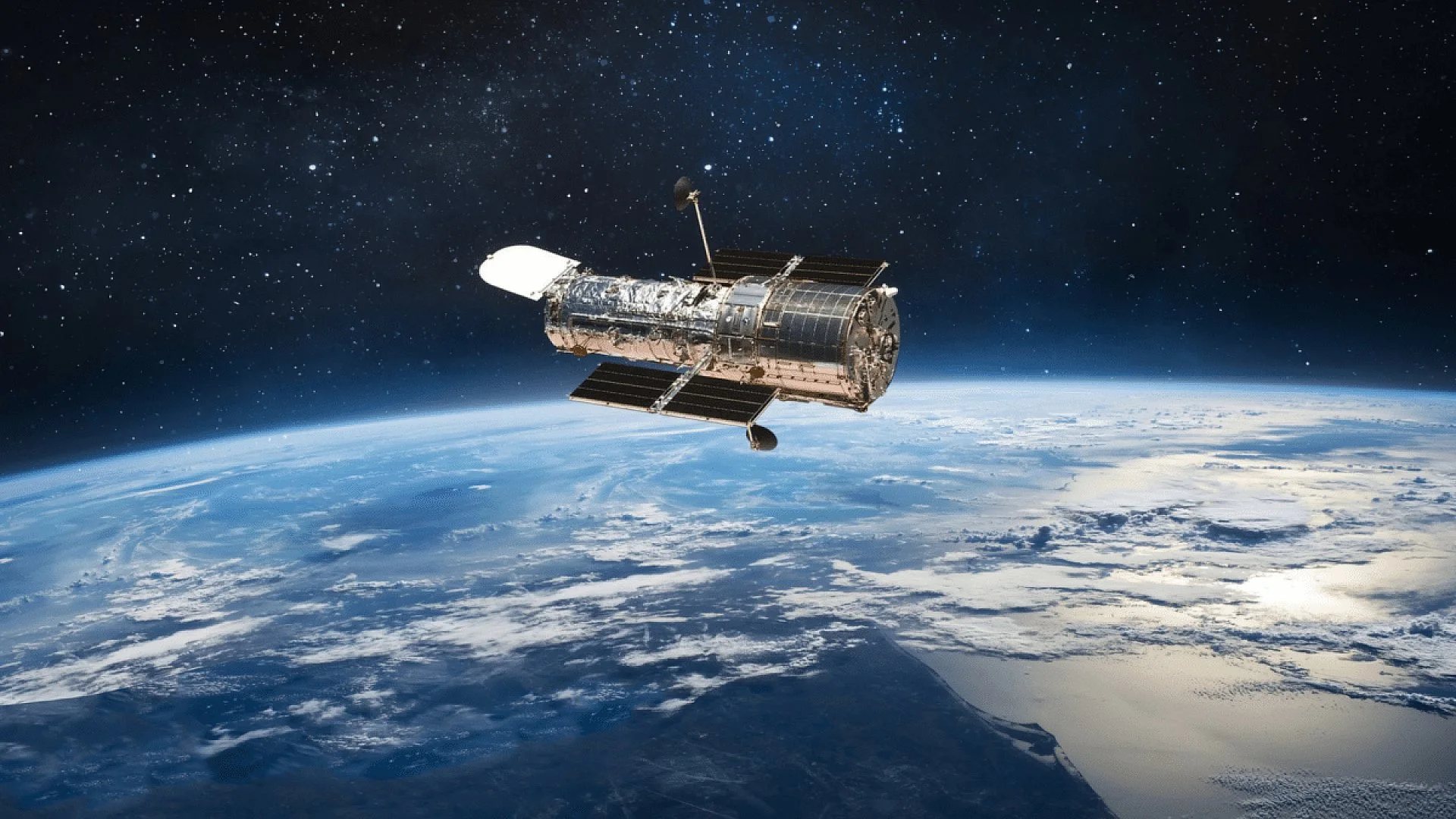
NASA is gearing up for a bold mission that could keep the Hubble Space Telescope operational well beyond its original lifespan. By testing new servicing techniques on an aging observatory in low Earth orbit, the agency hopes to avoid a costly plunge into the atmosphere that would end the historic instrument’s three‑decade‑long contribution to astronomy.
Robotic Servicer “Link” Readies for First Launch
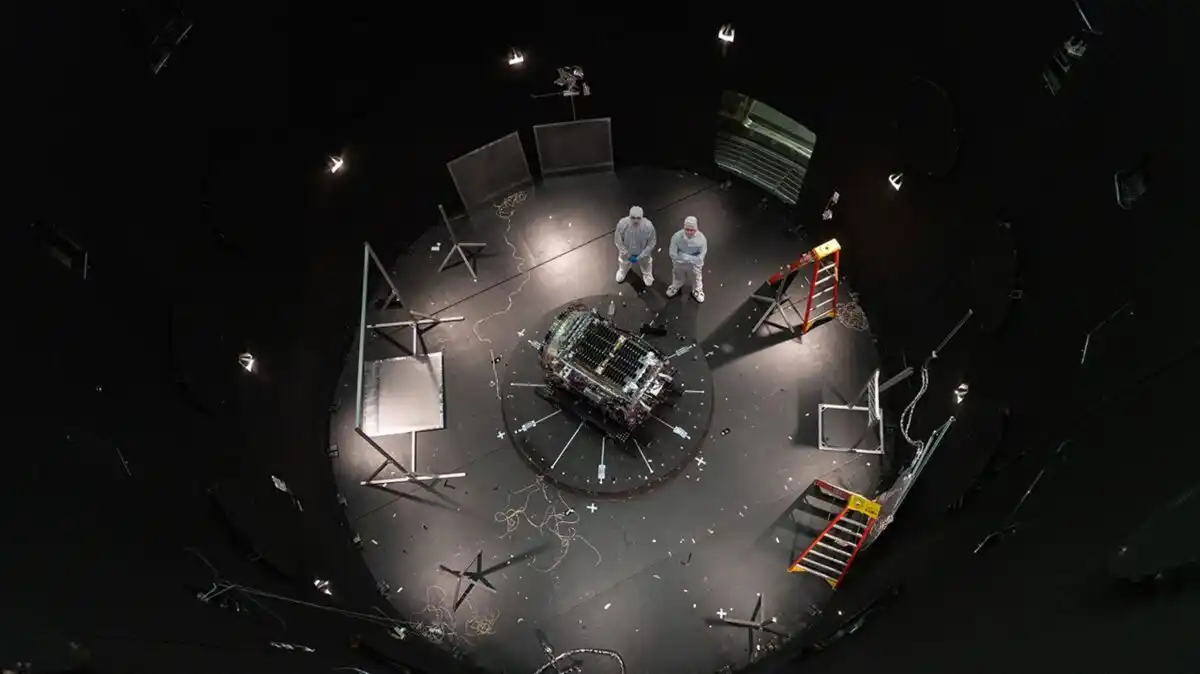
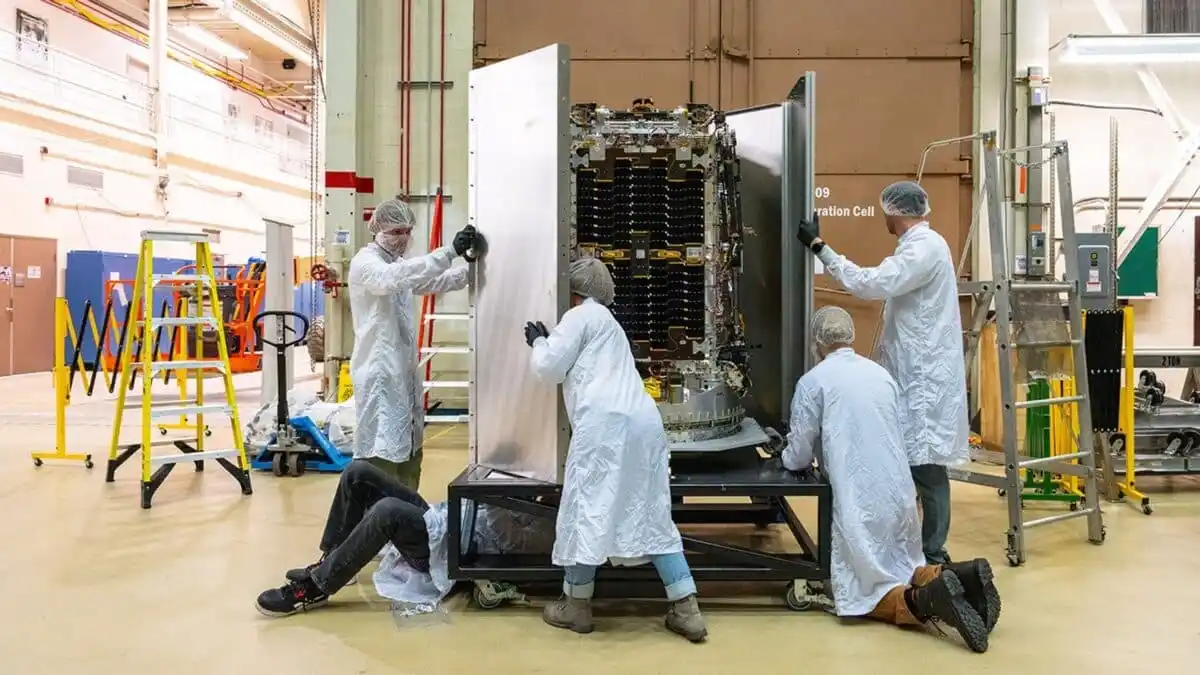
The Link service spacecraft, built by Katalyst Space, has arrived at the Wallops Flight Facility in Virginia. Mounted on a Northrop Grumman Pegasus XL, the vehicle is slated for launch later this month, though NASA has not disclosed a specific date. The $30 million project aims to rendezvous with the Swift gamma‑ray observatory, which, like Hubble, is gradually losing altitude due to residual atmospheric drag.
NASA/Sophia Roberts
Swift Boost as a Testbed for Orbital Servicing
Link’s primary objective is to lift Swift into a higher orbit, effectively prolonging the telescope’s mission at a fraction of the cost of building a replacement. Although Swift was never designed for on‑orbit repairs, the experiment could demonstrate a low‑cost pathway for keeping older space telescopes functional.
The operation carries a “extremely high‑risk” label from NASA, largely because the spacecraft must execute a precise docking with a satellite that lacks any servicing interfaces. If successful, the mission would secure continued observations of gamma‑ray bursts and other high‑energy phenomena without the expense of a new platform.
Potential Ripple Effects for Hubble and Other Assets
A triumph would give NASA a proven template for rescuing other low‑Earth‑orbit assets, including the Hubble Space Telescope, which now shares a similar orbital decay trajectory. According to SpaceNews, Hubble, launched in 1990, could encounter uncontrolled reentry as early as 2033 without intervention, threatening decades of scientific data.
NASA/Sophia Roberts
Hubble’s maintenance bill is substantial; in fiscal year 2025, NASA allocated $98.8 million to the observatory, making it the second‑most expensive space telescope after the James Webb. Agency officials are actively looking for ways to trim the operating budget of legacy missions while preserving funds for upcoming flagship projects such as the Habitable Worlds Observatory, slated for a 2040 launch.
Nonetheless, raising Hubble’s orbit is now deemed both technically viable and financially justifiable, especially if the Link mission’s lessons can be applied. Extending Hubble’s service would provide a seamless bridge between current discoveries and the next generation of space‑based observatories, ensuring a continuous flow of high‑impact astronomical data.
Weighing Cost Against Scientific Return
The core dilemma for NASA is whether to allocate significant resources toward refurbishing an aging telescope in exchange for the unique scientific output it can still deliver. If the agency proceeds, it could set a new standard for cost‑effective stewardship of high‑value space assets, potentially influencing future missions that support communications, weather forecasting, and scientific research.
A successful demonstration would open the door to a broader class of orbital service missions, offering a sustainable model for extending the lifespan of critical satellites without resorting to costly replacements.
This article has been fact checked for accuracy, with information verified against reputable sources. Learn more about us and our editorial process.
Last reviewed on .
Article history
- Latest version
Reference(s)
- Foust, Jeff. “NASA interested in Hubble reboost if costs can be reduced.”, June 7, 2026 SpaceNews <https://spacenews.com/nasa-interested-in-hubble-reboost-if-costs-can-be-reduced/>.
Cite this page:
- Posted by Farah Siddiqui