New 270‑Million‑Year Simulation Reveals Hidden Heat Zones Behind Thousands of Seamounts
New study shows deep‑ocean volcanoes follow unexpected patterns, hinting at a far‑larger subterranean system than previously believed.
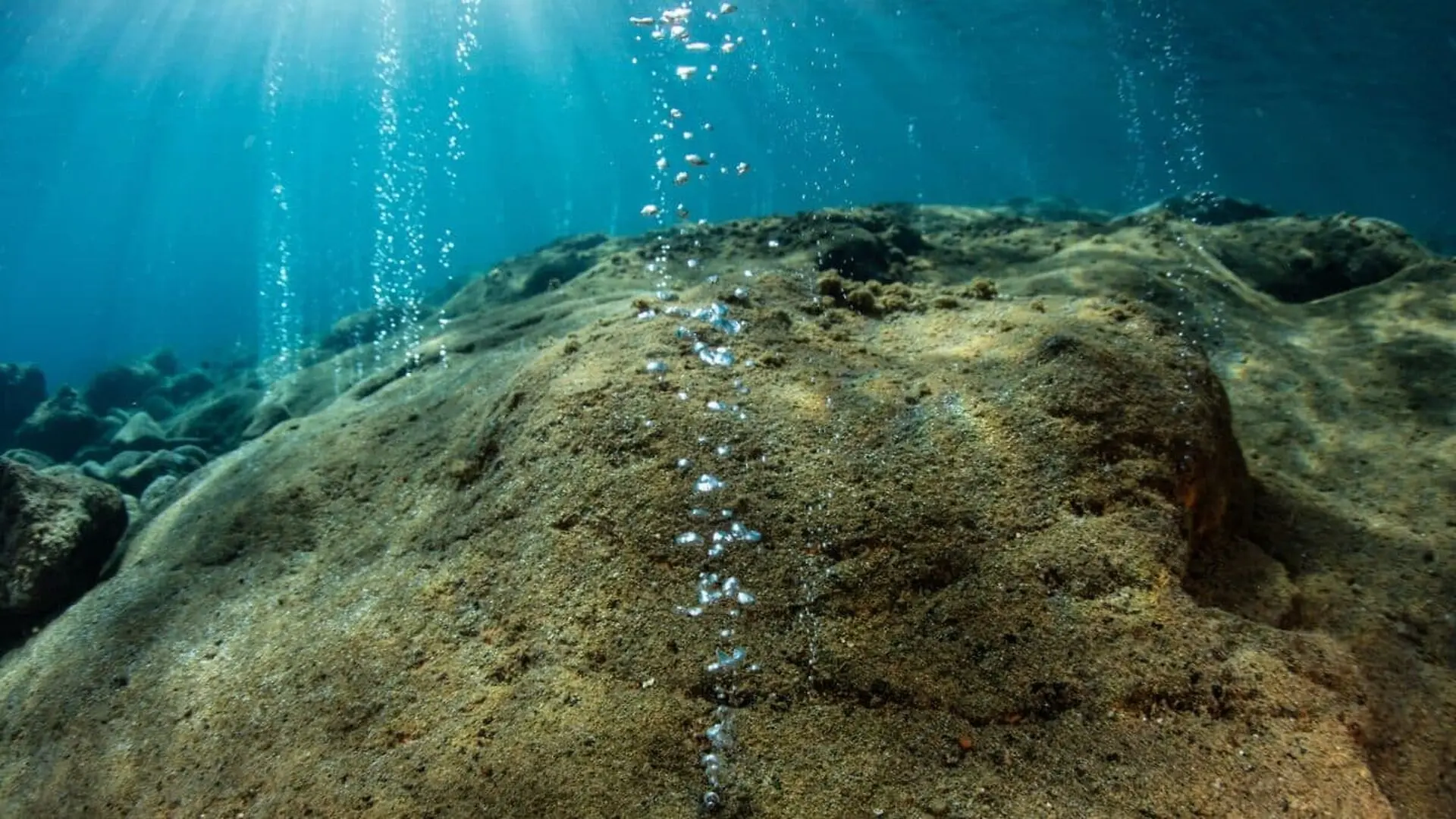
More than 40,000 submarine volcanoes dot the ocean floor, yet their origins remain opaque because they lie far beneath the surface. While some form orderly strings such as the Hawaiian‑Emperor chain, the majority appear as isolated peaks scattered across vast basins, challenging the classic hotspot model that ties volcanic activity to narrow mantle plumes.
Unveiling the Hidden Landscape of Underwater Volcanoes
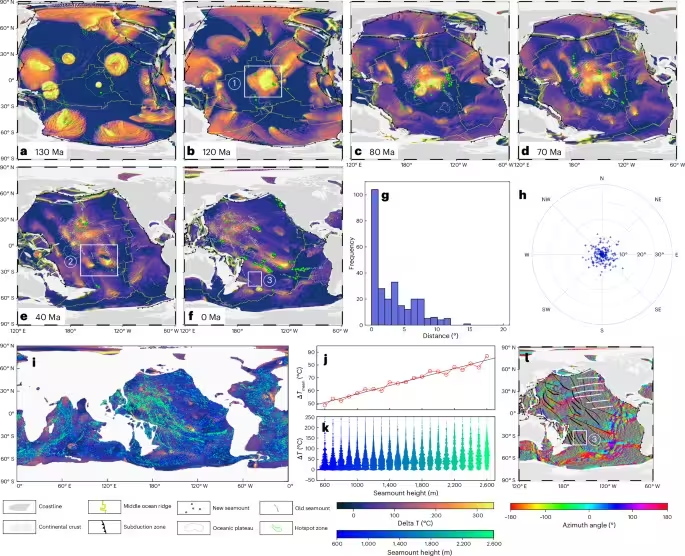
A collaborative effort at the Institute of Geology and Geophysics of the Chinese Academy of Sciences has produced a high‑resolution, 270‑million‑year simulation of mantle dynamics. The study, appearing in Nature Geoscience on June 10, follows the ascent of hot material from the core‑mantle boundary and its interaction with surrounding mantle layers, offering a new framework to link deep thermal processes with the present‑day distribution of seamounts.
Lead researcher Professor Liu Lijun and colleagues modeled how plume heads generate thermal anomalies that spread beneath moving tectonic plates. The simulation captures the evolving geometry of these anomalies, allowing a direct comparison between ancient mantle heating events and modern volcanic edifices.
Deep Mantle Heat Patterns Explain Dispersed Seamounts
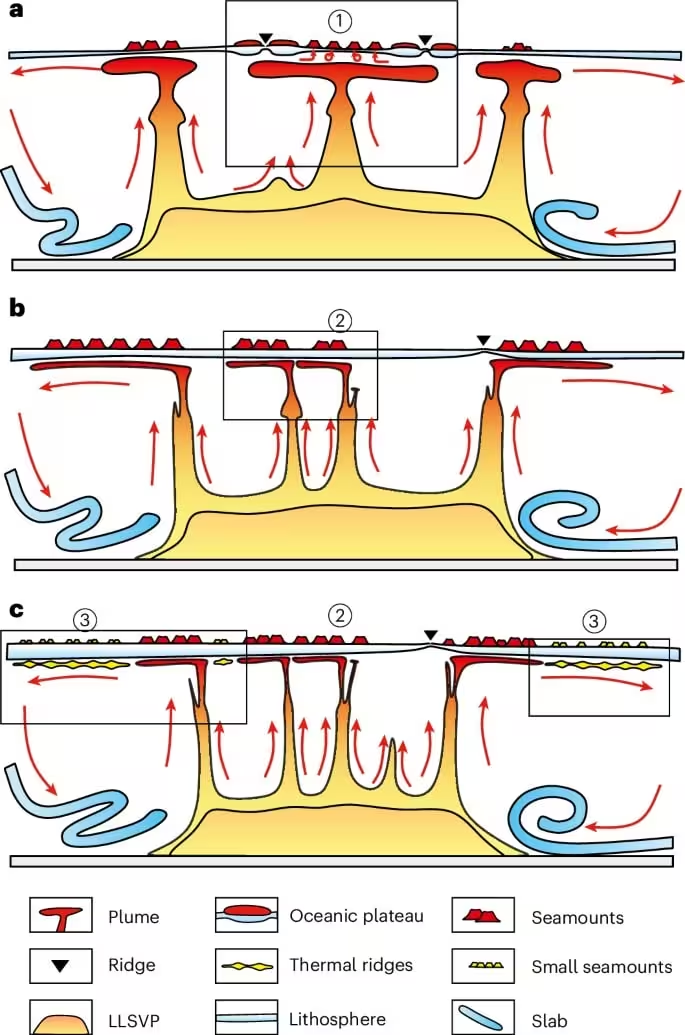
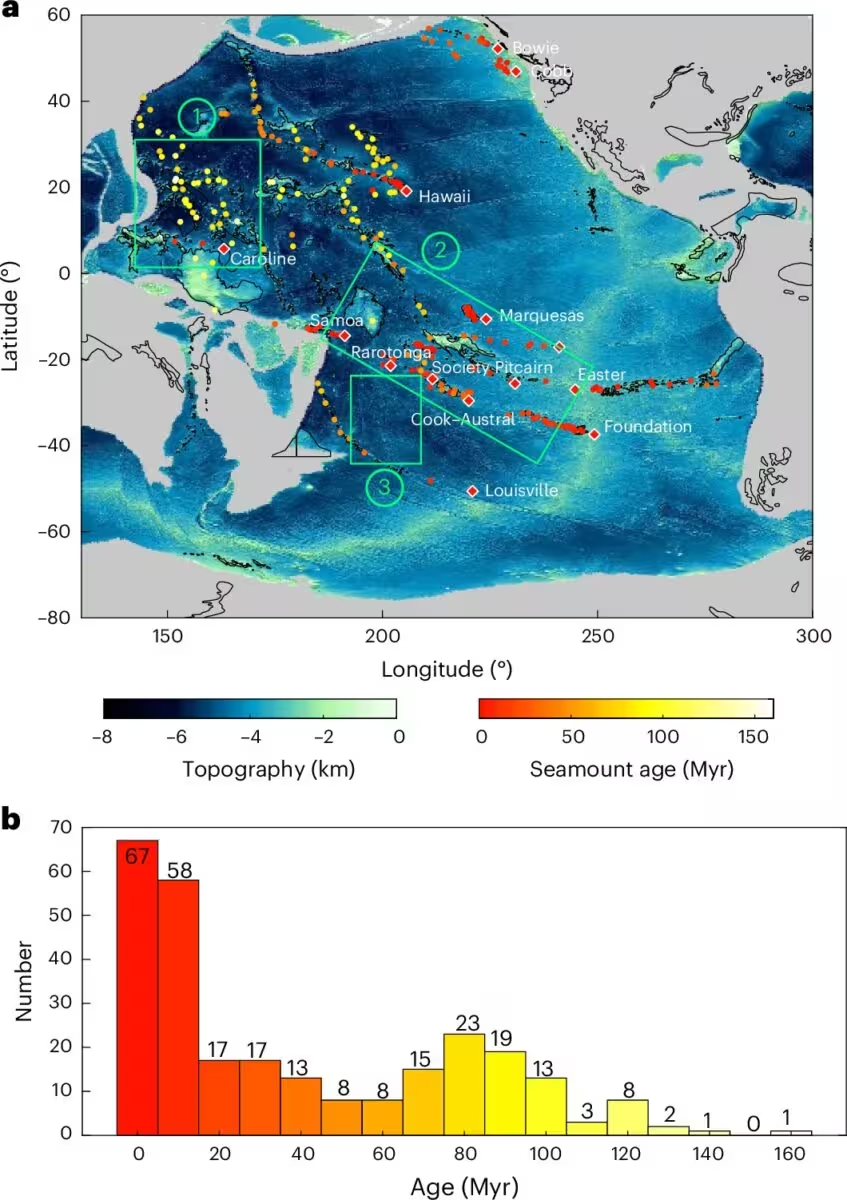
In the Western Pacific, the model highlights extensive asthenospheric thermal anomalies—broad zones of elevated temperature that develop as plume‑derived heat accumulates beneath shifting plates. These hot regions align closely with clusters of isolated seamounts, suggesting that volcanic activity can arise from diffuse mantle heating rather than a single, focused plume.
The authors describe these areas as “seamount brewing zones,” where sustained heat increases the probability of eruptions at multiple points across a region, breaking the expectation of linear volcanic chains.
“Most Cretaceous seamounts in the Pacific Ocean formed above major plume heads ponding beneath the young oceanic plate, where the resulting hot zones fuelled widespread intraplate volcanism without age progression,” the authors noted.
Fragmented Plumes and Long‑Lived Thermal Anomalies
The simulations also reveal that mantle plumes can fragment during ascent, either near their deep source or within the transition zone. This splitting generates secondary upwellings, accounting for the numerous solitary volcanoes that lack a clear alignment with any major chain.
A further insight concerns the durability of asthenospheric heat. The model shows that thermal anomalies persist for extended periods, drifting slowly with mantle flow. Moreover, a direct correlation emerges between anomaly temperature and seamount stature: hotter zones tend to support taller volcanic structures.
Together, these findings broaden the view of how Earth’s interior shapes the seafloor’s volcanic architecture, indicating that both expansive hot zones and fragmented plume activity play pivotal roles in generating the planet’s abundant underwater mountains.
This article has been fact checked for accuracy, with information verified against reputable sources. Learn more about us and our editorial process.
Last reviewed on .
Article history
- Latest version
Reference(s)
- Dong, Hao. “Deep mantle plume origin of oceanic intraplate volcanism - Nature Geoscience.”, June 10, 2026, pp. 1-9. Nature, doi: 10.1038/s41561-026-02006-0. <https://www.nature.com/articles/s41561-026-02006-0>.
- “Lijun Liu.” <https://scholar.google.com/citations?user=1TrdAXAAAAAJ&hl=en>.
Cite this page:
- Posted by Divya Iyer