SpaceX’s New Starship V3 Faces FAA Grounding After Critical Booster Failure
SpaceX’s Starship V3 hits key milestones on Flight 12, yet a booster return failure sparks an FAA probe and pauses all upcoming launches
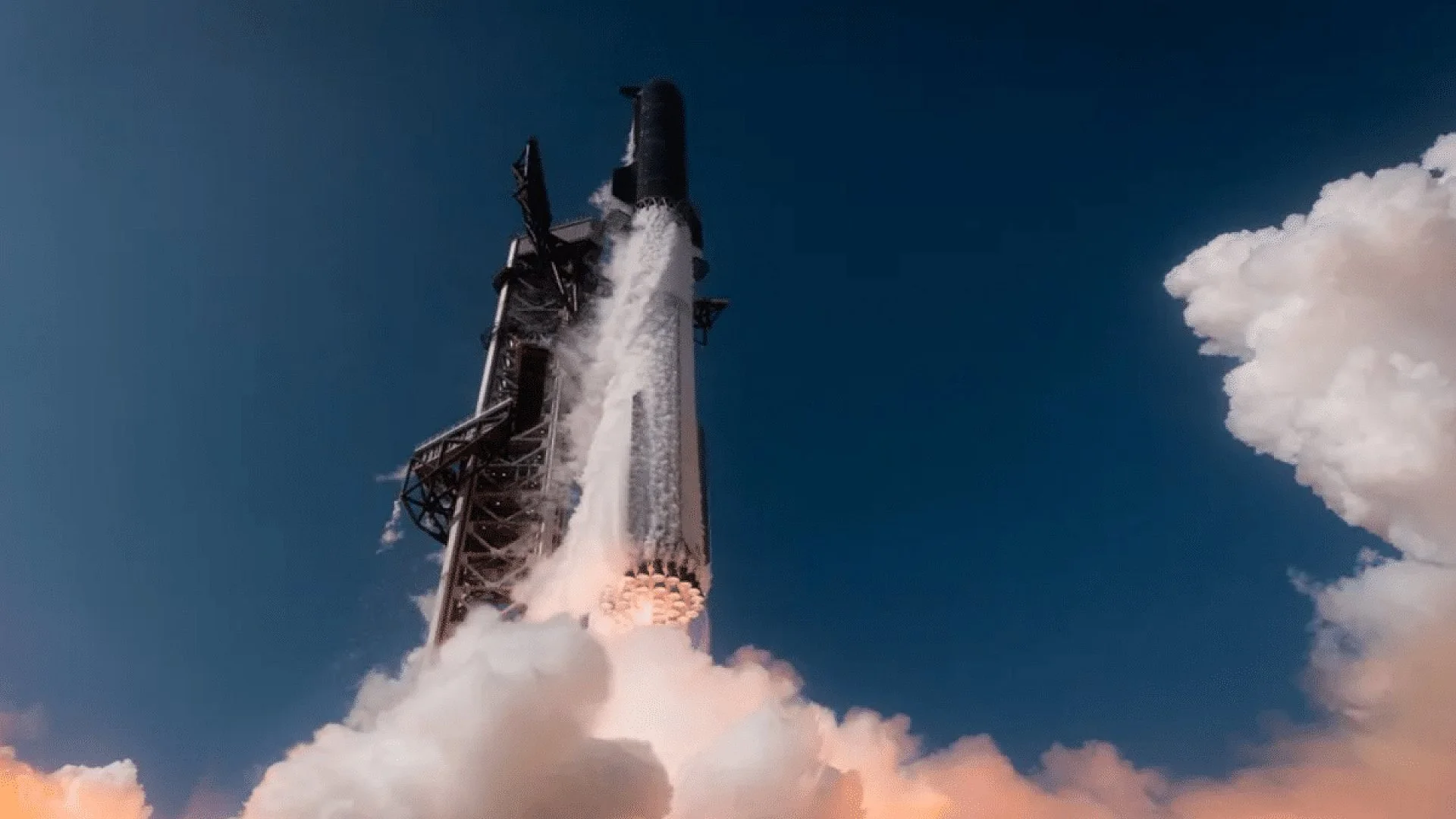
A few days after SpaceX’s highly anticipated Starship Version 3 lifted off for its inaugural flight, the Federal Aviation Administration (FAA) classified the May 22 test as a mishap and ordered a temporary grounding while a full investigation proceeds. The pause arrives at a critical juncture, as SpaceX relies on the upgraded vehicle to support upcoming Starlink launches, NASA‑backed lunar missions, and its long‑term vision of crewed travel to Mars.
Flight 12 Showcased Key Achievements Prior to Booster Issue
Although the regulatory setback now looms over the program, Flight 12 delivered a substantial portion of its intended flight profile, marking one of the most advanced demonstrations of the Starship architecture to date. The V3 upper stage carried a payload that included twenty Starlink satellite simulators and two specially modified Starlink units intended to record imagery of the mission in flight. The upgraded V3 successfully completed most of its scheduled tasks, reaching objectives that SpaceX has been refining for years.
Lift‑off proceeded as planned, with the massive Super Heavy booster propelling Starship from the Texas coast onto its designated trajectory. Stage separation over the Gulf of Mexico unfolded without incident, clearing a crucial mission phase. The upper stage continued its ascent despite losing one of its six Raptor engines, an event that highlighted the vehicle’s ability to sustain operations after a failure. The spacecraft proceeded to deploy its payload and maintained its flight path for the majority of the mission. Approximately an hour after launch, the upper stage performed a controlled splashdown in the Indian Ocean, where it tipped and fragmented as expected for this test configuration, providing valuable performance data for the V3 design.
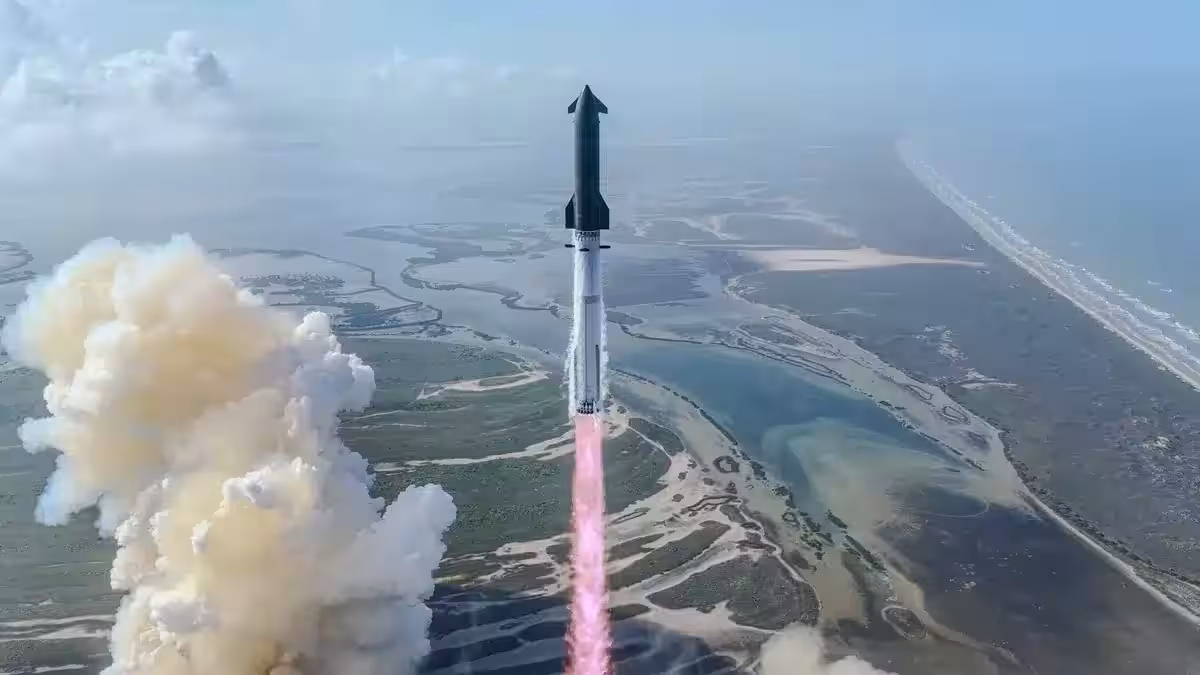
Credit: SpaceX
Booster’s Unsuccessful Return Altered Mission Outcome
The narrative shifted dramatically during the return phase of the Super Heavy booster. After separation, the booster was supposed to execute a series of maneuvers that would guide it back to a designated landing zone, a cornerstone of SpaceX’s strategy for rapid rocket reusability.
SpaceX explained that complications emerged shortly after the return sequence began. “Following stage separation, the Super Heavy booster performed a directional flip maneuver and attempted its boostback burn,” the company noted. “It was unable to light all planned engines and performed a partial boostback burn that ended early.” SpaceX says.
The truncated burn altered the booster’s trajectory, causing it to lose control during its descent toward the Gulf of Mexico. Available reports indicate the vehicle began tumbling after encountering engine‑related problems, ultimately impacting the water and being destroyed. No injuries or property damage were reported, but the failure occurred during a critical segment of flight for one of the most powerful launch systems ever built, prompting heightened regulatory scrutiny.
FAA Suspends Starship Flights Until Corrections Are Implemented
The FAA has stipulated that no further Starship launches may proceed until the investigation concludes and safety concerns are resolved. The agency will oversee the inquiry while SpaceX conducts its internal technical review of the mishap.
Under standard protocol, SpaceX must identify the root cause, document the event sequence, pinpoint contributing factors, and propose corrective actions. The FAA will then assess those findings to determine whether the proposed mitigations adequately reduce risk to the public.
This process mirrors previous Starship investigations, which have led to extensive reviews and multiple corrective steps before launch licenses were reinstated. Even if SpaceX determines the failure’s origin swiftly, the company will still need to secure regulatory approval before a subsequent flight, potentially delaying Flight 13 by weeks or months depending on the complexity of required modifications.
This article has been fact checked for accuracy, with information verified against reputable sources. Learn more about us and our editorial process.
Last reviewed on .
Article history
- Latest version
Reference(s)
- “SpaceX.” SpaceX <https://www.spacex.com/launches/starship-flight-12?channel=MSN>.
- “FAA General Statements.” <https://www.faa.gov/newsroom/statements/general-statements>.
Cite this page:
- Posted by Divya Iyer