DNA From 6,000 Year Old Colombian Skeletons Reveals A Lost Human Lineage That Simply Vanished
DNA from seven individuals who lived 6,000 years ago reveals a mysterious ancient lineage that seemingly vanished from the historical record.
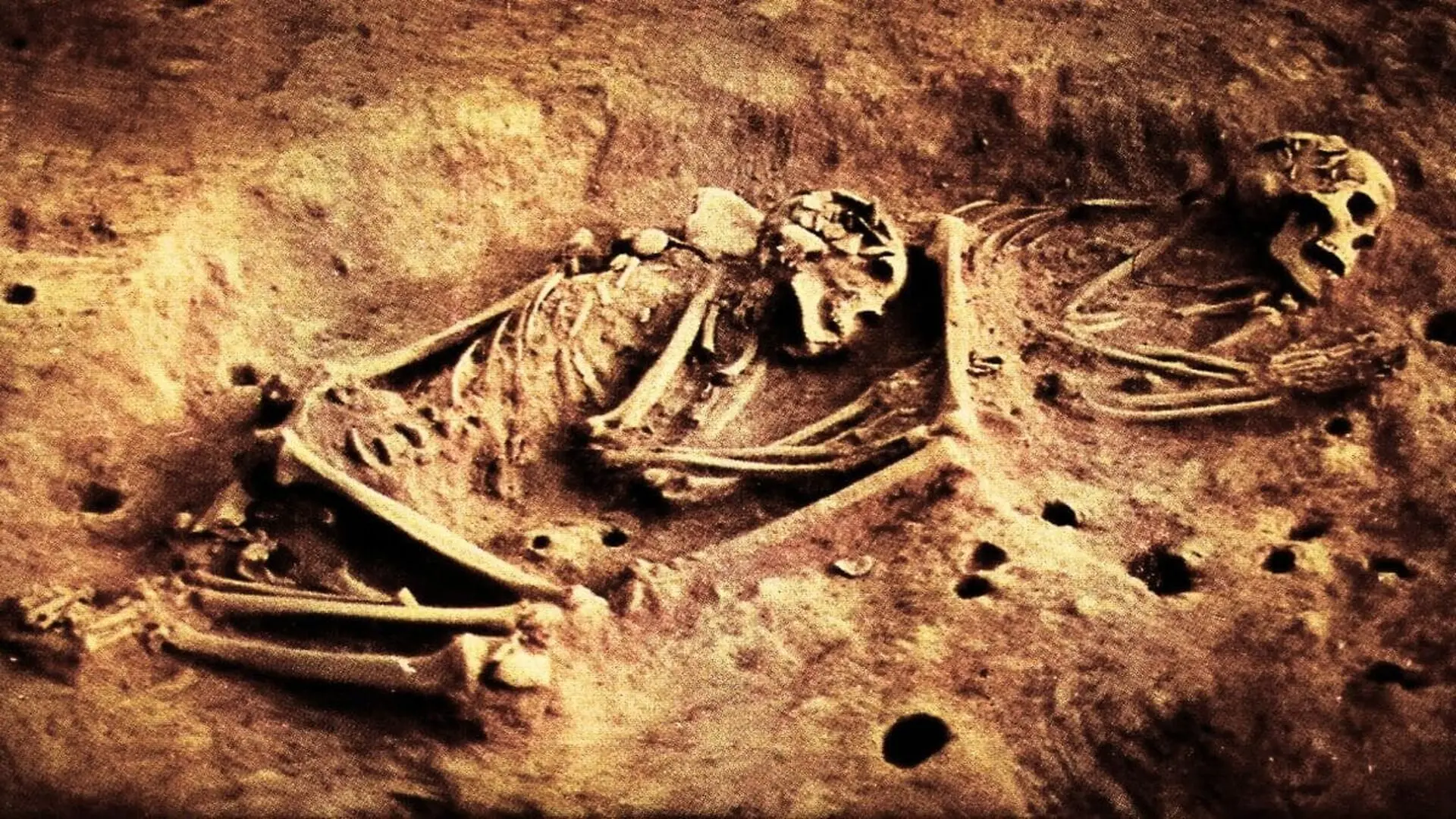
Archaeologists working on the high-altitude plains of Colombia have uncovered a genetic mystery that challenges our understanding of early human migration in South America. The discovery centers on the remains of seven hunter-gatherers unearthed at the Checua site, located roughly 3,000 meters above sea level near Bogotá. These individuals, who lived approximately 6,000 years ago, have provided researchers with the first ancient human genomes ever sequenced from the region.
The findings, however, took an unexpected turn when scientists attempted to trace the genetic legacy of the Checua population. The team discovered that this specific lineage is entirely absent from both the later inhabitants of the region and contemporary South American populations. As senior author and paleogeneticist Cosimo Posth of the University of Tübingen explained, the genetic signature of these early hunter-gatherers simply vanished from the historical record.
A Genetic Dead End at the Gateway to a Continent
Colombia has long been viewed as the northern portal through which humans first entered South America. Because of its position, researchers expected to find evidence of the founding populations that eventually diversified across the continent. Instead, the Checua individuals appear to represent a distinct group that left no lasting genetic footprint. “We couldn’t find descendants of these early hunter-gatherers of the Colombian high plains,” lead author Kim-Louise Krettek noted in a formal statement. “The genes were not passed on.”
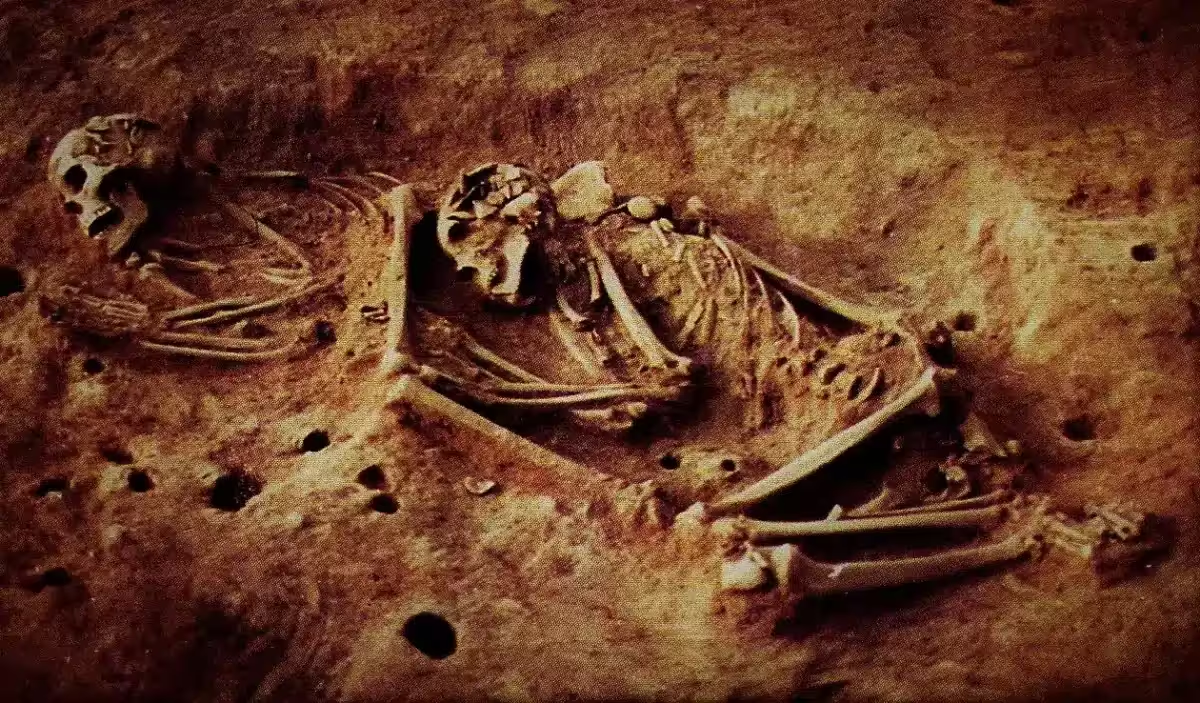
The study, which analyzed 21 individuals from five different sites on the Altiplano, highlights a striking contrast. While most of South America exhibits significant genetic continuity over millennia, the Colombian high plains underwent a near-total population turnover. Outside experts, including archaeologist Andre Luiz Campelo dos Santos of Florida Atlantic University, expressed surprise at the findings, noting that the existence of a lineage that leaves no trace in later populations is highly unusual for the region.
The Arrival of New Populations
Following the disappearance of the Checua lineage, the genetic makeup of the Altiplano residents shifted dramatically. Genomic data from remains dating to the Herrera period, roughly 2,000 years ago, reveal a strong affinity to populations originating in Central America. This ancestral signature persists in later groups, including those associated with the Muisca culture, who occupied the region until the arrival of Europeans roughly 500 years ago.
Researchers suggest this influx of new groups was not merely a genetic event but a cultural one. Andrea Casas-Vargas, a geneticist at the Universidad Nacional de Colombia, believes these newcomers likely introduced significant advancements, such as new ceramic technologies and the expansion of the Chibchan language family, which still maintains roots in Central America today.
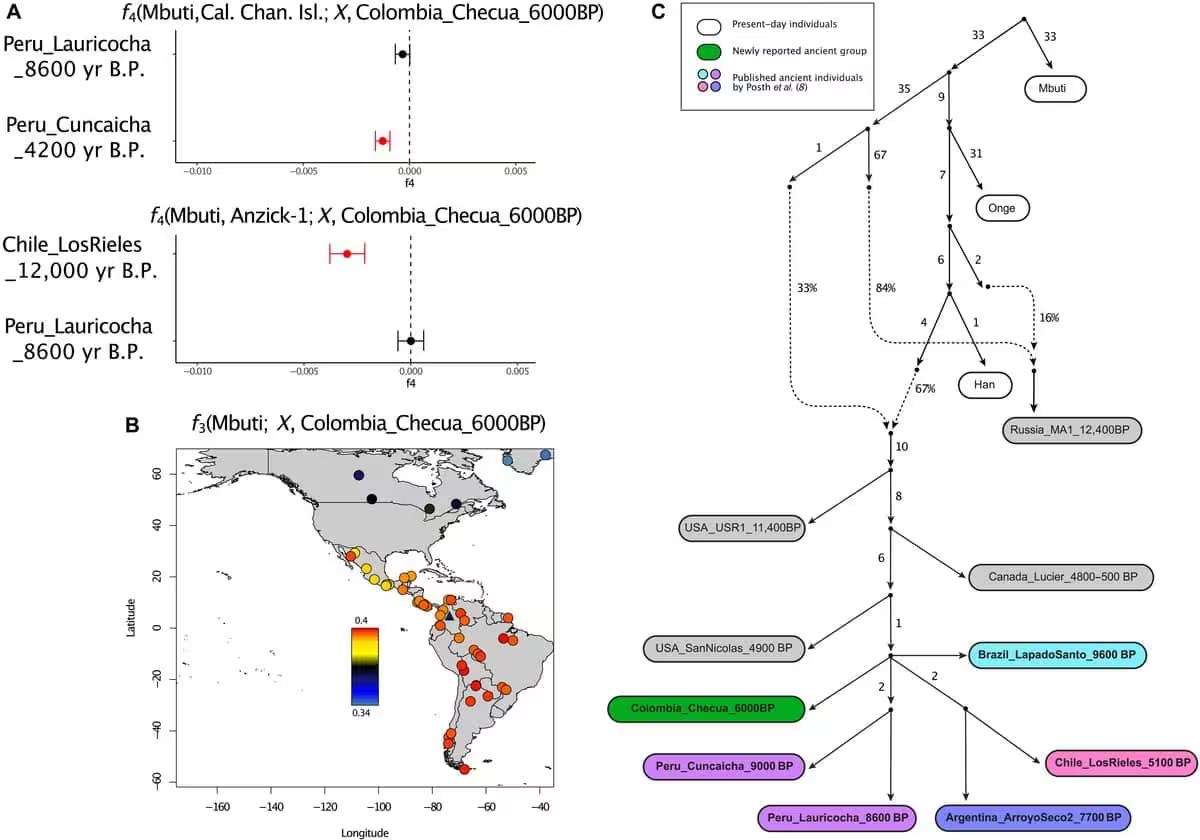
Despite the clarity of the genetic evidence, the fate of the Checua people remains an open question. Whether they were displaced by migrating groups, succumbed to environmental pressures, or were absorbed into larger populations to the point where their specific markers were diluted, remains unknown. For now, the researchers are focused on expanding their search, hoping that further excavations will eventually reveal the missing chapters of this ancient population’s story.
This article has been fact checked for accuracy, with information verified against reputable sources. Learn more about us and our editorial process.
Last reviewed on .
Article history
- Latest version
- Posted by Vikram Desai