Divers Are Hunting For England’s Lost Atlantis Off The Norfolk Coast
Divers exploring a medieval town lost to the North Sea 600 years ago have discovered a clue that could rewrite local legends about the sunken settlement.
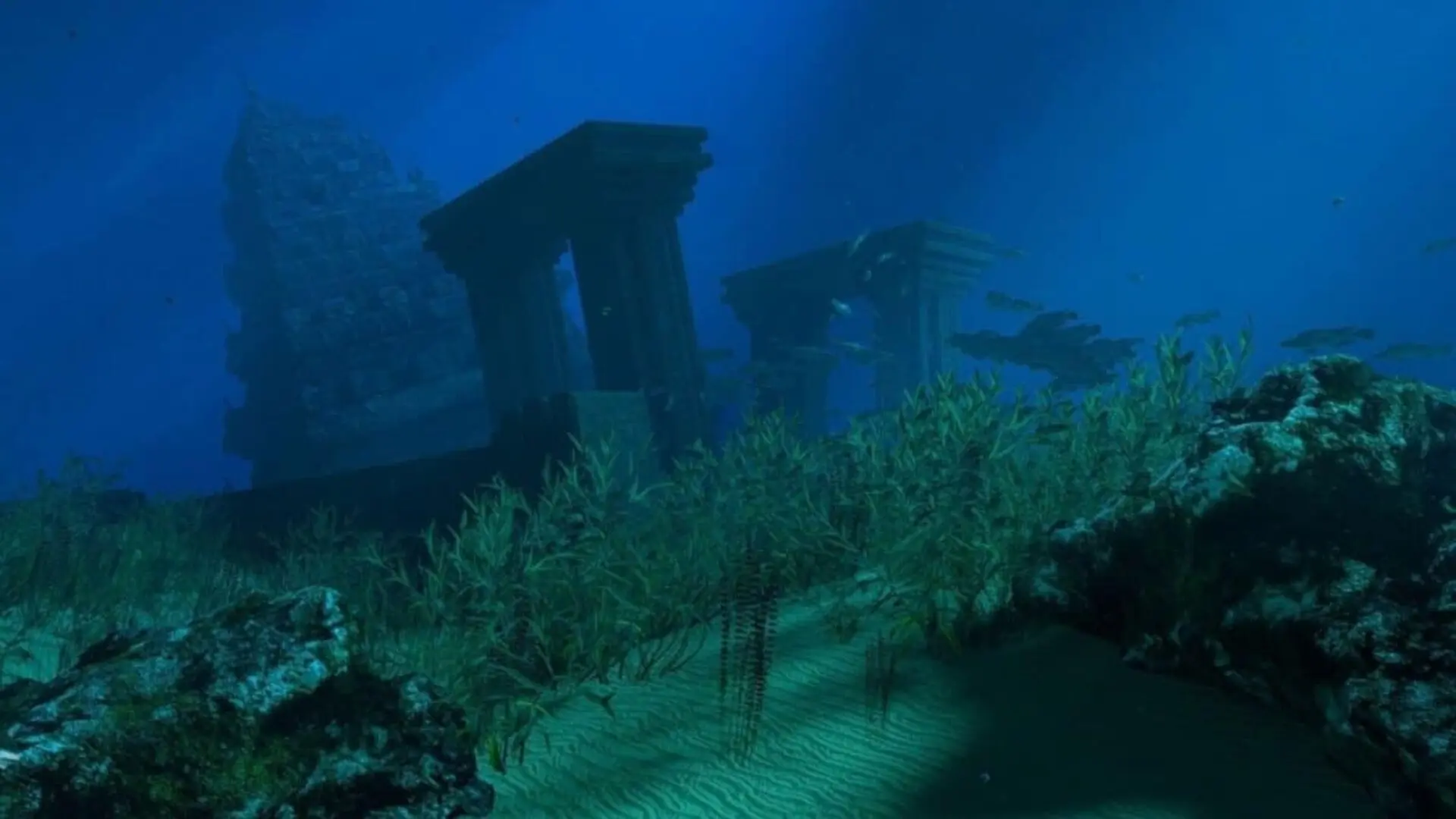
Deep beneath the waters off the Norfolk coast near Cromer, a dedicated team of researchers is scouring the seabed in pursuit of a ghost. They are hunting for the remains of Shipden, a medieval settlement lost to the encroaching North Sea centuries ago. While the team has successfully mapped 25 distinct man-made structures located approximately 1,300 feet from the shoreline, the primary objective—the ruins of the town’s legendary lost church—remains elusive.
The quest to uncover Shipden represents a collision between historical record and local myth. Coastal erosion has radically altered the geography of eastern England over the centuries, turning what was once bustling dry land into the depths of the North Sea. As noted by the North Norfolk District Council, Shipden is frequently described as the region’s very own Atlantis, a lost parish reclaimed by the waves just a short distance from the modern landmark of Cromer Pier.
Evidence from the Domesday Book
Historical documentation paints a picture of a thriving community rather than a minor outpost. The Domesday Book of 1086 details a significant settlement populated by 117 residents, supported by a functioning harbor, multiple manor houses, and 36 pigs. Crucially, the records reveal that medieval Cromer was divided into two parishes: Shipden-juxta-Felbrigg, which persisted as the modern town, and Shipden-juxta-Mare, or “Shipden by the sea.”
The latter parish centered on St. Peter’s Church, which became the first victim of the region’s changing climate. Already damaged by the sea in 1317, the structure was entirely submerged by the year 1400. This period saw a convergence of rising sea levels, which peaked around 1380, and persistent storm surges that gradually dismantled the coastal landscape.
Challenging Local Folklore
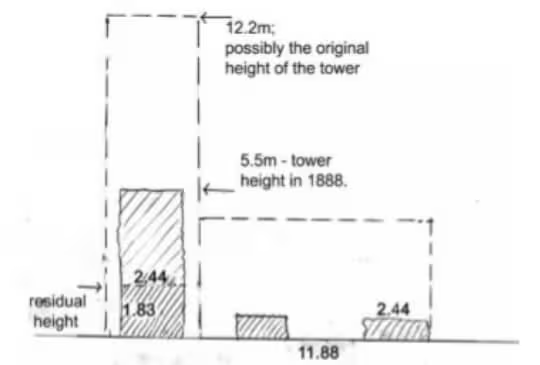
For generations, the residents of Cromer have maintained a story centered on “Church Rock,” a seafloor formation long believed to be the remains of the St. Peter’s tower. According to local lore, the bell of the drowned church could still be heard tolling beneath the surf.
Modern survey work is now testing the validity of this romantic tradition. Peter Stibbons, director of the research project and chairman of the Friends of Cromer Museum, told the BBC that the team is working to reconcile long-standing oral histories with physical evidence. He emphasizes that the project is currently in the stage of evaluating possibilities rather than declaring definitive conclusions.
The Legacy of a 19th-Century Incident
The search is further complicated by an event in August 1888, when the steam paddle tug *Victoria* struck a submerged obstacle off the coast. Following the rescue of all passengers, the hazard was cleared using explosives. Researchers believe this detonation may have scattered the archaeological remains, potentially explaining why divers consistently find piles of loose flint rather than intact architectural walls.
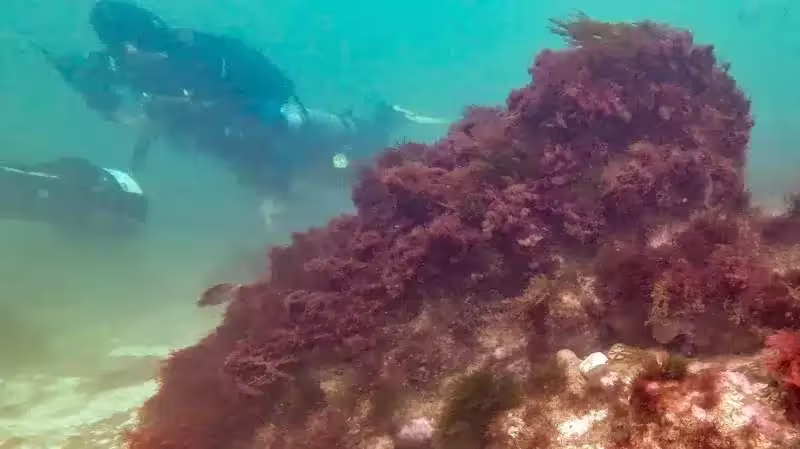
While the current season of exploration has concluded, the Alfred Savin Project has already identified a flint wall that may have once served as a defensive structure against the sea. As the team prepares for future dives, they continue to piece together the submerged puzzle of a town lost to the tides.
This article has been fact checked for accuracy, with information verified against reputable sources. Learn more about us and our editorial process.
Last reviewed on .
Article history
- Latest version
Reference(s)
- “Shipden 2021.” <https://www.north-norfolk.gov.uk/media/6890/shipden-2021.pdf>.
- “Home | Domesday Book.” <https://opendomesday.org/>.
- “Divers explore mysteries of Norfolk's 14th Century lost town.”, September 13, 2026 <https://www.bbc.com/news/articles/cwyzlzw234no>.
- “Alfred Savin and the Fossil Collectors of Cromer: The Friends of Cromer Museum.” <https://www.cromer-savin.co.uk/>.
Cite this page:
- Posted by Vikram Desai