New Star Activity Catalog Could Sharpen NASA’s Search for Earth‑Like Planets
A new stellar activity catalog aids NASA’s Habitable Worlds Observatory in pinpointing top targets and boosting the hunt for Earth‑like planets.
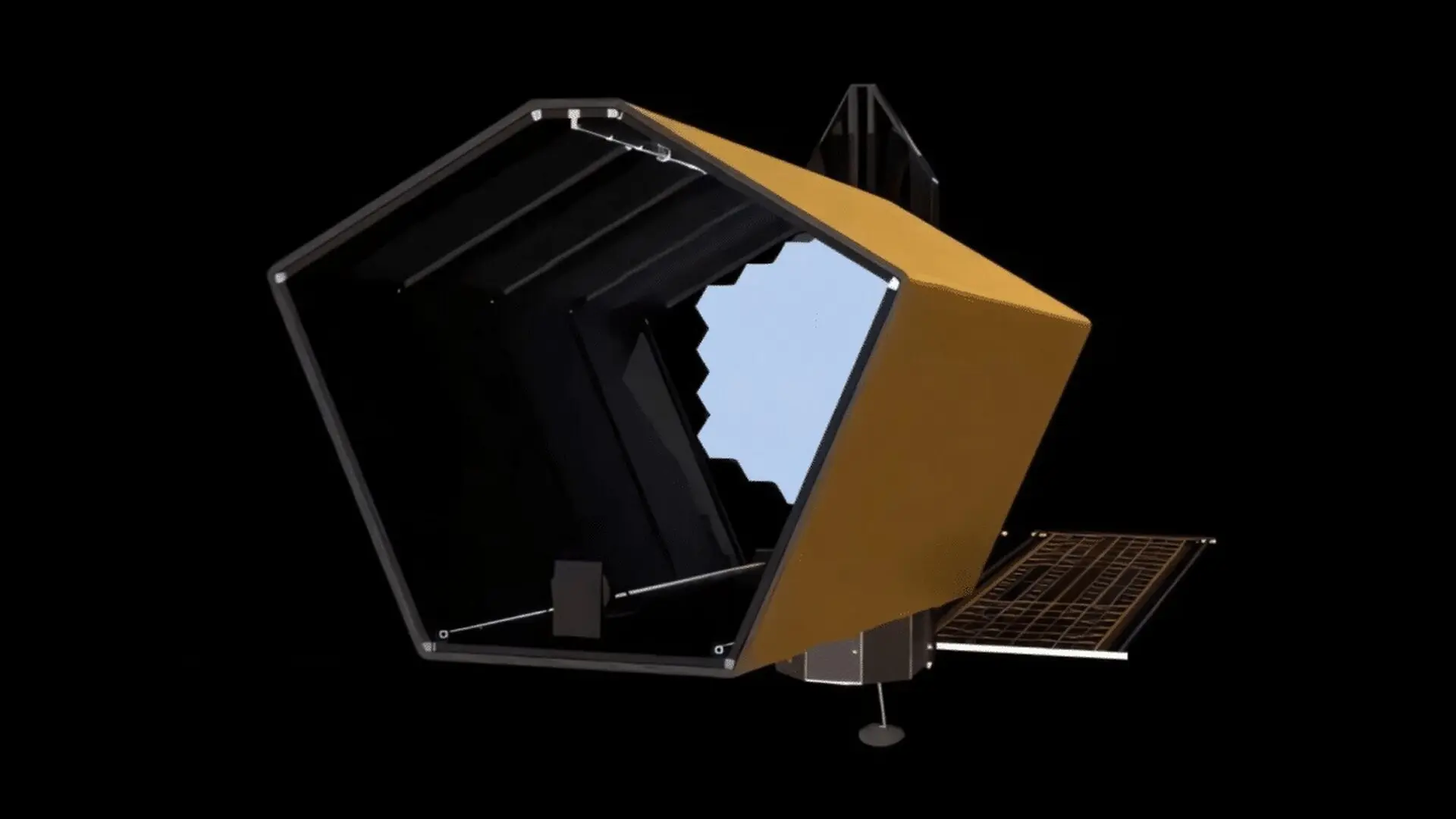
Understanding stellar activity is becoming as critical as locating new worlds in the quest for Earth analogs. A recent arXiv preprint presents a detailed catalog of stellar magnetic behavior and rotation aimed at sharpening the target list for NASA’s upcoming Habitable Worlds Observatory, a flagship mission slated to directly image potentially habitable Earth-sized exoplanets in the 2040s. The compilation offers a systematic approach for picking the most suitable stars while cutting down one of the largest uncertainties for future observations.
Why Stellar Variability Is More Crucial Than Ever
Identifying an Earth‑sized planet within a star’s habitable zone marks only the first step. Even when a world orbits at a distance that permits liquid water, the host star’s activity—flares, magnetic cycles, starspots, and rotation—can reshape the planet’s environment and confound the signals that telescopes collect. As the Habitable Worlds Observatory draws nearer, astronomers are prioritizing stars whose activity is well characterized. To address this, an international team synthesized decades of published measurements on magnetic behavior and rotation for nearby stars.
The outcome is the Activity and Rotation Catalog (ARC), a unified database designed to flag the most promising candidates for upcoming direct‑imaging missions. The paper, posted on arXiv, stands among the most ambitious efforts to translate stellar dynamics into a practical tool for exoplanet research. By shifting focus from planets alone to the stars that host them, the catalog underscores the necessity of stellar context for every future observation.
A Database Tailored for NASA’s Future Imaging Mission
According to Universe Today, the Habitable Worlds Observatory aims to directly capture images of Earth‑sized worlds orbiting within the habitable zones of nearby stars. Although launch is projected for the 2040s, the scientific groundwork being laid now will dictate which systems earn valuable observing time. The newly assembled Activity and Rotation Catalog consolidates measurements from a multitude of prior studies into a single, searchable resource.
The researchers report that roughly 70 percent of potential HWO target stars already have some magnetic or activity data, but long‑term magnetic cycles—analogous to the Sun’s 11‑year cycle—are documented for only about 20 percent of candidates. This shortfall highlights a key area for future monitoring, as extended stellar variability can alter planetary signal interpretation over years. By pinpointing gaps in existing knowledge, the catalog guides forthcoming observation campaigns well before the telescope is built.
How Long‑Term Stellar Cycles Influence Exoplanet Detection
The study draws attention to a frequently overlooked hurdle: stars are dynamic entities that evolve on timescales from minutes to decades. Cycles of solar‑type activity modulate brightness, magnetic fields, and high‑energy radiation, each factor shaping the environments of orbiting planets. These variations also complicate the direct imaging and spectroscopic techniques that future missions will rely on to probe planetary atmospheres. The authors summarize their motivation:
“Understanding and constraining stellar magnetic activity is important for interpreting observed planetary atmospheres with future direct imaging missions, such as the HWO. Stellar activity can mimic or hide planetary signatures, and can affect our ability to interpret spectra that includes contributions from both the star and the planet. In this work, we aimed to assess our current understanding of stellar activity and rotation in preparation for HWO and other future direct imaging missions.”
This quotation underscores why stellar physics now sits at the heart of exoplanet exploration. Disentangling planetary atmospheric signals from the ever‑changing output of their host stars will be a prerequisite for any robust detection of habitability markers.
Laying the Groundwork for the Next Era of Exoplanet Science
The ARC arrives amid vigorous debate over the scientific capabilities of the Habitable Worlds Observatory. Some teams advocate adding a high‑resolution spectrograph to deepen atmospheric analyses, while others push for enhanced astrometry to refine planetary mass estimates beyond the reach of conventional radial‑velocity methods. These conversations illustrate that mission planning extends far beyond hardware design; every choice concerning instrumentation, target prioritization, and observation strategy will shape the observatory’s capacity to uncover signs of life. By offering a clear picture of which nearby stars possess well‑characterized activity, the Activity and Rotation Catalog equips researchers to separate genuine planetary signatures from stellar noise, positioning the community for a successful launch into the HWO era.
This article has been fact checked for accuracy, with information verified against reputable sources. Learn more about us and our editorial process.
Last reviewed on .
Article history
- Latest version
Reference(s)
- Fetherolf, Tara. “HWO Target Stars and Systems: Activity and Rotation Catalog (ARC) of Potential Target Stars for the Habitable Worlds Observatory.” arXiv.org <https://arxiv.org/abs/2605.22618>.
- MSc, Laurence. “Habitable Worlds Targets in New Star Activity Catalog.”, July 1, 2026 Universe Today <https://www.universetoday.com/articles/habitable-worlds-targets-in-new-star-activity-catalog>.
Cite this page:
- Posted by Aisha Ahmed