NASA Launches Robotic Spacecraft to Rescue Swift Telescope and Test Future Satellite Servicing
NASA launches a pioneering mission to rescue the Swift telescope and showcase next‑gen robotic satellite servicing.
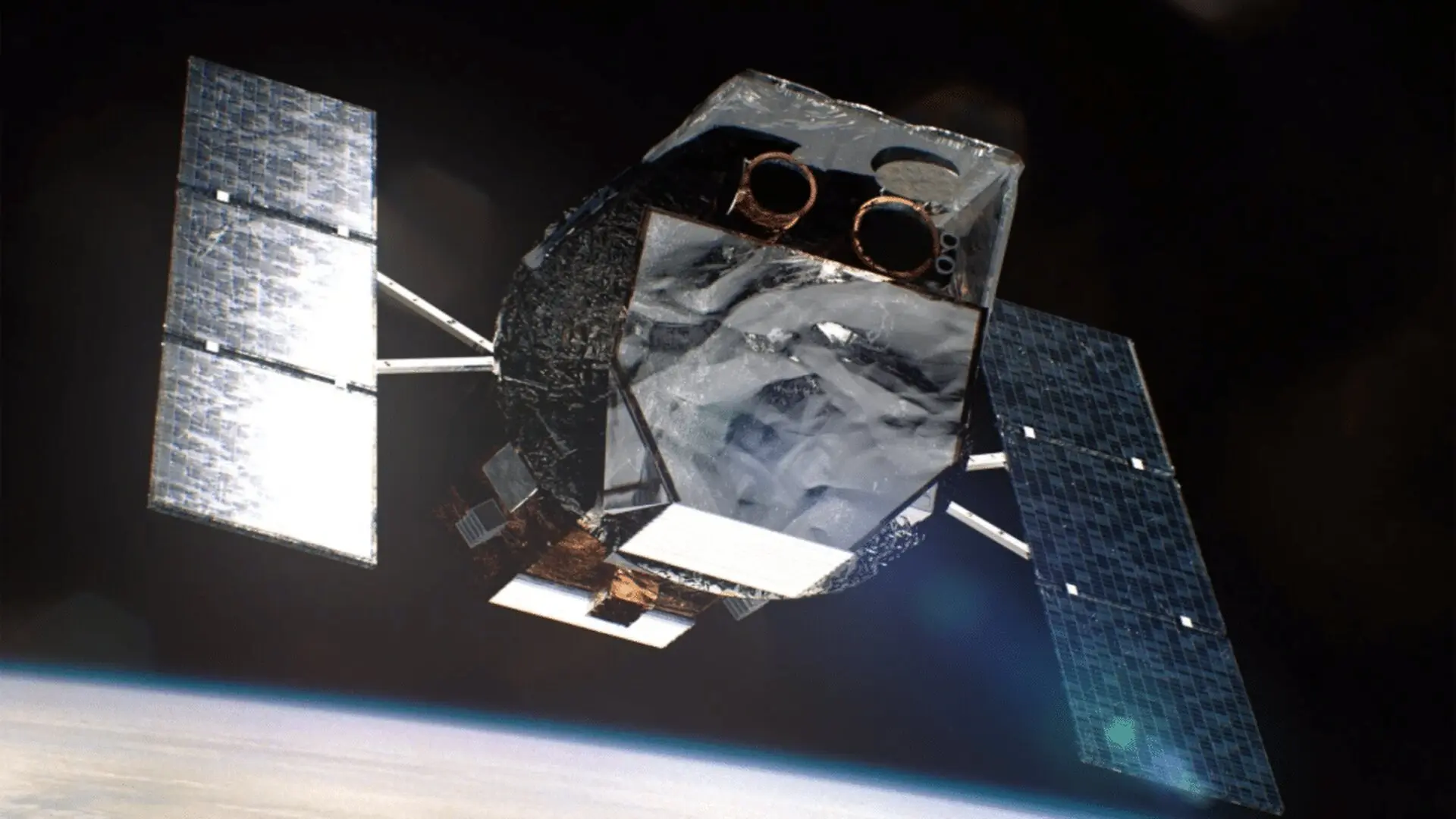
NASA has lifted off a pioneering project that could reshape how we maintain satellites while safeguarding one of the most productive space observatories. The agency says the newly deployed LINK vehicle will meet the aging Neil Gehrels Swift Observatory, grapple it, and lift it to a safer orbit before atmospheric drag eventually drags it down.
A Timely Effort to Preserve a Critical Space Telescope
For more than 20 years the Swift Observatory has been a workhorse for studying the universe’s most violent phenomena. Since its 2004 launch the platform has recorded thousands of gamma‑ray bursts, supernovae, neutron‑star collisions and black‑hole activity, providing a steady stream of high‑impact data. Even after two decades in orbit the instrument remains scientifically valuable, but its low‑inclination orbit is deteriorating under growing atmospheric drag, a problem amplified by recent solar storms.
Because Swift was never built with on‑board propulsion for orbit‑raising, NASA opted for an external rescue rather than letting the telescope burn up. The agency sees the mission as a demonstration of a service‑based approach that could become routine as satellites outlive their original designs.
Today our Pegasus XL rocket successfully launched the @KatalystSpace LINK servicing spacecraft to boost the @NASA Swift observatory. Learn more: https://t.co/cw0ltTVpNrpic.twitter.com/CSgg7oCC6p
— Northrop Grumman (@NGCNews) July 3, 2026
The LINK Servicer’s Step‑by‑Step Orbital Rescue Plan
Developed by Katalyst Space Technologies, LINK arrived on orbit aboard the final flight of Northrop Grumman’s Pegasus XL. Once in space, the robot will spend weeks conducting close‑range surveys of Swift to locate an optimal attachment point. Its three robotic arms will then secure the telescope, after which ion thrusters will gently raise both craft to roughly 600 km altitude.
NASA estimates that the lift could add several years of useful life to Swift, assuming its onboard instruments remain healthy. The operation also marks the first time a privately built vehicle will capture a non‑crewed U.S. government satellite, a milestone for the emerging commercial servicing sector.
NASA Frames the Rescue as a Blueprint for Future Space Operations
Officials at NASA stress that the Swift lift is a proof‑of‑concept for a broader shift toward on‑orbit servicing. Rather than decommissioning aging assets, agencies and commercial operators could use robotic platforms to refuel, repair, relocate or otherwise extend the useful lives of existing spacecraft, reducing debris and launch costs.
The agency’s Swift Boost page notes:
“While NASA could have allowed Swift to re-enter the atmosphere, the situation presented an opportunity to demonstrate a key capability for the future of space exploration. This daring approach also extends Swift’s scientific lifetime and is more affordable than replacing the observatory’s unique capabilities.”
The agency argues that preserving a functioning telescope costs a fraction of the expense required to design, build, launch and commission a new mission, while simultaneously validating technologies that could become standard for orbital infrastructure.
A Final Pegasus Launch Sets the Stage for Commercial Servicing
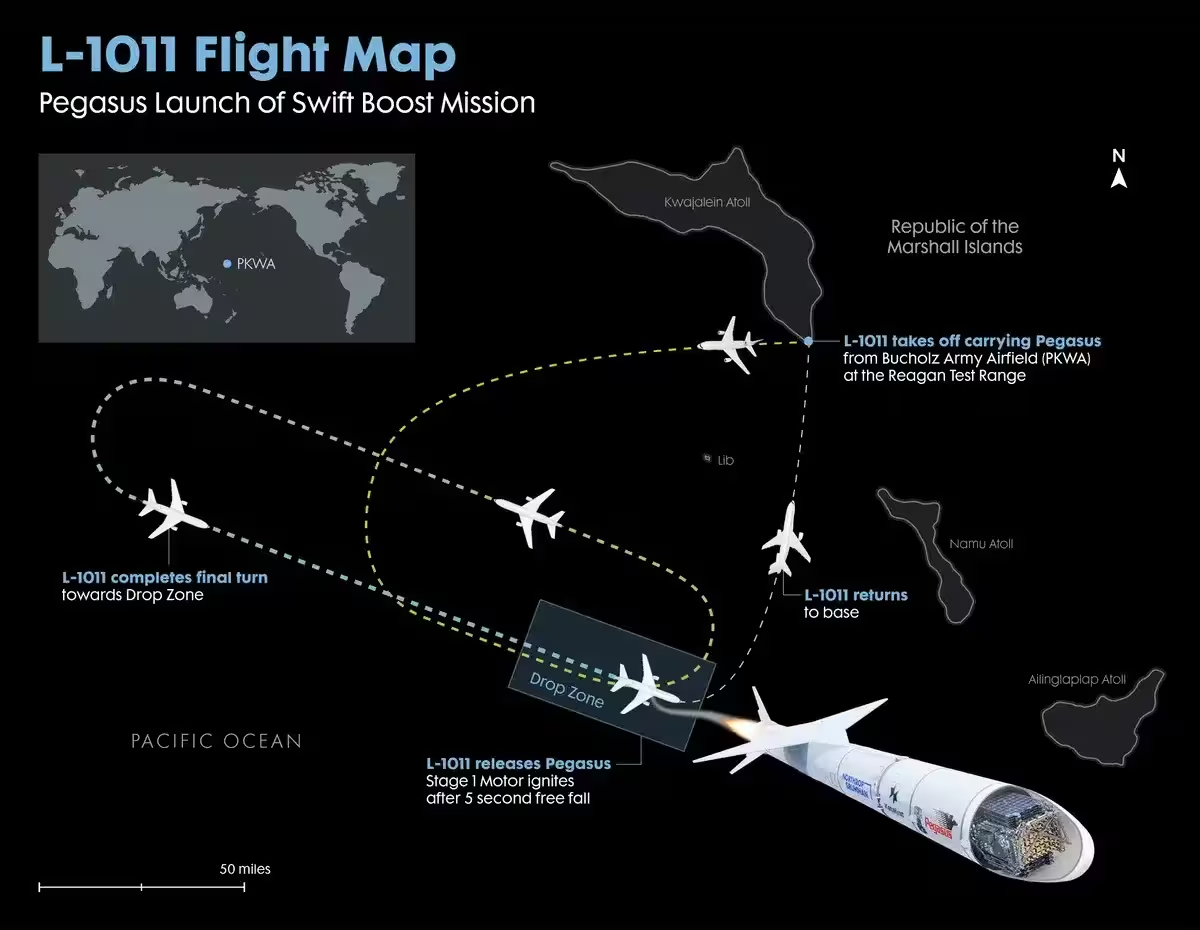
LINK’s ascent also marked the swan song for the Pegasus XL, an air‑launched rocket dropped from the L‑1011 Stargazer aircraft over the Marshall Islands. Since its debut in 1990, Pegasus has been prized for reaching orbital inclinations that are difficult for ground‑based launch sites, a capability that proved crucial for the low‑inclination Swift orbit.
Katalyst Space Technologies moved from contract award to flight readiness in under a year, delivering the service vehicle for an estimated $30 million price tag. If the capture and boost succeed, the mission will provide a repeatable template for extending the operational lifespan of scientific platforms, cutting orbital waste and reshaping satellite fleet management for the decades ahead.
This article has been fact checked for accuracy, with information verified against reputable sources. Learn more about us and our editorial process.
Last reviewed on .
Article history
- Latest version
Reference(s)
- “http://news.northropgrumman.com/spacecraft/northrop-grummans-pegasus-rocket-powers-mission-to-extend-nasas-swift-observatory?utm_source=&utm_medium=&utm_campaign=.” <https://t.co/cw0ltTVpNr>.
- “https://twitter.com/NGCNews/status/2073008755508150623/photo/1.” <https://t.co/CSgg7oCC6p>.
Cite this page:
- Posted by Karan Das