NASA And Boeing Race To Fix Starliner-1 While ISS Future Hangs In The Balance
NASA and Boeing stay committed to Starliner’s return despite lingering technical problems and an uncertain launch timeline.
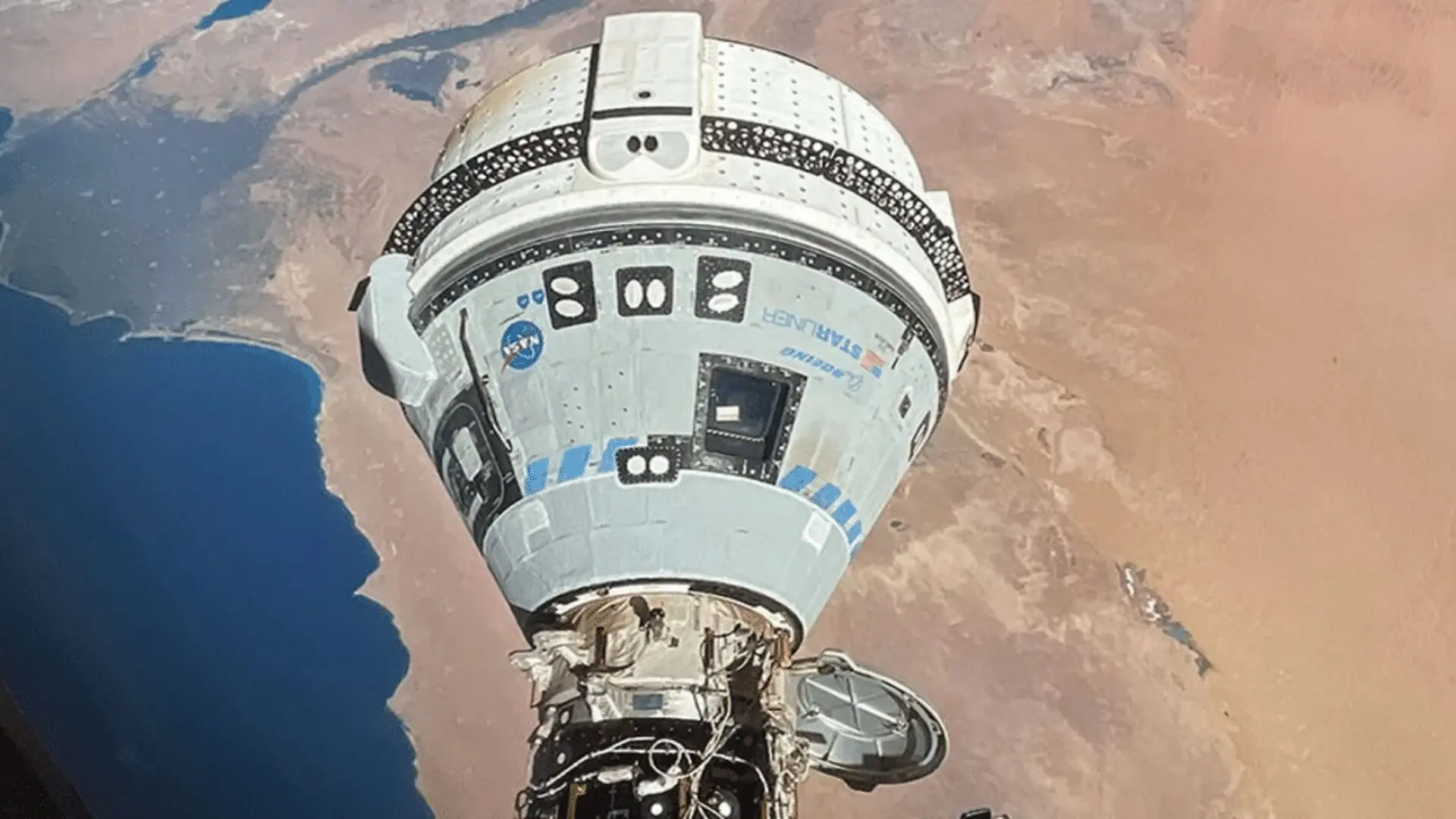
NASA and Boeing are pressing ahead with the next Starliner flight even though the launch window remains undefined and technical glitches persist. SpaceFlightNow reports that engineers are still troubleshooting propulsion system anomalies uncovered during the problematic Crew Flight Test, while agency leaders reaffirm their commitment to preserving a second U.S. crew‑transport capability for the International Space Station.
Propulsion Faults Keep Starliner Grounded
More than two years after the Crew Flight Test revealed multiple reaction‑control thruster failures as the vehicle neared the International Space Station, Boeing and NASA continue to work through the fallout. The test forced astronauts Butch Wilmore and Suni Williams to abandon the Boeing capsule in favor of a SpaceX Dragon after helium leaks and other irregularities emerged.
In a recent Aerospace Safety Advisory Panel meeting, former astronaut Kent Rominger said, “NASA and Boeing continue working toward the goal of Starliner’s crewed certification, which includes defining what is needed and acceptable for the next uncrewed mission to reduce risk and confirm readiness for crew missions. The Starliner‑1 uncrewed mission launch target is under review as work remains to close the final propulsion system issues.”
Oversight Reforms After CFT Investigation
An independent review of the Crew Flight Test pinpointed managerial lapses, gaps in systems engineering, and cultural challenges that weakened technical rigor. Rominger noted that the Commercial Crew Program governance has been overhauled to clarify roles, and a Compulsion System Delta Qualification Review Team now oversees a comprehensive qualification plan.
“The Commercial Crew Program governance model has been updated to provide clarity in roles and responsibilities during missions. Compulsion System Delta Qualification Review Team has been established to ensure a comprehensive qualification plan is in place prior to flight and the integrated Boeing and NASA teams have made good progress closing all 72 flight observations and 22 of the 28 implied anomalies from CFT.”
These changes aim to tighten accountability and improve communication among program managers, safety experts, and engineers, preventing future setbacks and addressing the lingering technical concerns that still block Starliner’s return to flight.
The same SpaceFlightNow story highlighted ongoing worries about overheating in the thruster housing structures, a final hurdle that must be cleared before the next launch attempt.
Efforts to Rebuild Confidence With Astronauts
Beyond hardware fixes, restoring trust among astronauts, managers, and safety officials has become a priority. Leadership turnover and new dialogue practices have been introduced to mend the strained relationship between Boeing and NASA teams.
Rominger cited a recent interaction at NASA’s Kennedy Space Center where Boeing Aerospace Safety chief Don Newman personally addressed the advisory panel, emphasizing his company’s dedication to a safe Starliner service.
“During a quarterly review at [NASA’s Kennedy Space Center], the chief of Boeing Aerospace Safety, Don Newman, made the effort to talk with the panel and emphasize Boeing’s commitment to NASA and Starliner. The Astronaut Office also commented that they appreciated the fact that Don reached out to them with his commitment to a safe Starliner service.”
Confidence in the vehicle and its providers is essential for crewed missions, and NASA’s continued support signals that the agency believes Boeing is making meaningful progress on both technical and cultural fronts.
ISS Funding Pressures Heighten Need for Reliable Transport
The delays surrounding Starliner unfold against an uncertain future for the International Space Station, which is projected to operate until at least 2030 but faces mounting budget and infrastructure challenges.
Retired Air Force Lieutenant General Susan Helms warned that fiscal constraints could tempt decision‑makers to trim the ISS budget, urging the panel to resist such pressures.
“Coincident with operational demands and these risk management challenges, temptation to reduce the ISS budget looms, but the panel would caution that such temptations should be disregarded as budgets decline.”
Helms added that the station’s operational margins are “now reduced to an alarming level,” underscoring the urgency for a dependable crew‑transport system to sustain continuous access during the ISS’s remaining years.
SpaceX Gains Momentum While Starliner Remains On Hold
As Boeing works through certification hurdles, SpaceX has expanded its role as NASA’s primary crew‑transport provider. Recent procurement documents acknowledge that Boeing’s schedule slips have compelled the agency to lean more heavily on Dragon missions to guarantee uninterrupted ISS access.
NASA explained, “It is necessary to award additional PCMs to SpaceX given the recently shortened ISS mission durations; technical issues and schedule delays encountered by Boeing; the allocation of missions between Boeing and SpaceX; NASA’s projections for when an alternative CTS may become available; and the ongoing technical challenges of maintaining a reliable CTS capability for crewed flights to ISS.”
The agency also stressed the importance of redundancy, stating, “Awarding additional PCMs to SpaceX is essential for NASA to fulfill its responsibility of maintaining uninterrupted flight access for ISS’s safe operation and to safeguard against potential anomalies or mishaps, and unforeseen external factors.”
These developments illustrate the current Commercial Crew landscape: SpaceX serves as the dependable workhorse for crew flights, while Boeing strives to demonstrate that Starliner can still fulfill its originally intended role before the ISS era draws to a close.
Former NASA astronaut Kent Rominger confirmed that Boeing and NASA remain fully committed to the uncrewed Starliner-1 return-to-flight mission, though the launch target is under review as teams work to resolve remaining propulsion anomalies. https://t.co/R6lRCeuF13#NASA#Space…
— Orbital Insights (@orbital_station) June 24, 2026
This article has been fact checked for accuracy, with information verified against reputable sources. Learn more about us and our editorial process.
Last reviewed on .
Article history
- Latest version
Reference(s)
- “https://spaceflightnow.com/2026/06/23/nasa-boeing-committed-to-starliner-1-launch-despite-unclear-timeline/.” <https://t.co/R6lRCeuF13>.
Cite this page:
- Posted by Karan Das