NASA Confirms First-Ever Medical Evacuation From the ISS
NASA has announced the first medical evacuation in the history of the International Space Station, ordering the early return of the Crew-11 astronauts to address a health issue that cannot be adequately diagnosed in space.
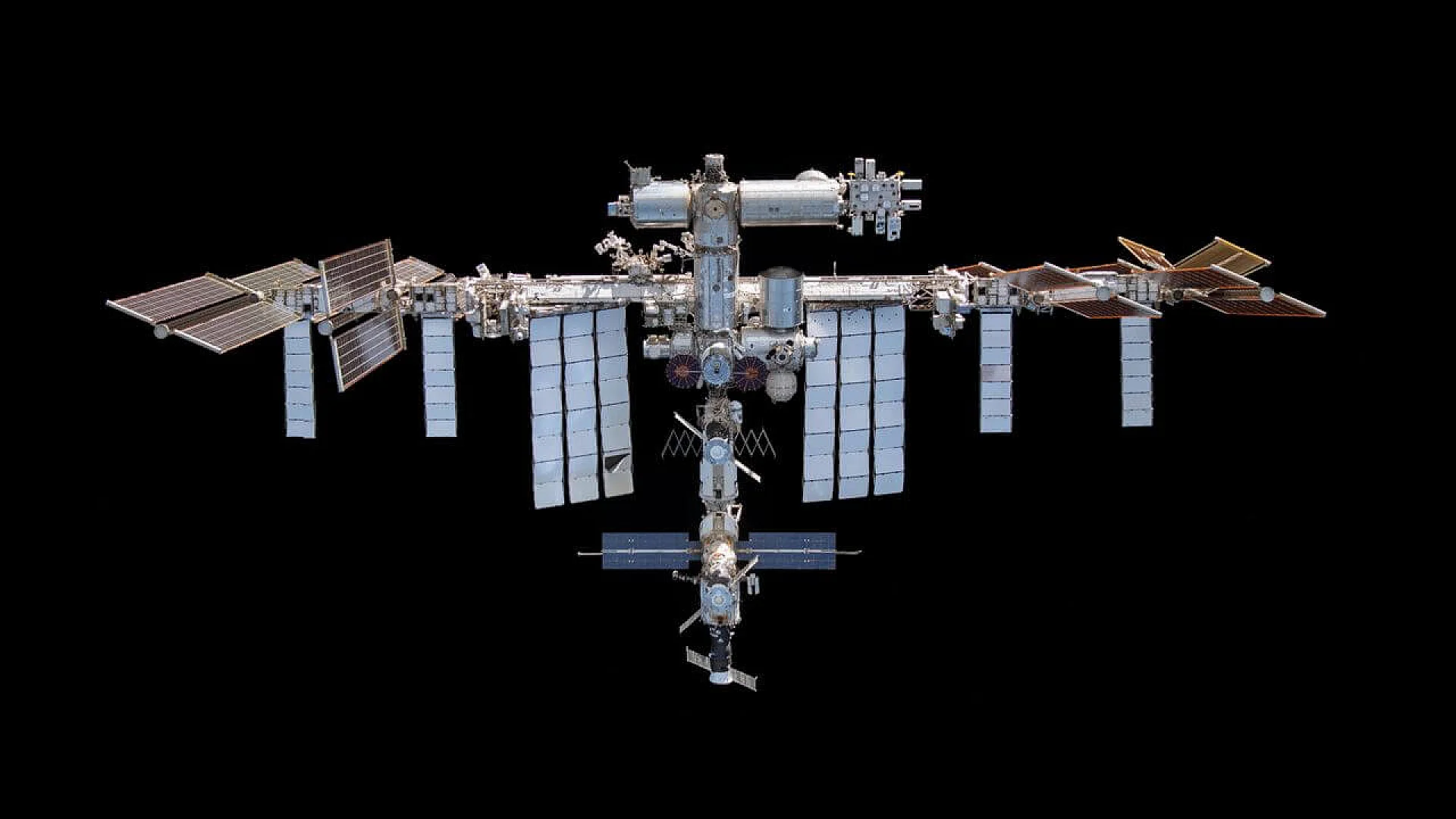
For the first time since the International Space Station began continuous operations, a medical evacuation is set to take place. NASA confirmed when this unprecedented return will occur, marking a historic moment in human spaceflight.
Late Friday, January 9, the agency announced that SpaceX’s Crew-11 mission will depart the ISS earlier than planned, with undocking scheduled for Wednesday, January 14. The four astronauts will board their Crew Dragon spacecraft and leave the orbiting laboratory at 5 p.m. Eastern Time. If conditions remain favorable, the capsule is expected to splash down in the Pacific Ocean near California during the early hours of Thursday, January 15. This timeline, however, remains dependent on weather conditions at the recovery site.
Crew-11 includes NASA astronauts Mike Fincke and Zena Cardman, Japan’s Kimiya Yui, and Roscosmos cosmonaut Oleg Platonov. The team arrived at the space station on August 2 and initially planned to remain in orbit for about six months. Their mission will now conclude earlier than expected due to a medical issue involving one of the crew members.
The situation first came to light on January 7, when NASA postponed a scheduled spacewalk involving Fincke and Cardman. At the time, officials cited a medical concern affecting an astronaut aboard the station. The following day, NASA confirmed that Crew-11 would return to Earth ahead of schedule to allow for more thorough medical evaluation and treatment. Details regarding the identity of the astronaut and the nature of the condition have not been disclosed, in line with privacy policies.
During a press briefing, NASA’s chief health and medical officer, Dr. James Polk, clarified that the issue was not linked to mission activities or any accident. According to Polk, the concern relates to health challenges that are difficult to fully assess in microgravity, given the diagnostic limitations of onboard medical equipment.
Originally, Crew-11 was expected to remain on the ISS until the arrival of SpaceX’s Crew-12 mission, currently planned for a mid-February launch. NASA is exploring the possibility of advancing that launch, but no revised date has been confirmed.
Once Crew-11 departs, only three astronauts will remain aboard the station. NASA astronaut Christopher Williams and Russian cosmonauts Sergey Kud-Sverchkov and Sergei Mikayev arrived at the ISS in late November aboard a Soyuz spacecraft. While a three-person crew is well below the station’s current standard of seven, it is not without precedent. In the early years of the ISS, a trio of astronauts was the norm until crew capacity was expanded in 2009.
The International Space Station has been continuously occupied since November 2000, making the absence of a prior medical evacuation somewhat unexpected. According to Polk, statistical models suggest that such events might be expected every few years. The upcoming Crew-11 return therefore represents not only a logistical adjustment, but also a significant milestone in the long operational history of the ISS.
This article has been fact checked for accuracy, with information verified against reputable sources. Learn more about us and our editorial process.
Last reviewed on .
Article history
- Latest version
- Last updated by Dayyal Dungrela, MLT, BSc, BS
- Peer reviewed by Dr. Arjun Patel, PhD
Reference(s)
- Garcia, Mark A.. “NASA, SpaceX Set Target Date for Crew-11’s Return to Earth.”, 09 January 2026 National Aeronautics and Space Administration <https://www.nasa.gov/blogs/spacestation/2026/01/09/nasa-spacex-set-target-date-for-crew-11s-return-to-earth>.
Cite this page:
- Posted by Aisha Ahmed