NASA Awards $600M For Three Robotic Moon Missions To Build Lunar Base By 2029
NASA is turning the Moon into its next construction site, with the first building steps already in progress.
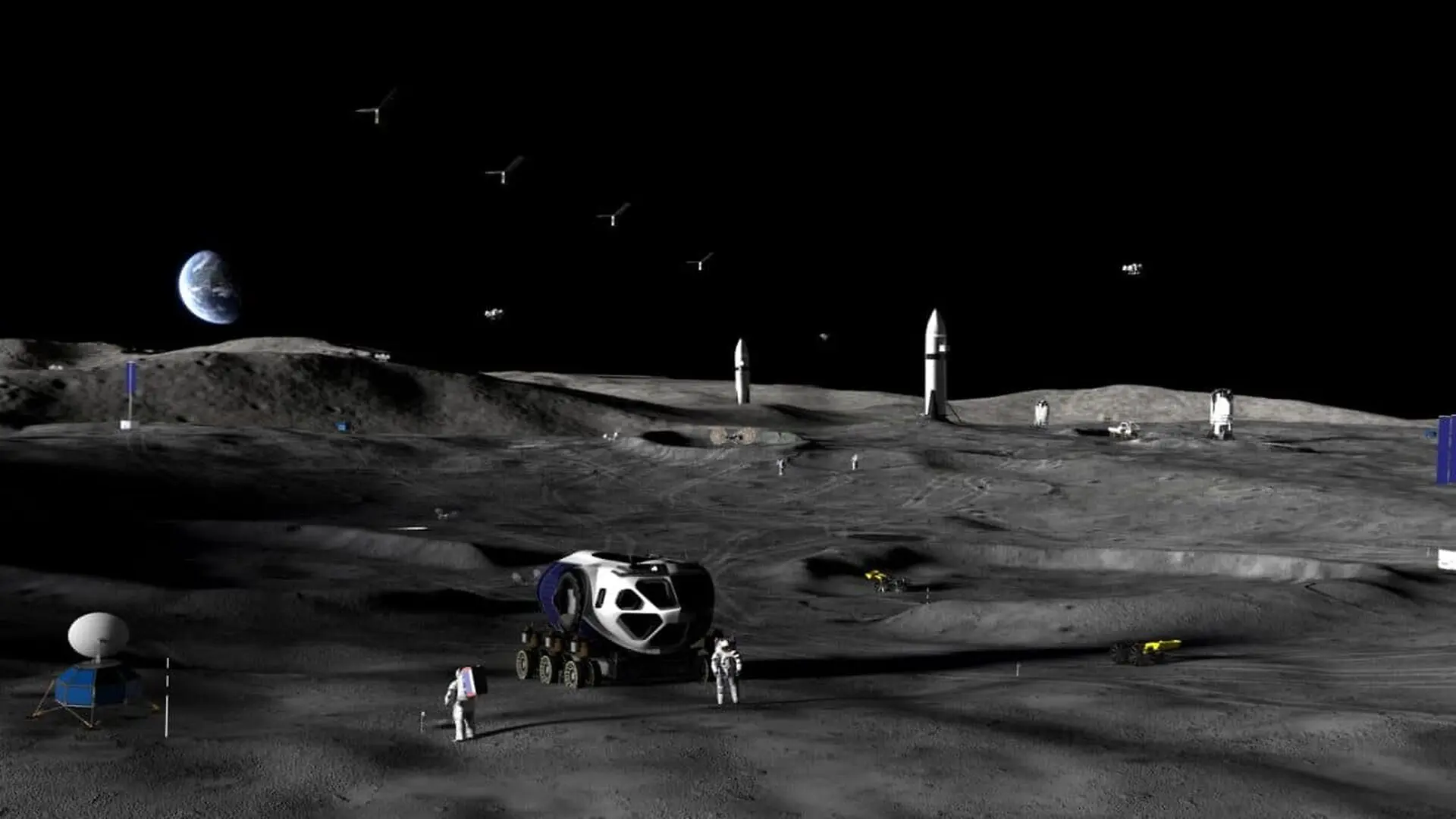
NASA announced Tuesday that it has selected three American companies to carry cargo and scientific payloads to the lunar surface, allocating almost $600 million toward the effort. The contracts are part of a broader push to lay the groundwork for a permanent presence on the Moon, using robotic missions to build the infrastructure that future astronauts will rely on.
New Commercial Partnerships Target Moon Logistics
NASA confirmed that the three awardees will deliver equipment, experiments and other essential hardware to the lunar surface. The agency’s Human Spaceflight Mission Directorate head, Lori Glaze, emphasized that the initiative is designed to accelerate the development of capabilities needed for a sustained lunar foothold.
“These new awards to our commercial partners, totaling nearly $600 million to land more missions on the Moon with science payloads, demonstrate our commitment to accelerating our effort to build a long-term presence on the lunar surface, and give us more opportunity to develop the skills we need to prosper there.”
Beyond transporting research gear, the selected firms will deploy robotic platforms that can begin assembling power, communications and other support systems ahead of crewed flights. By expanding the role of automation, NASA hopes to reduce the risk and cost of early surface operations.
Launch‑Vehicle Setback Forces Schedule Review
The announcement follows the recent explosion of Blue Origin’s New Glenn rocket, an incident that has introduced uncertainty into parts of NASA’s lunar timetable. Agency officials acknowledged that the mishap could push back certain milestones, prompting the program to explore alternative pathways.
“We’re working with Blue Origin very closely to understand their timelines to recovery and also looking at other options in case it doesn’t meet our timeline,” Carlos Garcia‑Galan, NASA’s program manager for the moon base, said during a media briefing.
Garcia‑Galan’s remarks indicate that the agency is maintaining flexibility while keeping the overall lunar architecture on track.
South‑Pole Site Set for First Human Outpost
In March, NASA shifted focus from the Gateway orbital station to a surface‑based base near the lunar south pole, earmarking roughly $20 billion for the venture. The location was chosen because of the presence of water ice in the regolith, a resource that could support life‑support systems and fuel production.
Construction of the base is slated to begin around 2029, with a series of robotic landers, rovers and aerial drones tasked with scouting terrain, mapping resources and installing critical infrastructure such as power grids and pressurized habitats. NASA also indicated that a repurposed Mars rover could be adapted for lunar work.
“The Moon Base will be built in phases. NASA will begin with robotic missions that test new technologies and explore the lunar environment, then gradually build the systems and infrastructure needed to establish humanity’s first long‑term presence on the Moon,” the agency said in a press release.
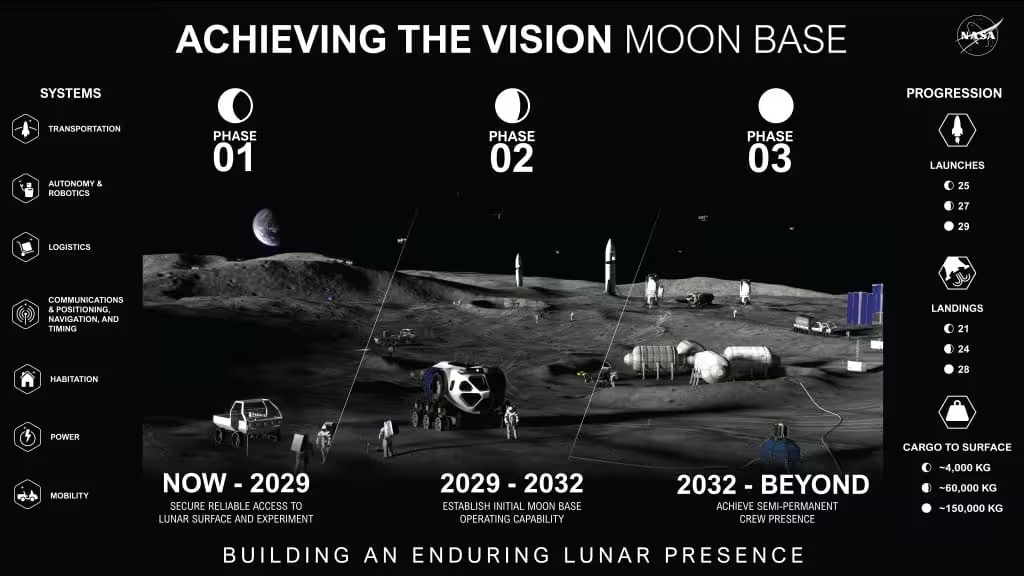
The program also underscores the United States’ strategic competition with China, which is advancing its own crewed lunar ambitions and long‑term settlement plans.
This article has been fact checked for accuracy, with information verified against reputable sources. Learn more about us and our editorial process.
Last reviewed on .
Article history
- Latest version
Reference(s)
- “NASA Awards More Moon Base Science, Previews New Opportunities - NASA.”, June 30, 2026 NASA <https://www.nasa.gov/news-release/nasa-awards-more-moon-base-science-previews-new-opportunities/>.
- “Lori Glaze - NASA.” NASA <https://www.nasa.gov/people/lori-glaze/>.
- <https://www.blueorigin.com/new-glenn>.
- “Carlos García-Galán - NASA.” NASA <https://www.nasa.gov/people/carlos-garcia-galan/>.
- “Gateway - NASA.”, March 1, 2023 NASA <https://www.nasa.gov/mission/gateway/>.
- “Moon Base - NASA.” NASA <https://www.nasa.gov/reference/moonbase-about/>.
Cite this page:
- Posted by Karan Das