From Ice-Filled Craters to Scorching Peaks: How NASA Is Preparing Humans for Life on the Lunar South Pole
NASA’s lunar South Pole base faces brutal cold, harsh terrain and abrasive dust threats
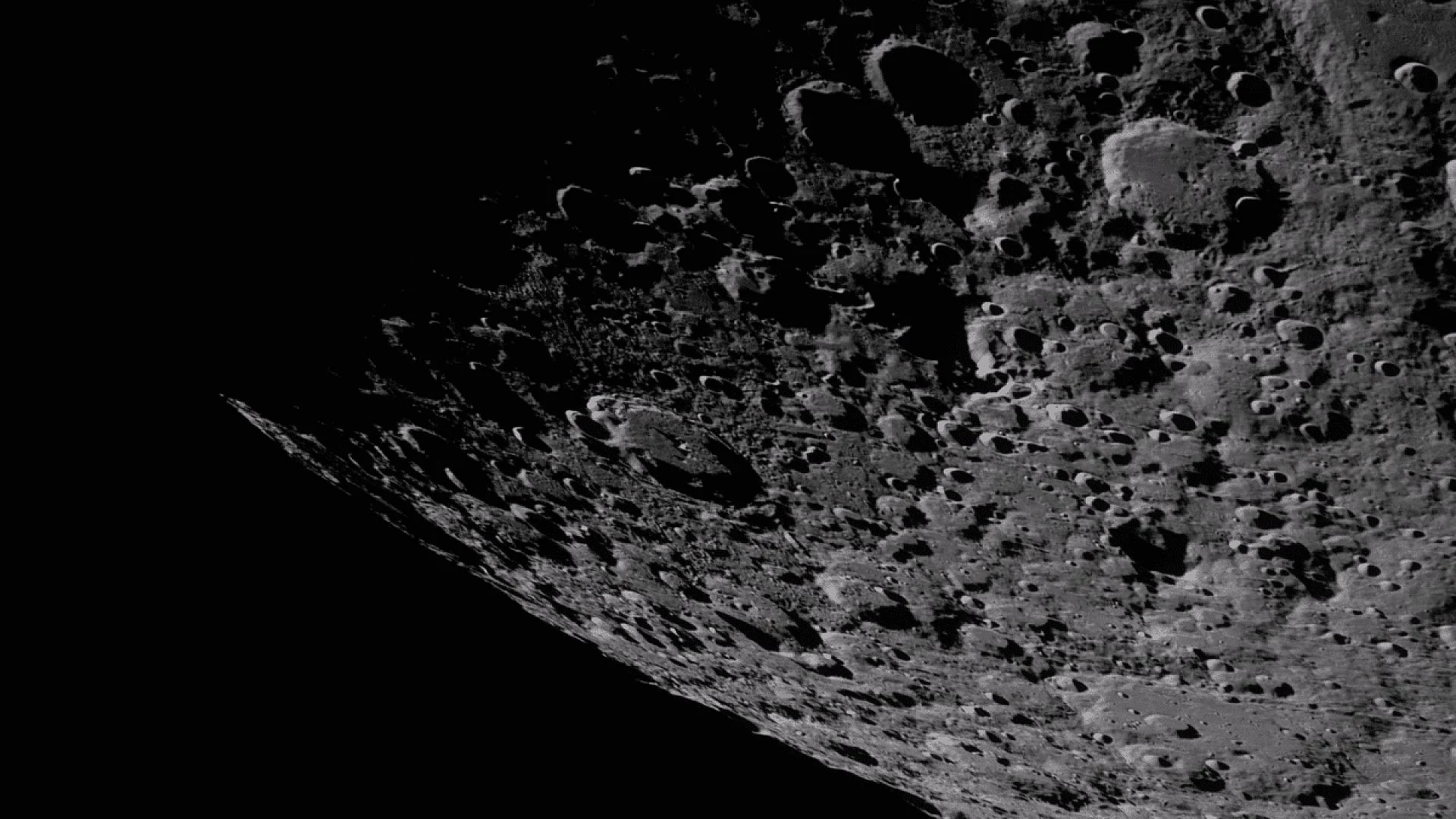
The lunar South Pole is emerging as the next major milestone for human spaceflight, yet it also poses a suite of severe environmental obstacles. NASA has earmarked this region for the forthcoming lunar outpost because of its scientific promise and strategic value for sustained exploration, but engineers and astronauts must confront challenges ranging from permanently shadowed craters to abrasive lunar regolith.
Rugged Terrain and Resource Hunting
In contrast to the relatively smooth equatorial zones visited during the Apollo missions, the South Pole is dominated by steep mountains, deep basins, and sharp inclines. Moving across this landscape demands mobility platforms that can grip uneven surfaces and descend into zones that never see sunlight, where deposits of frozen volatiles such as water ice are thought to exist. Mission planners must therefore evaluate slope angles and crater boundaries with great precision to avoid jeopardizing crew safety or equipment performance.
The topography also drives the strategy for in‑situ resource utilization (ISRU), a concept that seeks to generate water, oxygen, and propellant on the Moon rather than ferrying everything from Earth. To support ISRU, NASA and its industry partners are prototyping rugged rovers, climbing aids, and robotic manipulators capable of repeated traverses over harsh gradients while shielding delicate scientific payloads.
Lighting, Power and Temperature Extremes
The Sun’s low angle over the South Pole creates elongated shadows that disrupt solar energy collection and intensify thermal swings. Certain depressions remain in constant darkness, with temperatures plunging to minus 334 °F (minus 203 °C), while sun‑lit peaks can climb to around 130 °F (54 °C). This stark contrast demands careful management of both power generation and thermal control.
NASA highlights that shadowed zones cast by the habitat itself must be minimized, and heating systems need to preserve livable conditions for crew members and electronics throughout the frigid lunar night. Crafting hardware that tolerates these rapid temperature changes is essential for any long‑duration presence on the Moon.
The Ubiquitous Hazard of Regolith
Lunar dust, or regolith, is a pervasive threat that often goes underappreciated. Formed over billions of years by micrometeoroid impacts, these minuscule, jagged particles cling to surfaces via static charge, erode moving parts, and can infiltrate living quarters, jeopardizing both health and mission success.
To counter this, NASA and collaborators are developing a suite of mitigation measures, including advanced surface coatings, high‑efficiency filtration, and dust‑repellent materials for suits and vehicle exteriors. Robust dust management will be a deciding factor in whether humans can operate safely on the Moon for months at a time.
Blueprint for a Permanent Lunar Outpost
Establishing a lasting foothold at the Moon’s South Pole will require more than cutting‑edge technology; it will hinge on meticulous site selection, resilient infrastructure, and operational concepts tailored to extreme cold, variable illumination, abrasive soils, and steep terrain. Ongoing NASA initiatives are laying the groundwork for astronauts to live, work, and explore in one of the most demanding environments ever encountered.
Success at the South Pole will not only advance lunar science but also generate engineering lessons that will inform future missions to Mars and deeper space, cementing the region as a pivotal testbed for humanity’s long‑term space aspirations.
This article has been fact checked for accuracy, with information verified against reputable sources. Learn more about us and our editorial process.
Last reviewed on .
Article history
- Latest version
Reference(s)
- “The Harsh Environment of the Lunar South Pole - NASA.”, May 26, 2026 NASA <https://www.nasa.gov/reference/moonbase-environment/>.
Cite this page:
- Posted by Karan Das