ESA Just Launched Two New Satellites To Track The Hidden Signals Of Earth’s Changing Climate
ESA has launched two new satellites to enhance global monitoring of Earth’s ecosystems, oceans, and climate systems, providing vital data for our planet.
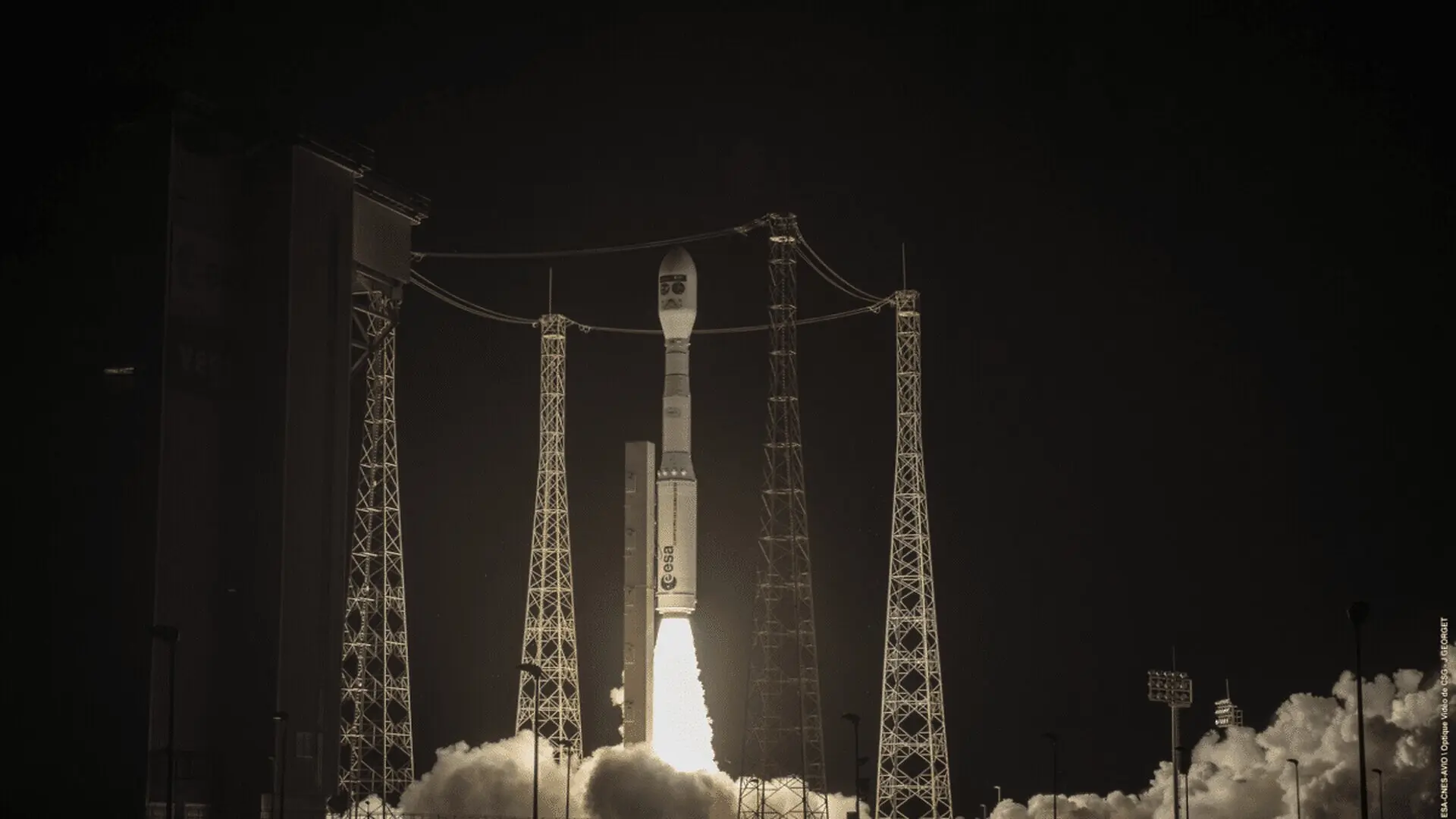
The European Space Agency (ESA) has successfully expanded its orbital monitoring capabilities with the launch of two sophisticated satellites, the Fluorescence Explorer (FLEX) and Sentinel-3C. This dual mission marks a significant milestone in Earth observation, providing researchers with unprecedented data regarding global vegetation health and the ongoing transformation of our planet’s oceans and atmosphere.
Monitoring the Invisible Mechanics of Global Vegetation
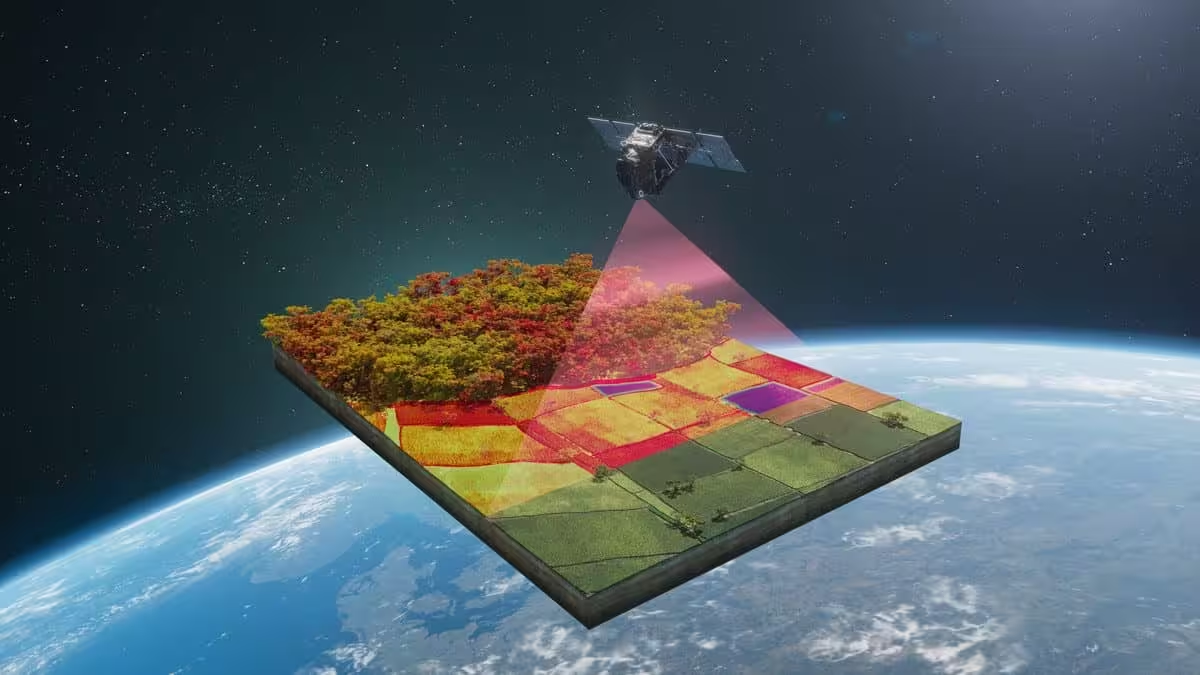
At the heart of the FLEX mission is a unique scientific goal: to capture the faint, natural light emitted by plants during photosynthesis. While standard satellite imagery focuses on the green appearance of the Earth’s surface, FLEX identifies the specific fluorescence signal that acts as an indicator of actual photosynthetic activity.
By measuring this process from space, scientists can effectively monitor how ecosystems react to environmental stressors such as rising temperatures or persistent drought. This capability provides a new window into the role vegetation plays in the global carbon and water cycles. Developed under ESA’s FutureEO programme, the mission is designed to provide high-resolution insights that will refine our current models of ecosystem health and climate interaction.
Maintaining Continuity in Europe’s Environmental Data
Complementing the specialized work of FLEX, the Sentinel-3C satellite ensures the continued reliability of Europe’s Copernicus Services. As the latest iteration in the Sentinel-3 series, this spacecraft is tasked with the systematic observation of Earth’s oceans, landmasses, ice sheets, and the atmosphere.
Sentinel-3C is engineered to provide long-term, consistent data on critical climate metrics, including sea-level rise and changing ocean temperatures. This longitudinal data stream is essential for both climate research and operational monitoring, ensuring that environmental policymakers have access to accurate, up-to-date information regarding planetary shifts.
A Testament to International Collaboration
According to ESA, the synchronized launch of these two distinct satellites required immense technical coordination. Simonetta Cheli, ESA’s Director of Earth Observation Programmes, praised the international teams responsible for the years of innovation and engineering required to reach this stage.
“Today’s launch is the culmination of years of scientific innovation, engineering excellence and international cooperation,” Cheli stated. “Preparing and launching two satellites together is no easy task. My thanks go to the many experts who have contributed throughout both satellites’ development, testing and preparation for launch, and who have worked tirelessly to ensure that both satellites have reached orbit safely.”
This article has been fact checked for accuracy, with information verified against reputable sources. Learn more about us and our editorial process.
Last reviewed on .
Article history
- Latest version
Reference(s)
- “FLEX and Sentinel-3C launched.” <https://www.esa.int/Applications/Observing_the_Earth/FLEX_and_Sentinel-3C_launched>.
Cite this page:
- Posted by Karan Das