NASA Just Launched A Giant Balloon To The Stratosphere To Prep For Future Space Missions
NASA is testing cutting-edge compact technologies aboard its latest scientific balloon mission to prepare for the future of deep space exploration.
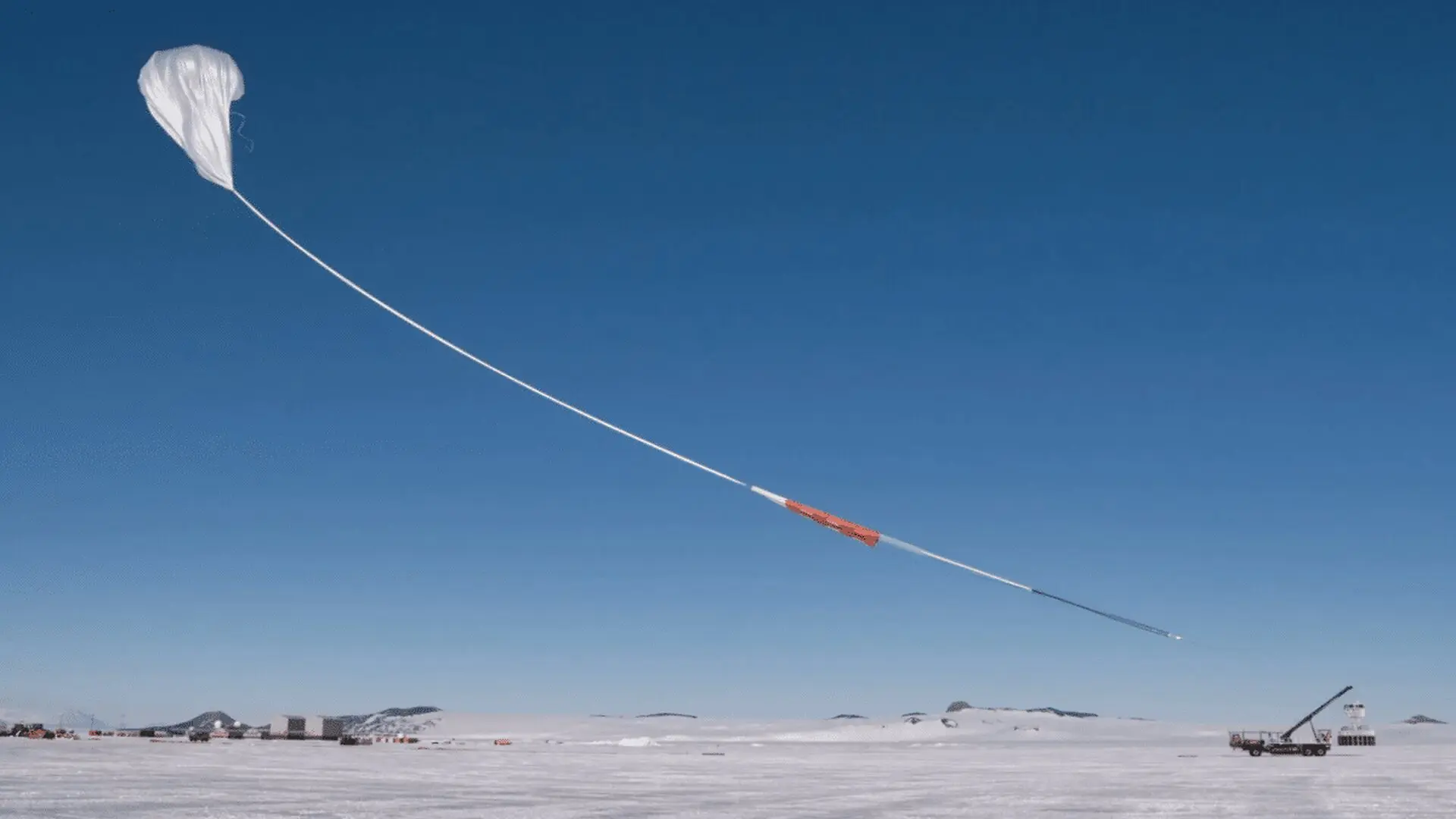
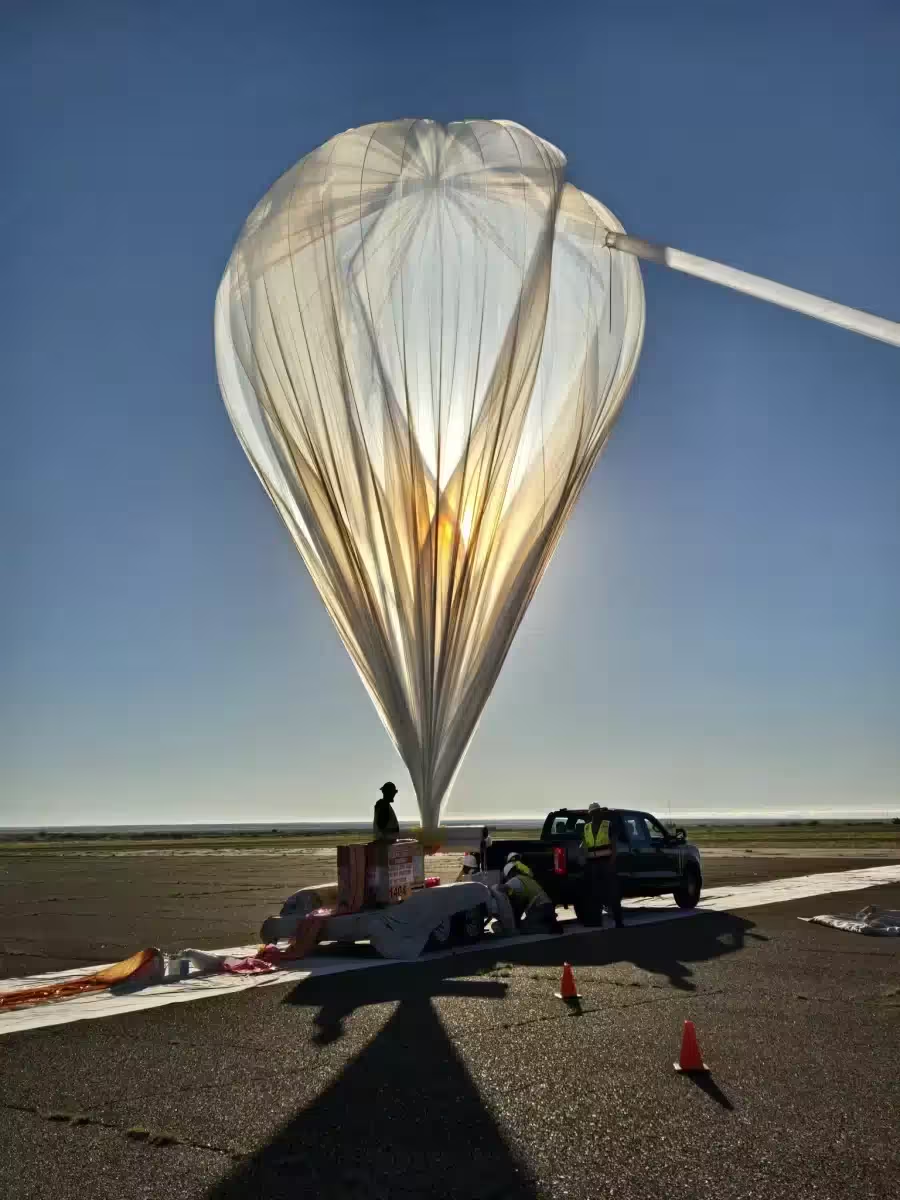
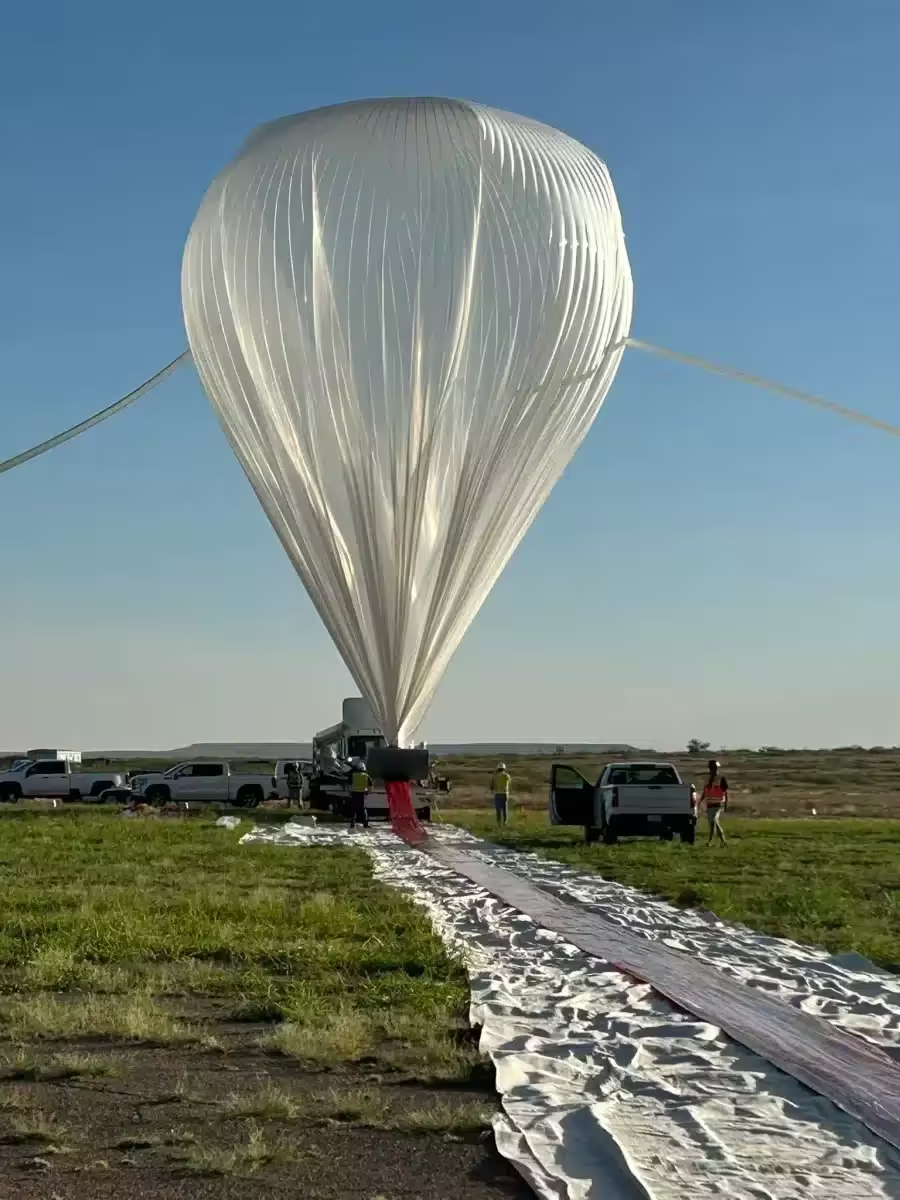
NASA has successfully completed the fourth flight of its ongoing seasonal balloon campaign, deploying the Balloon Optimization Opportunity Payload (BOOP!) to the edge of the atmosphere. The mission, which lifted off on September 13, 2026, from the agency’s facility in Fort Sumner, New Mexico, serves as a high-altitude testbed for next-generation space technologies.
A Proving Ground for Future Exploration
The BOOP! mission departed New Mexico at 8:03 a.m. MDT, marking the second year that NASA’s Balloon Program Office has utilized this specific platform for rapid testing. By functioning as a shared vessel for multiple compact experiments, the program allows researchers to validate hardware performance in near-space conditions without the extreme costs or complexities associated with orbital launches.
During its 4-hour and 29-minute flight, the payload reached a peak altitude of approximately 123,000 feet. This placement in the stratosphere subjects the equipment to environmental stressors that closely mimic the challenges of deeper space, providing critical data for engineers looking to refine instrumentation for future lunar and Mars expeditions.
Engineering for the Rigors of Deep Space
The primary focus of this year’s payload was the evaluation of miniaturized tools. As space exploration trends toward smaller, more efficient spacecraft, the ability to pack high-functioning sensors and imaging systems into limited volumes is vital. The NASA mission specifically targeted systems capable of high-energy radiation monitoring and advanced optical imaging.
Radiation exposure remains a significant obstacle for human and robotic missions alike. By measuring these environmental conditions at high altitudes, scientists can better protect both sensitive onboard electronics and future crews. Furthermore, the flight tested a new camera system designed to assist in terrain navigation and hazard identification—key components for autonomous landing systems on alien worlds.
A Season of Innovation
The success of the BOOP! mission adds to a busy calendar of testing in New Mexico. This campaign has already hosted several notable flights, including the High-Altitude Student Platform (HASP), which recently celebrated its 20th anniversary of supporting collegiate-level experiments. Over the last two decades, HASP has facilitated research from over 1,900 students across the United States.
Another recent success, the Compact Large-sensor Imaging Camera (CLIC 2) mission, provided essential validation for real-time image processing systems. Together, these balloon-based tests form a cornerstone of NASA’s broader technology development strategy, bridging the gap between theoretical lab work and the harsh realities of space travel.
This article has been fact checked for accuracy, with information verified against reputable sources. Learn more about us and our editorial process.
Last reviewed on .
Article history
- Latest version
Reference(s)
- Adkins, Jamie. “Fourth Balloon of NASA Scientific Balloon Campaign Launches - NASA.”, September 13, 2026 NASA <https://www.nasa.gov/blogs/wallops/2026/09/13/fourth-balloon-of-nasa-scientific-balloon-campaign-launches/>.
Cite this page:
- Posted by Karan Das