Giant Iceberg From Greenland Defies Expectations After Crashing Into Arctic Island
A record-breaking iceberg has calved from Greenland’s Petermann Glacier, triggering a rare Arctic event as researchers track its path into open waters.
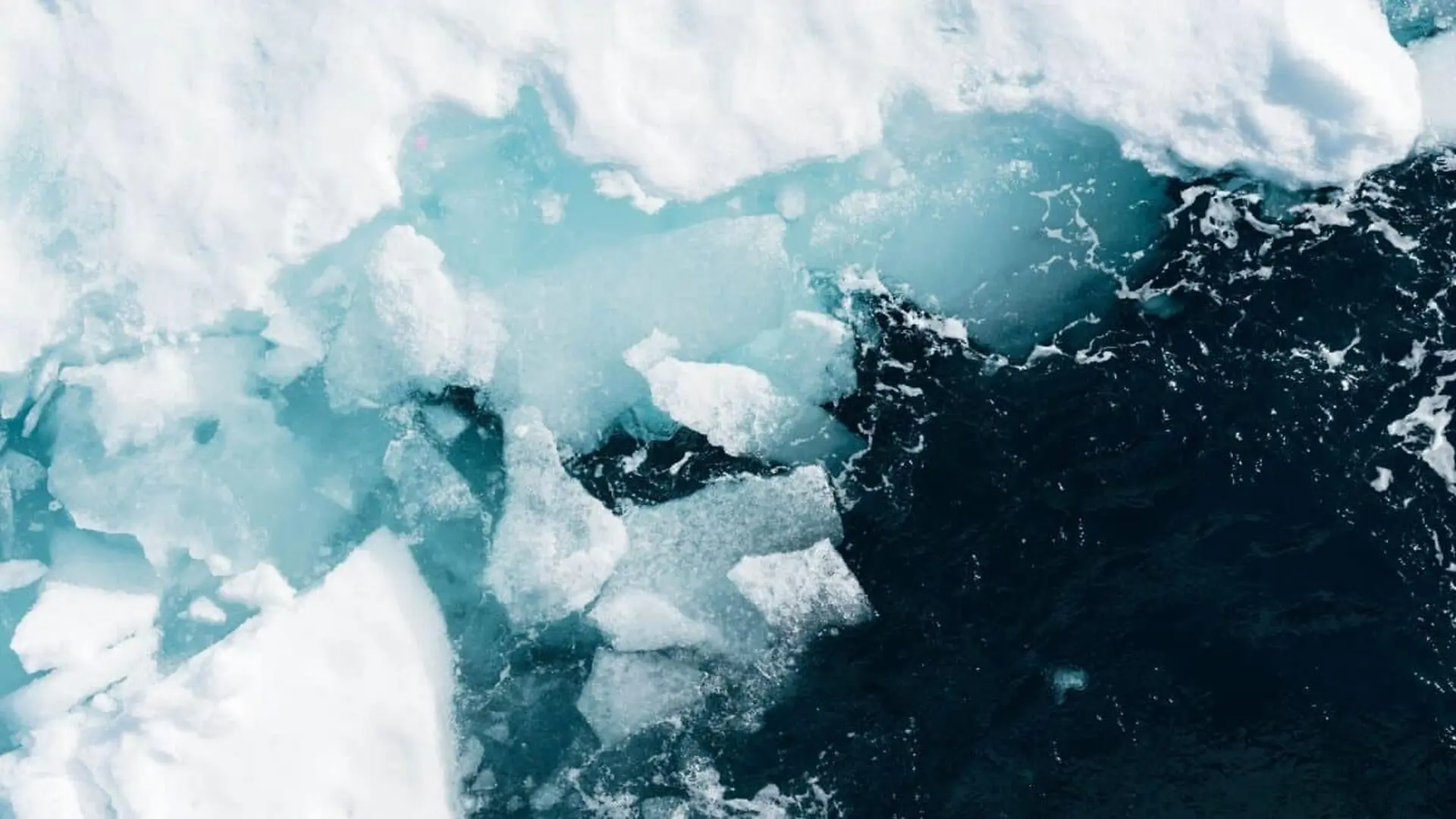
A massive ice island spanning 29 square miles has defied expectations after a dramatic encounter in Arctic waters. The berg, which calved from Greenland’s Petermann Glacier in August 2026, managed to survive a direct collision with a rocky outcrop known as Joe Island, remaining intact rather than shattering as scientists had anticipated.
The event, recorded as the largest calving episode from an Arctic glacier since 2020, underscores the dynamic nature of the Petermann Glacier. As a major marine-terminating glacier, its regular discharge of ice into the ocean serves as a vital indicator for researchers studying the health and evolution of the broader Greenland ice sheet. By utilizing remote sensing technology and satellite data, experts are tracking how these structures interact with the environment as they transition from the glacier tongue into the open sea.
Tracking a Massive Arctic Calving Event
The detachment of the ice mass was first flagged on August 4, 2026, when Adam Garbo, a glaciology doctoral candidate at the University of Ottawa, detected the shift via the European Space Agency’s Sentinel-1 satellite. The resulting ice island, measuring approximately 76 square kilometers, is the most significant fragment released by the glacier since a 130-square-kilometer block broke off in 2012.
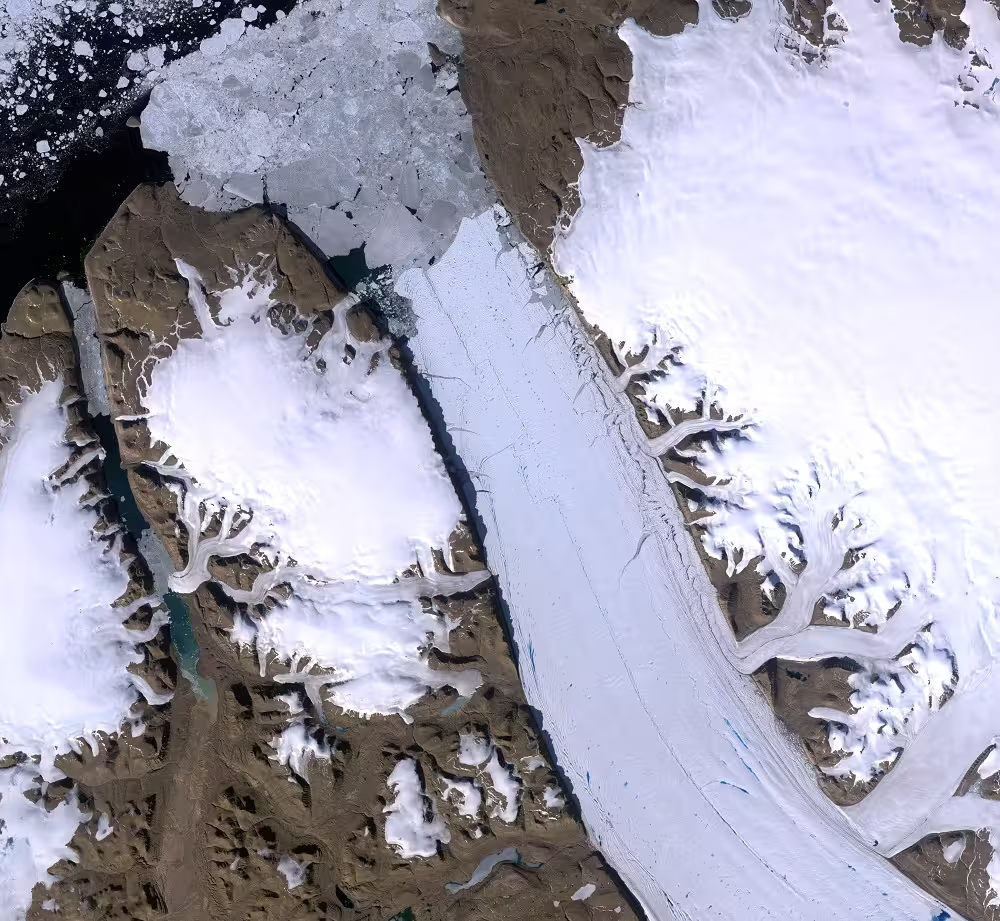
While researchers had been closely watching several large cracks across the glacier, the actual rupture occurred along a different fault line than originally predicted. Garbo noted that the resulting ice island was smaller than some of the scenarios modeled by the research team, though the glacier remains active with two other significant fractures currently under observation.
An Unexpected Survival Near Joe Island
Following its departure, the iceberg drifted through Petermann Fjord at a pace of roughly 3 kilometers per day. Glaciologist Mauri Pelto of Nichols College monitored the transit using imagery from NASA and USGS Landsat satellites. The berg’s trajectory placed it on a collision course with Joe Island, a notorious obstacle for ice exiting the fjord.
Historical data suggested the collision would likely prove fatal to the structural integrity of the ice. In 2010, a much larger Petermann berg split into two upon impacting the same formation. Because Petermann ice is generally thinner and more susceptible to environmental stressors than the massive, thick tabular bergs typical of Antarctica, scientists were surprised to observe the 2026 fragment pass the obstacle without breaking apart.
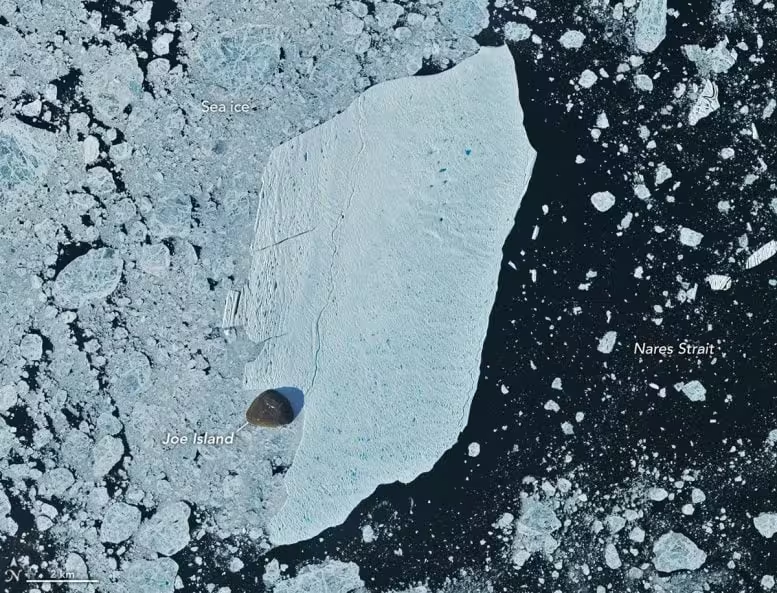
NASA Earth Observatory highlighted that the interaction between these thinner ice structures and regional coastal features provides essential data on how ocean currents and wind influence ice movement.
“We were certainly watching closely as it interacted with Joe Island and were impressed that it survived the interaction without further fragmentation,” Garbo said.
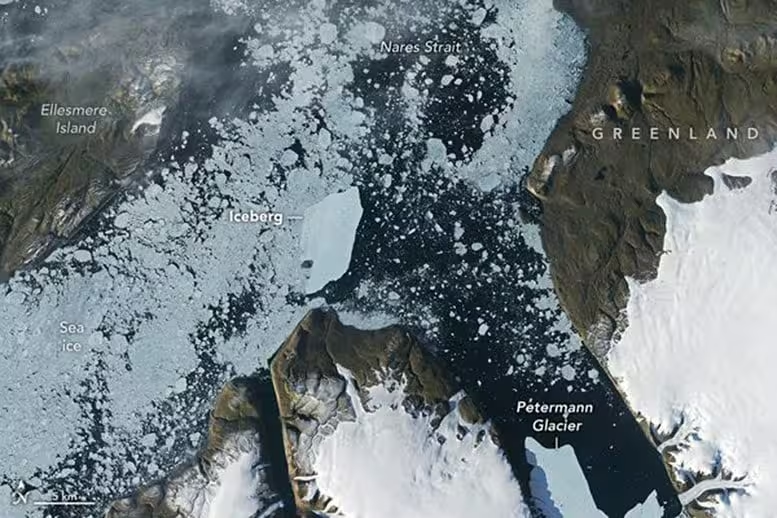
Now clear of the fjord and navigating the Nares Strait, the iceberg measures less than 150 meters in thickness. While it has successfully bypassed one major challenge, its survival is temporary; atmospheric and oceanic forces will inevitably continue to degrade the mass until it eventually breaks apart into smaller, transient segments.
This article has been fact checked for accuracy, with information verified against reputable sources. Learn more about us and our editorial process.
Last reviewed on .
Article history
- Latest version
Reference(s)
- Science, Amundsen. “Spotlight on a scientist - Adam Garbo | Amundsen Science.”, September 29, 2025 Amundsen Science <https://amundsenscience.com/scientific-stories/light-on-a-scientist-adam-garbo/>.
- “Mauri Pelto | Nichols College.”, February 17, 2026 Nichols College <https://www.nichols.edu/faculty/mauri-pelto/>.
- Ward, Kevin. “Earth Observatory - NASA Science.”, April 29, 1999 NASA <https://science.nasa.gov/earth/earth-observatory/>.
Cite this page:
- Posted by Karan Das