Scientists Discover Massive New Fungus Species That Towers Over Its Relatives
Researchers have discovered a mysterious fungus in Yunnan’s forests that disguised itself as strange white lumps, completely defying typical mushroom traits.
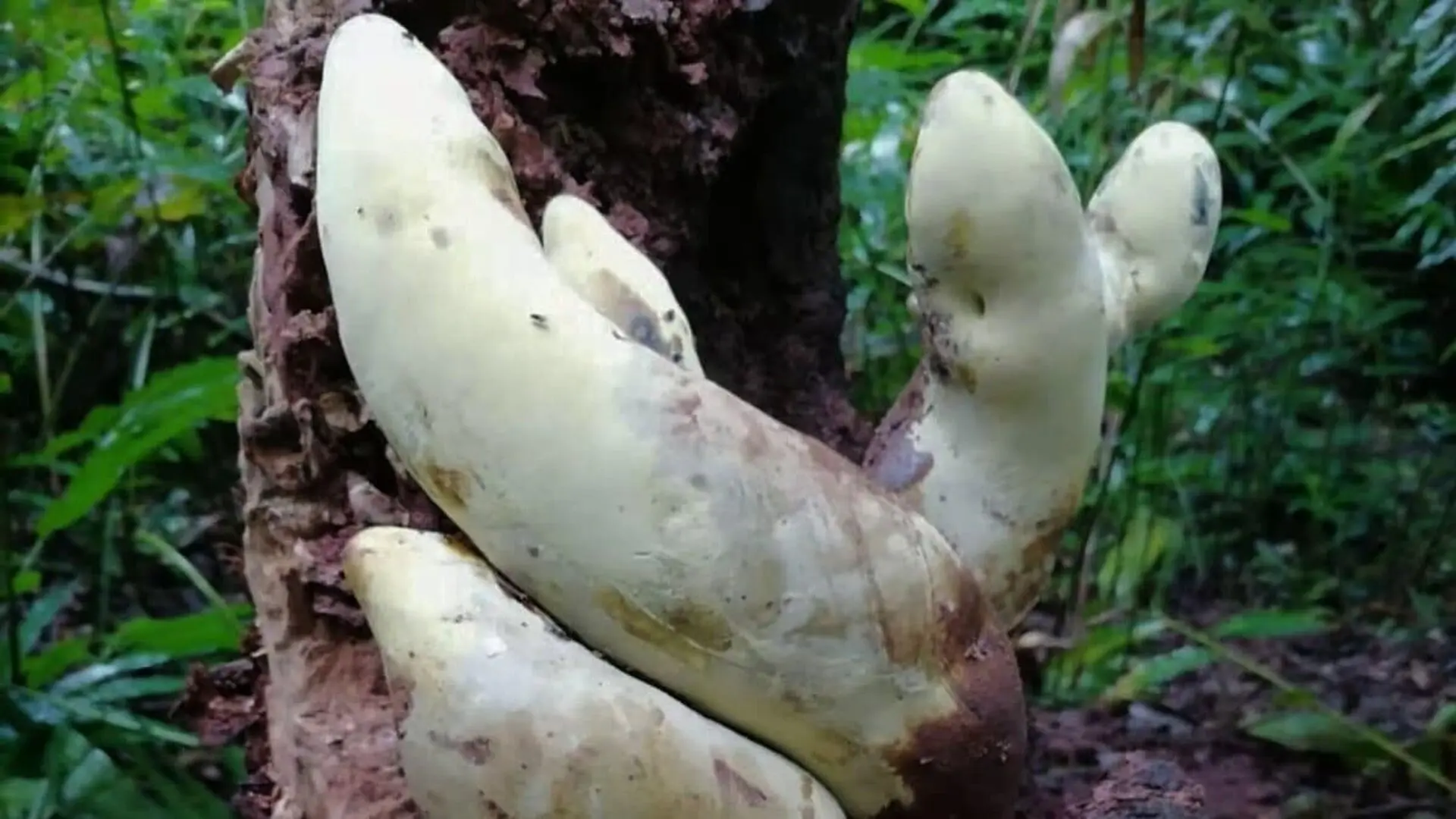
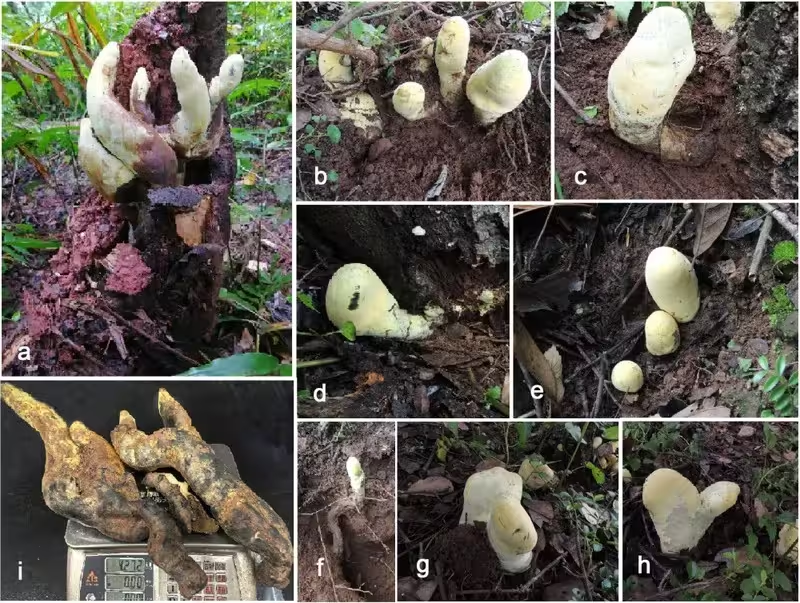
Researchers exploring the dense forests of Yunnan, China, have identified a colossal new fungus that shatters records for the largest fruiting bodies ever documented within the ascomycete phylum. Dubbed Dianjunus rex, this remarkable organism stands nearly 50 centimeters (19.7 inches) tall and weighs approximately 2.2 kilograms (4.9 pounds), representing a distinct evolutionary path for sac fungi.
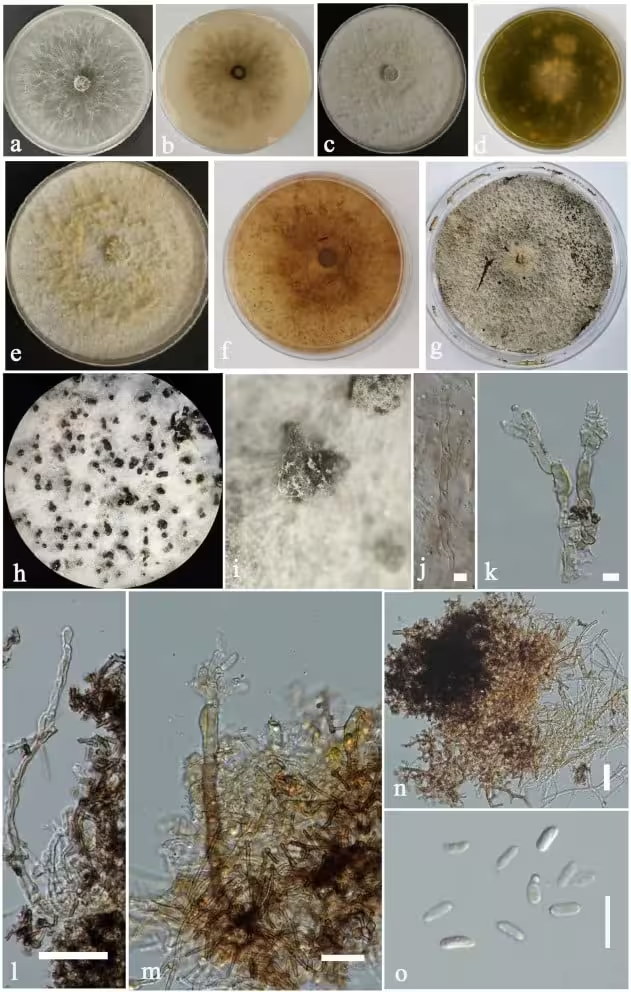
The discovery, detailed in Frontiers in Fungal Biology, emerged during field studies in the Damaidi, Yipinglang, and Nanbang regions. What initially appeared to be simple white protrusions from the forest floor were revealed through rigorous genetic and morphological analysis to be an entirely new species, genus, and family—Dianjunaceae.
An Evolutionary Titan
Ascomycetes constitute the largest group of fungi, accounting for roughly 75 percent of all classified species. The emergence of D. rex, which dates back to the aftermath of the Cretaceous-Palaeogene mass extinction event 65 million years ago, offers a unique perspective on how fungi adapted to a world in flux.
According to corresponding author Dr. Indunil Senanayake, an associate professor at the Kunming Institute of Botany, the discovery highlights the vast, untapped biodiversity hidden within East Asian ecosystems. The nomenclature chosen for the fungus pays tribute to both the T. rex, which vanished just prior to the rise of this fungus, and the historical Dian kingdom of the Yunnan region.
Exploiting a Post-Extinction Niche
While its size is unprecedented for its group, D. rex is categorized within the order Xylariales, a group well-regarded for its specialized enzymes capable of decomposing complex plant matter. Researchers believe this ecological trait was the catalyst for the fungus’s massive scale.
The post-extinction landscape was saturated with dead wood and decaying plant material, providing an abundance of resources for wood-decomposing fungi. Scientists theorize that this surplus allowed D. rex to invest significant energy into building such large, tower-like reproductive structures, which likely offered a distinct advantage in spore dispersal.
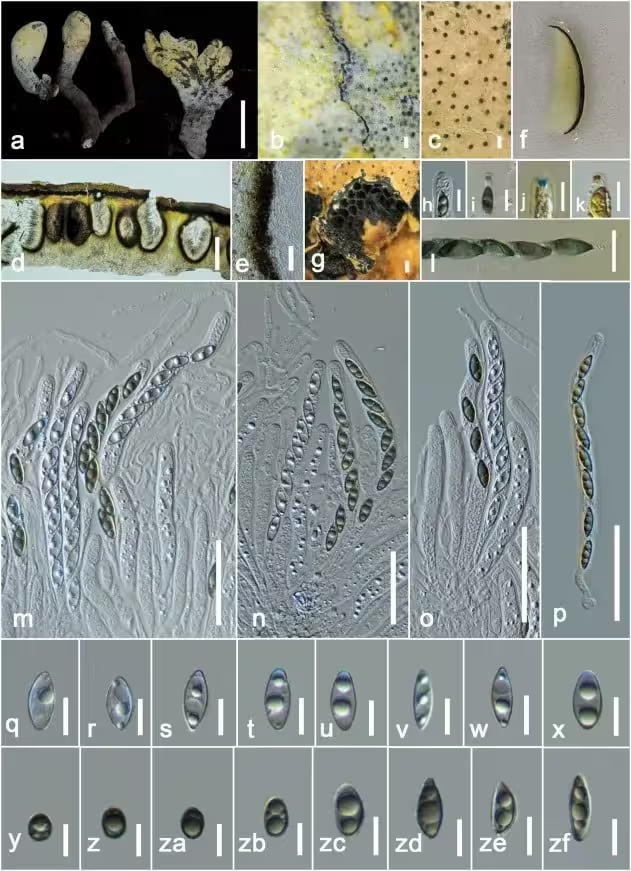
“This remarkable species represents a new fungal family, Dianjunaceae, and provides a rare window into the evolution of extreme fungal body forms,” Dr. Senanayake stated. While the researchers have successfully classified the fungus, the exact biological mechanisms that permit such substantial growth remain a subject of ongoing investigation.
This article has been fact checked for accuracy, with information verified against reputable sources. Learn more about us and our editorial process.
Last reviewed on .
Article history
- Latest version
Reference(s)
- Song, Jing. “Unearthing a fungal giant: Dianjunaceae fam. nov., a novel Paleocene lineage of Xylariales harboring Dianjunus rex gen. et sp. nov.” Frontiers in Fungal Biology, vol. 7, September 29, 2026, pp. 1940464 Frontiers, doi: 10.3389/ffunb.2026.1940464/full. <https://www.frontiersin.org/journals/fungal-biology/articles/10.3389/ffunb.2026.1940464/full>.
- “Dr. Indunil Senanayake – Department of Zoology.”, January 10, 2019 <https://science.sjp.ac.lk/zoo/academic-staff/dr-indunil-senanayake/>.
Cite this page:
- Posted by Elizabeth Taylor