Silicon Valley Startup Is Engineering Genetically Modified Military Dogs for 2027 Debut
Texas startup Warhound has raised $200 million to develop genetically modified, cloned working dogs for elite military and emergency response operations.
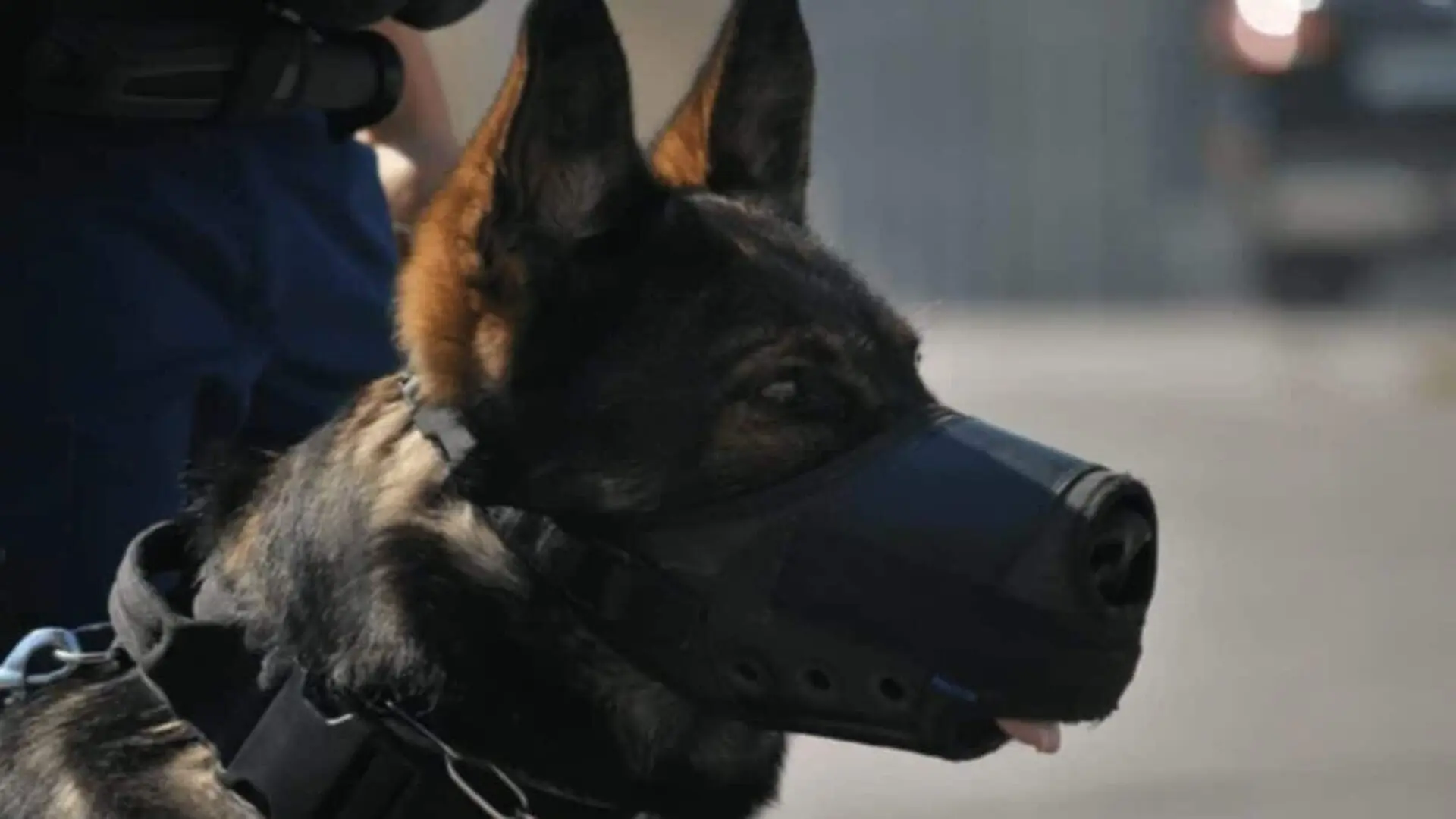
A new venture called Warhound, founded by Colossal Biosciences CEO Ben Lamm and Anduril founder Palmer Luckey, has emerged from stealth with a bold ambition: to overhaul the supply chain of elite working dogs for the U.S. military and emergency services. By combining advanced genetic engineering with specialized tactical gear, the company aims to produce highly capable canine units that are better equipped to handle the rigors of modern duty.
The project arrives at a time when the military faces a significant procurement bottleneck. According to reports from TechCrunch, more than 80 percent of dogs currently utilized by the U.S. military are sourced from Europe, yet less than half of these animals ultimately meet the stringent requirements for operational service.
Warhound is currently building a library of biological samples from proven service animals, including Belgian Malinois, German Shepherds, and Labradors. Using these samples, researchers at Colossal Biosciences are developing cell lines intended for a future cloning program. The initial focus is not on creating “super-dogs” with exotic capabilities, but on eliminating genetic predispositions to health issues that frequently cut short a dog’s career, such as hip dysplasia, vision impairment, and hereditary cancers.
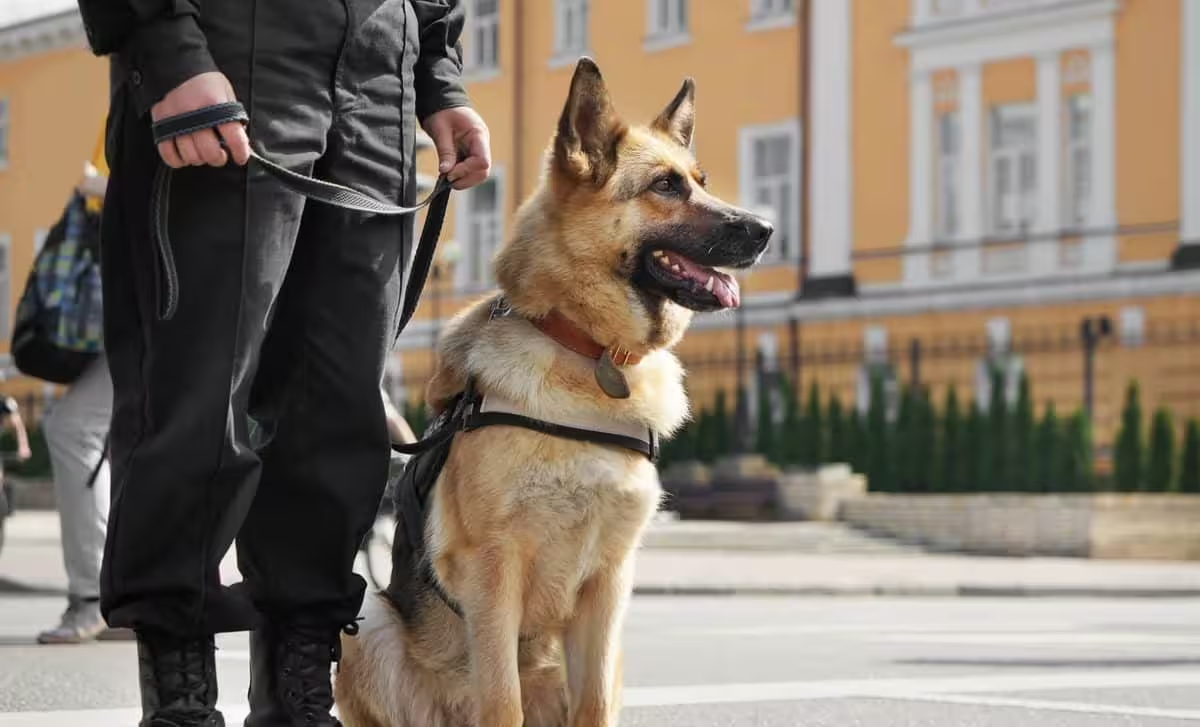
While the company has discussed long-term goals such as incorporating wolf-derived olfactory genes to sharpen scent detection, experts remain cautious about the feasibility of such complex genetic interventions. Ben Novak, chief scientist at the conservation group Revive & Restore, noted in Scientific American that traits like performance and endurance are polygenic, often involving thousands of complex mutations rather than simple gene toggles.
Furthermore, the cloning process itself faces substantial bioethical and biological hurdles. Harvard bioethicist Lisa Moses and cloning researcher Robert Lanza have both highlighted the inherent risks of the practice, citing potential developmental defects and the invasive procedures required for surrogate animals. Despite these concerns, Warhound is pushing forward, with its first cohort of engineered puppies expected to be born in early 2027.
Tactical Integration and Operational Readiness
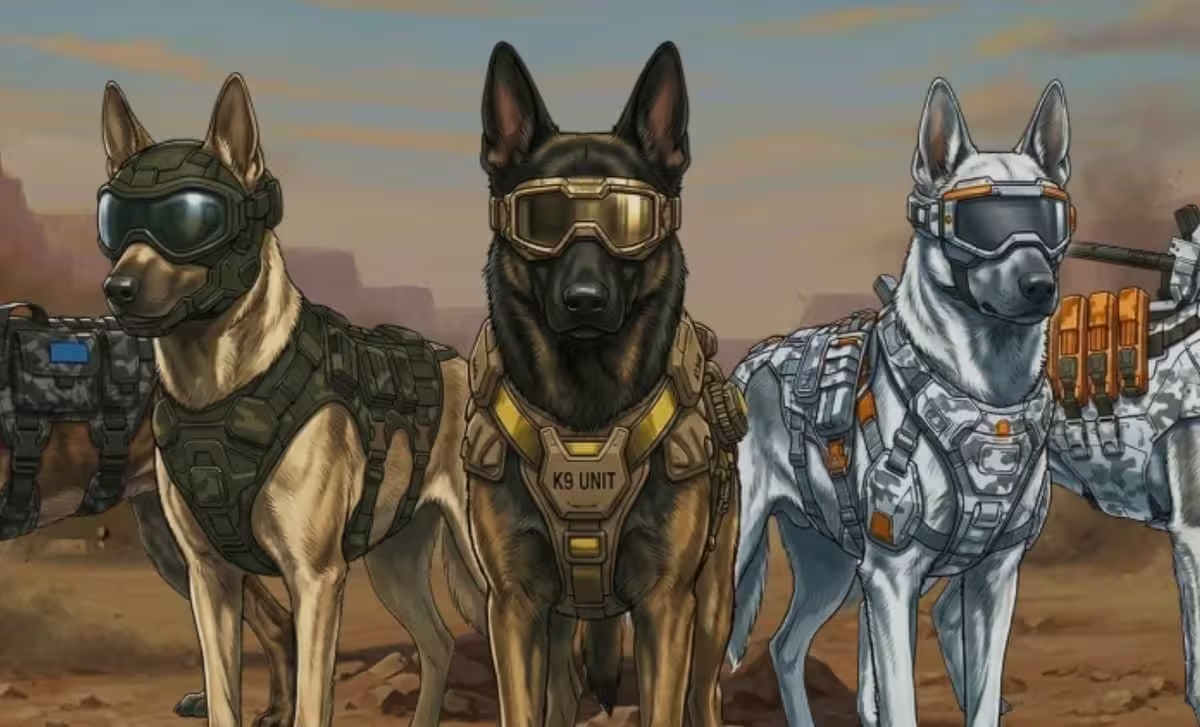
Beyond genetics, the startup intends to leverage the defense expertise of Anduril to provide a high-tech edge. Rather than pursuing invasive neural or physical implants, the company is focusing on advanced wearables. These systems—which include ballistic-rated body armor, specialized goggles, and sensor-laden vests—are designed to bridge the communication gap between the handler and the dog in high-stress environments.
Led by former Department of Defense chief data officer David Spirk, Warhound has secured support from high-profile investors including Sequoia Capital and In-Q-Tel. While the company maintains an equity partnership with Colossal Biosciences, both Lamm and Luckey have clarified that the entities remain distinct in their ownership structures.
As the 2027 launch date approaches, Warhound is coordinating with organizations like American Humane to establish oversight protocols. Whether these genetically optimized, tech-enabled canines can successfully transition from the laboratory to the field remains to be seen, as the company prepares to test its first generation of working dogs in the coming years.
This article has been fact checked for accuracy, with information verified against reputable sources. Learn more about us and our editorial process.
Last reviewed on .
Article history
- Latest version
Reference(s)
- Davis, Dominic-Madori. “Warhound raises $200M to engineer war dogs and arm them with Anduril gear.”, October 22, 2026 TechCrunch <https://techcrunch.com/2026/10/22/ben-lamm-raises-200m-for-warhound-to-engineer-war-dogs-and-arm-them-with-anduril-gear/>.
- Randolph, Mary. “Warhound wants to engineer and clone military superdogs—can they do it?.”, October 23, 2026 Scientific American <https://www.scientificamerican.com/article/warhound-wants-to-engineer-and-clone-military-super-dogs-can-they-do-it/>.
Cite this page:
- Posted by Elizabeth Taylor