Ariane 6’s P160C boosters unleash record power, delivering 36 Amazon satellites
Ariane 6’s latest configuration lifts 36 satellites, highlighting a major booster upgrade that broadens the rocket’s capabilities.
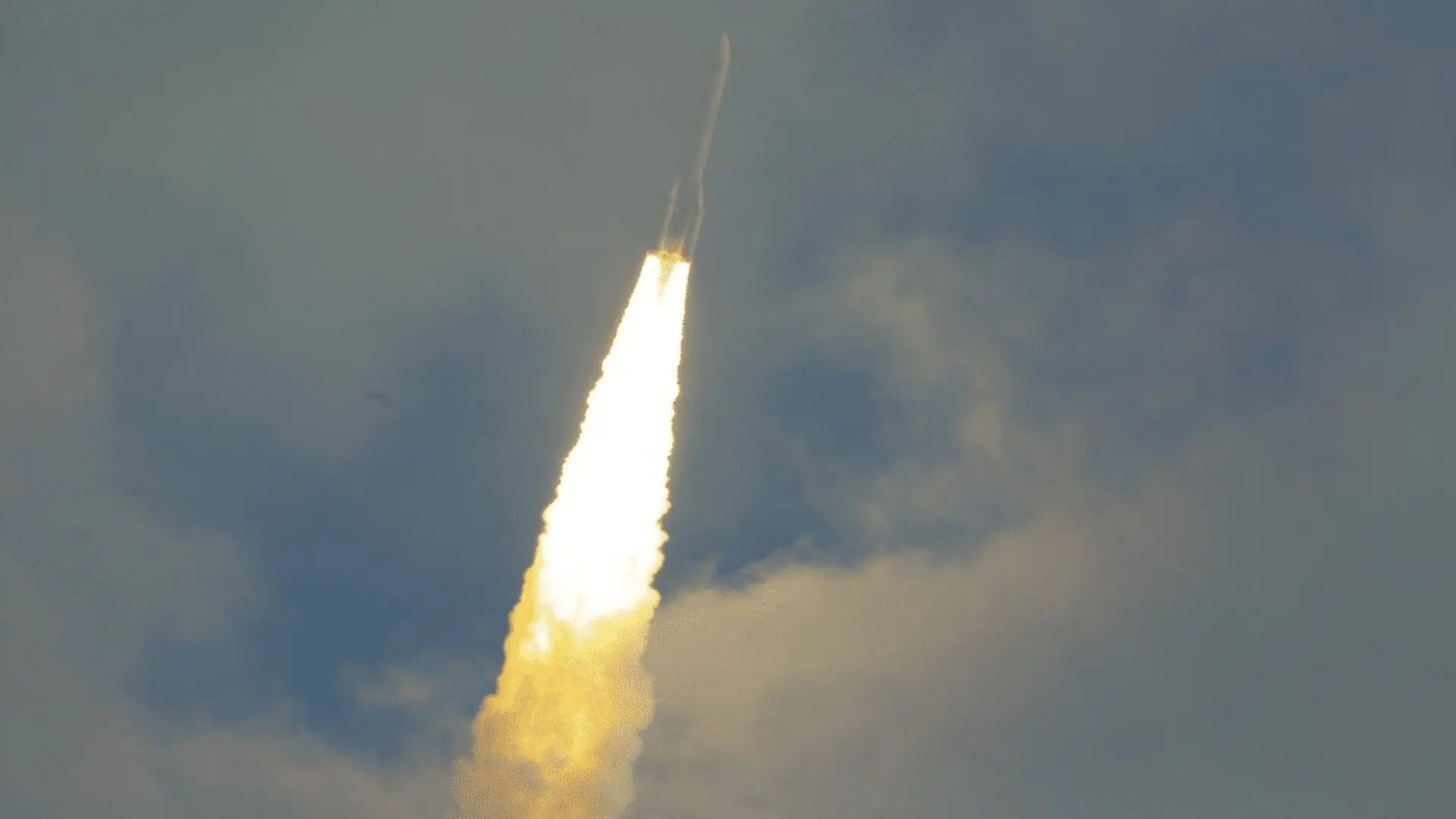
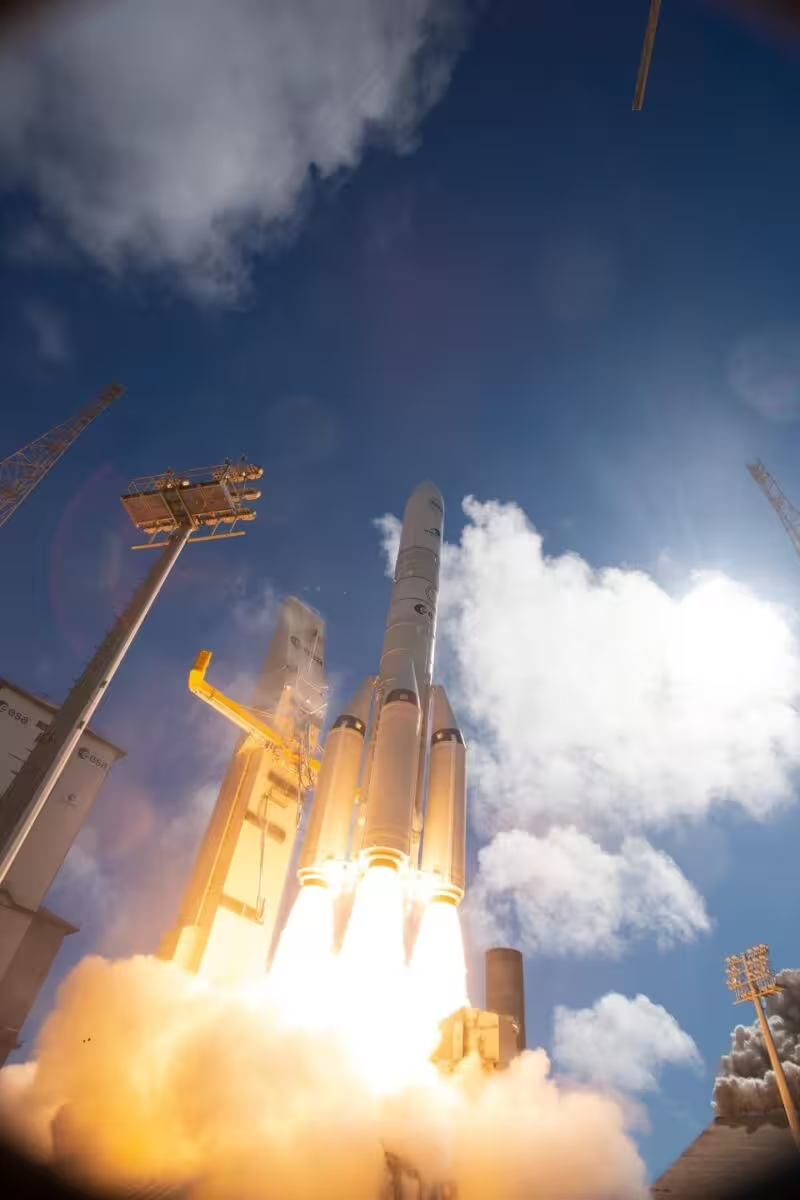
On 17 June 2026 Europe’s Spaceport in French Guiana saw Ariane 6 fire its most demanding mission yet, lofting a batch of 36 low‑Earth‑orbit satellites for Amazon’s communications constellation. The launch marked the debut of a four‑booster configuration that relies on the new P160C solid‑rocket motor, a step that expands the launcher’s payload capacity and confirms the incremental upgrade path built into Europe’s heavy‑lift vehicle.
Four P160C Boosters Deliver a Power Boost
The Ariane 6 ascent was powered by four P160C boosters, each carrying roughly 14 tonnes more solid propellant than the earlier P120C units. This extra mass translates into higher thrust, allowing the rocket to lift heavier cargo or to accommodate more ambitious mission profiles. The enhanced performance is designed to keep Europe competitive in a launch market where flexibility and capacity are increasingly prized.
The P160C motor stands about 14.5 metres tall and holds 156 tonnes of propellant. Though it is roughly a metre longer than its predecessor, engineers integrated the larger motor within the existing Ariane 6 architecture, preserving the booster attachment points and avoiding major redesigns. The result is a noticeable lift‑capacity increase without added complexity.
Strategic Commercial Payload for Amazon
Credit: ESA–S. Corvaja
A Fairing Large Enough for a Satellite Constellation
The launch vehicle’s payload fairing, measuring about 20 metres in height, housed the entire Amazon satellite stack during ascent. This large nose cone protected the payload from aerodynamic forces before separating once the rocket reached space, enabling a precise deployment of the 36 satellites into their intended low‑Earth‑orbit slots.
Accurate placement of dozens of spacecraft in a single mission requires tight orbital insertion tolerances and careful payload management. The flawless deployment reinforces confidence in Ariane 6’s capability to support extensive commercial constellations that are reshaping global communications networks.
A Platform Built for Ongoing Enhancement
European officials highlight that Ariane 6 was designed from the outset as a modular system, capable of evolving alongside the diverse needs of scientific, navigation, telecommunications and exploration missions. The flexibility to re‑configure booster arrangements and to introduce incremental upgrades like the P160C motor ensures that the launcher can adapt to shifting payload demands without the expense of developing an entirely new vehicle.
The June 2026 flight provided a concrete example of this philosophy, delivering expanded lift capability while retaining familiar operational procedures. Such adaptability is crucial for maintaining Europe’s independent access to space amid a rapidly changing launch landscape.
This article has been fact checked for accuracy, with information verified against reputable sources. Learn more about us and our editorial process.
Last reviewed on .
Article history
- Latest version
Cite this page:
- Posted by Karan Das