New Mud Dating Reinforces 23,000-Year-Old Human Footprints at New Mexico’s White Sands
New study confirms earlier evidence that humans occupied the site 23,000–21,000 years ago, reinforcing the timeline of early habitation.
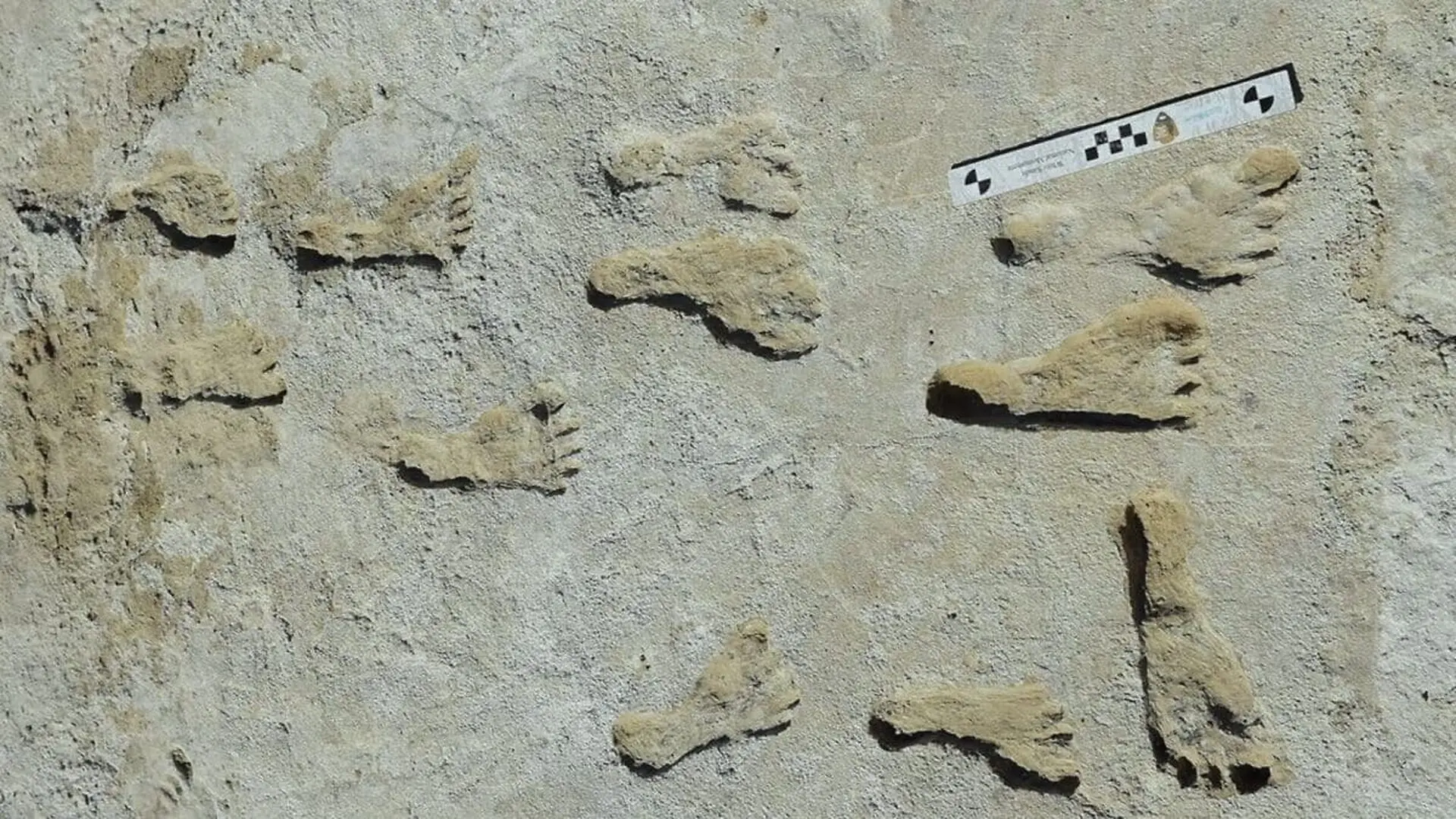
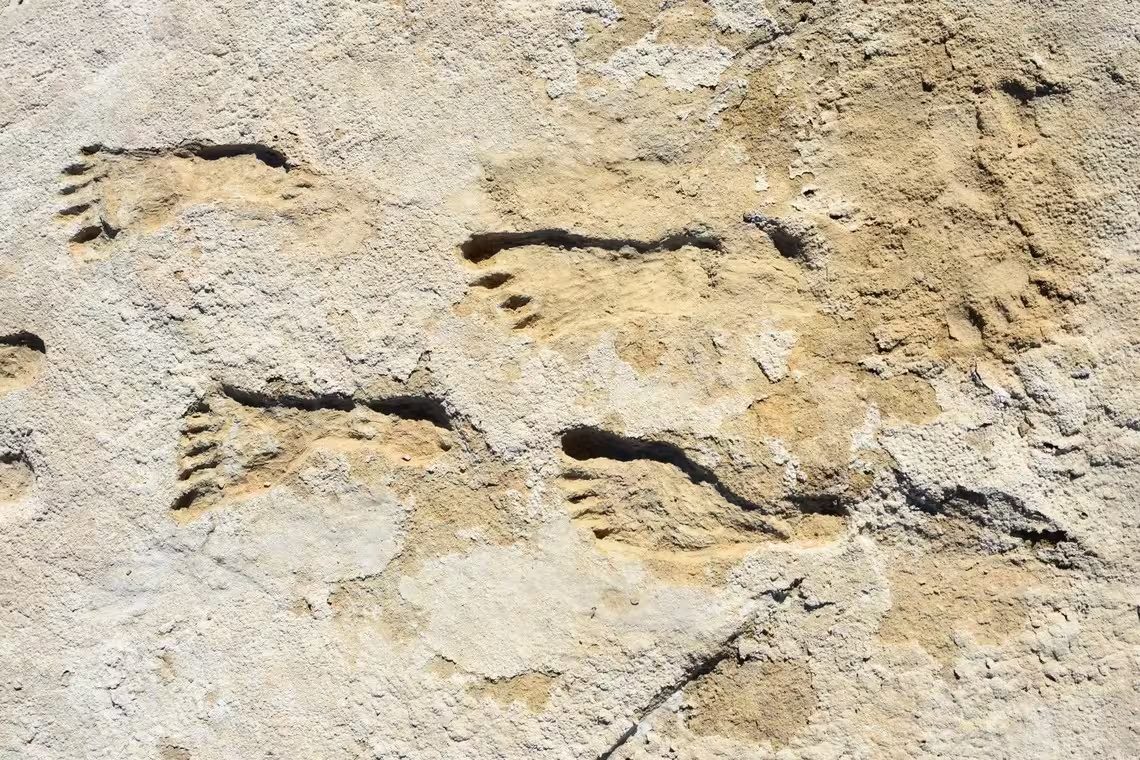
A recent paper in Science Advances provides additional confirmation that the human footprints discovered at White Sands in New Mexico were made between 23,000 and 21,000 years ago, a timeline that has generated intense discussion among specialists.
The investigators re‑examined the original site using a distinct source material—ancient mud—and arrived at dates that closely mirror the earlier estimates, bolstering confidence in the chronology.
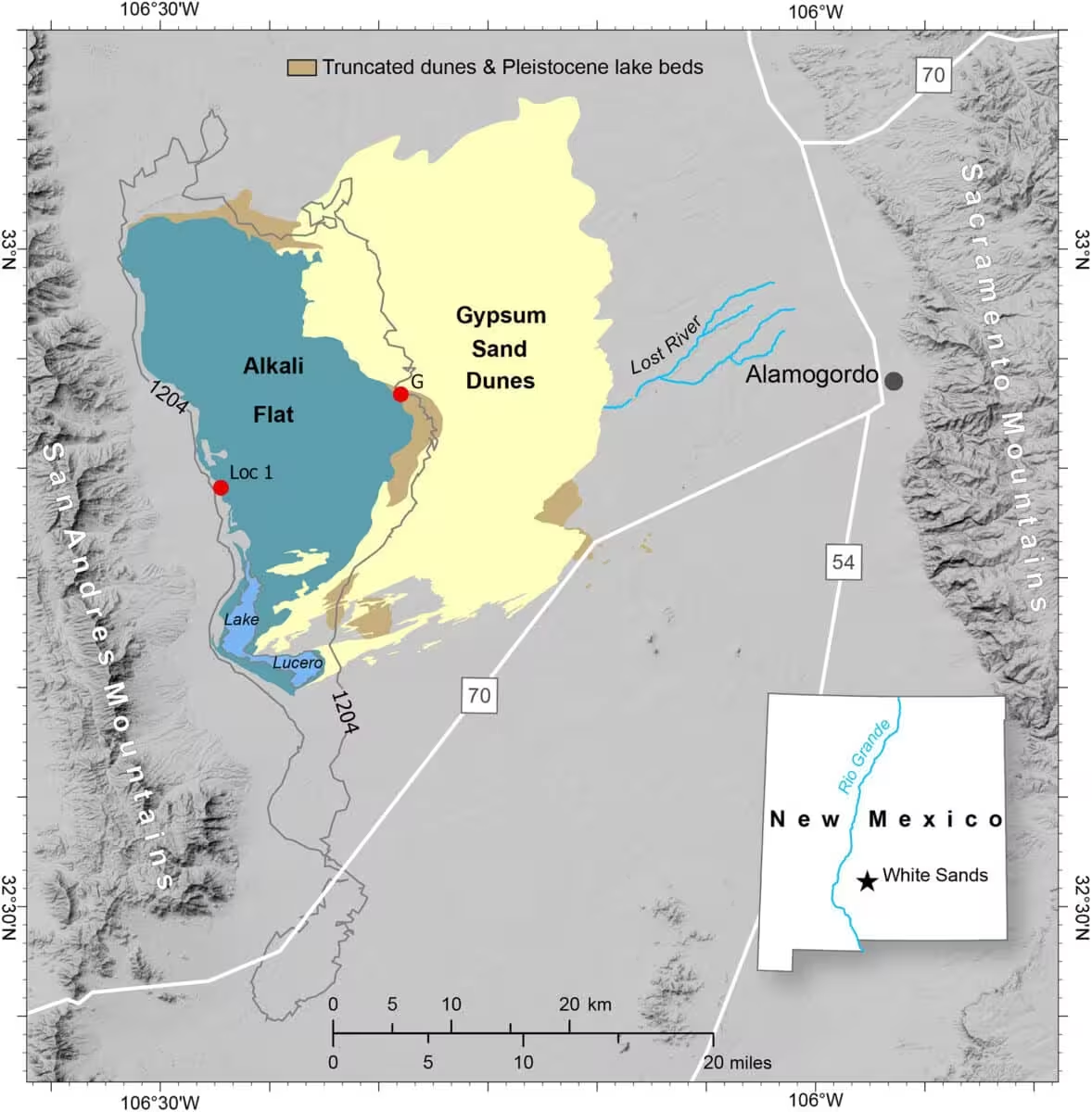
Today’s iconic gypsum dunes mask a vastly different paleo‑landscape. Researchers from the University of Arizona explain that the region once hosted a network of lakes and streams that later dried, allowing gypsum to accumulate and preserve the footprints for tens of millennia.
Access to the site is limited: part of the terrain lies within a national park, while adjoining parcels belong to the White Sands Missile Range. Geologist and archaeologist Vance Holliday began studying the ancient lake deposits in 2012, unaware that a major find was only a short walk away.
Mud‑Based Radiocarbon Test Reinforces Original Ages
The prints were first uncovered in 2019 by teams from Bournemouth University and the U.S. National Park Service, with the initial analysis published two years later. That study argued for a 23,000‑to‑21,000‑year window, well before the traditionally accepted arrival of humans in North America.
Critics pointed to the reliance on radiocarbon dating of seeds and pollen embedded in the sediment. The new research adopts a different approach.
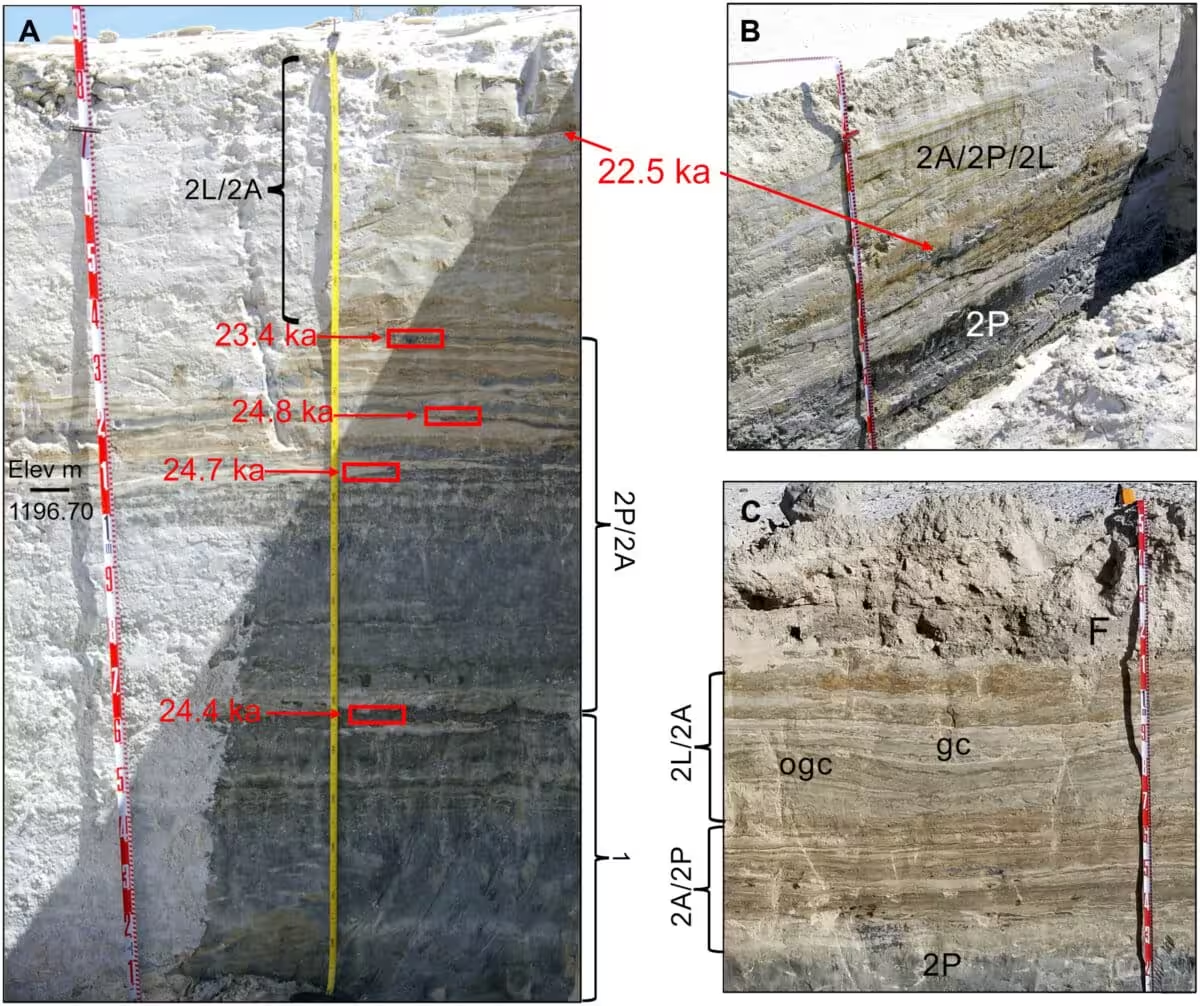
According to Science Advances, scientists extracted organic matter from ancient mud in the same stratigraphic layer and obtained radiocarbon ages of 20,700 to 22,400 years, essentially confirming the earlier range.
Together, three independent laboratories have now applied three distinct materials—seeds, pollen and mud—to generate 55 concordant radiocarbon dates. The consistency across two research teams is highlighted by Vance Holliday, who remarked, “It’s a remarkably consistent record … it would be serendipity in the extreme to have all these dates giving you a consistent picture that’s in error.”
“It’s a remarkably consistent record,” Vance Holliday said. He added that, ” it would be serendipity in the extreme to have all these dates giving you a consistent picture that’s in error.”
Pre‑Clovis Footprints Challenge Established Timelines
If the White Sands chronology holds, humans were traversing the area roughly 10,000 years before the appearance of the iconic Clovis culture, long considered the earliest North American tradition.
Holliday, who has spent nearly five decades researching the peopling of the Americas, emphasized in a University of Arizona press release that the expanding set of matching dates only strengthens the original claim.
The new publication was designed to address the principal critique of the 2021 work by testing a completely different substrate. Rather than overturning earlier conclusions, it adds an independent line of evidence that corroborates the proposed age of the tracks.
Why No Tools or Campsites Have Been Found?
Even as the dating becomes more robust, a lingering question remains: if people were present at White Sands this early, why have archaeologists uncovered no associated artifacts?
Holliday acknowledges that the new data do not resolve this puzzle. He notes that many of the preserved prints capture only a brief moment of movement, offering little reason to expect durable implements to be left behind.
“These people live by their artifacts, and they were far away from where they can get replacement material. They’re not just randomly dropping artifacts,” he stated. “It’s not logical to me that you’re going to see a debris field.”
Erosion and the buildup of thick gypsum deposits have dramatically reshaped the terrain, erasing portions of the ancient surface while burying others, which may further complicate the search for early‑period artifacts.
This article has been fact checked for accuracy, with information verified against reputable sources. Learn more about us and our editorial process.
Last reviewed on .
Article history
- Latest version
Reference(s)
- “Earliest Evidence of Human Activity Found in the Americas.”, June 24, 2026 University of Arizona News <https://news.arizona.edu/news/earliest-evidence-human-activity-found-americas>.
- Holliday, Vance T.., et al. “Paleolake geochronology supports Last Glacial Maximum (LGM) age for human tracks at White Sands, New Mexico.” Science Advances, vol. 11, no. 25, June 20, 2025 American Association for the Advancement of Science (AAAS), doi: 10.1126/sciadv.adv4951. <https://www.science.org/doi/10.1126/sciadv.adv4951>.
- “Vance Holliday.” School of Anthropology <https://anthropology.arizona.edu/person/vance-holliday>.
- Migrate, NASA. “New Mexico’s White Sands - NASA Science.”, May 21, 2023 NASA <https://science.nasa.gov/earth/earth-observatory/new-mexicos-white-sands-151371/>.
- “Earliest evidence of humans in the Americas confirmed in new U of A study.”, June 18, 2025 University of Arizona News <https://news.arizona.edu/news/earliest-evidence-humans-americas-confirmed-new-u-study>.
Cite this page:
- Posted by Karan Das