Spot a 1‑Km Asteroid Racing Past Earth This Saturday
Rare asteroid flyby Saturday lets skywatchers worldwide see a giant space rock safely pass Earth.
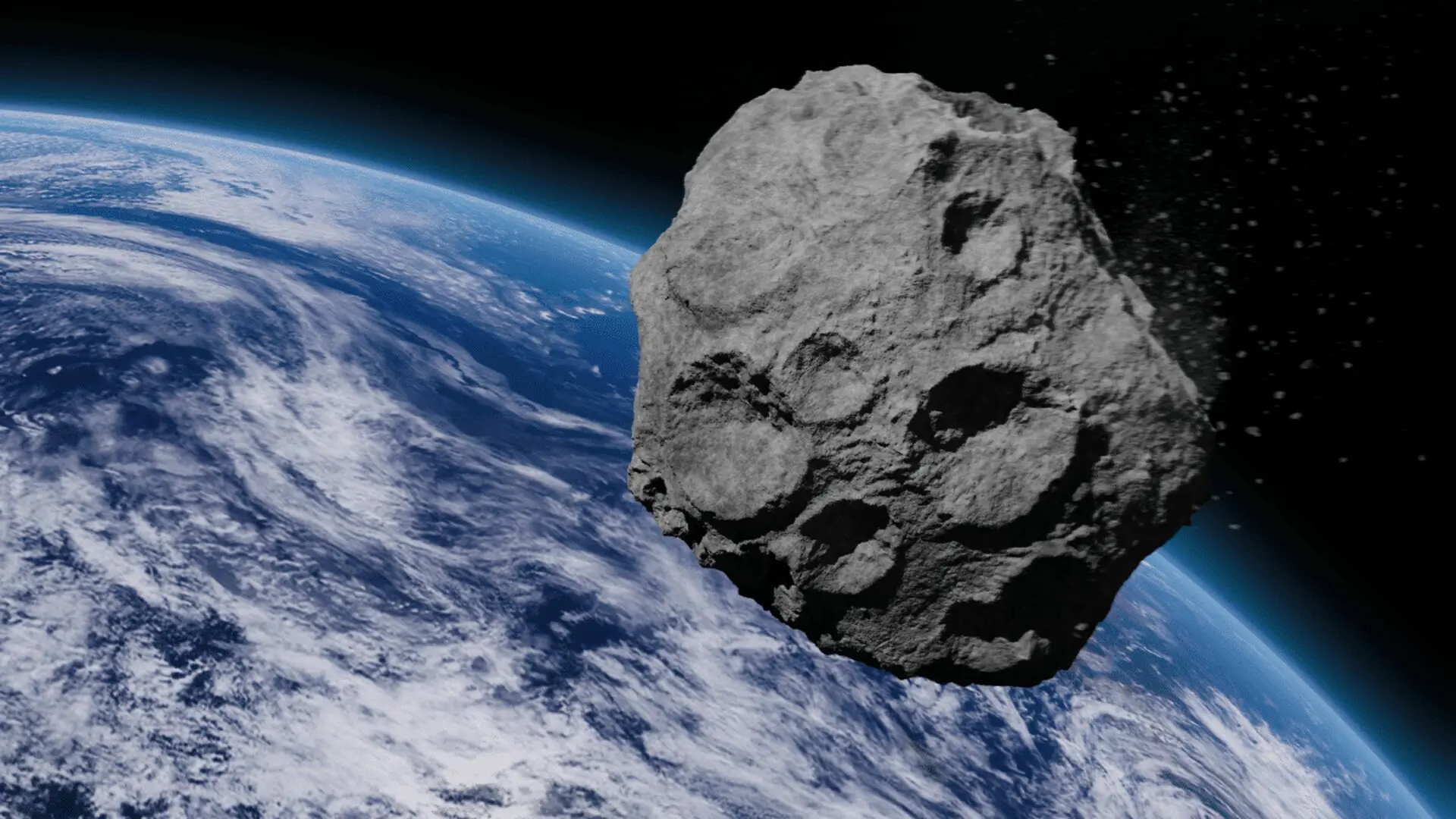
A sizable near‑Earth asteroid will glide past our planet on Saturday, giving both professional astronomers and hobbyist observers a chance to track a relatively large space rock with modest equipment. The European Space Agency (ESA) confirms that the object poses no danger, despite its impressive dimensions and close approach, marking one of the most noteworthy celestial events of 2026.
Fast‑moving Rock to Miss Earth by About 2.6 Million Kilometers
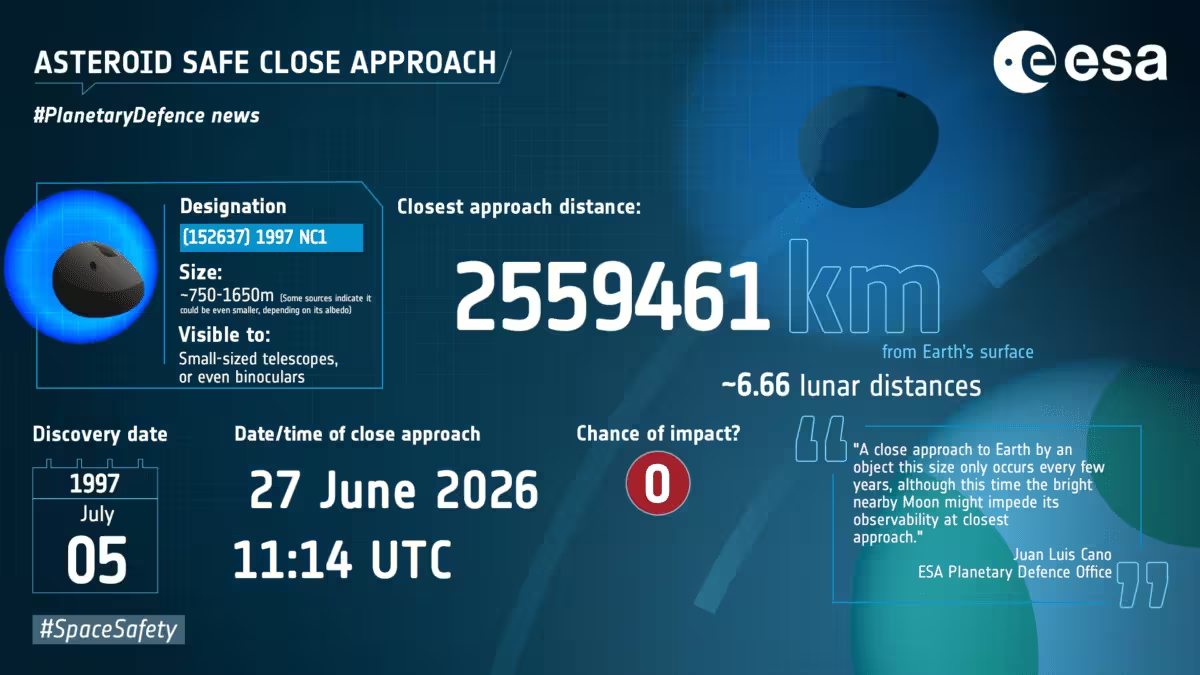
The asteroid, catalogued as (152637) 1997 NC1, will reach its nearest point to Earth at roughly 11:14 GMT on Saturday. At that moment it will be some 2.56 million km (1.59 million mi) away—still more than six times the distance to the Moon—eliminating any impact risk.
Its trajectory carries it through the inner Solar System at almost 9 km s⁻¹ (5.6 mi s⁻¹). With impact scenarios already ruled out, observers can concentrate on the scientific and visual aspects of the flyby.
Measurements Indicate a Diameter Up to One Kilometer
Brightness data suggest that (152637) 1997 NC1 spans between 750 and 1,650 m (820 to 1,800 yd). Such a size places it among the larger near‑Earth objects that have approached Earth at comparable distances in recent years.
These estimates rely on assumptions about surface reflectivity; a more reflective surface would imply a smaller true size. The ESA notes this uncertainty and mentions alternative calculations that point to a reduced diameter.
Amateur Equipment May Be Sufficient for Visual Detection
The ESA indicates that observers using small telescopes or large binoculars could follow the asteroid as it traverses the sky. Visibility will differ by region: the object will become observable from parts of the Northern Hemisphere as it approaches, reach broader visibility around the moment of closest approach, and then be primarily viewable from the Southern Hemisphere as it recedes.
Local weather, light‑pollution levels, and the presence of a bright Moon will influence how clearly the asteroid can be seen. Dark sites will offer the best chance to spot the fast‑moving rock, especially when lunar illumination threatens to wash out faint details.
Large Near‑Earth Flybys Occur Only Occasionally
While smaller bodies frequently zip by Earth, encounters with rocks of this magnitude are far rarer, adding a special appeal for both scientists and the public.
Juan Luis Cano of the ESA’s Planetary Defence Office emphasized the event’s significance, stating, “A close approach to Earth by an object this size only occurs every few years, although the bright nearby moon might impede its observability at closest approach.”
The statement highlights both the unusual nature of the passage and the practical challenges faced by skywatchers. Regardless of lunar interference, the event offers a unique opportunity to observe one of the Solar System’s larger near‑Earth asteroids as it safely whizzes past our world.
For researchers, each close encounter sharpens tracking methods and deepens insight into these primordial remnants. For enthusiasts, it serves as a reminder that remarkable astronomical phenomena continue to unfold overhead, often within reach of modest optical tools and clear night skies.
This article has been fact checked for accuracy, with information verified against reputable sources. Learn more about us and our editorial process.
Last reviewed on .
Article history
- Latest version
Cite this page:
- Posted by Karan Das