Italy Assembles 115‑Ton Lead‑Cooled Reactor Demo That Generates Power Without Nuclear Fuel
A safe reactor demo uses electric heaters and molten lead instead of fission, mimicking behavior while cutting traditional testing risks.
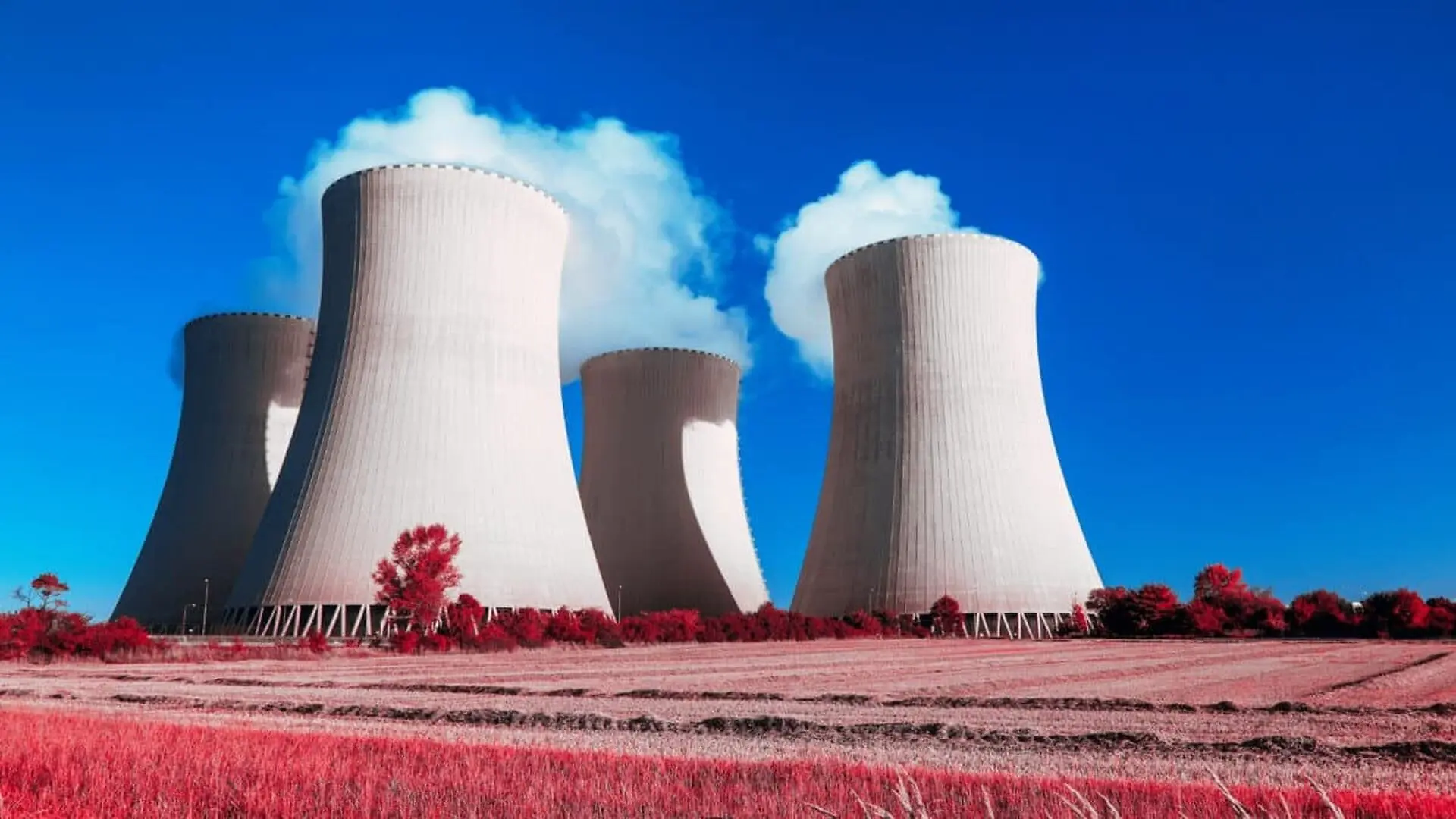
While nuclear energy is praised for its low‑carbon output, historic accidents such as Chernobyl and Fukushima have kept safety concerns in the spotlight, especially for reactors that depend on water to extract heat from the core.
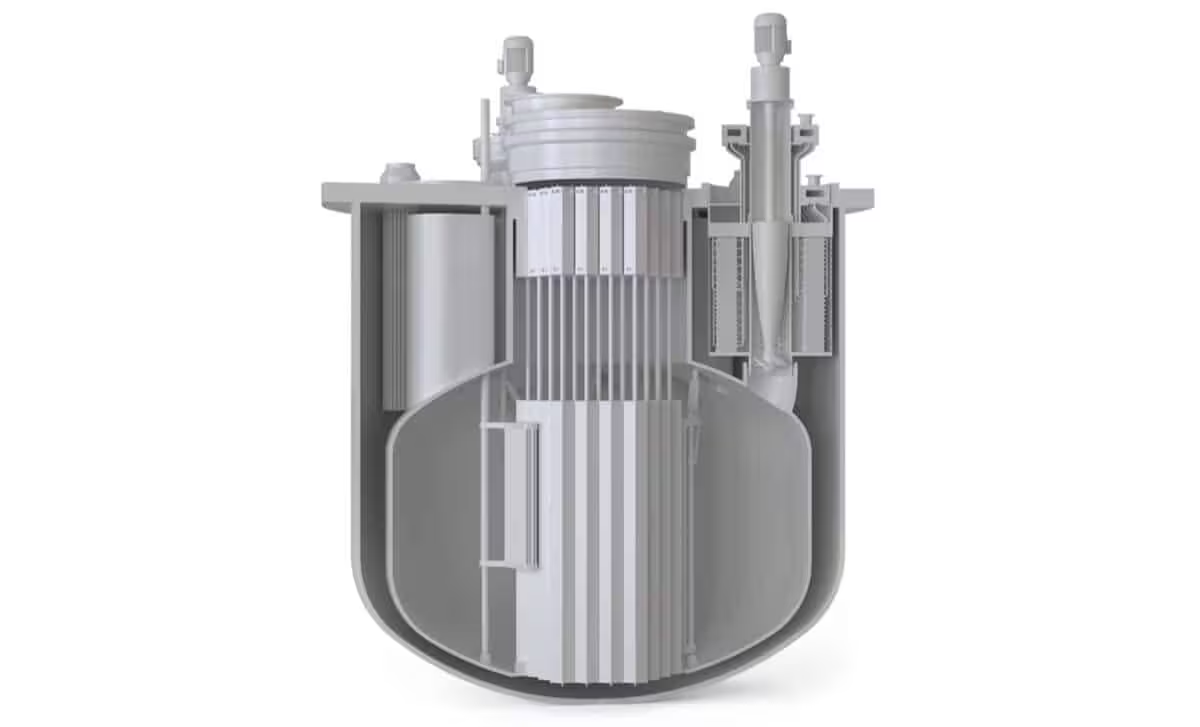
In response, Newcleo is assembling a test facility that swaps water for molten lead and foregoes nuclear fuel altogether. The installation, named PRECURSOR, will mimic the thermal dynamics, piping layout, and operational behavior of a future lead‑cooled fast reactor, providing a full‑scale proof‑of‑concept before the company’s commercial design reaches the grid.
Testing a Lead‑Cooled System Without Fissile Material
Because PRECURSOR contains no uranium or plutonium, it does not function as a traditional reactor. Instead, electric heaters occupy the positions where fuel rods would normally sit, generating heat that is transferred to a circulating bath of molten lead. The heated metal drives a steam generator, which in turn powers a turbine supplied by partner FINCANTIERI.
Newcleo founder and chief executive Stefano Buono highlighted the initiative on LinkedIn, calling it “potentially the only facility in the world to do such a complete demonstration of reactor functionalities.”
The vessel arrived at Italy’s ENEA Brasimone Research Centre near Bologna, where it was lowered into place. The empty structure weighed more than 44,000 pounds (around 20 metric tons); once filled with lead, its mass will rise to roughly 115 metric tons. Designed for a thermal output of 10 megawatts, PRECURSOR is slated for completion toward the end of 2026.
Advantages of Molten Lead Over Conventional Water Coolants
Lead’s boiling point sits near 3,170 °F (1,743 °C), far above water’s 212 °F (100 °C), according to Popular Mechanics. This high temperature threshold eliminates the need for the extreme pressures typical of water‑cooled designs.
The dense liquid metal can also flow by natural convection, reducing reliance on mechanical pumps. In a fueled reactor, any breach that released lead would cause the metal to solidify quickly, trapping fission products such as iodine and cesium and limiting their spread.
Because PRECURSOR operates without fissile material, it never attains a critical or supercritical state. In standard reactors, reaching critical mass allows a self‑sustaining chain reaction, while a supercritical condition can drive runaway fission and overheating. Electrical heating replaces the role of nuclear fuel, keeping the system safely subcritical throughout testing.
Path Toward a Commercial Fast Reactor
The demonstration platform paves the way for Newcleo’s first market‑ready unit, the 30‑megawatt LFR‑AS‑30, which the company targets for operation around 2031. To support longer‑term objectives, Newcleo has teamed with Oklo, one of two firms chosen by the U.S. Department of Energy for the Surplus Plutonium Utilization Program.
Through that program, the DOE will allocate a portion of the roughly 44,100 pounds (20 metric tons) of weapons‑grade plutonium left over from Cold‑War production to Oklo. Newcleo intends to incorporate this material into future reactors, turning a legacy liability into a resource and avoiding disposal at New Mexico’s Waste Isolation Pilot Plant.
Josh Jarrell, deputy assistant secretary for the nuclear fuel cycle, emphasized the shift in the agency’s perspective:
“Surplus plutonium was once viewed solely as a nuclear liability and a multi‑billion‑dollar financial drain on taxpayers—but it doesn’t have to remain one. We are redirecting this Cold War legacy to serve as a vital energy asset, powering the next generation of American nuclear innovation.”
This article has been fact checked for accuracy, with information verified against reputable sources. Learn more about us and our editorial process.
Last reviewed on .
Article history
- Latest version
Reference(s)
- Rayne, Elizabeth. “This Reactor Works with No Fuel. It Could Change the Future of Fission..”, June 29, 2026 Popular Mechanics <https://www.popularmechanics.com/science/a71688475/next-gen-nuclear-reactor/>.
Cite this page:
- Posted by Farah Siddiqui