Scientists Detect Mysterious Signal in Deep Underground Dark Matter Experiment
Physicists are puzzled after a deep-underground detector recorded an unusual particle interaction nearly a mile beneath the Earth’s surface.
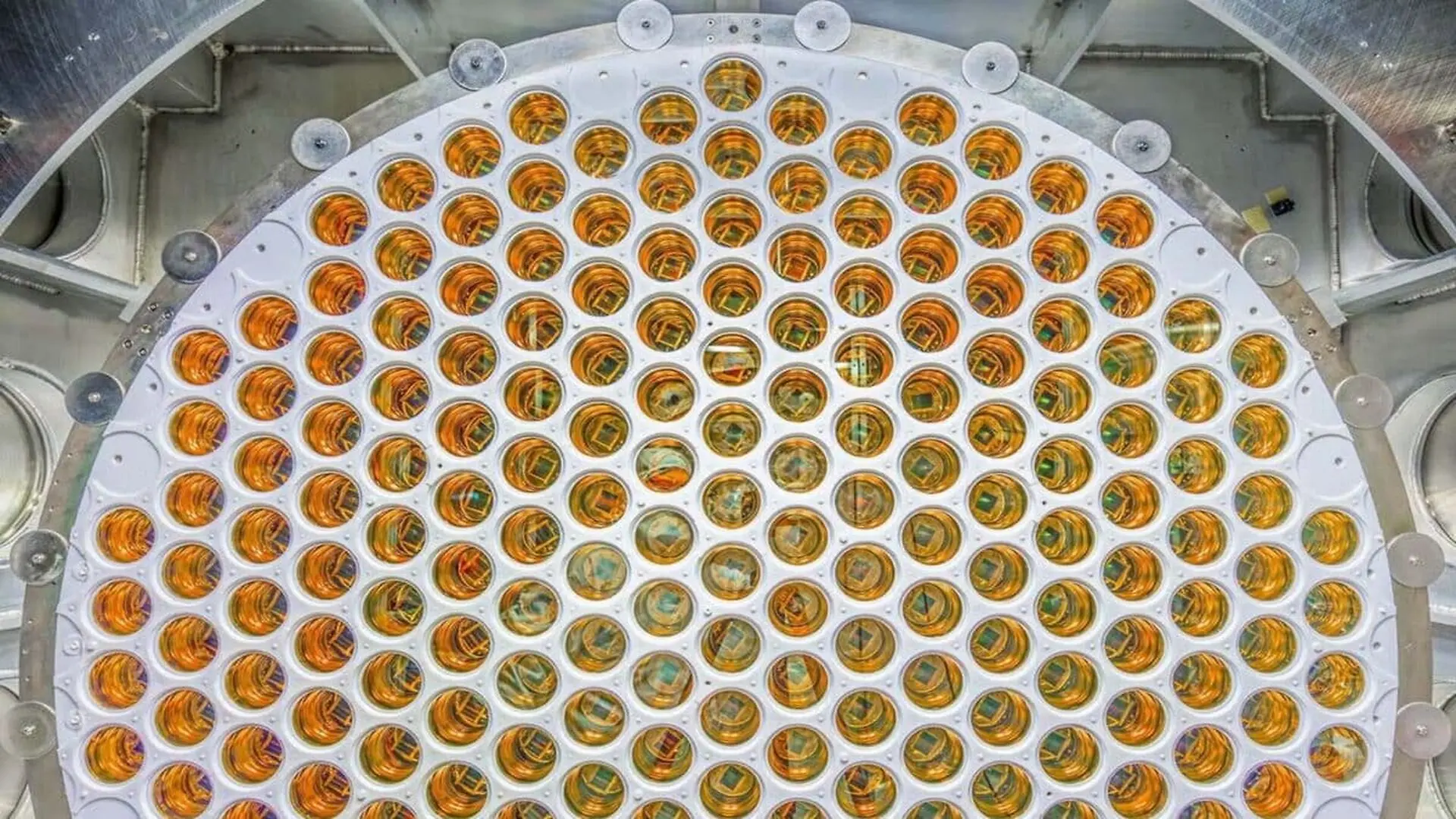
Physicists operating the LUX-ZEPLIN (LZ) detector, buried deep beneath the surface in South Dakota, have identified an anomalous particle interaction that defies simple explanation. While researchers emphasize that this is not a definitive detection of dark matter, the event stands out as the most significant, unexplained signal observed since the experiment began its hunt for the universe’s elusive “hidden” mass.
Dark matter remains one of the most profound mysteries in modern cosmology. Though it has never been detected directly, its gravitational influence on galaxies and large-scale structures suggests it accounts for approximately 85% of all matter in the cosmos. Scientists have spent decades searching for its potential signature, primarily through hypothetical entities known as weakly interacting massive particles, or WIMPs.
Advanced Detection in a Silent Environment
The LZ experiment, managed by the U.S. Department of Energy’s Lawrence Berkeley National Laboratory and supported by a global collaboration of 250 scientists from 39 institutions, is located at the Sanford Underground Research Facility. To maximize sensitivity, the team utilizes 10 tonnes of ultra-pure liquid xenon, which is engineered to flash when struck by passing particles.
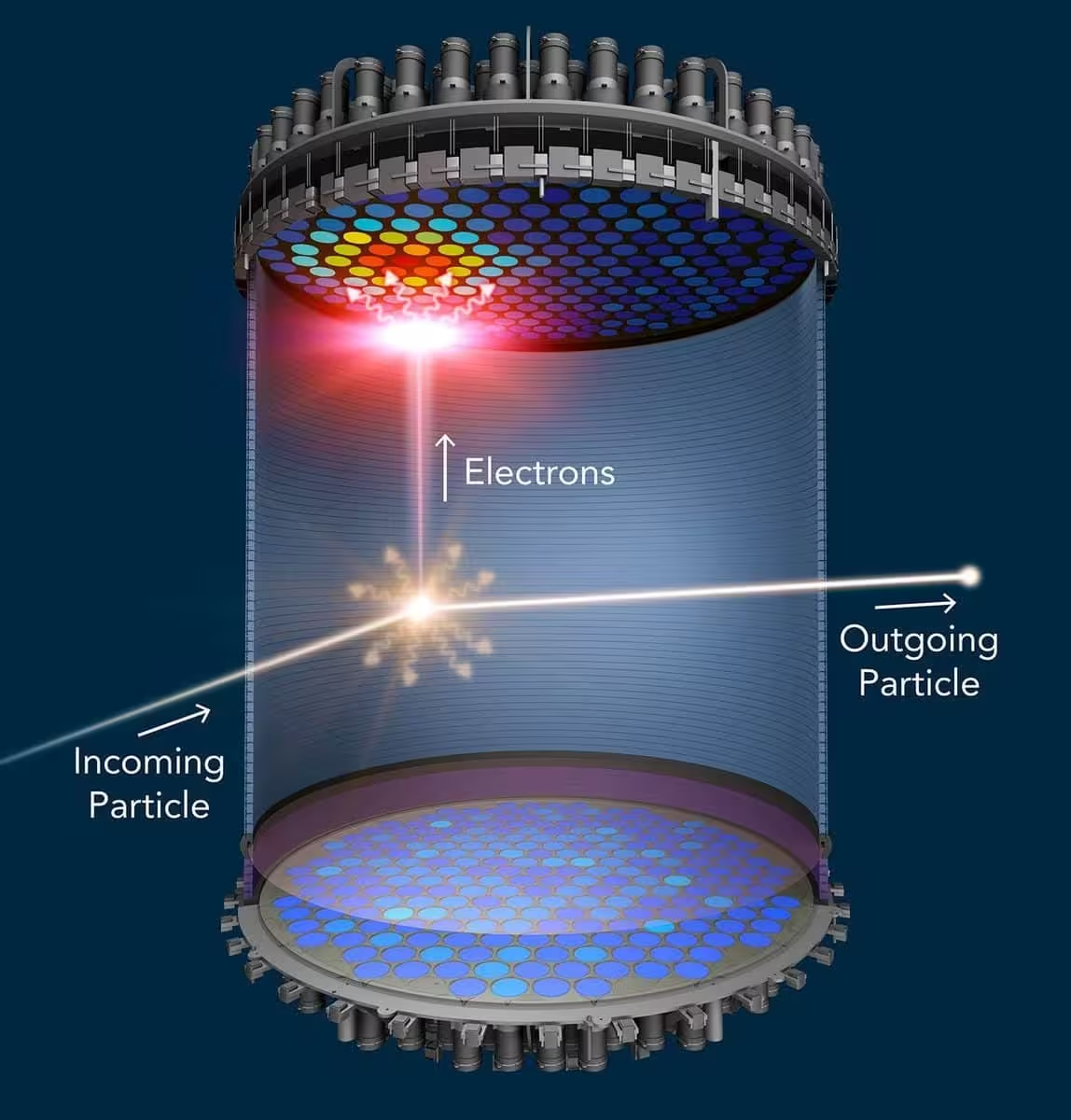
The current analysis, published via arXiv, evaluated 220 days of data collected between March 2023 and April 2024. In a departure from standard searches for low-energy WIMPs, the team broadened their criteria to look for higher-energy interactions. This expanded scope revealed a singular, unexplained event occurring in a region of the detector typically devoid of noise.
“With only one event, we don’t want to get ahead of ourselves,” said Rick Gaitskell, a professor at Brown University and spokesperson for the LZ collaboration. “We are not claiming to have seen dark matter. But we have seen something interesting that we want to share with the scientific community for their input.”
Scrutinizing the Outlier
The research team spent months rigorously vetting the signal to ensure it was not the product of radioactive contamination or instrument error. Lead author Sam Eriksen, a senior research associate at the University of Bristol, noted the extensive effort involved in characterizing the event. Despite the team’s confidence in their instrumentation, the finding sits at 2.6 sigma, well below the 5-sigma gold standard required in particle physics to declare a discovery.
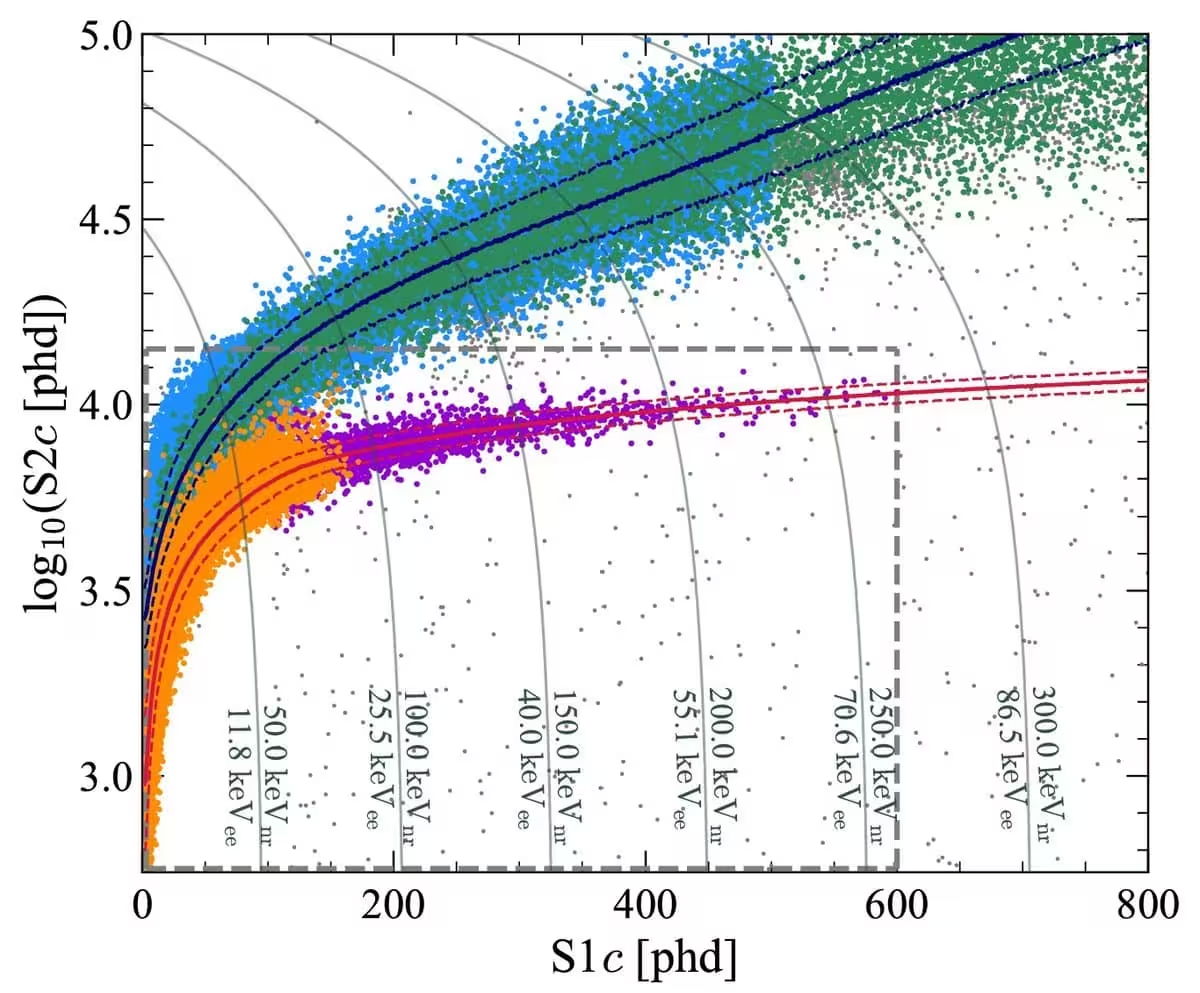
Should future data confirm the event as a genuine dark matter interaction, scientists estimate the particle involved would likely possess a mass of at least 200 GeV/c². For now, the signal remains a statistical curiosity.
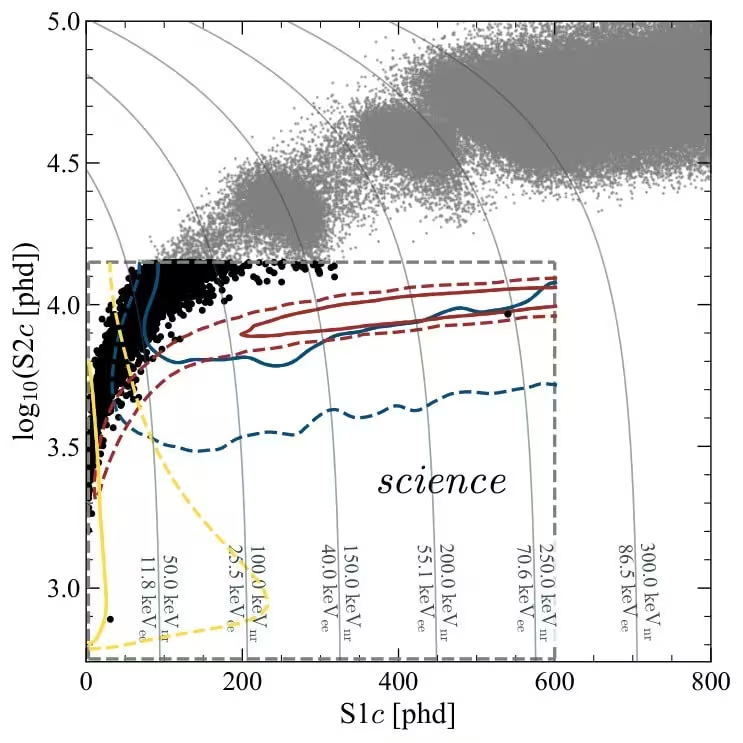
Aaron Manalaysay, chair of the LZ Institutional Board and a physicist at Berkeley Lab, noted that this is the first time he has encountered an outlier event in his career that maintained its validity through such intensive analytical scrutiny. As the detector continues its mission, the collaboration will rely on accumulating further observations to determine whether this mystery particle is truly the key to unlocking the dark sector.
This article has been fact checked for accuracy, with information verified against reputable sources. Learn more about us and our editorial process.
Last reviewed on .
Article history
- Latest version
Reference(s)
- Akerib, D.. “Search for dark matter particle interactions in an extended nuclear recoil energy window with the LUX-ZEPLIN (LZ) experiment.” arXiv.org <https://arxiv.org/abs/2609.02823>.
Cite this page:
- Posted by Farah Siddiqui