SpaceX Sends 7.5‑Ton SiriusXM Satellite Into Orbit - The Most Powerful Radio Boost Yet
Hayabusa2 readies for an ultra‑close pass that may uncover surprising secrets of a mysterious near‑Earth asteroid.
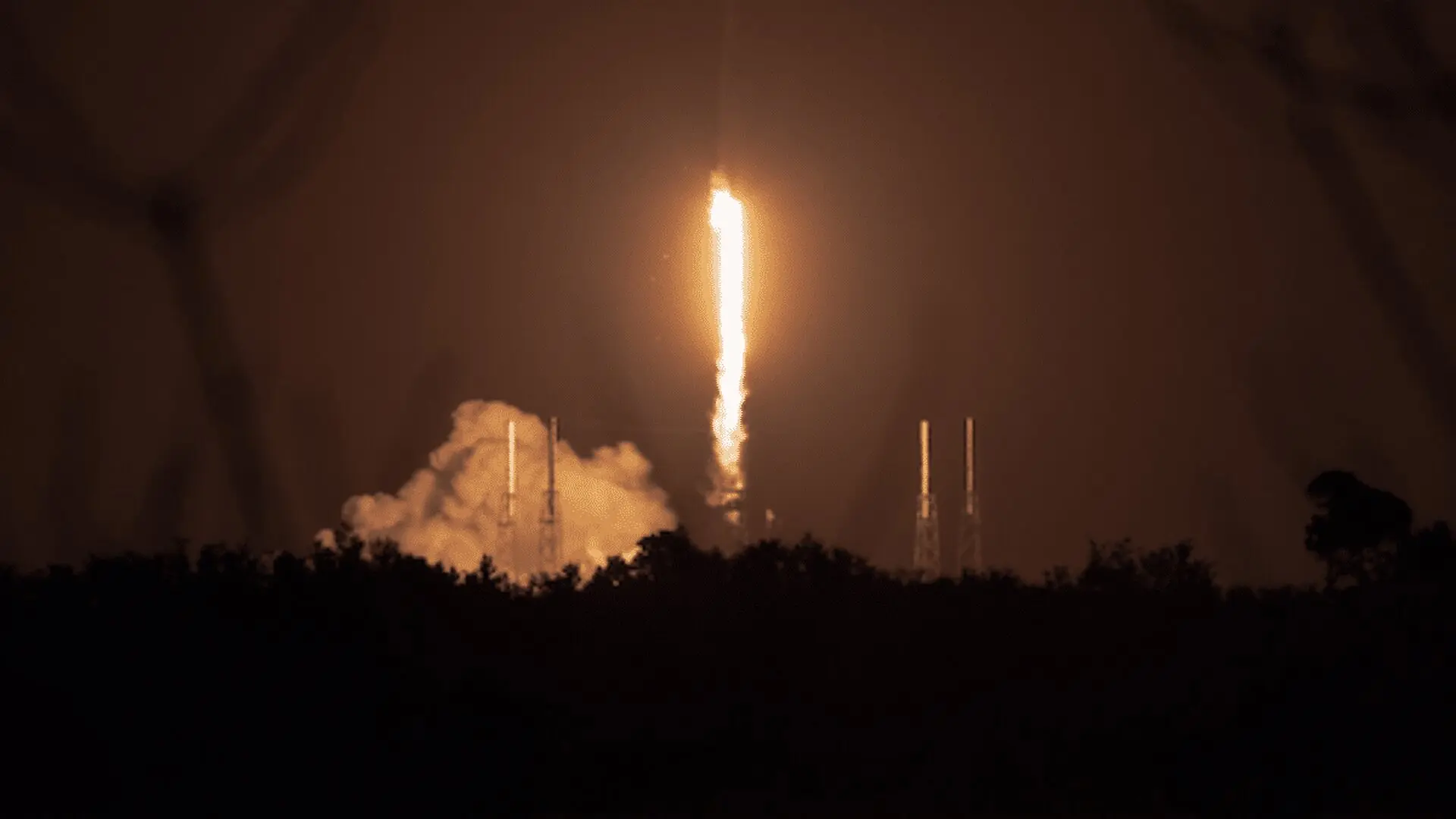
A Falcon 9 rocket lifted off from Cape Canaveral Space Force Station on June 28, delivering SiriusXM’s latest high‑power communications satellite, SXM‑11, into a geostationary transfer orbit. The launch, overseen by Spaceflight Now, marked a key step in the broadcaster’s effort to refresh its satellite fleet and extend service coverage across North America.
Heavyweight Satellite Sent Toward Geostationary Transfer Orbit
Liftoff occurred from Space Launch Complex 40 at 10:25 p.m. EDT, propelling the roughly 15,000‑pound (7.5‑ton) SXM‑11 toward its target orbit. The mission used the proven Falcon 9 booster B1085, now on its 17th flight, and saw the first stage touch down on the droneship A Shortfall of Gravitas about eight and a half minutes after launch. According to Spaceflight Now, the launch proceeded within a four‑hour window after weather monitoring confirmed acceptable conditions.
“Flow aloft will be weak and variable, supporting daily storm motions that will be seabreeze and outflow dependent. This erratic nature of storm motion is more evident in today’s model runs, suggesting a higher risk of storms lingering closer to the coast later into the night,” they wrote.
“However, remnant storms and clouds should slowly diminish as the night wears on during both the primary and backup launch opportunities.”
The improving forecast allowed the countdown to continue without major delays, clearing the way for a successful mission.
— SpaceX (@SpaceX) June 29, 2026
SXM‑11’s Role in Modernizing SiriusXM’s Broadcast Network
The new satellite replaces the aging XM‑5 (2010) and Sirius FM‑5 (2009) platforms, extending the company’s geostationary service backbone. Built by Lanteris Space Systems—now part of Intuitive Machines after acquiring Maxar Space Systems—the spacecraft rides on the IM‑1300 bus. Its solar arrays span about 106 feet, and the full structure reaches roughly 230 feet when the antenna is deployed. Propellant accounts for around 60 percent of its mass, supporting long‑term station‑keeping in geostationary orbit.
“After years of planning, engineering, testing, and collaboration, SXM‑11 is set to launch aboard a SpaceX Falcon 9 rocket and begin its journey to orbit.” The company added, “As the most powerful high‑powered satellite in SiriusXM’s fleet, SXM‑11 will help enhance signal reception, expand coverage in Alaska, and support the delivery of audio entertainment and information services across the United States, Canada, and the Caribbean.”
SiriusXM expects the upgraded capabilities to improve reliability for millions of listeners across its North American footprint.
Strategic Fleet Refresh Aims at Decade‑Long Service Continuity
The program also highlights the deepening collaboration between satellite operators and SpaceX, whose reusable launch system has become a go‑to solution for commercial communications customers seeking reliable, cost‑effective access to orbit.
SpaceX’s Reusable Rocket Strategy Reinforces Market Leadership
By re‑flighting booster B1085, SpaceX demonstrated the maturity of its Falcon 9 operations, delivering another high‑value payload while maintaining a rapid launch cadence. The company’s ability to recover and reuse boosters continues to attract satellite manufacturers and operators looking for dependable launch slots amid growing demand for next‑generation spacecraft.
As SXM‑11 proceeds toward its final geostationary slot, the mission exemplifies how commercial launch providers and satellite builders are jointly upgrading the communications infrastructure that underpins daily life for millions.
This article has been fact checked for accuracy, with information verified against reputable sources. Learn more about us and our editorial process.
Last reviewed on .
Article history
- Latest version
Reference(s)
- “SpaceX launches 7.5-ton SiriusXM satellite as part of constellation refresh – Spaceflight Now.” <https://spaceflightnow.com/2026/06/28/live-coverage-spacex-to-launch-7-5-ton-siriusxm-satellite-as-part-of-constellation-refresh/>.
Cite this page:
- Posted by Divya Iyer