DNA Secrets in the Shroud of Turin Reveal Its Environmental Journey
Scientists apply genetic sequencing to the Shroud of Turin’s linen fibers, revealing preserved biological traces and a new way to study its material history.
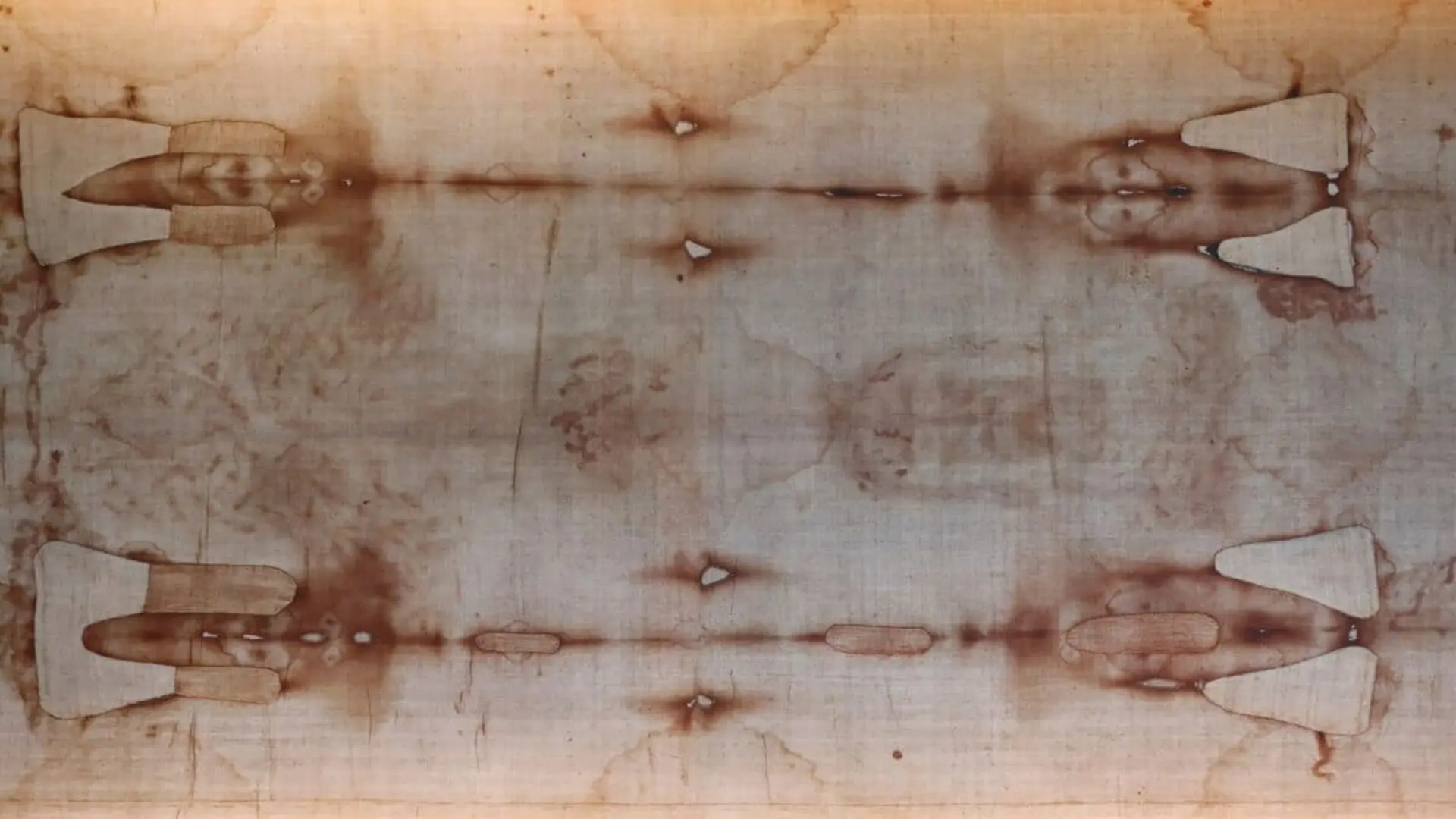
A team of molecular biologists and archaeometrists applied cutting‑edge metagenomic sequencing to tiny fragments of the Shroud of Turin, aiming to map the microscopic life that has colonized the linen over centuries of exposure.
DNA Profiling Uncovers a Mosaic of Microbial Residents
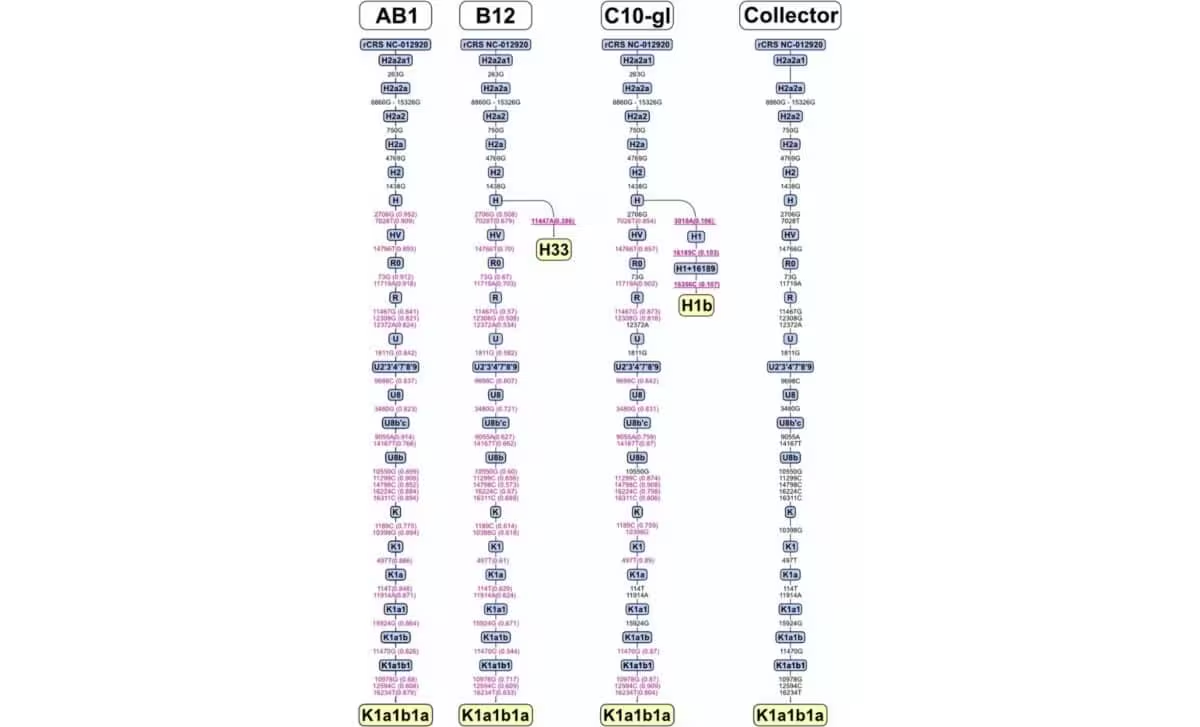
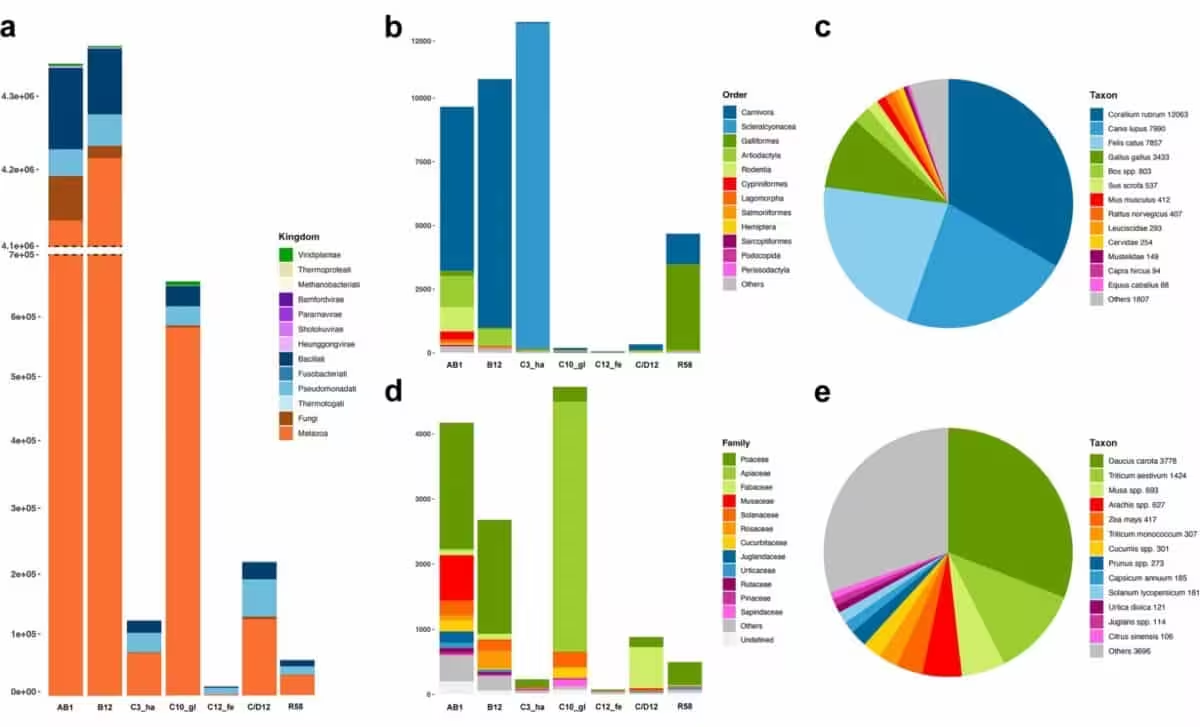
By extracting minute fiber portions and amplifying their genetic material through polymerase chain reaction, the researchers were able to catalogue bacterial and fungal DNA signatures without sacrificing appreciable amounts of the relic. The analysis revealed a diverse assemblage of microorganisms, some typical of moderate‑climate habitats, while others hinted at environments with distinct humidity and temperature regimes compared with present‑day conditions inside the Turin Cathedral.
The authors emphasized that their intent was not to resolve the long‑standing question of whether the cloth once covered a crucified individual, but rather to demonstrate how forensic‑style genomics can enrich the contextual story of historic artifacts by tracing the biological footprints left behind.
Geographic mapping of the detected taxa suggested possible links to regions spanning the eastern Mediterranean and various parts of Europe, offering clues about the shroud’s movement and handling over time. Nonetheless, the investigators warned that such patterns are provisional and must be interpreted with caution.
Biological Clues Offer Insight, Not Definitive Dates
The genetic record illuminates the range of organisms that have interacted with the linen, yet it does not establish a precise chronological framework for the shroud’s origin. The study explicitly states that the microbial evidence neither supports nor contradicts the 1988 radiocarbon dating that placed the fabric in the medieval period.
Experts caution that microbial signatures can be introduced at multiple stages—storage, display, restoration—making it hazardous to infer singular historical events from such data alone. For instance, the shroud bears scars from documented fires in 1534 and 1694; the researchers noted that burn‑affected fibers might retain specific biological markers tied to those episodes.
Separate radiocarbon tests on two threads removed from the reliquary have already identified those strands as later repairs rather than original material, underscoring how conservation history can complicate interpretations of scientific results.
Beyond the Shroud, the authors argue that coupling paleogenomics with material‑science techniques could open new investigative pathways for other ancient objects that retain organic residues, such as manuscripts, historic garments, or shipwreck timbers.
The broader scientific community is expected to integrate these findings with existing chemical, physical, and historical research on the relic. The investigators stress that further independent studies will be essential to validate and expand upon the preliminary patterns observed.
In sum, the work positions the Shroud of Turin as a living archive of environmental interactions, offering a novel dimension of data while leaving the core questions of authenticity and dating unresolved.
This article has been fact checked for accuracy, with information verified against reputable sources. Learn more about us and our editorial process.
Last reviewed on .
Article history
- Latest version
Cite this page:
- Posted by Elizabeth Taylor