Ancient Footprints Reveal Unexpectedly Large Size of Human Cousin and Complex Social Lives
Scientists are analyzing 1.4-million-year-old footprints to identify the ancient humans who traveled together and why they were never found walking alone.
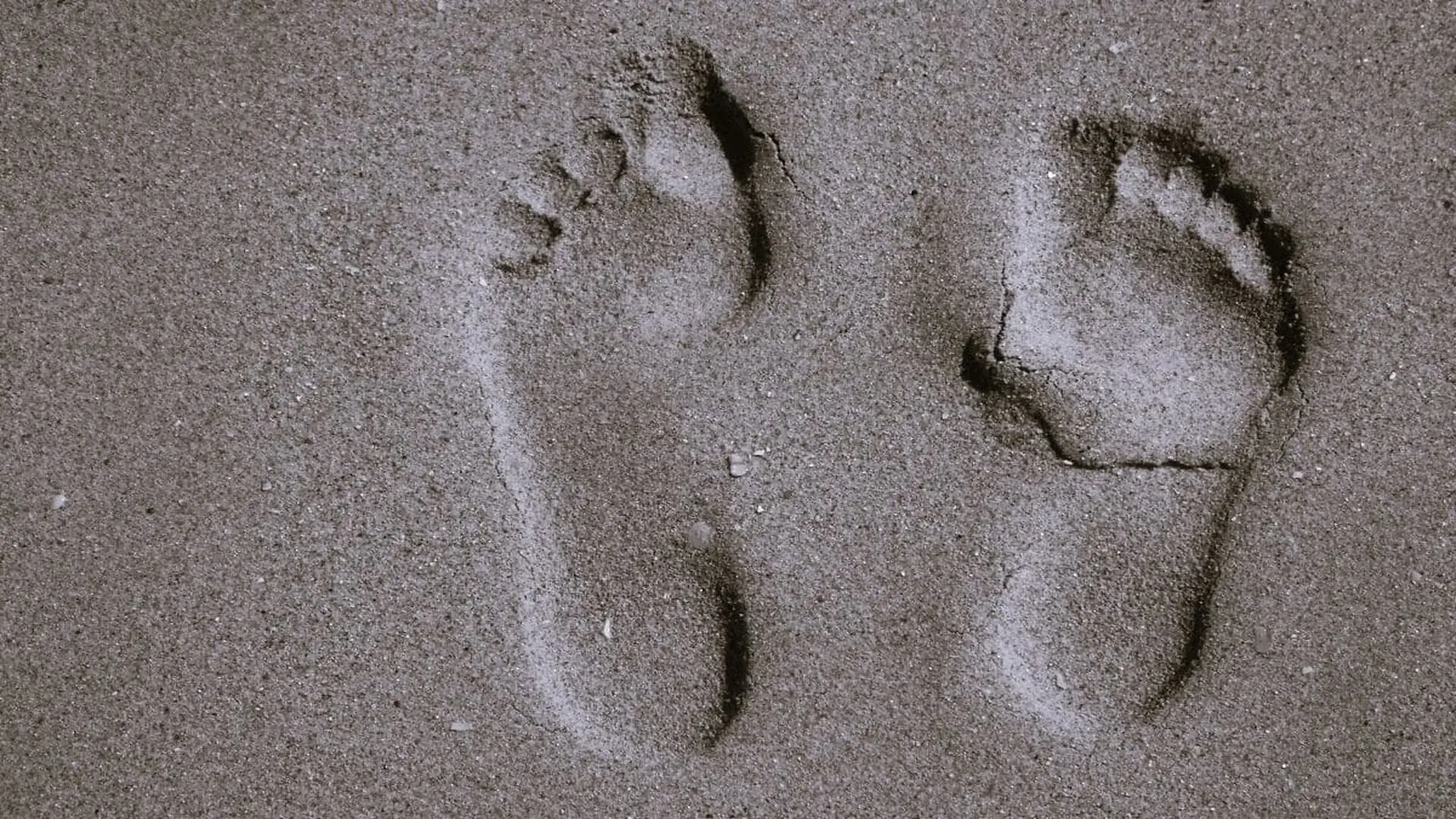
An extraordinary discovery of 1.4-million-year-old fossilized tracks in northern Kenya is forcing paleoanthropologists to rethink the physical stature and social dynamics of Paranthropus boisei, a species long overshadowed by its more famous evolutionary counterparts. These impressions, uncovered in the ancient mud of a former lakeshore, provide a rare look at a hominin species primarily defined until now by its distinctively robust skull and heavy jaw.
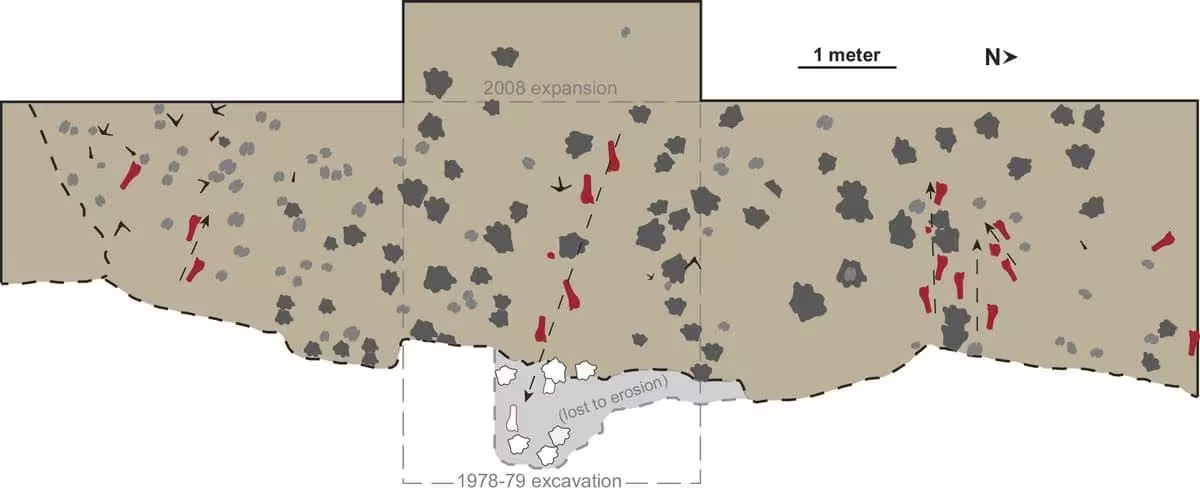
For decades, researchers have been hampered by a sparse post-cranial fossil record for P. boisei, leaving the species’ actual height and movement largely to speculation. This new site, however, preserves the movements of eight individuals, offering a window into a daily life that was far more sophisticated than bone fragments alone could suggest.
Challenging Assumptions About Body Mass
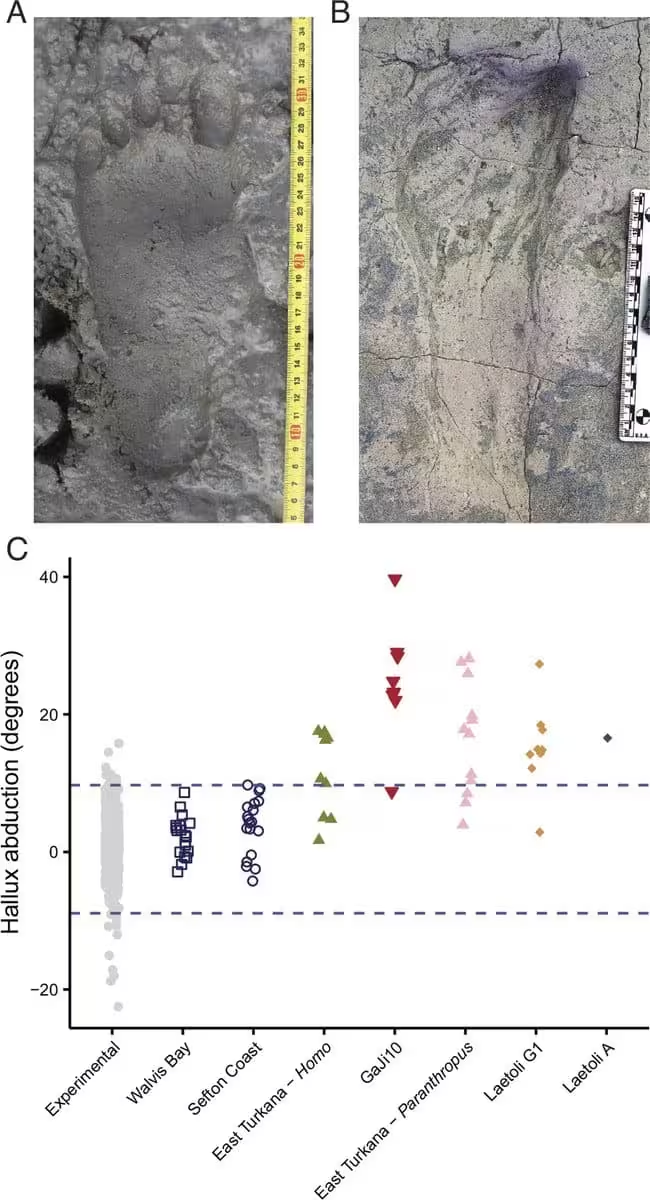
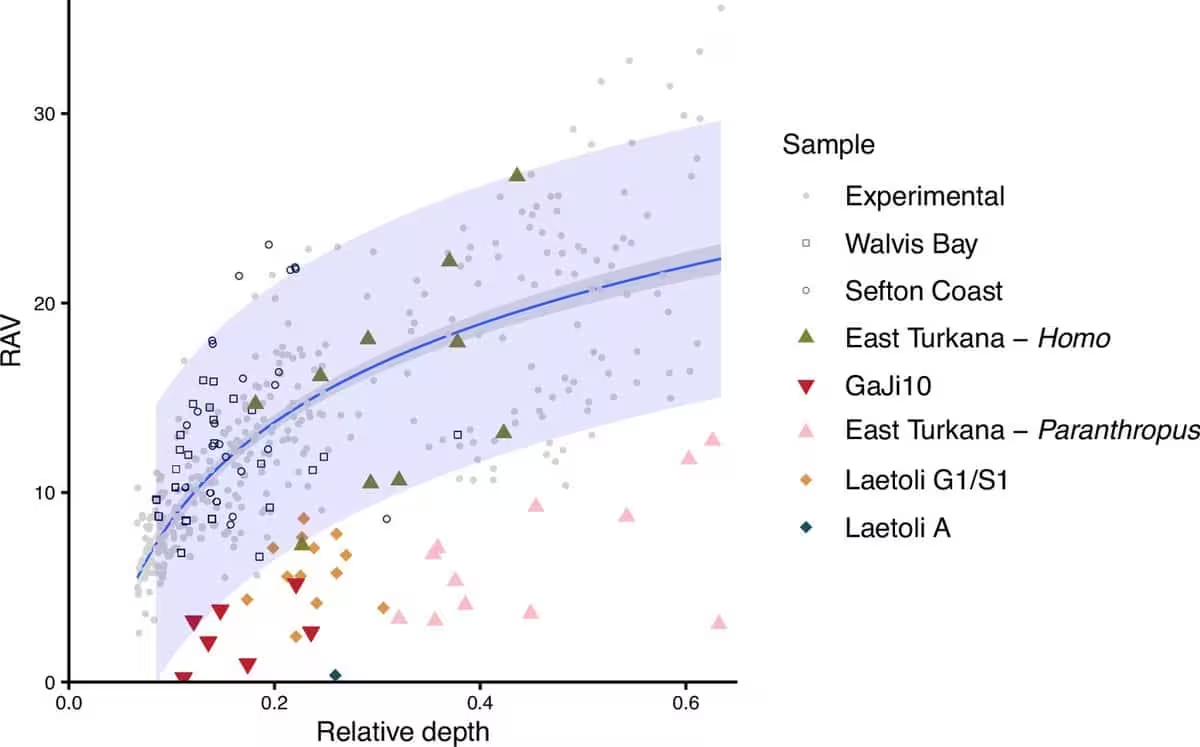
The tracks, analyzed using specialized forensic techniques developed in 2024 to assess gait and foot anatomy, reveal that these ancient hominins were significantly larger than previously theorized. Lead author Kevin Hatala of Chatham University and the Max Planck Institute for Evolutionary Anthropology explains that the dimensions of the footprints point to individuals reaching heights of up to 1.8 meters and weights around 75 kilograms.
This evidence creates a new wrinkle in the evolutionary timeline, as it brings the size of P. boisei much closer to that of Homo erectus. Previously, the former was thought to be significantly smaller than the species often cited as a direct ancestor to modern humans.
Insights into Complex Social Structures
Beyond physical measurements, the spatial arrangement of the tracks suggests a level of social complexity that skeletal remains cannot reveal. The group of eight appears to have traveled as a single unit. Notably, the trackway composition points toward a group dominated by adult males, lacking the expected presence of females or juveniles.
According to Neil Roach of Harvard University, this behavioral snapshot implies a social life defined by both tension and necessary alliance. The findings suggest a structure where males likely engaged in competition for mates but maintained sufficient tolerance for one another to navigate the perils of their environment as a collective.
The Persistent Appeal of the Lake Turkana Shoreline
The discovery is part of an ongoing effort at Lake Turkana, where hundreds of tracks have been documented across multiple sites. A fascinating aspect of the research is the discovery of similar lake-margin deposits at sites separated by 40 kilometers. Kay Behrensmeyer of the Smithsonian Institution notes that understanding the geological conditions that preserved these tracks could explain why these early hominins consistently returned to the same shoreline environments for over 100,000 years.
Purity Kiura of the National Museums of Kenya emphasized that these findings further solidify the region’s status as a premier global laboratory for evolutionary science. As the team prepares for further excavations, the growing collection of footprints serves as a dynamic, unfolding chronicle of life in the Early Pleistocene.
This article has been fact checked for accuracy, with information verified against reputable sources. Learn more about us and our editorial process.
Last reviewed on .
Article history
- Latest version
Reference(s)
- “Kevin Hatala.” Chatham University <https://www.chatham.edu/academics/undergraduate/biology/faculty/kevin-hatala.html>.
- <https://evolutionarygenetics.hsites.harvard.edu/people/neil-roach-phd>.
- <https://naturalhistory.si.edu/staff/kay-behrensmeyer>.
- “Purity Kiura.” <https://nmk.go.ke/purity-kiura/>.
Cite this page:
- Posted by Elizabeth Taylor