Rare Ancient Ring Discovered in Sunken Egyptian Palace Features Lost Wonder of the World
Divers exploring the depths of an ancient Egyptian harbor have discovered a mysterious ring linked to one of the world’s long-lost wonders.
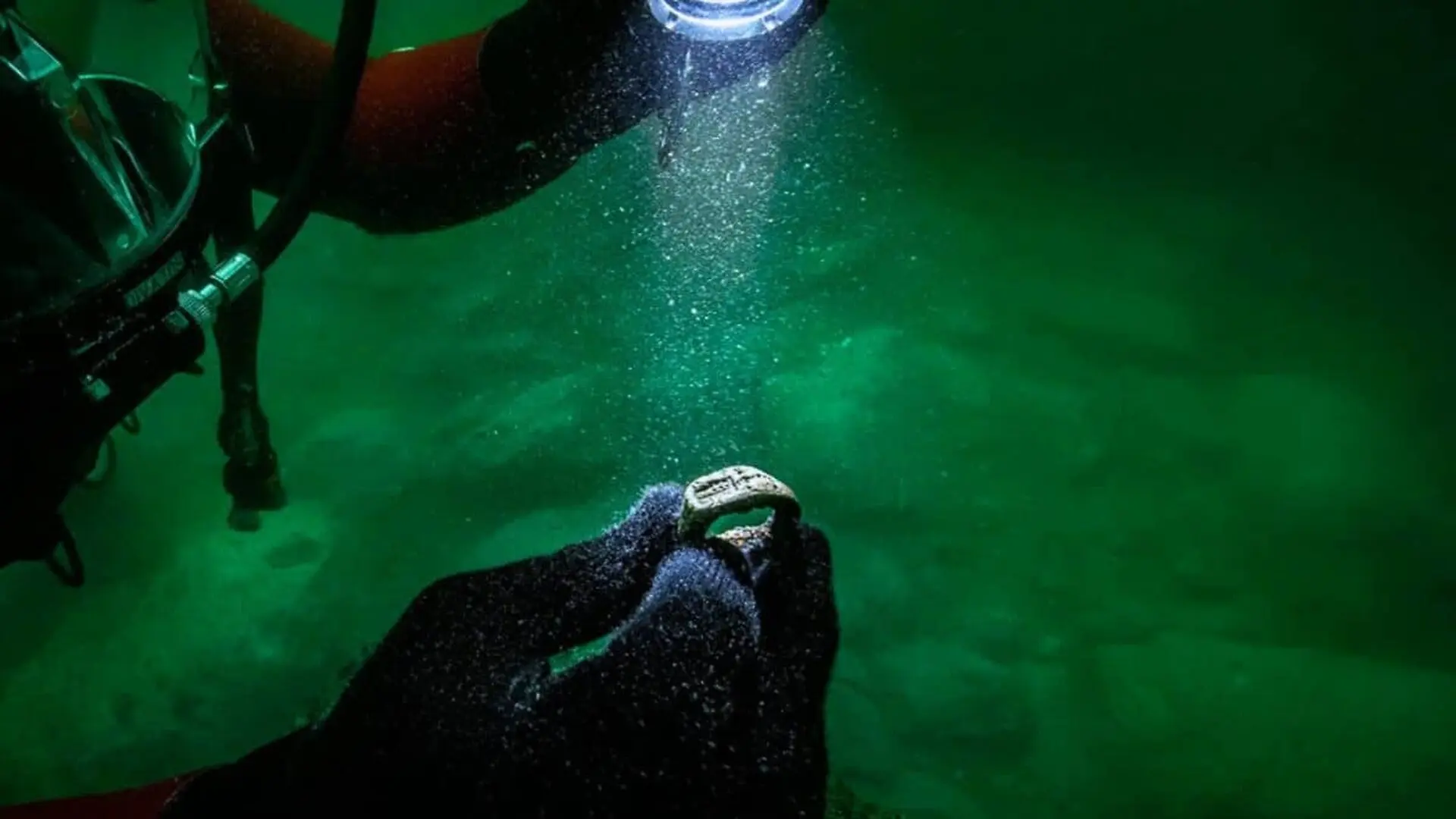
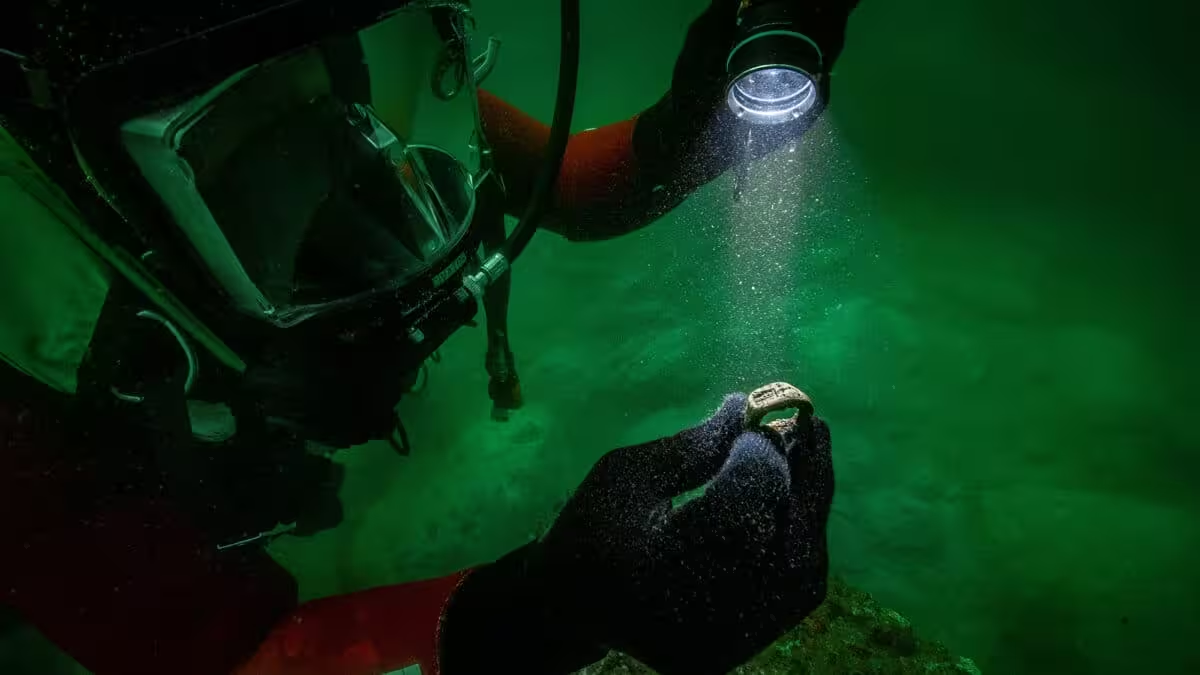
Divers exploring the submerged remnants of Alexandria’s royal harbor have recovered a rare bronze signet ring featuring an engraving of one of the ancient world’s greatest architectural achievements: the Lighthouse of Alexandria. The discovery, announced in October 2026 by Egypt’s Ministry of Tourism and Antiquities, marks the first time this iconic wonder has been identified on a personal seal.
The artifact was retrieved from the seabed at Antirhodos, a small island that once sat at the heart of the Ptolemaic royal quarter, known as the Portus Magnus. The excavation was conducted by the European Institute for Underwater Archaeology (IEASM), a team directed by Franck Goddio, with ongoing support from the Hilti Foundation.
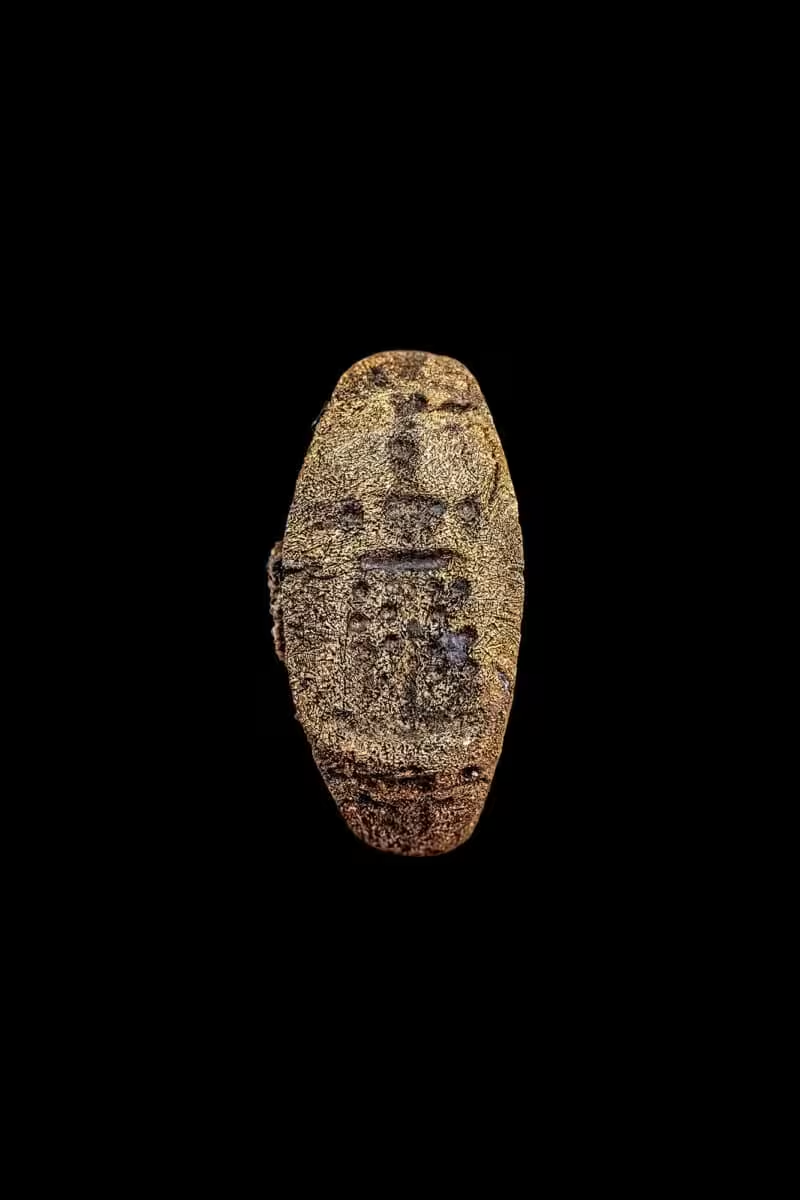
The signet ring served as a functional tool for its owner, used to press into wax or clay to verify documents or seal containers. While the engraving on the bronze face shows signs of wear, its silhouette bears a striking resemblance to depictions of the lighthouse found on Alexandrian coins dating to the second century A.D.
Goddio emphasized the significance of the location, noting that finding such an item within the legendary palace on Antirhodos highlights the island’s role as a former epicenter of political and administrative power. Researchers have noted a peculiar asymmetrical feature at the summit of the engraved tower. Independent researcher Andrew Chugg and professor emerita Margaret Miles both suggest this detail could represent a plume of smoke rising from the beacon, perhaps emitted from an oil lamp held by a crowning statue.
Archaeologists are divided on the ring’s specific purpose. While the IEASM team suggests it may have belonged to an official managing the lighthouse’s administration, others, such as Miles, propose it could have belonged to a merchant. In this interpretation, the lighthouse—the city’s most recognizable landmark—would have functioned as a proud symbol of the user’s origin or status. Hector Williams, a maritime historian at the University of British Columbia, noted in comments to The Art Newspaper that the full historical weight of the discovery will depend on a rigorous analysis of the ring’s exact stratigraphic context.
The Lighthouse of Alexandria, constructed around 280 B.C. on the island of Pharos under Ptolemy II, stood over 100 meters high and remained a navigational beacon for over a millennium before falling during a series of earthquakes in the 14th century. The current diving project at Antirhodos has been ongoing since 1992, systematically recovering a wealth of artifacts, including glass, amphorae, and domestic pottery, that chronicle eight centuries of life in the ancient Egyptian capital.
This article has been fact checked for accuracy, with information verified against reputable sources. Learn more about us and our editorial process.
Last reviewed on .
Article history
- Latest version
Reference(s)
- Ditmars, Hadani. “Signet ring depicting the Lighthouse of Alexandria—a lost wonder of the ancient world—discovered during underwater excavation.”, October 9, 2026 The Art Newspaper - International art news and events <https://www.theartnewspaper.com/2026/10/09/signet-ring-depicting-lighthouse-of-alexandria-discovered-underwater-excavation>.
Cite this page:
- Posted by Vikram Desai