A Record-Breaking Cosmic Explosion Just Sent an Electrical Pulse Through Earth’s Atmosphere
A record-breaking gamma-ray burst from 2 billion light-years away has left a rare, measurable electrical signature in Earth’s upper atmosphere.
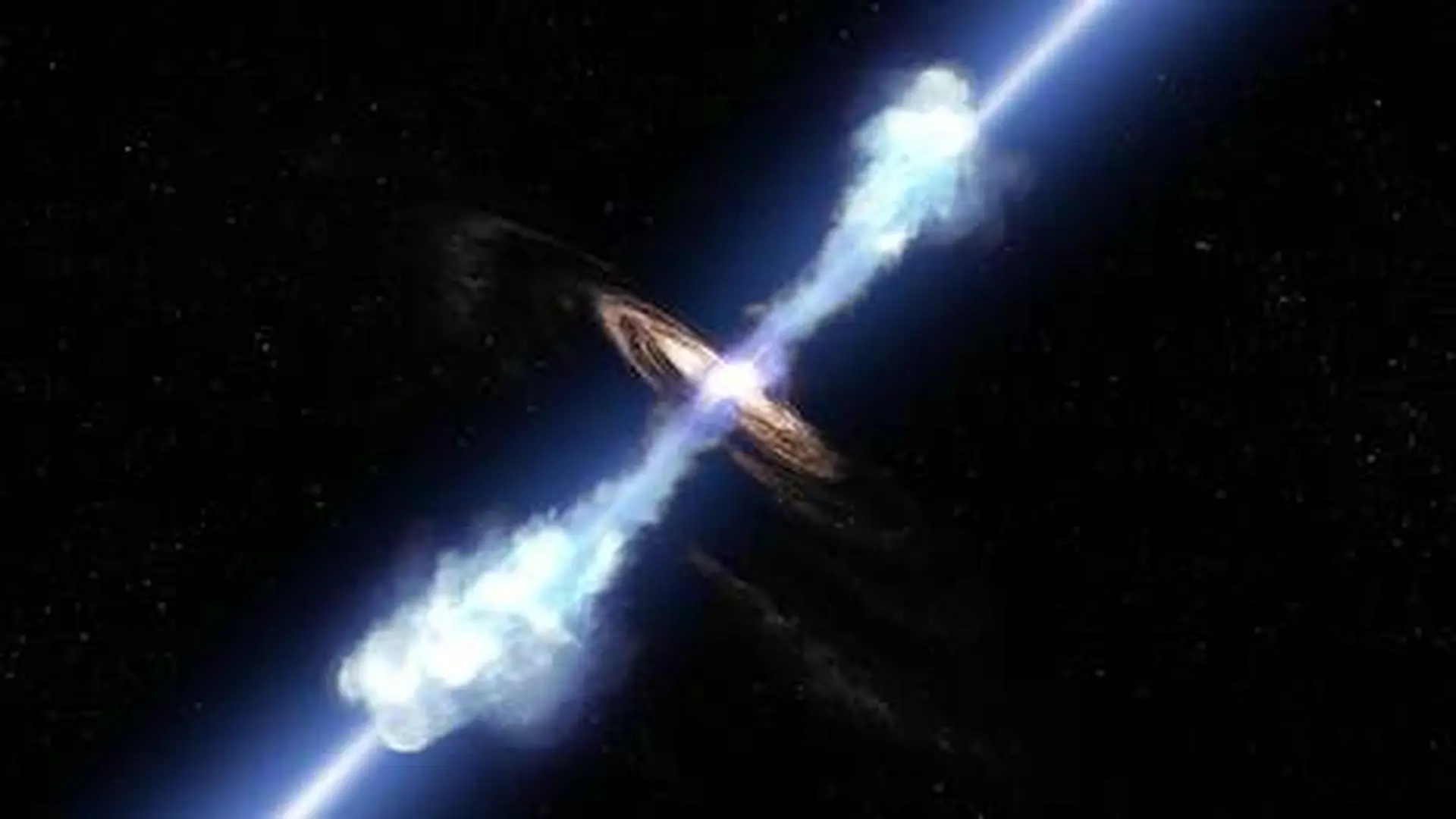
A staggering burst of radiation from an exploding star, located nearly 2 billion light-years away, has provided the first clear evidence that extreme cosmic events can physically alter Earth’s upper atmosphere. The findings, published in Nature Communications, detail how the intense gamma-ray burst, cataloged as GRB 221009A, triggered measurable electrical disturbances across our planet’s ionosphere.
An Unprecedented Cosmic Signal
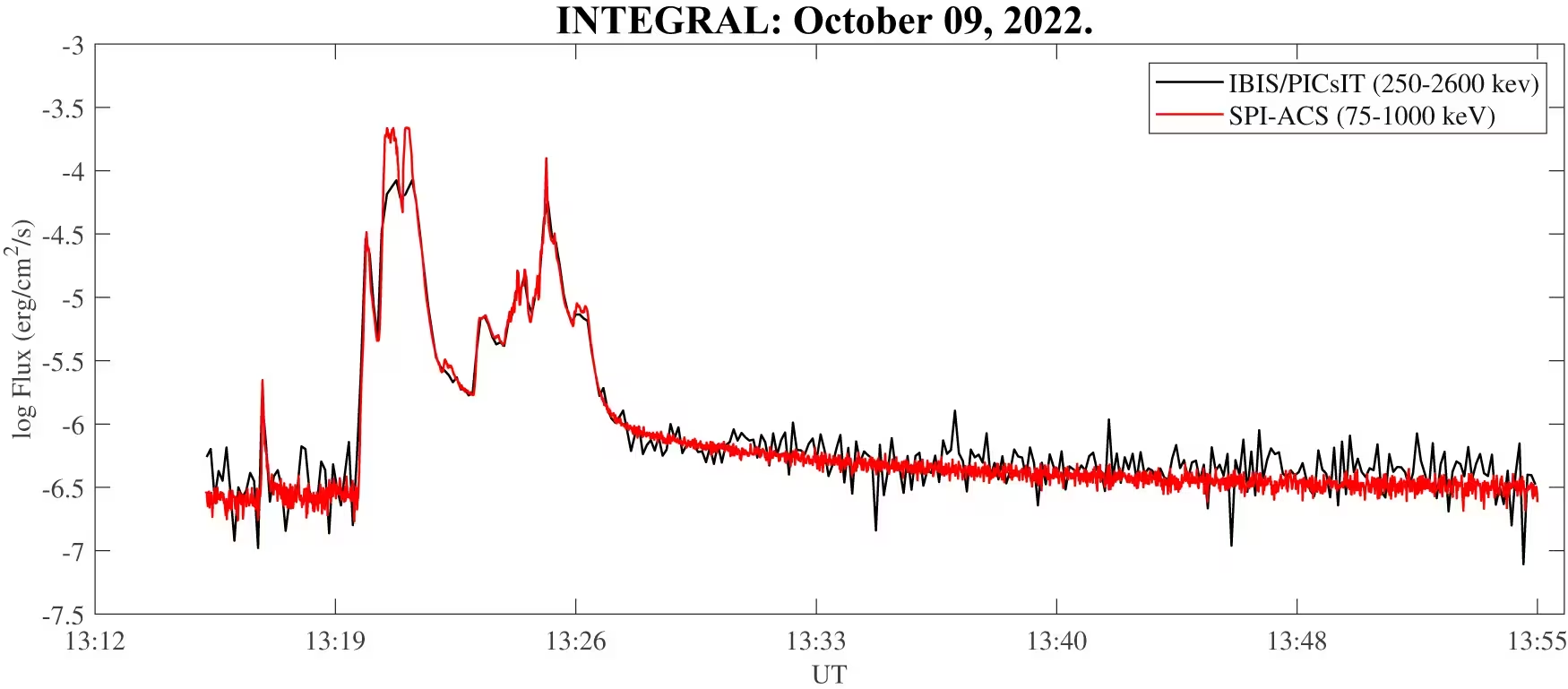
Detected on October 9, 2022, by observatories including the European Space Agency’s Integral mission, GRB 221009A stands as the most luminous gamma-ray burst ever recorded. Gamma-ray bursts are the universe’s most violent explosions, typically resulting from the collapse of massive stars or the collision of neutron stars. While these phenomena are frequently detected, the sheer power of this specific event allowed it to traverse two billion years of cosmic distance and still leave a detectable fingerprint on Earth’s atmosphere.
“We’ve been measuring gamma-ray bursts since the 1960s, and this is the strongest ever measured,” explains co-author Pietro Ubertini of the National Institute for Astrophysics in Rome. Researchers estimate that an event of this magnitude is a once-in-10,000-year occurrence. The radiation lasted roughly 800 seconds, with effects registered globally by equipment ranging from lightning detectors in India to atmospheric sensors in Germany.
Mapping Atmospheric Changes from Space
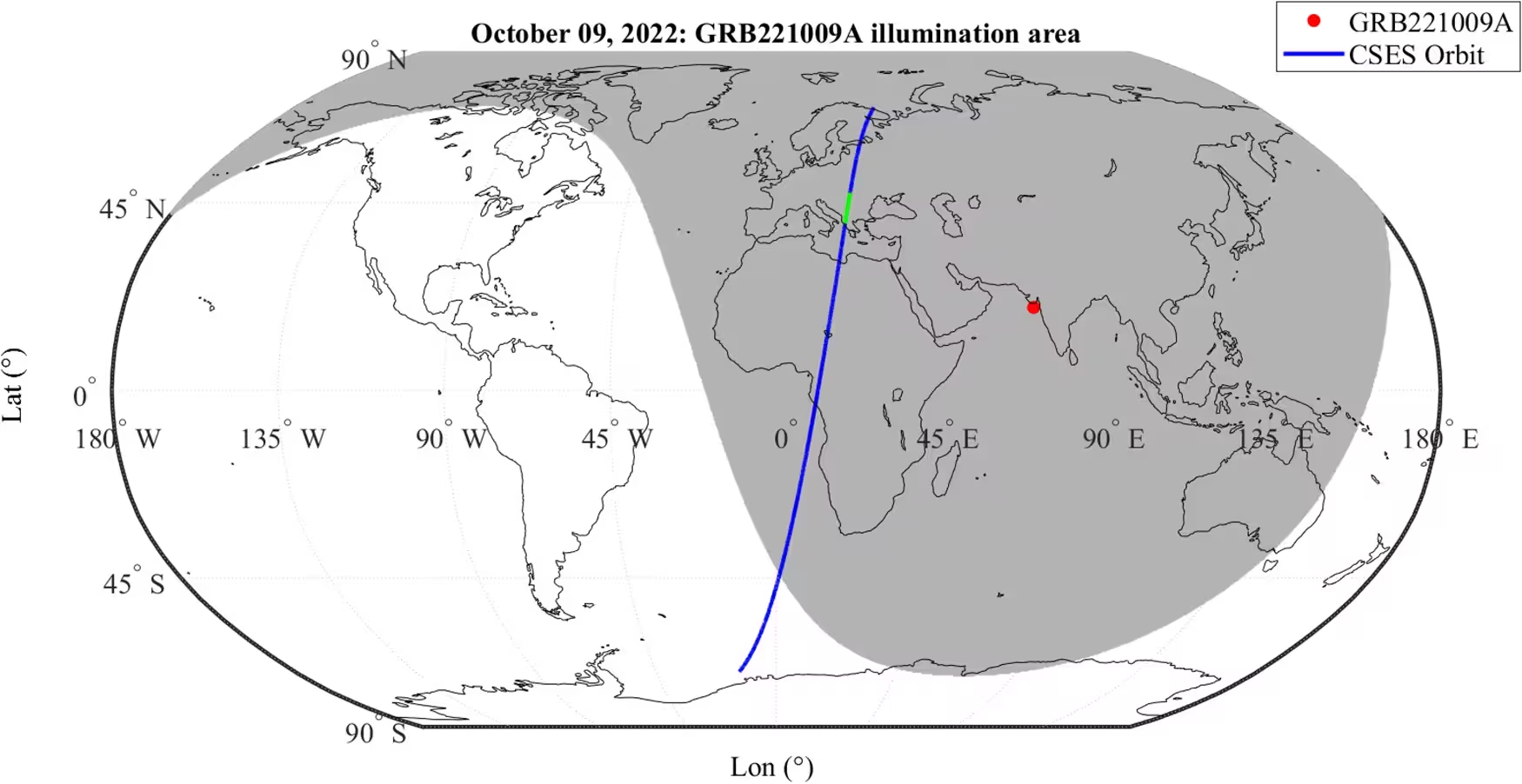
The core of the study relies on data from the China Seismo-Electromagnetic Satellite (CSES). Designed to monitor ionospheric plasma and electromagnetic fluctuations, the satellite captured a significant variation in the electric field within the top-side ionosphere—the layer stretching 50 to 950 kilometers above Earth’s surface. This region is usually governed by solar activity, making the detection of a distinct, non-solar signature particularly noteworthy.
“We had looked for this effect from other GRBs in the past but had seen nothing,” Ubertini notes. The exceptional intensity of GRB 221009A provided the necessary signal-to-noise ratio to confirm that the incoming high-energy photons were indeed responsible for the electrical shifts.
A Deep Atmospheric Impact
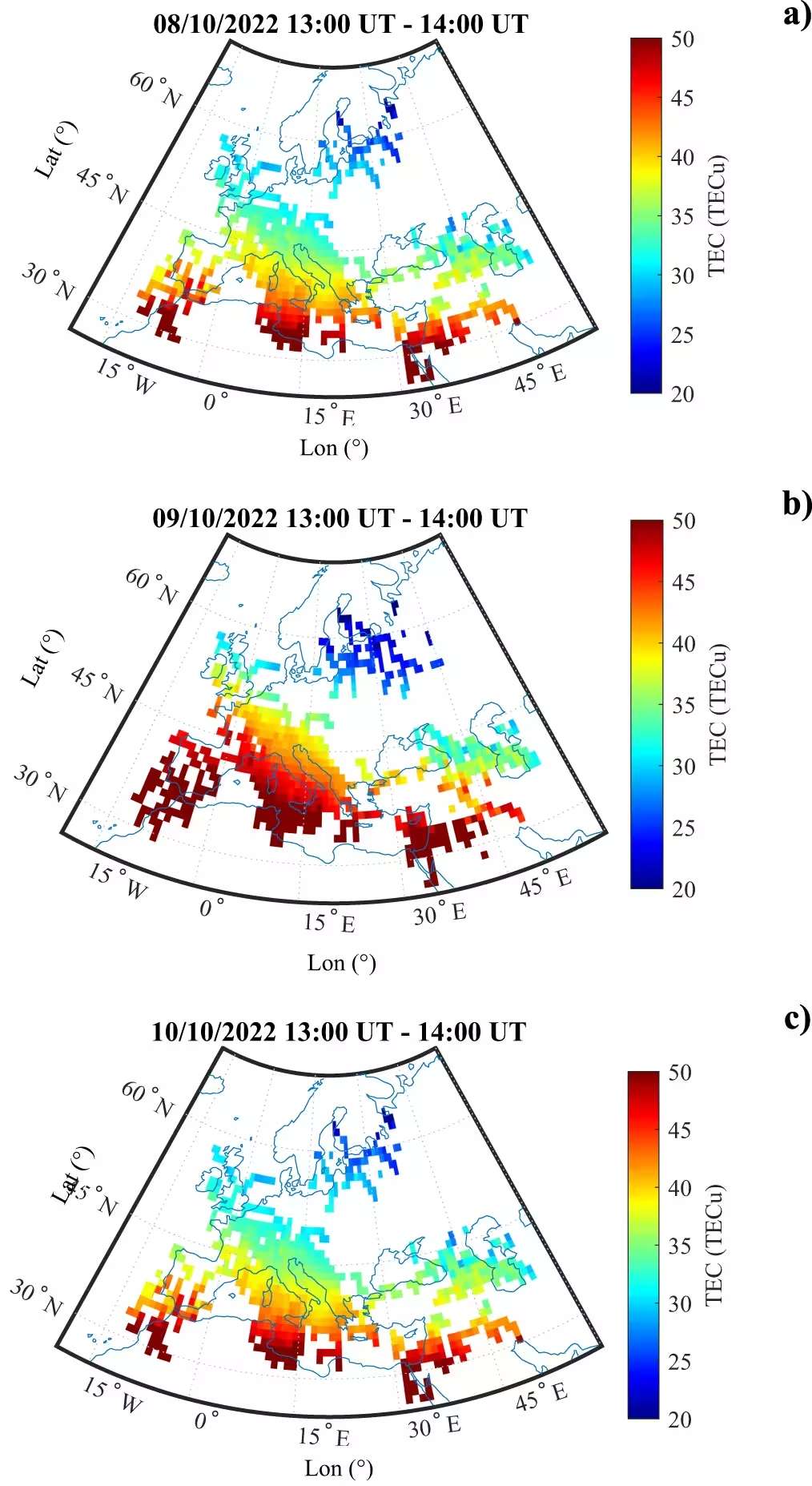
Beyond the upper ionosphere, the disturbance reached deep into the lower atmosphere. According to Laura Hayes, a solar physicist at the ESA, the event left an imprint on the lowest layers of the ionosphere comparable to that of a major solar flare. By ionizing atoms and molecules upon impact, the gamma rays essentially “electrified” the upper reaches of our atmosphere, demonstrating that a source billions of light-years away can still command a direct physical influence on Earth’s environment.
This discovery provides a crucial data point for scientists modeling the potential risks of more proximal high-energy events. While there is no evidence that this burst threatened life, researchers have long hypothesized that intense cosmic radiation could deplete the ozone layer, potentially altering the planet’s habitability over long timescales. Understanding how our atmosphere responds to these incoming photons is a necessary step in evaluating these long-term astrophysical risks.
Refining Future Detection
The team is now reviewing historical satellite data to see if subtler signatures of previous gamma-ray bursts were missed. By correlating past astronomical events with existing plasma and electric field measurements, researchers hope to create a more comprehensive model of how Earth’s atmosphere reacts to extreme deep-space phenomena. As satellite technology improves, future missions will likely be able to monitor these responses across multiple altitudes simultaneously, further bridging the gap between high-energy astrophysics and terrestrial atmospheric science.
This article has been fact checked for accuracy, with information verified against reputable sources. Learn more about us and our editorial process.
Last reviewed on .
Article history
- Latest version
Reference(s)
- Piersanti, Mirko. “Evidence of an upper ionospheric electric field perturbation correlated with a gamma ray burst - Nature Communications.”, vol. 14, no. 1, November 14, 2023, pp. 7013 Nature, doi: 10.1038/s41467-023-42551-5. <https://www.nature.com/articles/s41467-023-42551-5>.
Cite this page:
- Posted by Bilal Abbasi