Ancient Chemical Clues Reveal What Earth’s Earliest Animals Likely Looked Like
Chemical traces in ancient rocks provide compelling new evidence for the existence of Earth’s earliest sponges, despite the lack of fossilized remains.
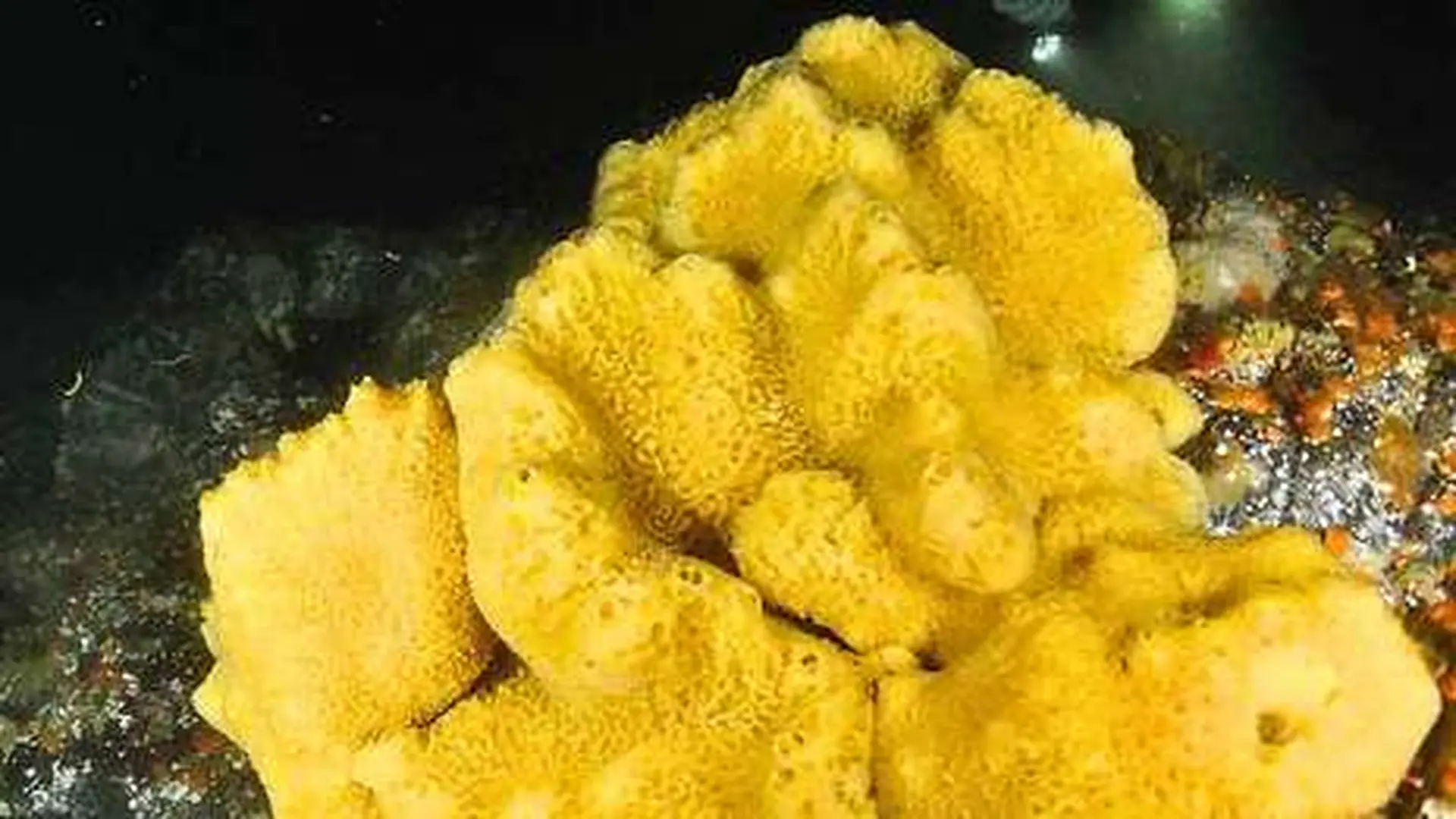
Geoscientists have uncovered compelling new evidence suggesting that sea sponges were among the earliest animal life forms to inhabit Earth, potentially pre-dating the well-documented Cambrian explosion of biological diversity. By analyzing ancient rock formations across Oman, western India, and Siberia, researchers identified two distinct 31-carbon organic molecules that serve as robust biological markers for modern demosponges.
The findings, detailed in the Proceedings of the National Academy of Sciences, focus on the presence of stable organic residues known as steranes. Unlike bones, shells, or body impressions that characterize more traditional fossil records, steranes represent the persistent chemical remnants of sterols—vital components found within cell membranes. Because soft-bodied organisms often leave no physical traces behind as they decay, these molecular fingerprints provide a rare window into the biology of ancient, multicellular life.
Refining the Molecular Fossil Record
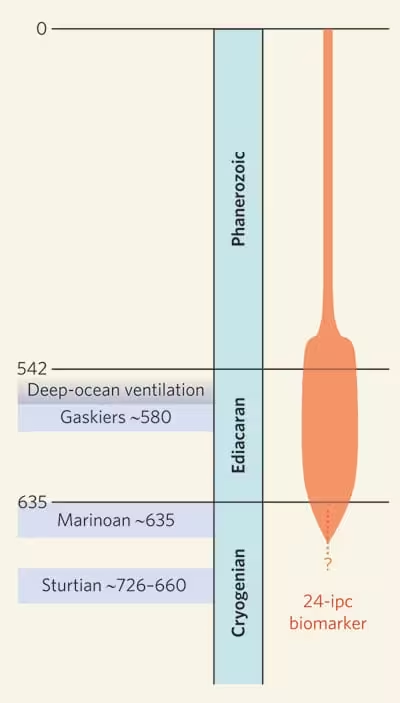
The debate surrounding early animal life has long centered on chemical markers. In 2009, a landmark study identified 30-carbon steranes, specifically 24-isopropylcholestane, in sedimentary rocks from Oman. These researchers argued that because modern demosponges produce the precursors to these molecules, the compounds acted as fossils indicating animal life existed before the Marinoan glaciation, roughly 635 million years ago.
However, that interpretation faced skepticism. Critics suggested that these markers might have originated from other sources, such as single-celled Rhizaria, or that the molecules could have been produced through the random chemical degradation of algal matter. To move past this uncertainty, a team led by Lubna Shawar sought a more definitive chemical signature—one less likely to be a geological coincidence.
Synthesizing Biological Signatures
The researchers concentrated on two specific 31-carbon steranes: 24-n-butylcholestane and 24-sec-butylcholestane. Using advanced gas chromatography and mass spectrometry, the team confirmed that these compounds were present in Neoproterozoic rock and oil samples from multiple global basins. To verify their origin, the team analyzed modern demosponges, which were found to contain the C31 sterols necessary to create these fossilized structures.
Crucially, the team synthesized eight different C31 sterols in the lab, subjecting them to processes that mimicked geological burial. Only two of these synthesized products matched the specific molecular signatures found in the ancient rock samples. This high degree of selectivity suggests that the molecules were not the result of random burial-related degradation, but were instead the deliberate byproduct of biological processes.
“It’s a combination of what’s in the rock, what’s in the sponge, and what you can make in a chemistry laboratory,” said MIT geobiologist Roger Summons in an interview with MIT News. By aligning these three distinct lines of evidence, the study provides a robust case for the presence of sponges in the ancient oceans.
The Unresolved Timeline of Early Animals
While the study strengthens the argument for ancient sponge existence, it does not definitively pinpoint the “first” animal. The researchers noted that while their evidence strongly supports the presence of demosponges in the early Ediacaran period, the biomarker record for the earlier Cryogenian period remains limited.
The challenge lies in the scarcity of well-preserved samples from the Cryogenian, leaving the exact start date of sponge evolution a subject for future investigation. These ancient organisms, likely soft-bodied and lacking the silica skeletons seen in later species, left behind no physical body fossils. Instead, they left only this highly selective molecular pattern, preserved in sediment for hundreds of millions of years—a testament to the earliest chapters of animal history.
This article has been fact checked for accuracy, with information verified against reputable sources. Learn more about us and our editorial process.
Last reviewed on .
Article history
- Latest version
Reference(s)
- Shawar, Lubna., et al. “Chemical characterization of C 31 sterols from sponges and Neoproterozoic fossil sterane counterparts.” Proceedings of the National Academy of Sciences, vol. 122, no. 41, September 29, 2025 National Academy of Sciences, doi: 10.1073/pnas.2503009122. <https://www.pnas.org/doi/10.1073/pnas.2503009122>.
- News, Jennifer. “The first animals on Earth may have been sea sponges, study suggests.”, September 29, 2025 MIT News | Massachusetts Institute of Technology <https://news.mit.edu/2025/first-animals-earth-may-have-been-sea-sponges-study-suggests-0929>.
Cite this page:
- Posted by Bilal Abbasi