Scientists Finally Correct The Date Of A Famous Victorian Railway Mystery
A famous 1841 railway delay blamed on space weather actually occurred in 1848, according to new research using historical records and solar observations.
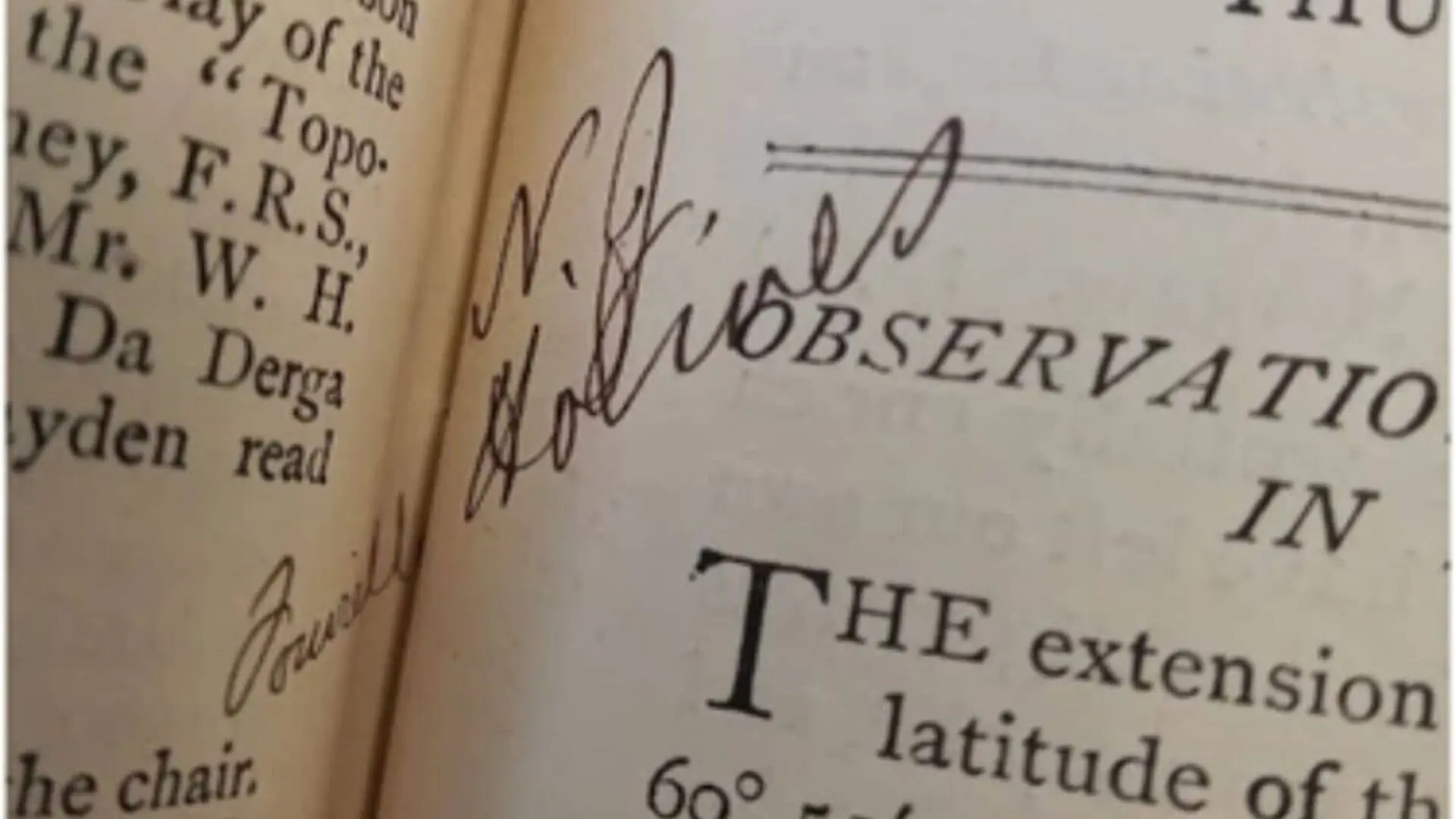
For over a century, historians of technology have pointed to an 1841 incident in Exeter as the first instance of a geomagnetic storm disrupting modern infrastructure. According to a long-standing account published in Nature in 1871, a intense magnetic disturbance caused a 16-minute delay for an express train leaving Exeter at 10:05 p.m. However, a new study published in the journal Space Weather suggests that this foundational historical record contains a significant typographical error, shifting the timeline of space weather interference.
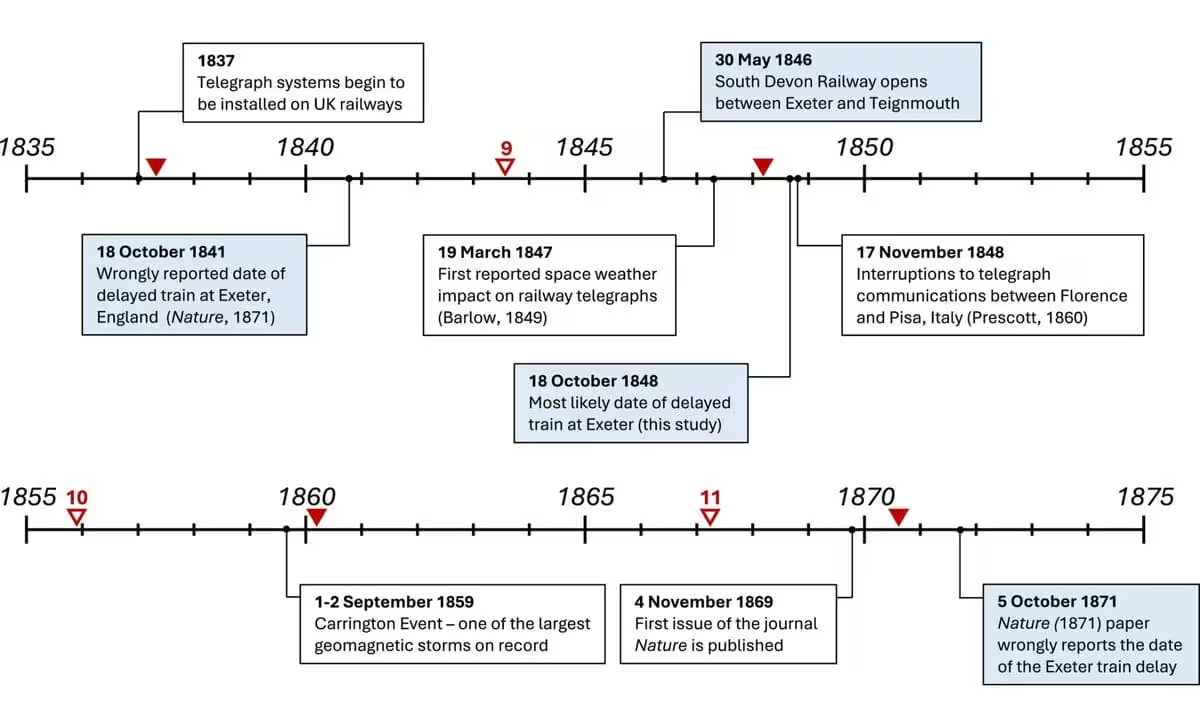
The discrepancy was identified by a research team led by James A. Wild of Lancaster University. Their investigation highlighted a simple historical impossibility: the specific stretch of the South Devon Railway described in the report did not open until 1846, five years after the purported 1841 event.
Reconstructing a Victorian Timeline
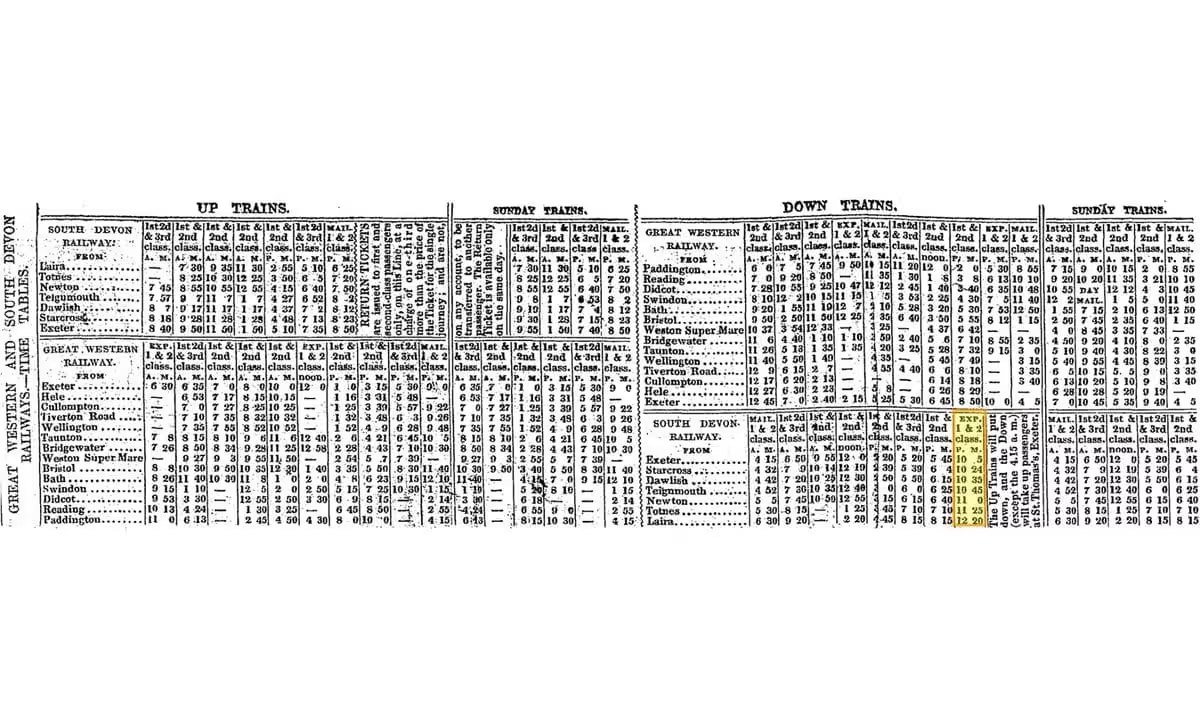
By cross-referencing archival railway timetables, the researchers discovered that the 10:05 p.m. departure mentioned in the 1871 report only existed between March 1848 and July 1849. This narrow operational window allowed the team to pinpoint October 18, 1848, as the most probable date for the incident.
Supporting evidence from the Greenwich Magnetic Observatory confirms that a massive geomagnetic storm occurred on that exact evening. Magnetograms from the period recorded a rapid shift in the horizontal magnetic field of approximately 310 nT, with a rate of change reaching 15 nT per minute. Furthermore, the researchers found contemporary reports of sunspots and auroral displays across Britain in late October 1848, providing a consistent narrative for a severe solar event.
The team suggests the original author of the 1871 report was likely Nathaniel John Holmes, an electrical engineer with an interest in telegraphy. It appears highly probable that an “1841” was simply a mistyped “1848,” an error that persisted in the scientific literature for over 150 years.
Refining the History of Geomagnetic Disruption
This correction has a notable impact on the chronology of early space weather research. With the Exeter event shifted to 1848, the earliest credible record of geomagnetic interference with technological infrastructure now belongs to an incident on March 19, 1847, involving the Midland Railway’s telegraph system.
The study underscores the value of multidisciplinary historical analysis, demonstrating how modern scientific data can resolve inconsistencies in archival records. By blending astronomical observations, meteorological accounts, and transit timetables, researchers were able to confirm that the train delay did occur as reported—it was merely the date of the event that required revision.
This article has been fact checked for accuracy, with information verified against reputable sources. Learn more about us and our editorial process.
Last reviewed on .
Article history
- Latest version
Reference(s)
- Wild, James A.., et al. “Did Space Weather Delay the 10:05 p.m. Train Departure From Exeter on 18 October 1841?.” Space Weather, vol. 24, no. 9, September 16, 2026 American Geophysical Union (AGU), doi: 10.1029/2026SW005239. <https://agupubs.onlinelibrary.wiley.com/doi/10.1029/2026SW005239>.
- “ORCID.” <https://orcid.org/0000-0001-8025-8869>.
Cite this page:
- Posted by Aisha Ahmed