Earth Microbe Successfully Grows in Simulated Martian Conditions for the First Time
New research shows that salt-loving Earth microbes can thrive in Mars-like conditions, offering vital clues for future life-detection missions.
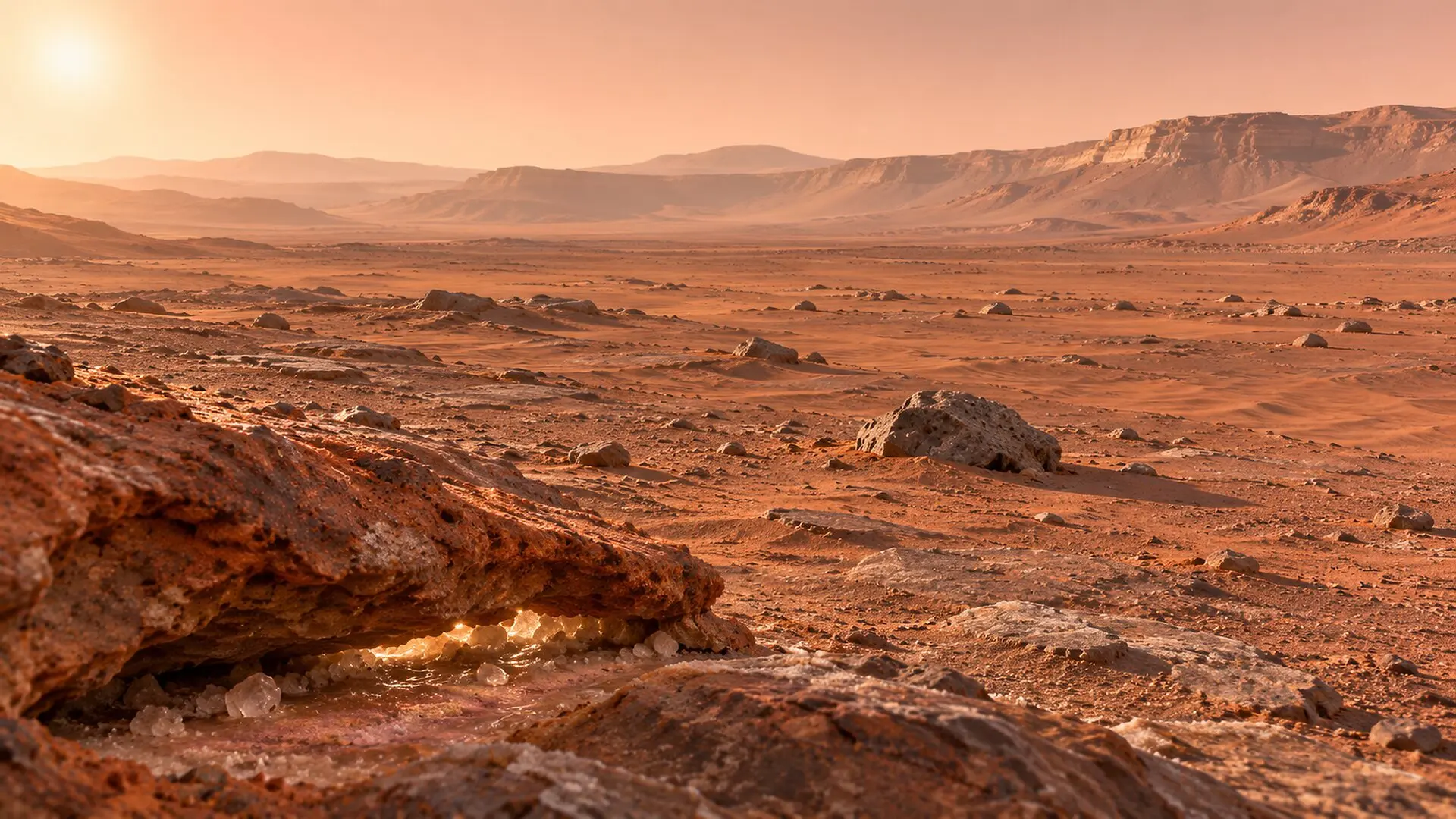
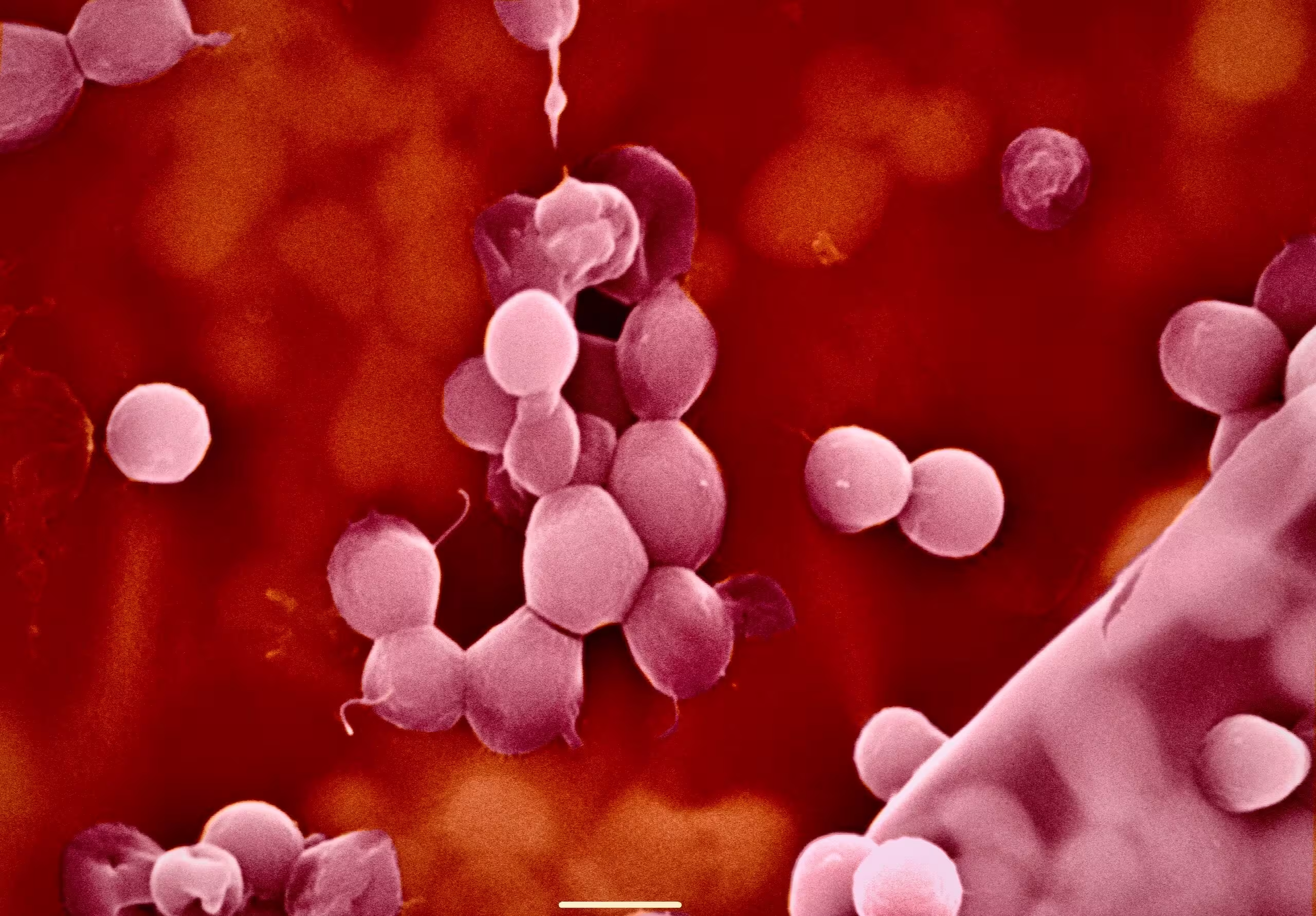
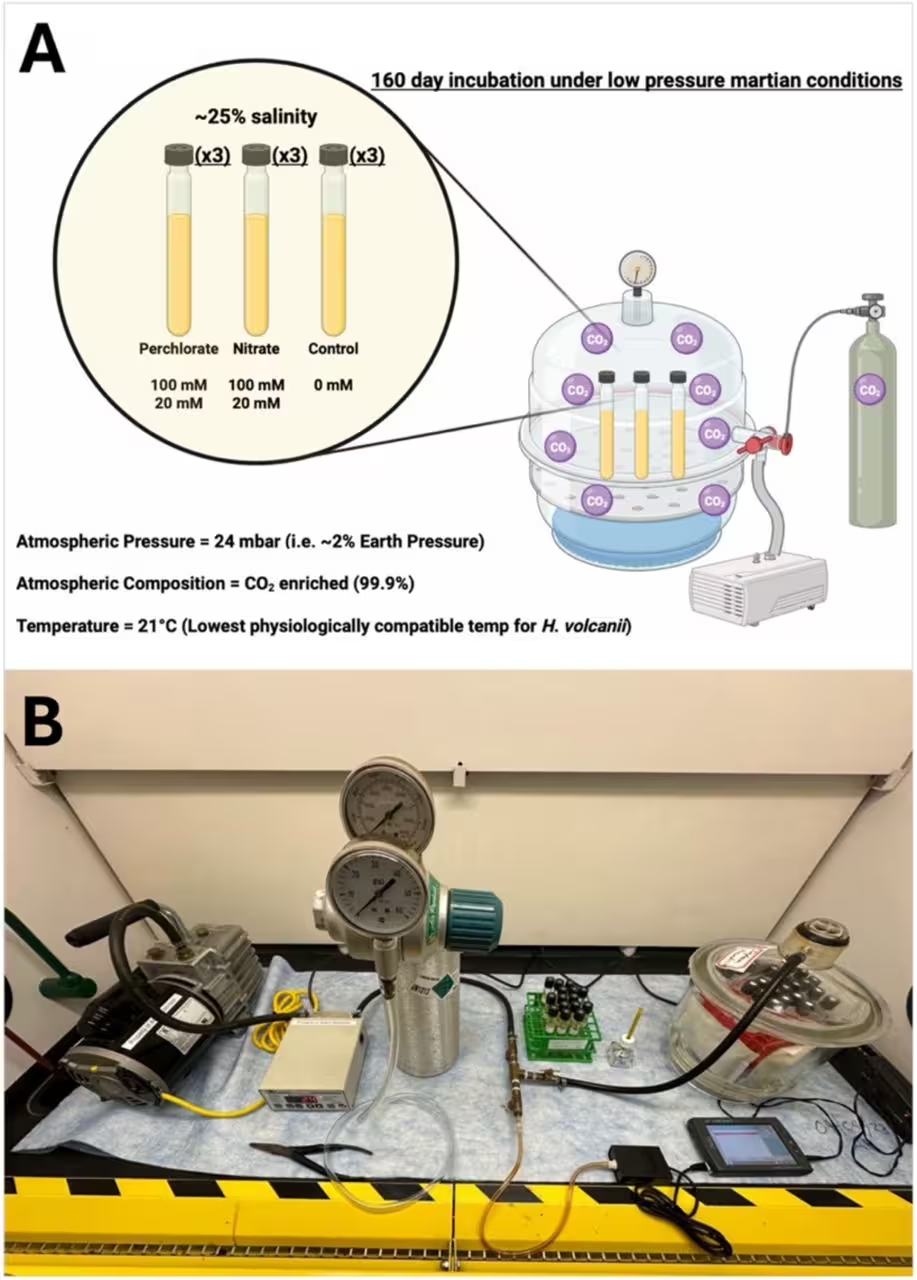
In a compelling demonstration of biological resilience, researchers have successfully cultivated an Earth-based microorganism under environmental constraints designed to mimic the hypothetical subsurface conditions of Mars. The findings, published in Applied and Environmental Microbiology, show that the haloarchaeon Haloferax volcanii can actively grow in a high-salinity, low-pressure, and oxygen-free environment for over five months.
Led by scientists from the University of Florida, the study marks a departure from previous experiments that only demonstrated microbial survival. While earlier research confirmed that similar organisms could endure harsh environments, this new work provides evidence of active metabolic growth—a critical distinction in the search for potential extraterrestrial life.
Simulating a Martian Niche
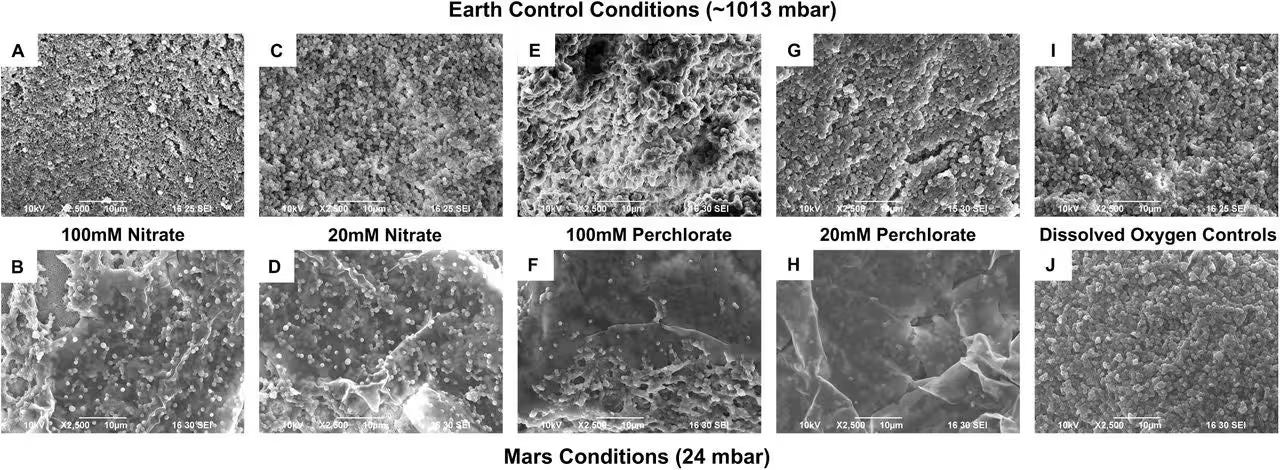
The team placed the salt-loving Haloferax volcanii into a specialized chamber kept at 21°C (approx. 70°F) with a carbon dioxide-rich atmosphere and an atmospheric pressure of just 24 millibars—roughly 2.4 percent of Earth’s sea-level pressure. To sustain cellular respiration in the absence of oxygen, the researchers provided the cultures with nitrate or perchlorate.
Over a 160-day period, the cultures supplied with these chemical agents demonstrated measurable growth. In contrast, control groups lacking these specific nutrients remained alive but dormant, failing to replicate. The success of the experiment suggests that if similar chemical energy sources exist within the Martian subsurface, they could theoretically support biological activity, provided other environmental factors are also present.
“Far fewer have been able to combine these conditions together and show that microorganisms can actively grow,” said study lead Adam Robinson. The experiment underscores the necessity of moving beyond simple viability tests to understand the threshold for active cellular reproduction in space-like environments.
Microbial Adaptations to Extreme Stress
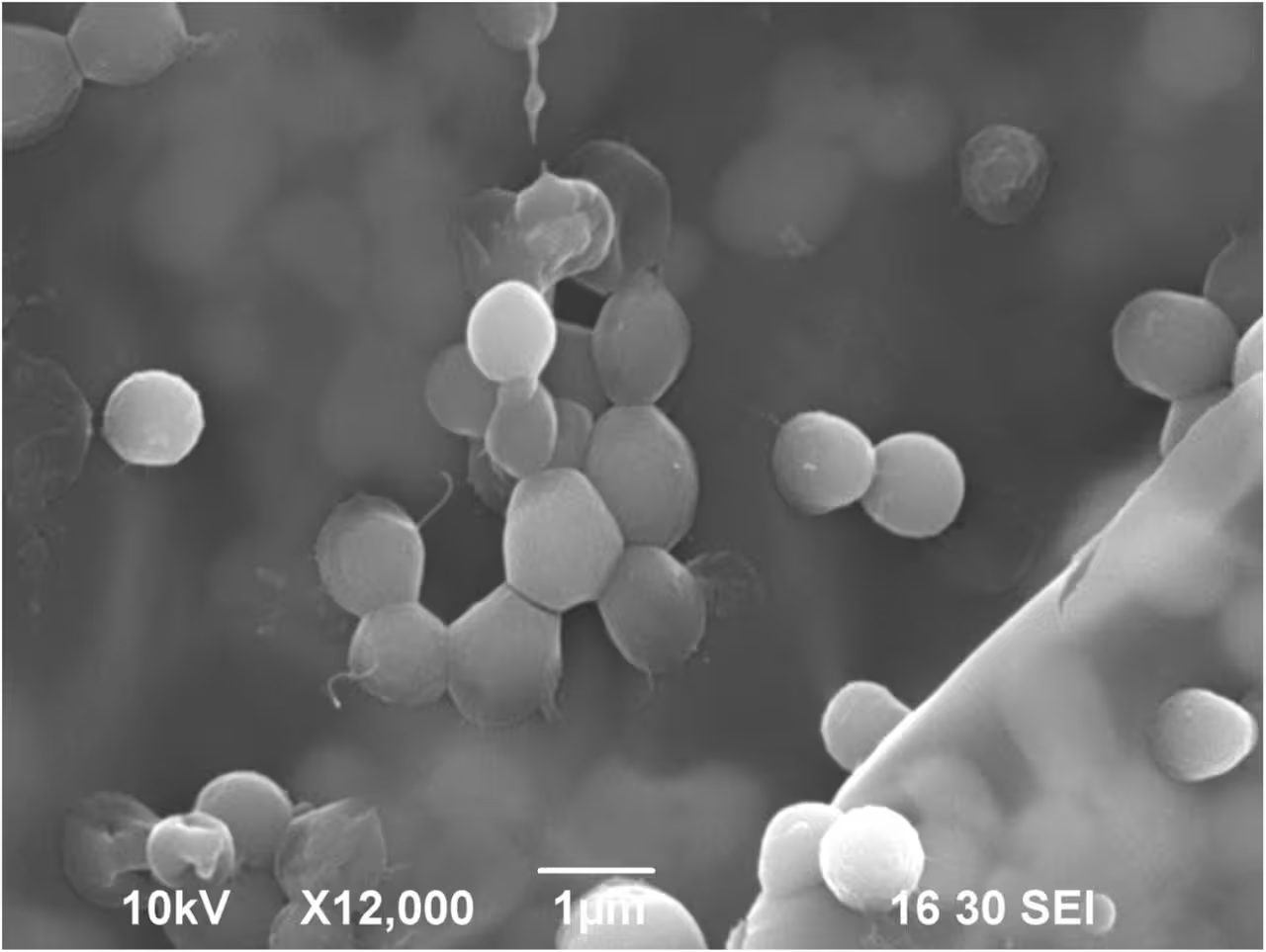
Microscopic analysis of the thriving colonies revealed that the organisms had formed dense, protective biofilms. These complex matrices, where cells are embedded within a protective structure, appear to be a key survival strategy for the microbes when exposed to the stress of low-pressure environments.
The researchers also utilized Raman spectroscopy to track chemical signatures, including carotenoid pigments. These pigments can serve as potential biosignatures, though the team cautioned that detecting such markers does not confirm the presence of living cells, as biological materials can persist long after an organism has died.
Limitations and Future Exploration
Despite the promising results, the study authors are clear that this does not prove the existence of life on Mars. The experimental chamber used temperatures significantly warmer than those found on the Martian surface, and it did not account for the harsh freeze-thaw cycles that likely define the planet’s climate. Furthermore, while the brine used in the experiment supported life in the lab, it remains unclear whether naturally occurring Martian brines possess the necessary chemistry to host organisms.
“The environment that we’re mimicking in this experiment has not been observed on Mars, but is theorized to exist,” Robinson noted. Future research aims to introduce more realistic variables, including simulated Martian soil and varying nutrient availability, to see if the microbes can maintain their growth trajectories under even more rigorous conditions.
Beyond the search for extraterrestrial life, this work is essential for planetary protection. By understanding how Earth’s microorganisms might react to Martian-like conditions, space agencies can better refine the planetary protection protocols required to prevent the unintentional contamination of other worlds during upcoming exploration missions.
Further Reading on Habitability
- Perchlorate-supported anaerobic growth and metabolic pathways in Haloferax volcanii
- Microbial survival in spacecraft-cleanroom environments under space conditions
- Early findings on the viability of Haloferax volcanii in low-pressure, anoxic environments
- Modeling the habitability of subsurface brines on modern Mars
This article has been fact checked for accuracy, with information verified against reputable sources. Learn more about us and our editorial process.
Last reviewed on .
Article history
- Latest version
Reference(s)
- Robinson, Adam., et al. “Cultivation of halophilic archaea in shallow subsurface Martian conditions has implications for extant life on Mars.” Applied and Environmental Microbiology, November 5, 2026 American Society for Microbiology, doi: 10.1128/aem.01749-26. <https://journals.asm.org/doi/10.1128/aem.01749-26>.
- “Home | University of Florida.”, November 8, 2021 University of Florida <https://www.ufl.edu/>.
- “Planetary Protection.” <https://sma.nasa.gov/sma-disciplines/planetary-protection>.
- Robinson, Adam. “Perchlorate supported anaerobic growth in Haloferax volcanii reveals a novel metabolic capability with implications for biosignature degradation - Scientific Reports.”, vol. 16, no. 1, June 20, 2026, pp. 32874 Nature, doi: 10.1038/s41598-026-50173-2. <https://www.nature.com/articles/s41598-026-50173-2>.
- Chander, Atul M.., et al. “Survival of NASA-cleanroom microbial isolates under simulated space and Martian conditions.” Applied and Environmental Microbiology, vol. 92, no. 5, May 20, 2026 American Society for Microbiology, doi: 10.1128/aem.02065-25. <https://journals.asm.org/doi/10.1128/aem.02065-25>.
- <https://pubmed.ncbi.nlm.nih.gov/35325555/>.
- Rivera-Valentín, Edgard. “Distribution and habitability of (meta)stable brines on present-day Mars - Nature Astronomy.”, vol. 4, no. 8, pp. 756-761. Nature, doi: 10.1038/s41550-020-1080-9. <https://www.nature.com/articles/s41550-020-1080-9>.
Cite this page:
- Posted by John Williams