NASA Is About To Launch A Telescope 100 Times More Powerful Than Hubble
NASA’s Nancy Grace Roman Space Telescope will soon revolutionize astronomy by combining Hubble-like precision with a vast field of view to study the cosmos.
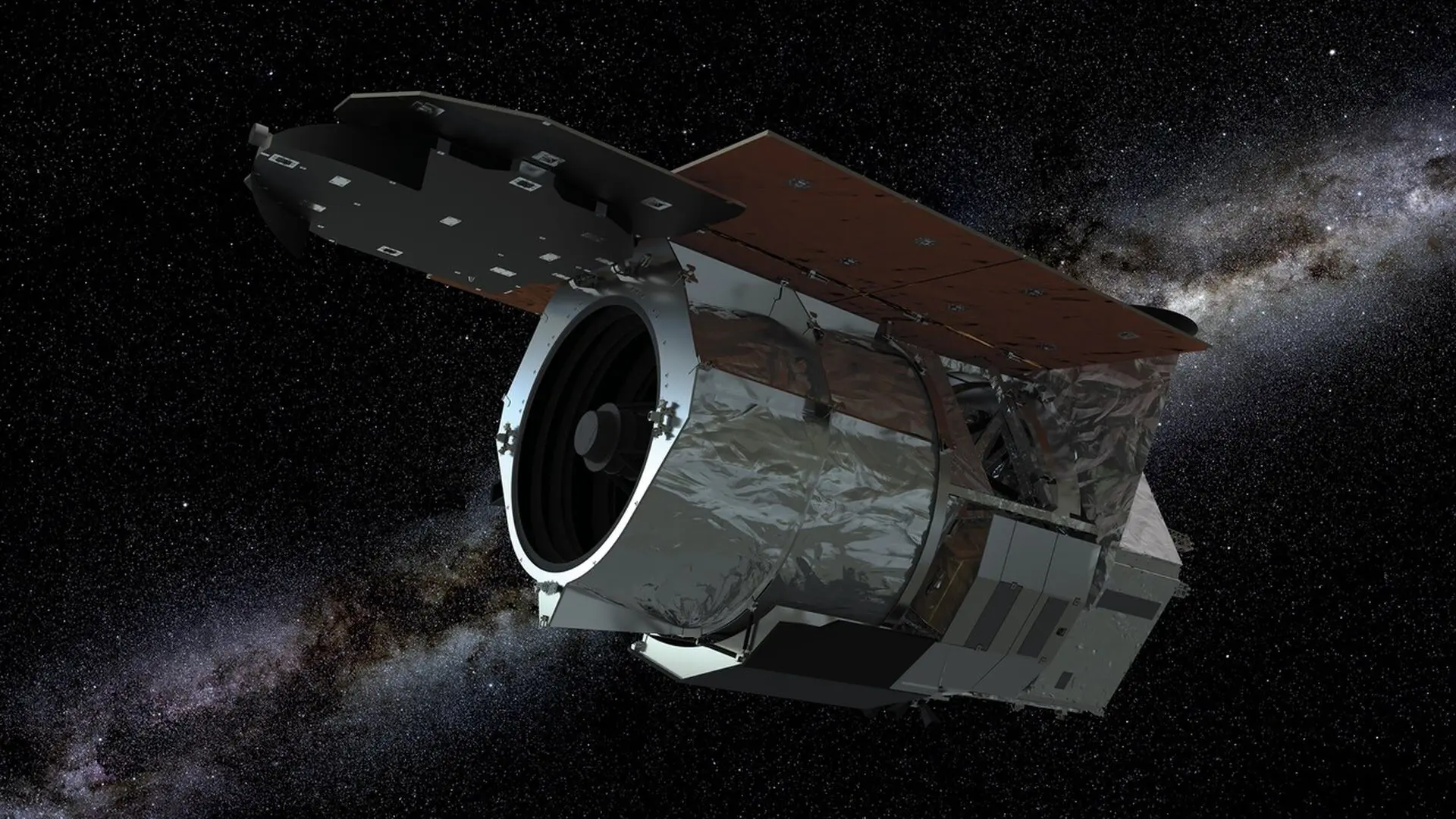
NASA is preparing to launch a next-generation orbital observatory that promises to fundamentally shift our understanding of cosmic evolution. The Nancy Grace Roman Space Telescope, slated for a Falcon Heavy launch from Florida’s Kennedy Space Center on August 30, is designed to capture panoramic views of the cosmos with a field of view at least 100 times wider than that of the Hubble Space Telescope.
By pairing this expansive reach with infrared sensitivity comparable to Hubble, the mission aims to tackle some of the most profound mysteries in astrophysics, including the elusive nature of dark energy, the distribution of dark matter, and the discovery of thousands of distant exoplanets.
Unprecedented Survey Capability
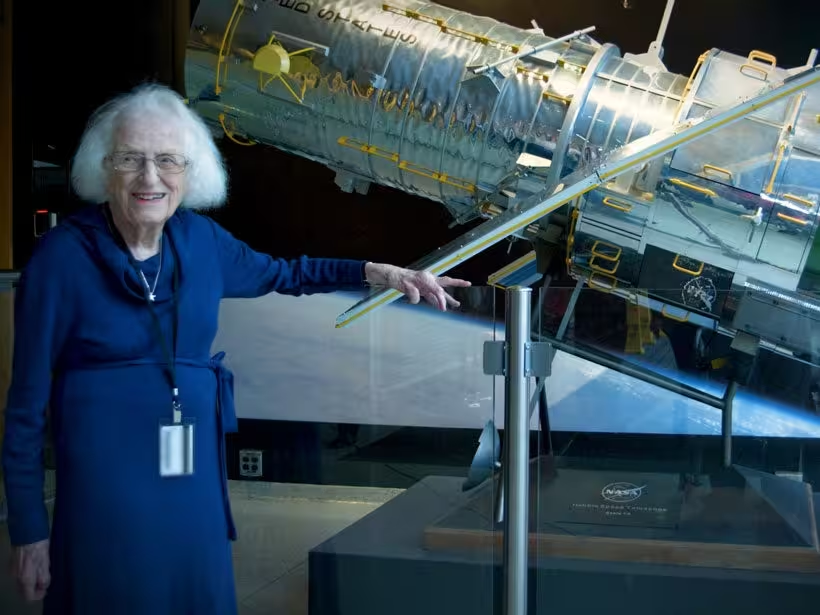
While the Roman telescope features a 2.4-meter primary mirror—the same size as the one used by Hubble—its Wide Field Instrument is a technological leap forward. Engineers estimate the observatory will be able to survey the sky up to 1,000 times faster than its predecessor. According to David Weinberg, a Distinguished University Professor at The Ohio State University, the telescope is akin to shifting from a narrow, singular view to a sprawling, high-resolution mosaic, capable of detecting objects 100 million times fainter than what the human eye can perceive.
For the scientific community, this efficiency is key. By surveying vast swaths of the sky, the telescope will provide a massive, publicly accessible archive of data. This allows for the study of rare cosmic events and structural patterns that would have been statistically impossible to capture in previous missions.
Probing the Dark Universe
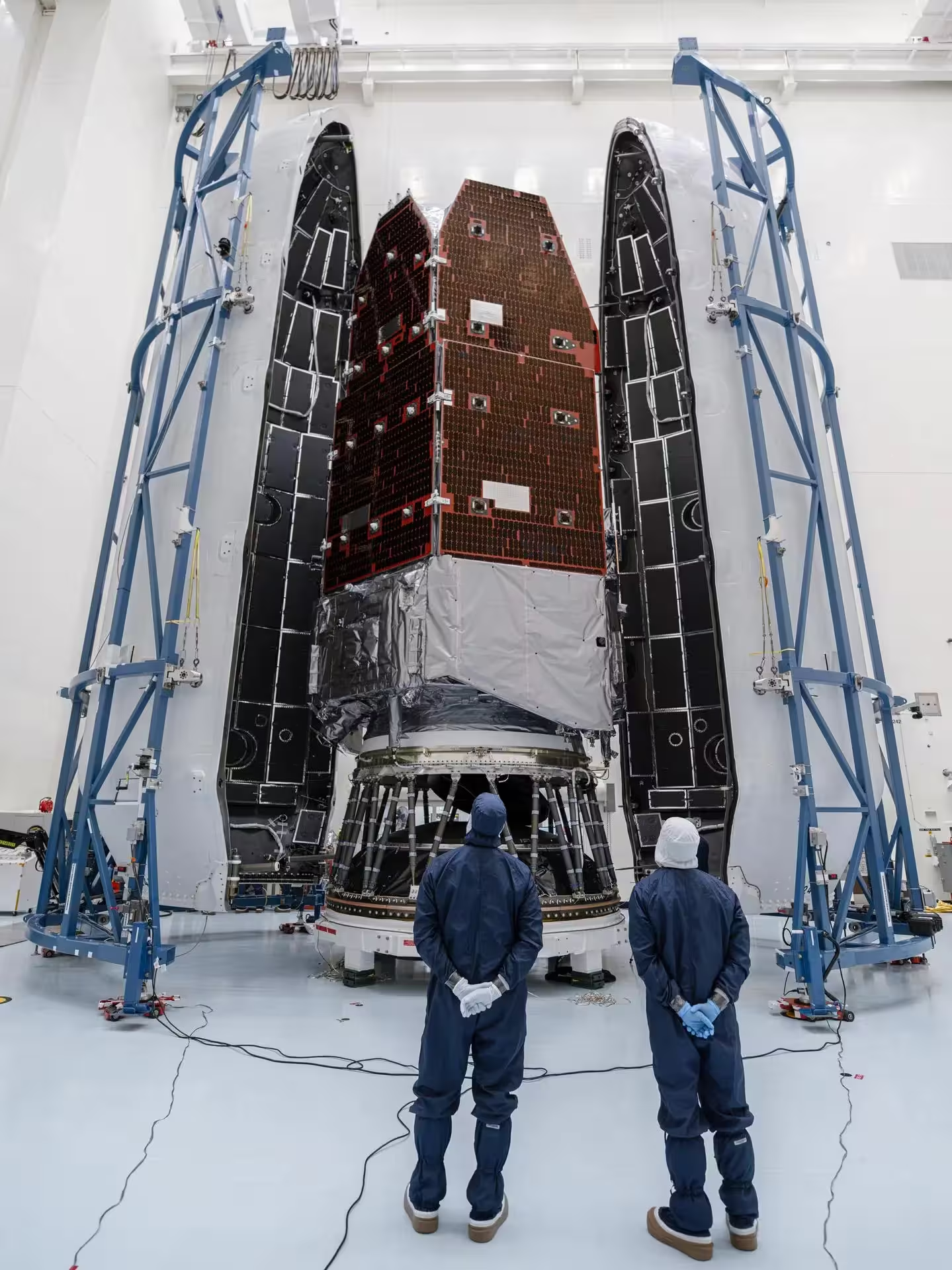
A primary objective for the mission is the High-Latitude Wide-Area Survey, which will scan 12 percent of the sky to analyze the cosmic web. By observing how gravity distorts the shapes of hundreds of millions of galaxies—a phenomenon known as weak gravitational lensing—researchers hope to map the distribution of dark matter. These observations are expected to provide critical data on dark energy, the mysterious force currently driving the accelerating expansion of the universe.
“Mapping clusters of dark matter will help us figure out why gravity on the scale of the universe is so radically different from gravity on the scale of a solar system or galaxy,” noted Weinberg.

A Galactic Census of Exoplanets
Beyond cosmology, Roman is set to revolutionize exoplanetary science. The telescope will employ two distinct methods to detect worlds beyond our solar system: monitoring transit events and utilizing gravitational microlensing. While transits are ideal for identifying planets close to their host stars, microlensing—a technique where a foreground star’s gravity acts as a natural lens—will allow researchers to find planets at much greater distances, including “rogue” planets drifting through the void.
Projections suggest the mission will identify approximately 100,000 transiting worlds and over 1,000 microlensing planets, providing a more comprehensive census of planetary systems within the Milky Way than ever before.
Looking Toward the Future
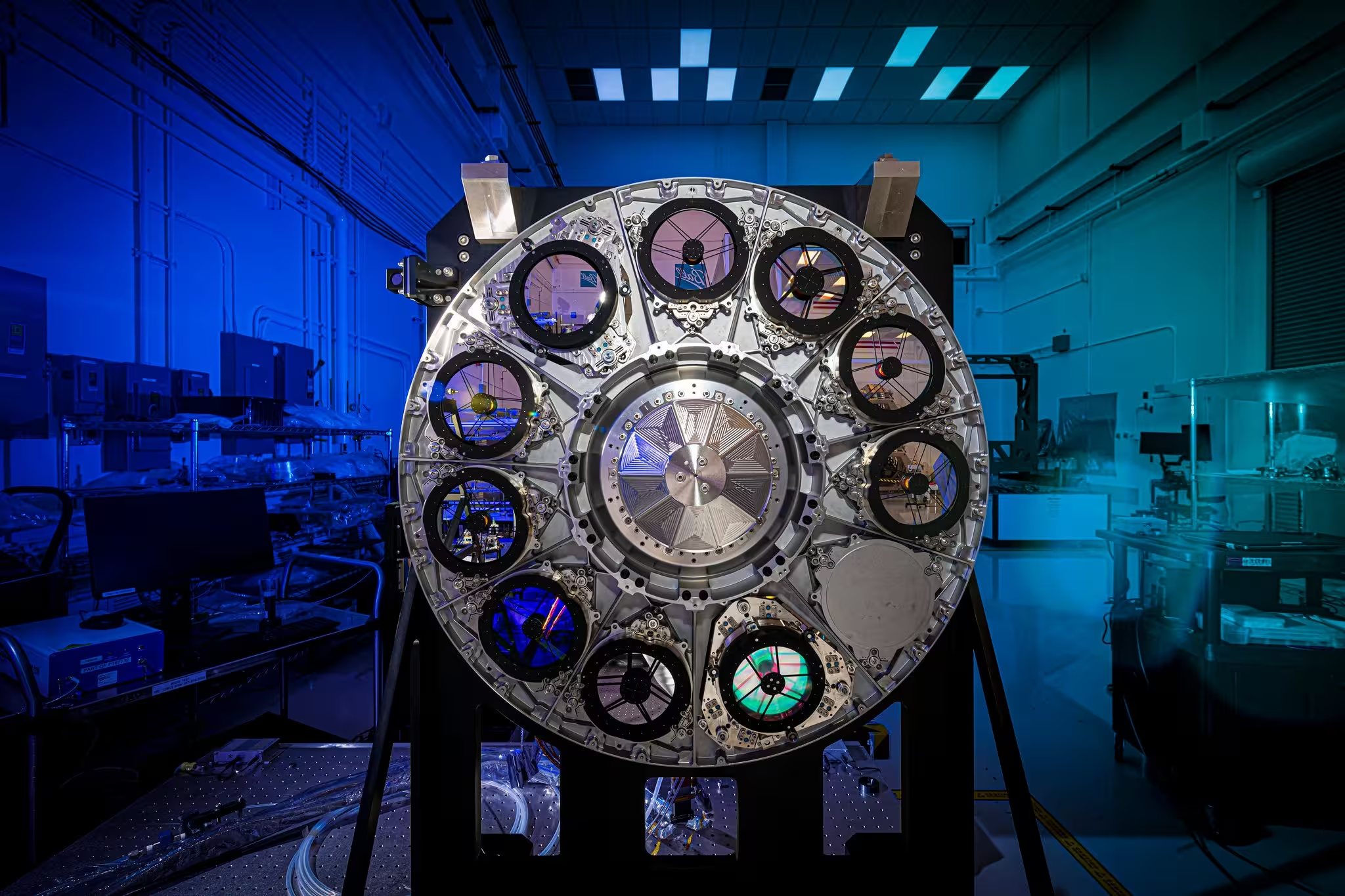
The telescope will operate from the second Sun-Earth Lagrange point (L2), approximately one million miles from Earth. This location offers a stable, isolated environment for long-term observation. Additionally, the observatory includes a Coronagraph Instrument, a technology demonstration meant to block starlight to directly image faint planets, effectively paving the way for future missions that may search for signs of life on Earth-like worlds.
With a primary mission duration of five years and a potential extension to ten, the Roman Space Telescope is poised to become a cornerstone of 21st-century astronomy. As Ohio State physics professor Christopher Hirata put it, the mission’s contribution to space science will be nothing short of spectacular.
Further Reading
- Core Survey by NASA’s Roman Mission Will Unveil Universe’s Dark Side
- NASA’s Roman Mission Preps to Unveil New Populations of Faraway Worlds
- Hubble Survey Sets Up Roman’s Future Look Near Milky Way’s Center
- Journey to Center of Milky Way With Upcoming NASA Roman Core Survey
- NASA Announces Plan to Map Milky Way With Roman Space Telescope
This article has been fact checked for accuracy, with information verified against reputable sources. Learn more about us and our editorial process.
Last reviewed on .
Article history
- Latest version
Reference(s)
- Balzer, Ashley. “Core Survey by NASA’s Roman Mission Will Unveil Universe’s Dark Side - NASA.”, February 10, 2026 NASA <https://www.nasa.gov/missions/roman-space-telescope/core-survey-by-nasas-roman-mission-will-unveil-universes-dark-side/>.
- Balzer, Ashley. “NASA’s Roman Mission Preps to Unveil New Populations of Faraway Worlds - NASA.”, May 28, 2026 NASA <https://www.nasa.gov/missions/roman-space-telescope/nasas-roman-mission-preps-to-unveil-new-populations-of-faraway-worlds/>.
- Gianopoulos, Andrea. “Hubble Survey Sets Up Roman’s Future Look Near Milky Way’s Center - NASA Science.”, May 11, 2026 NASA <https://science.nasa.gov/missions/roman-space-telescope/hubble-survey-sets-up-romans-future-look-near-milky-ways-center/>.
- Balzer, Ashley. “Journey to Center of Milky Way With Upcoming NASA Roman Core Survey - NASA.”, January 23, 2026 NASA <https://www.nasa.gov/missions/roman-space-telescope/journey-to-center-of-milky-way-with-upcoming-nasa-roman-core-survey/>.
- Balzer, Ashley. “NASA Announces Plan to Map Milky Way With Roman Space Telescope - NASA.”, December 12, 2025 NASA <https://www.nasa.gov/missions/roman-space-telescope/nasa-announces-plan-to-map-milky-way-with-roman-space-telescope/>.
Cite this page:
- Posted by Aisha Ahmed