The First Private Mission To Venus Faces New Delays As It Awaits A Powerful New Rocket
A private mission to study Venus is currently on hold, awaiting the debut of Rocket Lab’s next-generation launch vehicle to begin its interplanetary journey.
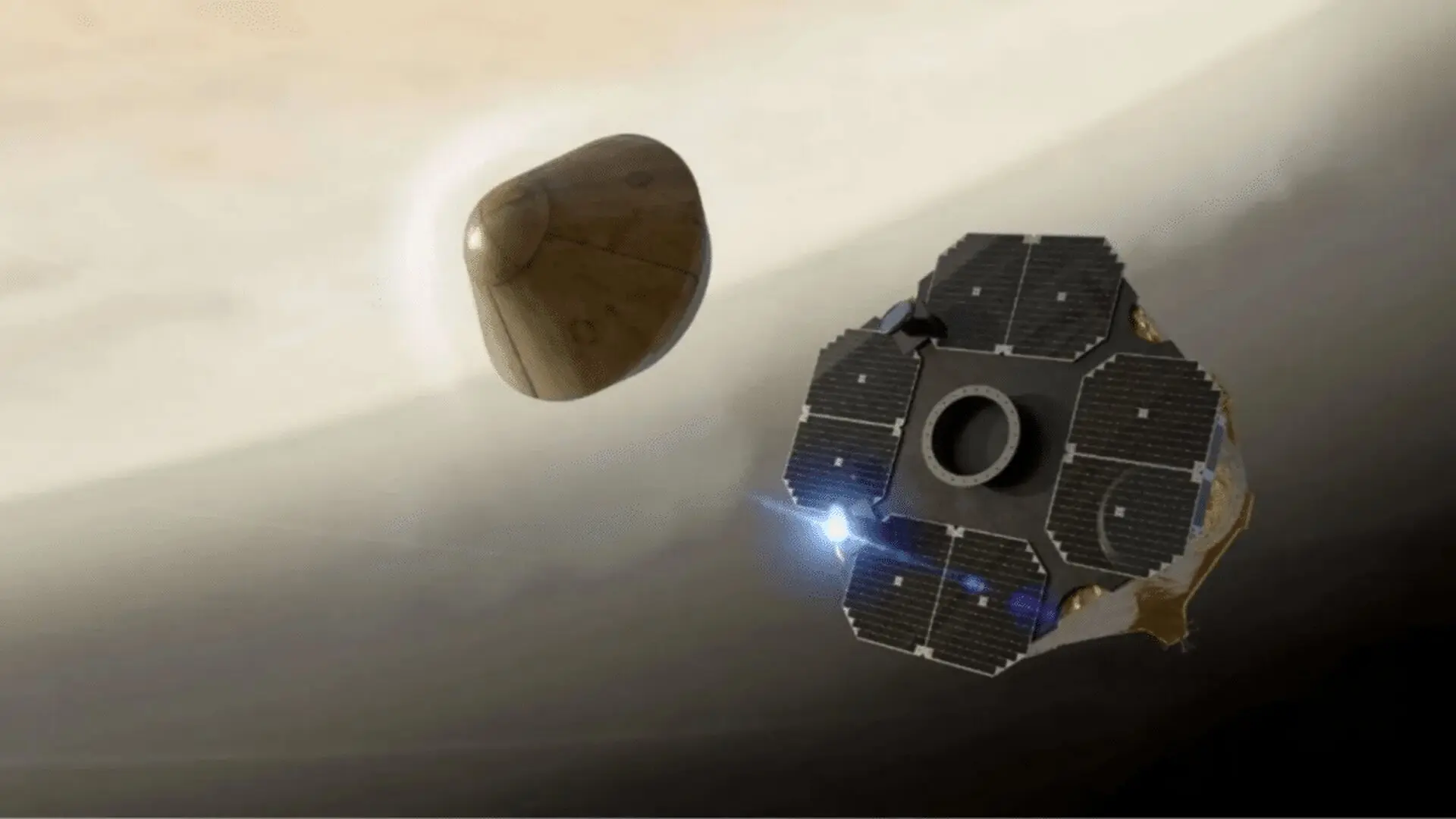
The inaugural private mission to Venus has encountered a scheduling setback, as the project currently awaits the final certification of Rocket Lab’s heavy-lift Neutron launch vehicle. This ambitious endeavor, which marks a significant transition in how humanity approaches interplanetary research, aims to probe the harsh environment of Earth’s neighbor to identify chemical signatures that could provide critical clues about the origins of life.
Shifting Paradigms in Planetary Science
At the center of this initiative is the Morning Star Missions to Venus, a program spearheaded by Sara Seager, a professor of planetary science at the Massachusetts Institute of Technology (MIT). By bypassing traditional government-led mission architectures, the team intends to prove that the private sector can execute high-stakes, deep-space scientific investigations with greater agility and potentially lower costs.
For decades, planetary exploration has been the exclusive domain of national agencies like NASA and the ESA. The Morning Star program represents a fundamental pivot toward commercial involvement in the solar system. The spacecraft is tasked with investigating the complex history of Venus, a world that shares a similar size and composition to Earth yet diverged into a vastly different, hostile environment.
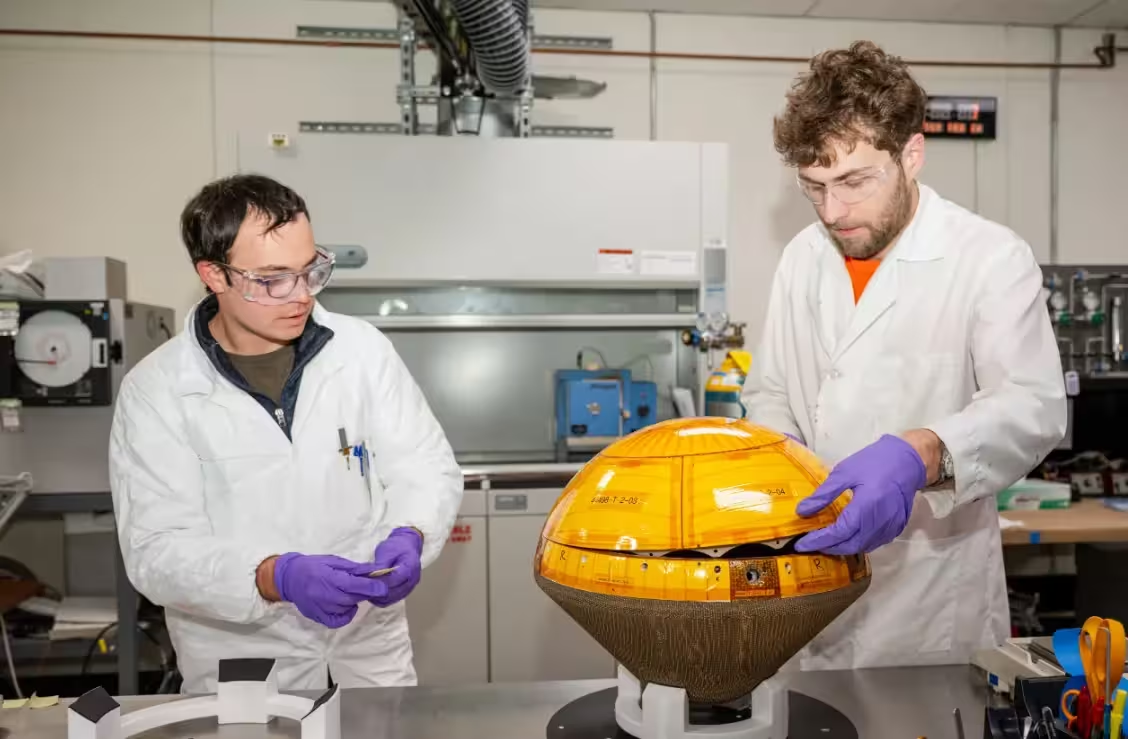
Engineering Hurdles and the Path to Launch
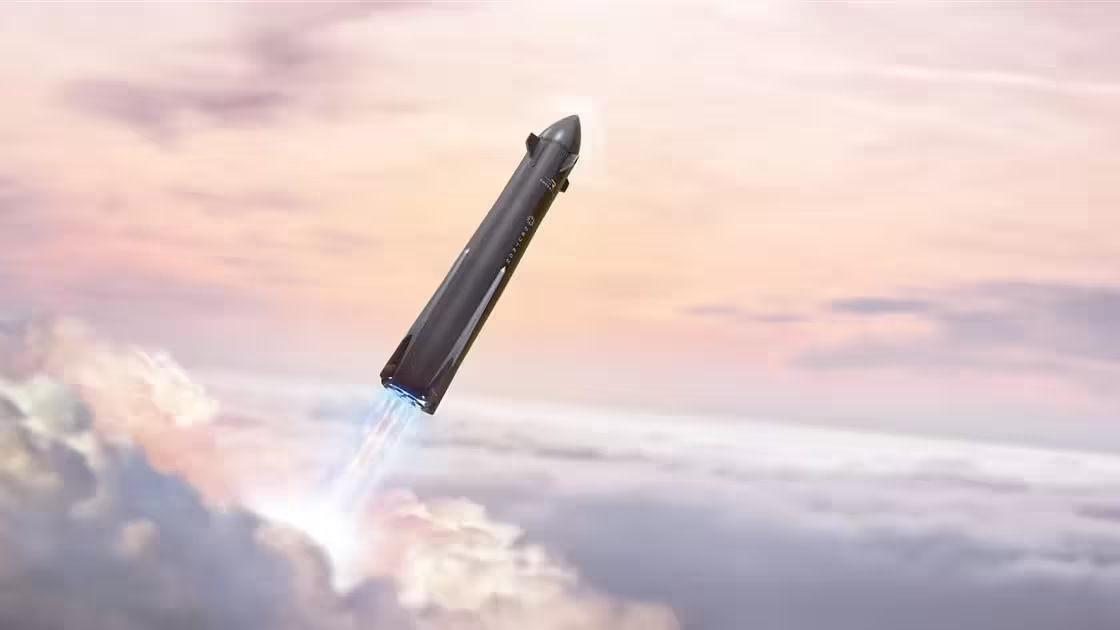
The mission timeline was recently adjusted following a decision to transition the payload to Rocket Lab’s upcoming Neutron rocket. As a partially reusable launch system, Neutron is designed to handle more demanding commercial and scientific heavy-lifting missions. However, the shift requires the team to sync their launch schedule with the rocket’s ongoing development, testing, and flight-readiness certification.
“Rocket Lab moved the project to the Neutron rocket, and we are awaiting Neutron readiness,” Seager explained in reports documented by Space.com. While such delays are common in aerospace, they underscore the inherent challenges of launching experimental technology into deep space.
Investigating the Atmospheric Chemistry
The primary scientific focus of the initial flight is to establish a baseline for identifying complex organic molecules within the Venusian atmosphere. According to Seager, the mission is not designed as a definitive search for extraterrestrial life, but rather as an essential step toward detecting the chemical precursors or byproducts that could support it.
Current scientific curiosity regarding Venus has intensified due to anomalies in atmospheric composition that current models struggle to explain. Whether these signatures are the result of unknown geological processes, exotic chemistry, or something else entirely, the data gathered by the Morning Star missions will be vital for future probes.
Industry Outlook on Deep-Space Ambitions
Experts remain optimistic about the mission’s long-term prospects, viewing the delay as a standard part of navigating the risks of interplanetary travel. Planetary scientist Paul Byrne, who has closely tracked the project, emphasized that the difficulties faced by the team are expected when dealing with an underexplored destination and next-generation launch technology.
“The course of spacecraft exploration of the solar system rarely does run smoothly,” Byrne stated. “I continue to have high hopes for this mission, and for its role in demonstrating the role of private enterprise in space exploration, and I’m keeping my fingers crossed for a successful flight before too long.”
As the aerospace industry watches the progress of the Neutron rocket, the Venus mission serves as a bellwether for the future of private planetary exploration. If successful, the endeavor will likely open the floodgates for a new era of commercial participation in deep-space science, fundamentally changing how we study the worlds beyond our own.
This article has been fact checked for accuracy, with information verified against reputable sources. Learn more about us and our editorial process.
Last reviewed on .
Article history
- Latest version
Reference(s)
- David, Leonard. “Rocket issues delay 1st-ever private mission to Venus: 'We are awaiting Neutron readiness'.”, September 3, 2026 Space <https://www.space.com/astronomy/venus/rocket-issues-delay-1st-ever-private-mission-to-venus-we-are-awaiting-neutron-readiness>.
Cite this page:
- Posted by Aisha Ahmed