Dead Sea Scrolls Reveal The Secret History Of A Lost 364 Day Calendar
A new Tel Aviv University study suggests the Qumran sect used their unique 364-day calendar in practice, shedding light on the mysterious Dead Sea Scrolls.
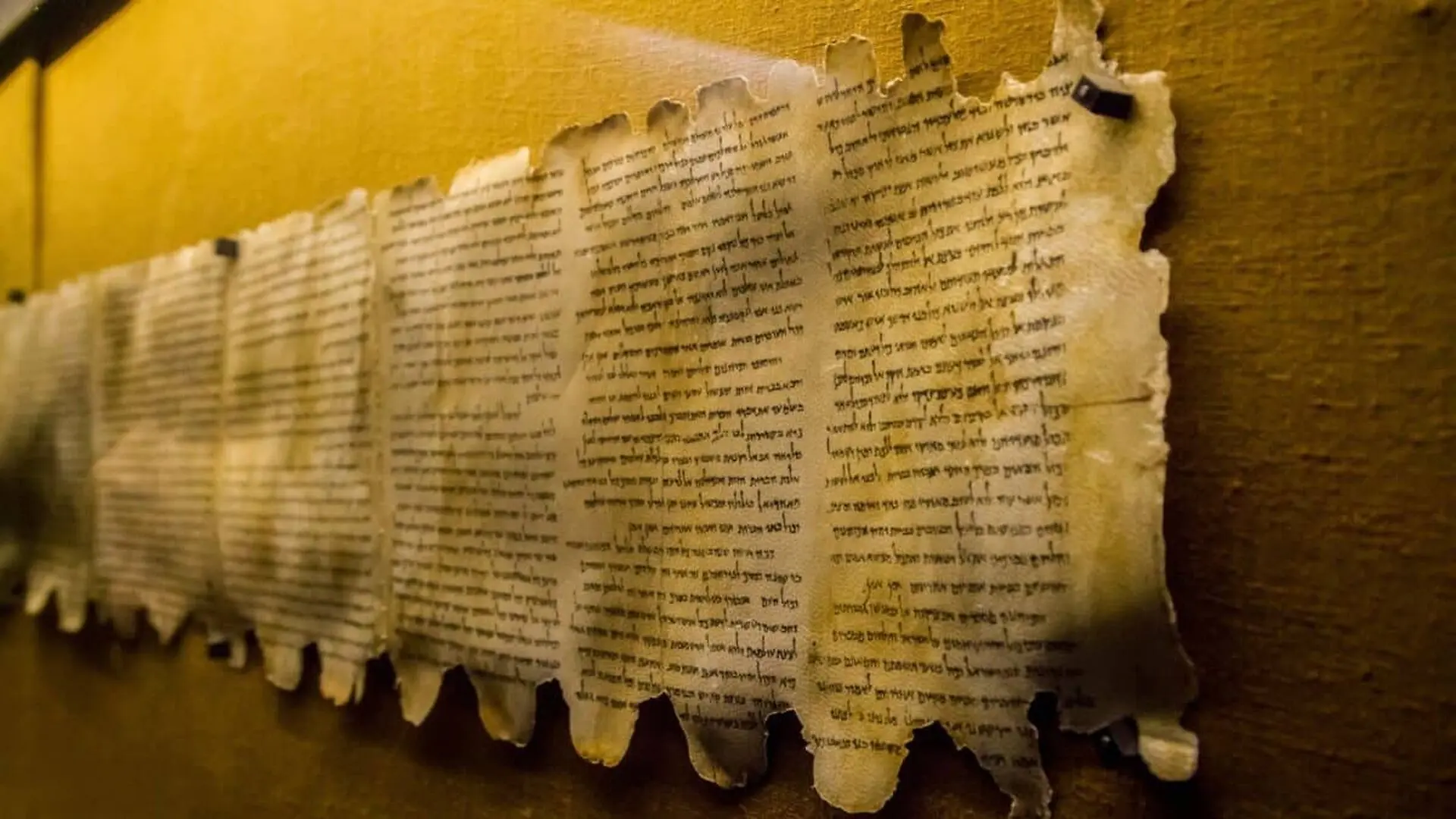
For decades, the precise role of the 364-day calendar found within the Dead Sea Scrolls has been a subject of intense academic debate. New research, however, offers a compelling synthesis that reconciles conflicting theories: the system likely functioned as a practical tool during the community’s formative years before transitioning into a purely symbolic, ideological marker of identity.
A Calendar Defined by Division
The Qumran sect stood apart from the religious establishment of the Second Temple period, and their calendar was a primary catalyst for this rift. While the Jerusalem leadership adhered to a lunisolar system, the Qumran community championed a rigid 364-day year. By dividing this span into exactly 52 weeks, the sect ensured that every festival consistently fell on the same day of the week—a structural harmony they believed reflected a divine, immutable order.
This rejection of the mainstream calendar was more than a technical preference; it was a fundamental theological stance. As detailed in the study published in the Tarbiz Quarterly for Jewish Studies, the Qumran group argued that the timing of holy days was established at the moment of creation and thus stood beyond the reach of human alteration. Texts such as the Book of Jubilees championed this 364-day cycle as the authentic tradition revealed to Moses on Mount Sinai, a claim supported by the prevalence of astronomical and calendrical themes across nearly 20 of the Dead Sea Scrolls.
The Physics of Dislocation
The mathematical Achilles’ heel of the Qumran calendar was its drift. By ignoring the approximately quarter-day discrepancy between a 364-day year and the true solar year, the sect’s calendar essentially acted like a clock losing time. Over a twenty-year period, the internal schedule would misalign with the natural solar seasons by nearly a full month. For a community whose rituals were tied to agricultural cycles and seasonal harvests, this drift posed an unavoidable practical crisis.
According to Prof. Eshbal Ratzon of the Department of Jewish Philosophy and the Cohn Institute for the History and Philosophy of Science and Ideas, this discrepancy explains the evolution of the system. While scholars have long debated whether the community employed secret intercalary adjustments to correct the drift, Ratzon suggests that the calendar was likely used in its literal form during the second century BCE. During this period, the calendar served as a visible manifestation of the group’s defiance against Jerusalem’s authority.
Transitioning to Ideology
The research posits that as political and social landscapes shifted—specifically under the Hasmonean ruler Alexander Jannaeus, whose policies briefly converged with some of the sect’s ideological goals—the practical application of the calendar faded. Rather than abandoning the system entirely, the community transformed it into a resilient religious symbol.
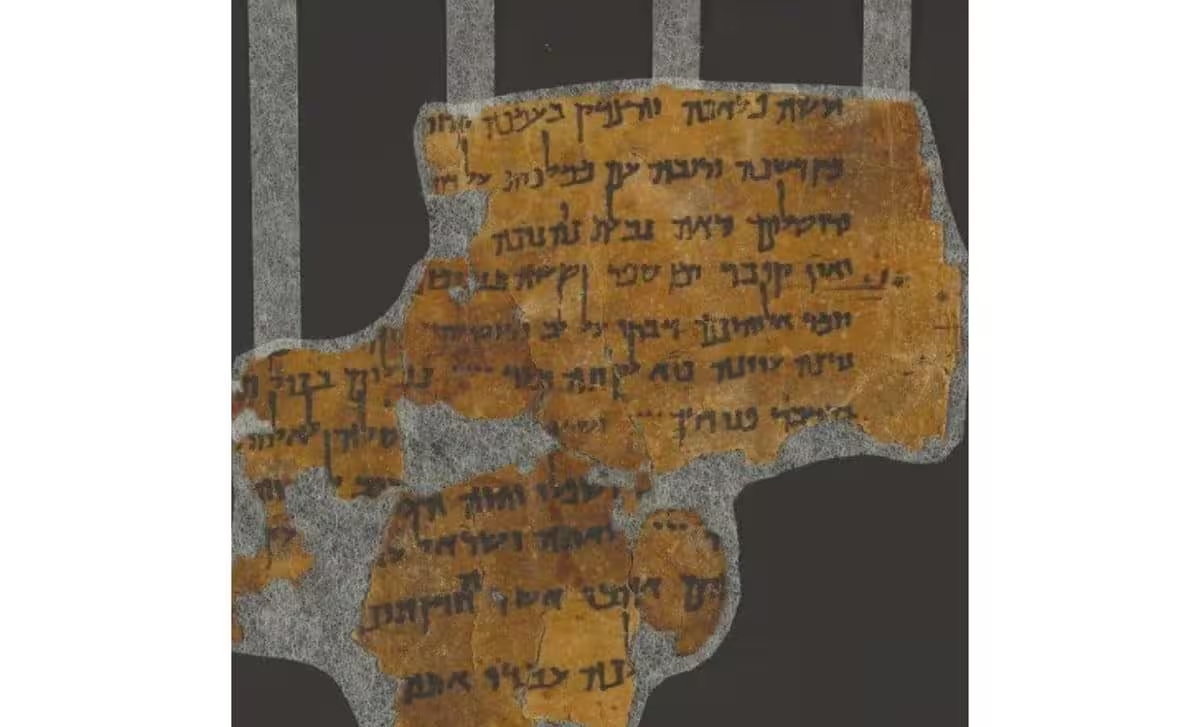
By shifting the focus from agricultural accuracy to eternal cosmic order, the calendar became an anchor for the sect’s identity. It ceased to be merely a way to track the current season and instead became a blueprint for a divine, future reality—an ideal structure that would be realized during the End of Days. Through this lens, the 364-day system remains one of the most revealing artifacts from the Dead Sea Scrolls, bridging the gap between historical practice and enduring spiritual belief.
This article has been fact checked for accuracy, with information verified against reputable sources. Learn more about us and our editorial process.
Last reviewed on .
Article history
- Latest version
Reference(s)
- “תרביץ צא חוברת א-ב : רבעון למדעי היהדות : : magnespress.co.il : Books.” <https://www.magnespress.co.il/book/Tarbiz_Vol_91%2c_No_1-2-8877>.
Cite this page:
- Posted by Aisha Ahmed