Five Planets Will Light Up The September Sky Here Is How To See Them
Five planets will align in the September night sky, offering a rare opportunity to spot multiple worlds across our solar system. Don’t miss the view.
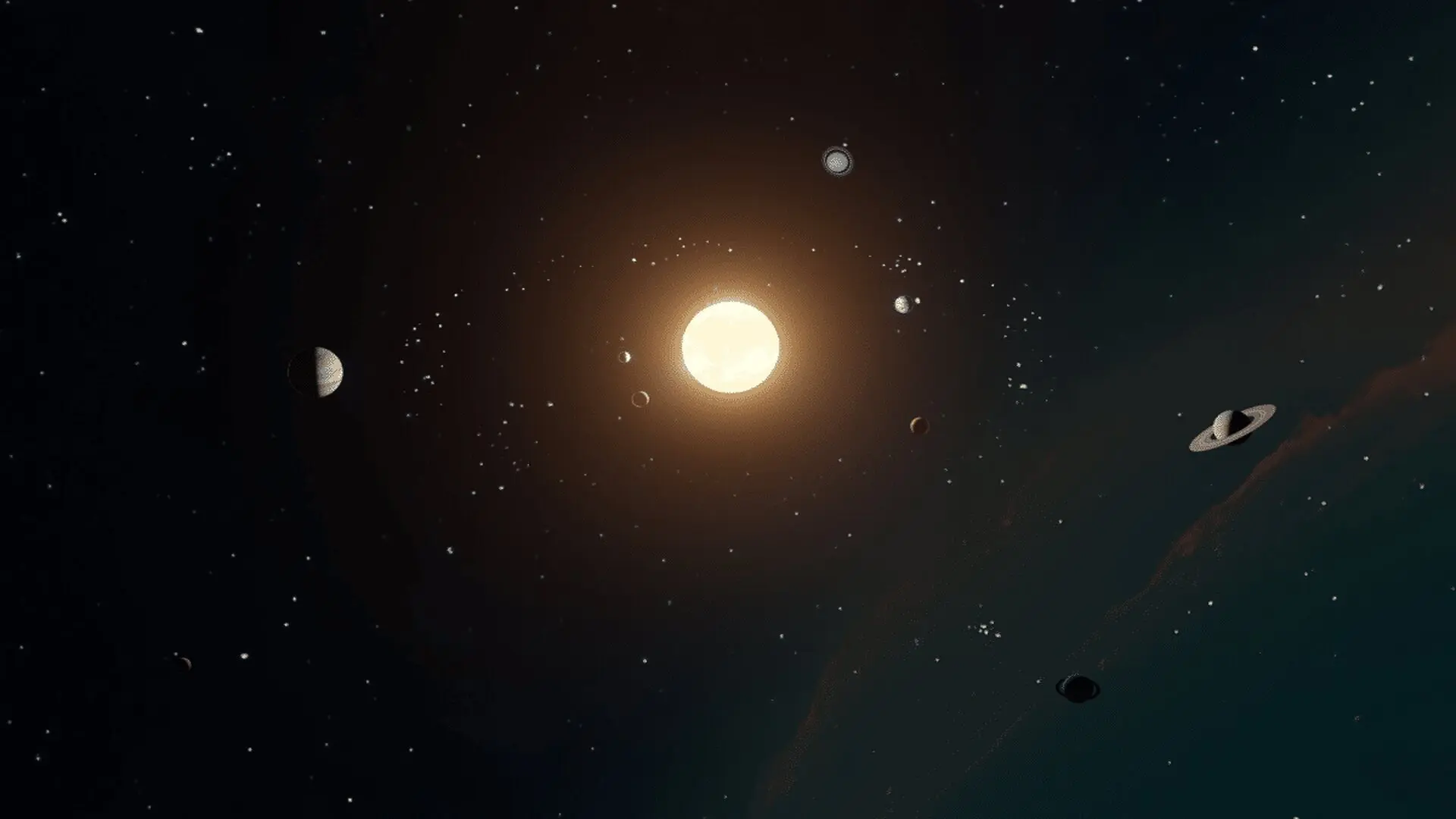
September promises a spectacular display for amateur astronomers, with five major planets—Mercury, Venus, Mars, Jupiter, and Saturn—poised to grace the night sky. This celestial alignment offers a rare, multi-week opportunity to track the shifting geometry of our solar system as these worlds follow their distinct paths around the Sun.
Tracking the Brightest Visitors
According to data compiled by Space.com, the month is structured into a series of optimal windows for planetary observation. While some worlds will dominate the twilight hours, others require early-morning dedication to spot.
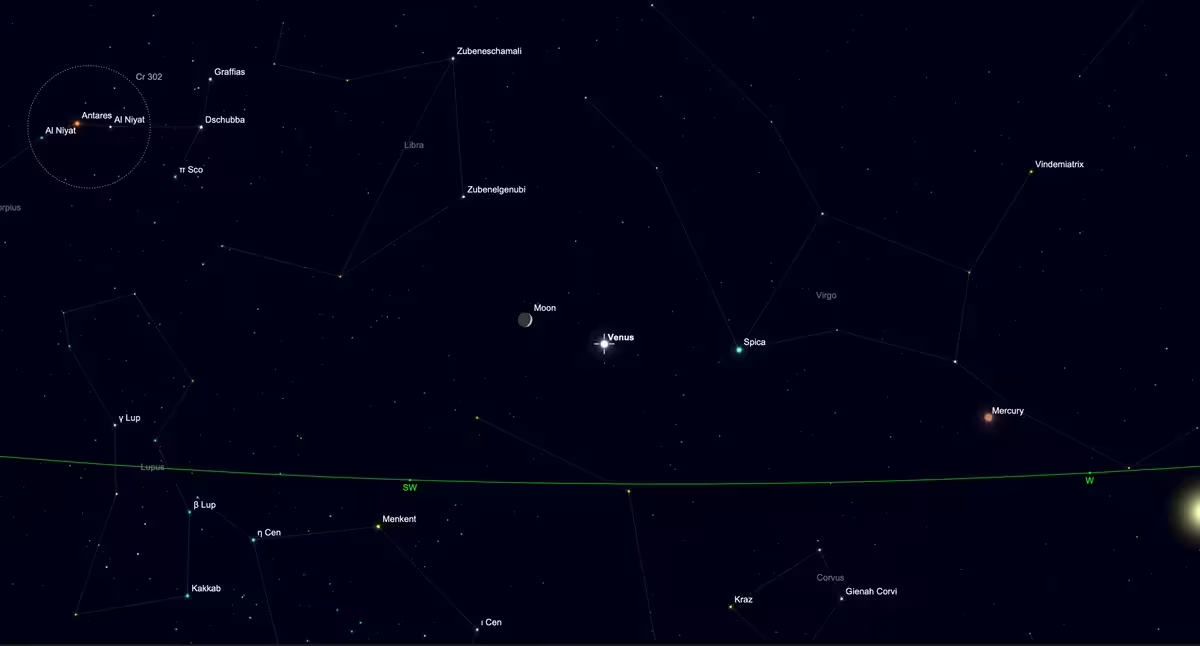
Venus, currently the most brilliant evening beacon, begins the month shining near the star Spica. On September 1, observers should look toward the west-southwest horizon shortly after sunset. By September 14, a thin waxing crescent Moon will provide a convenient visual marker, sitting roughly 5.5 degrees from the planet. Although Venus reaches a peak brilliance of magnitude -4.8 on September 18, its descent toward the horizon as the month concludes may challenge those viewing from mid-northern latitudes.
The Elusive Appearance of Mercury
Mercury remains notoriously difficult to pin down, yet the final week of September offers a brief window for enthusiasts, particularly those in the southern United States. On September 25, the planet hits an elongation of 21 degrees east of the Sun, shining at a magnitude of -0.1. By using Venus as a navigational anchor—the two will be separated by approximately 14 degrees—observers can attempt to locate Mercury in the fading twilight. Because it lingers only about 45 minutes past sunset, binoculars may be essential for catching this swift world against the horizon.
Outer Planets and Early Morning Wonders
For those interested in the outer reaches of our neighborhood, Saturn, Mars, and Jupiter provide a reliable, month-long show. Saturn, appearing as a steady, yellowish-white point at magnitude +0.4, transitions from the constellation Pisces into Cetus on September 6. A notable highlight arrives on September 26, when the planet sits just 6 degrees beneath the Harvest Full Moon. Telescope users may observe that Saturn’s rings are currently inclined at a narrow 8-degree angle relative to our line of sight.
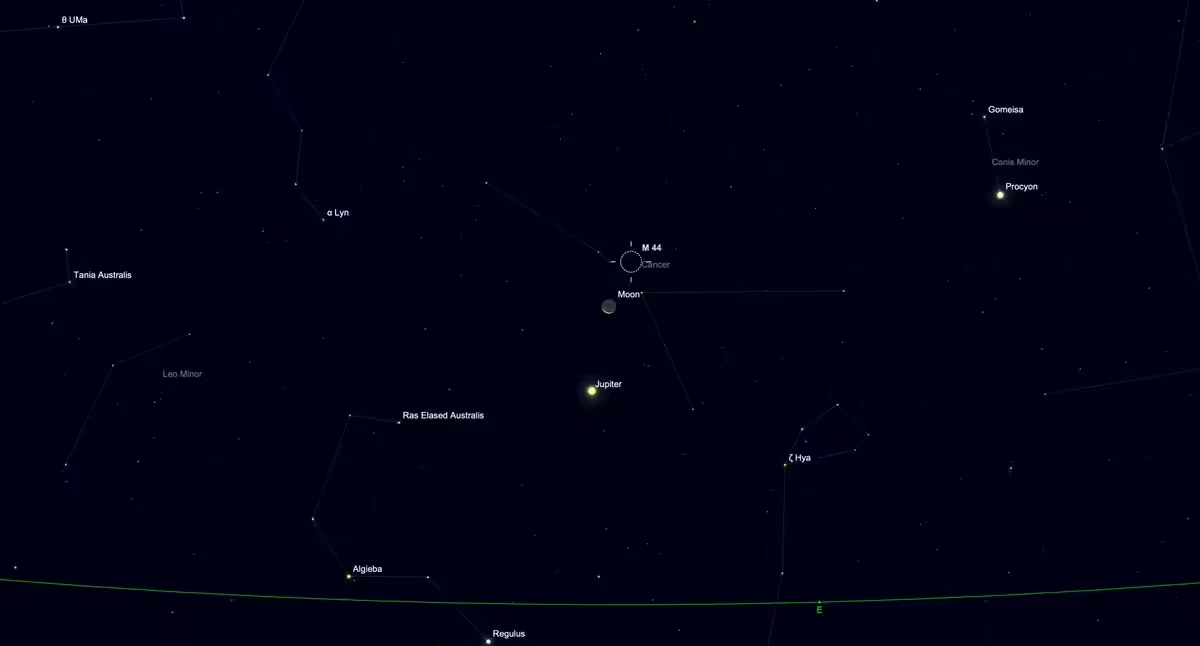
Early risers can catch Mars and Jupiter before dawn. Mars, which rises around 1:40 a.m. local time early in the month, offers a series of close encounters with stars in Gemini, including a tight approach to Wasat on September 9 and a formation involving Castor and Pollux on September 25. Meanwhile, Jupiter continues its climb into the pre-dawn sky. A particularly dramatic event occurs on September 8, when Jupiter appears 4.5 degrees below a waning crescent Moon, leading to a lunar occultation that will be visible across much of North America.
This article has been fact checked for accuracy, with information verified against reputable sources. Learn more about us and our editorial process.
Last reviewed on .
Article history
- Latest version
Reference(s)
- Rao, Joe. “5 planets will light up the September sky — here's how to see them.”, September 1, 2026 Space <https://www.space.com/stargazing/5-planets-will-light-up-the-september-sky-heres-how-to-see-them>.
Cite this page:
- Posted by Aisha Ahmed