Ancient Indian Rock Reveals Hidden Traces Of Earth’s Earliest Life Forms
New evidence from zircon dating and isotope analysis of 3.5-billion-year-old rocks in India suggests the presence of ancient microbial life.
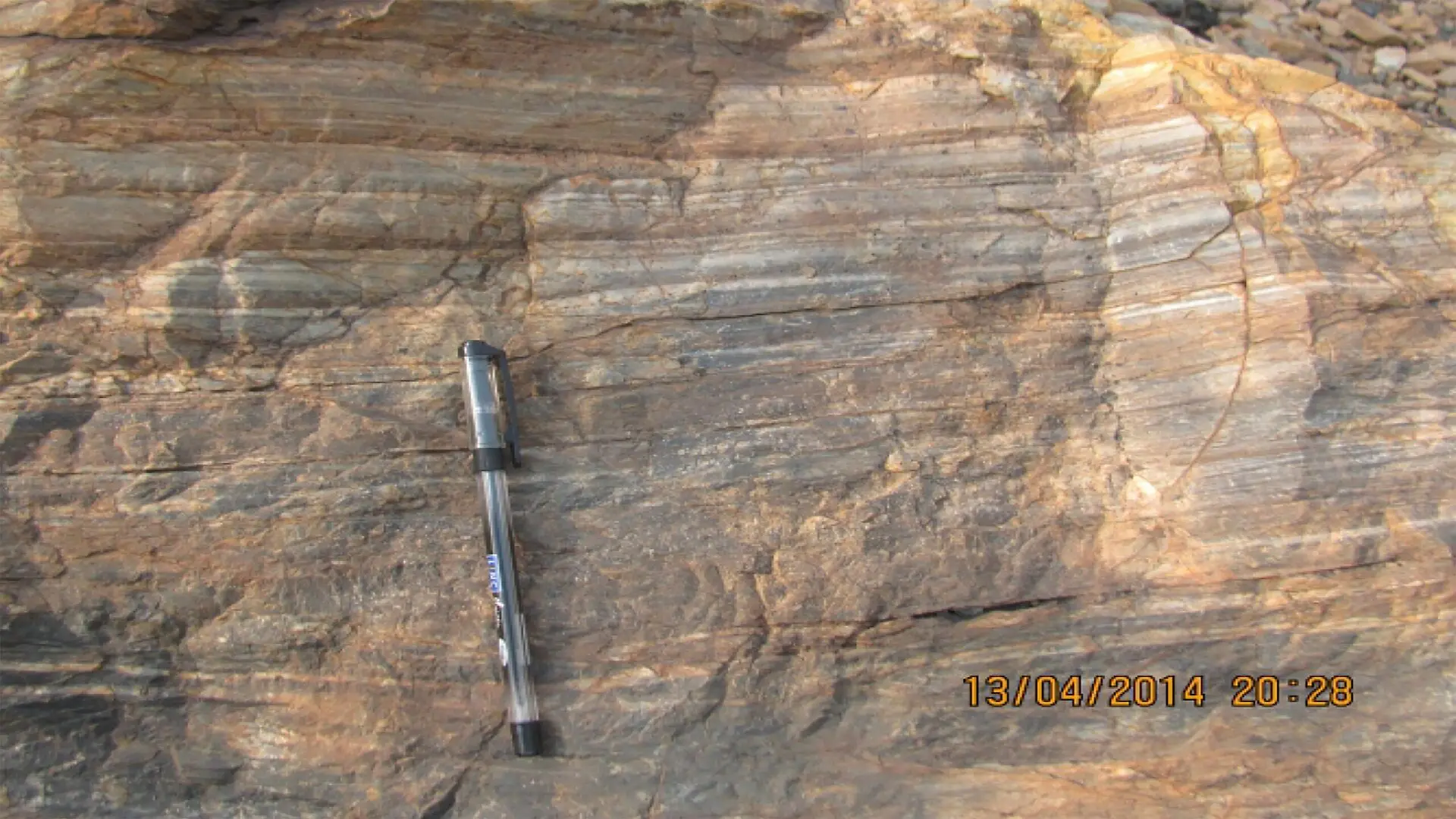
Geologists have uncovered evidence of some of the planet’s earliest microbial activity locked within a 3.5-billion-year-old rock formation in eastern India. By analyzing carbon-rich chert from the Singhbhum Craton, researchers have identified chemical and structural markers that strongly suggest the presence of ancient, layered microbial mats.
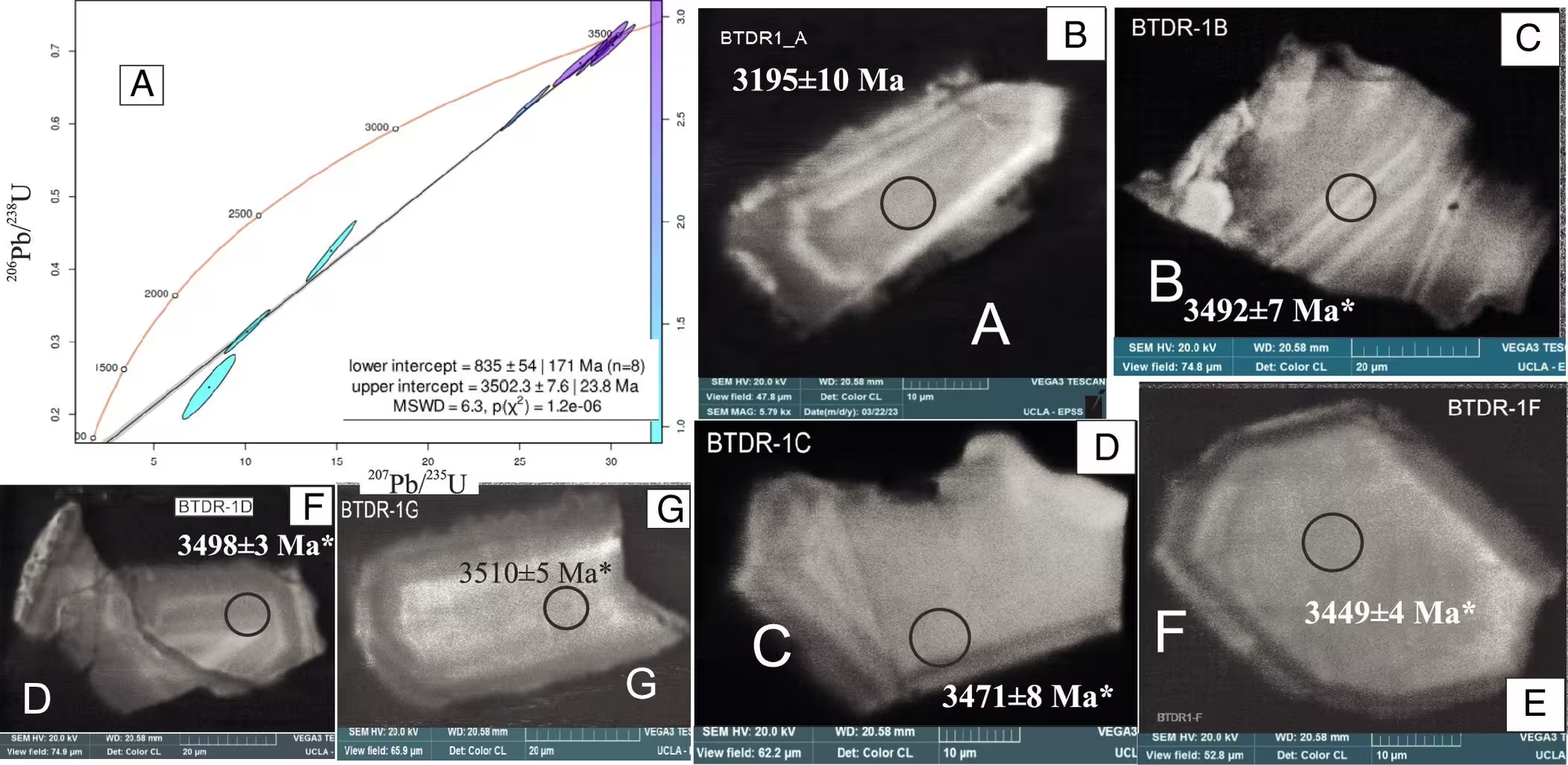
The findings, detailed in the Proceedings of the National Academy of Sciences, focus on a sample dated to approximately 3.497 billion years ago. While identifying signs of life from the Paleoarchean era is notoriously difficult due to the Earth’s volatile geological history—which often masks or mimics biological signals—the team utilized a combination of isotope analysis and mineral dating to support their case.
Detecting Life in Ancient Minerals
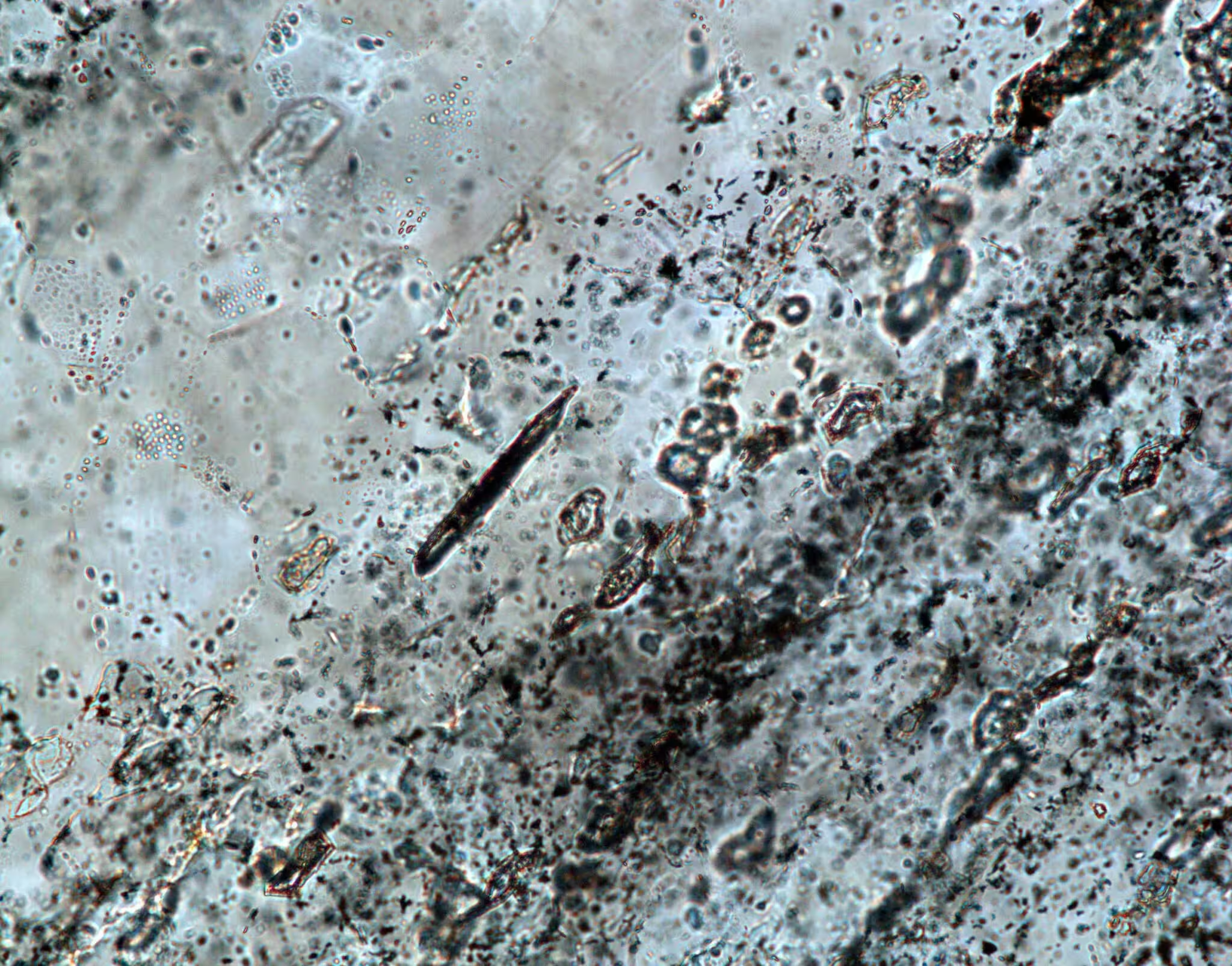
The primary evidence lies in the microscopic layers of the Bhitardari chert, which alternate between silica and carbonaceous material. These structures resemble the laminated mats built by modern microbial communities. To verify their biological origin, researchers performed carbon isotope testing, revealing a signature of roughly −30.9 per mille. This value is characteristic of biological carbon fixation, where organisms preferentially select lighter isotopes.
Geologist Trisrota Chaudhuri of the Geological Survey of India noted that the rarity of such Paleoarchean samples, caused by heat and tectonic deformation, necessitates extreme caution, as non-biological processes can sometimes produce similar markers. However, the study’s Raman spectroscopy data revealed that the carbon remained relatively disordered—consistent with ancient organic matter (kerogen) rather than the fully transformed graphite typically produced by high-heat abiotic processes.
Precision Dating of the Microbial Past
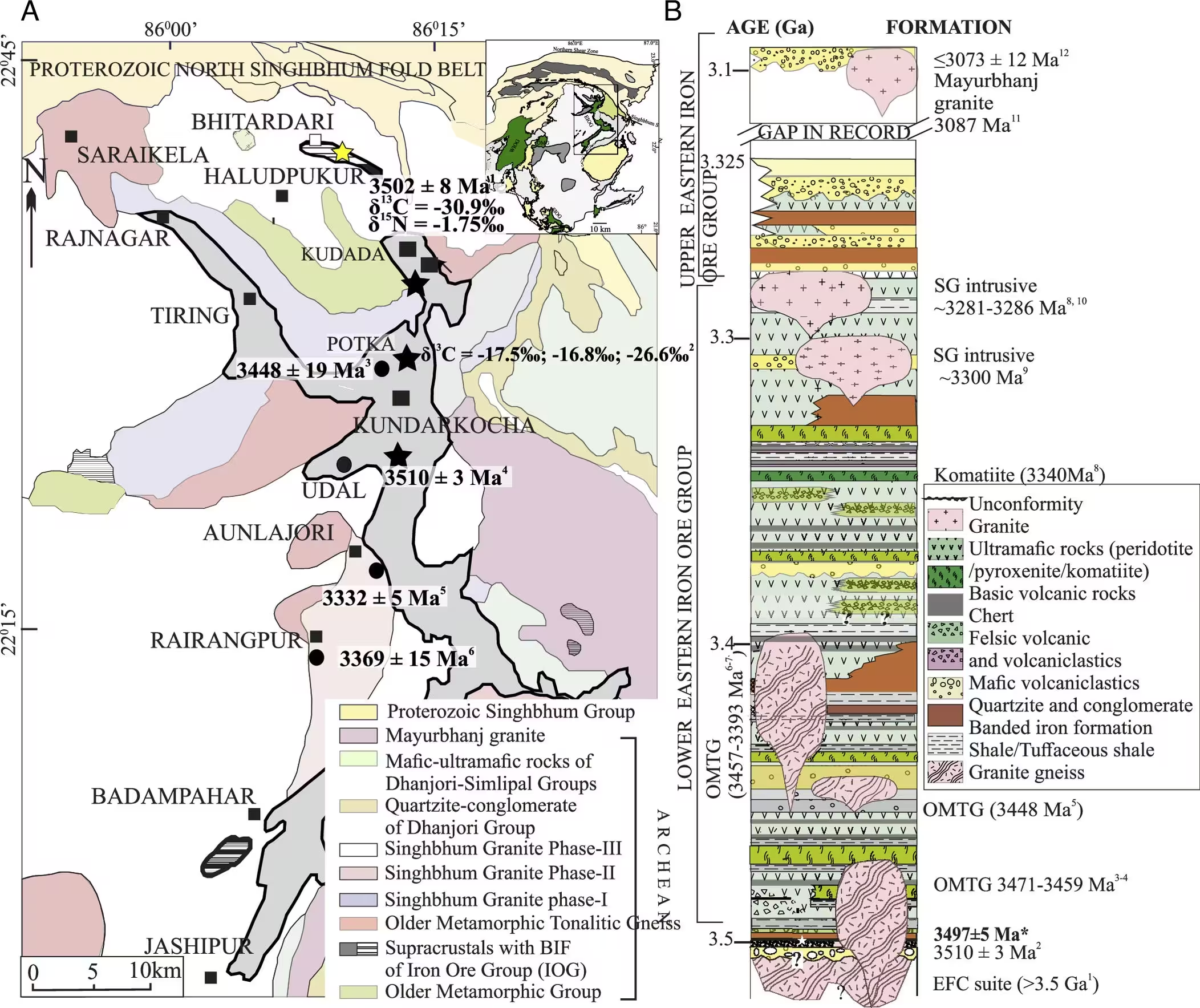
A significant hurdle in studies of early life is the inability to directly date organic remains. To overcome this, the research team extracted tiny zircon crystals from the chert. These zircons, measuring between 40 and 60 micrometers, provided a precise weighted mean age of 3.497 billion years. Because the zircons appear to be volcanic material deposited at the same time as the chert, they serve as a reliable temporal anchor for the carbon-bearing layers.
A Volcanic Cradle for Early Microbes
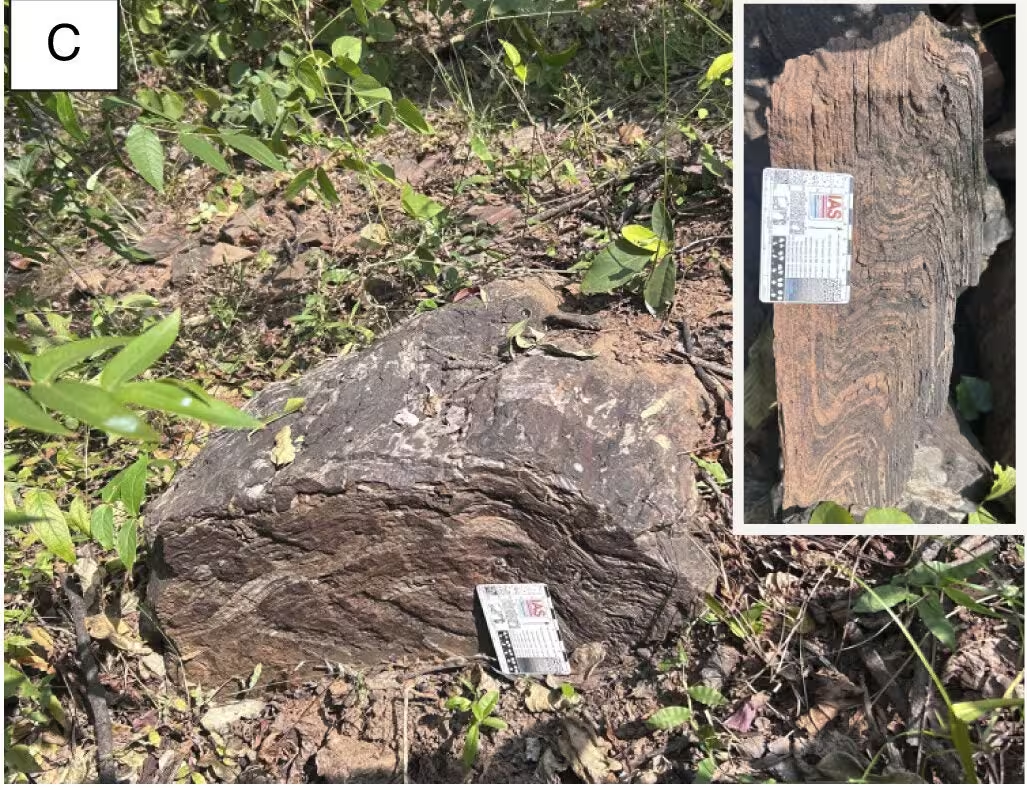
The geological context of the Singhbhum Craton suggests a marine environment defined by hydrothermal activity and volcanic influence. Researchers believe that the combination of silica-rich, oxygen-poor water and volcanic nutrients created an ideal, albeit extreme, habitat for these early communities. The rapid precipitation of silica likely played a crucial role in entombing the organic material, preserving it against the geological forces of the following eons.
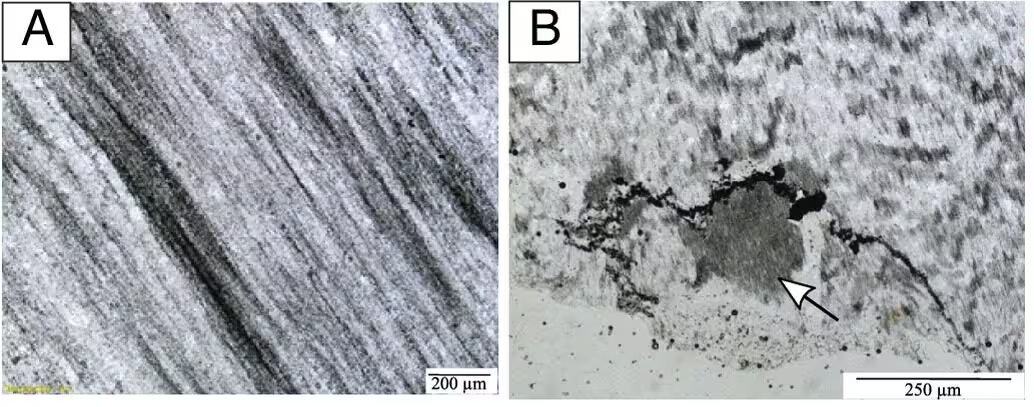
While the findings offer a compelling look at the dawn of life on Earth, the team acknowledges that independent verification will be necessary. Future investigations will likely look for additional chemical signatures across the broader rock sequence to confirm that these patterns remain consistent throughout the area. If confirmed, this site will stand as one of the most well-dated windows into the complex microbial ecosystems that thrived nearly 3.5 billion years ago.
Key Perspectives on Ancient Biosignatures
- Biosignatures and tests of biogenicity in the early rock record (The Archean Earth, 2026)
- Insights from early life in the 3.45-Ga Kitty’s Gap Chert for the search for elusive life in the Universe (Nature Astronomy, 2025)
- Co-evolution of early Earth environments and microbial life (Nature Reviews Microbiology, 2024)
- Aspects of the biological carbon cycle in a ca. 3.42-billion-year-old marine ecosystem (Precambrian Research, 2024)
- Signatures of early microbial life from the Archean (4 to 2.5 Ga) eon (Earth-Science Reviews, 2020)
This article has been fact checked for accuracy, with information verified against reputable sources. Learn more about us and our editorial process.
Last reviewed on .
Article history
- Latest version
Reference(s)
- Chaudhuri, Trisrota., et al. “Direct dating of 3.5 Ga biogenic carbon in a microbial mat remnant, Singhbhum Craton, India.” Proceedings of the National Academy of Sciences, vol. 123, no. 34, August 17, 2026 National Academy of Sciences, doi: 10.1073/pnas.2617912123. <https://www.pnas.org/doi/10.1073/pnas.2617912123>.
- “GSI.” <https://gsi.gov.in/>.
- Rouillard, Joti., et al. “Biosignatures and tests of biogenicity in the early rock record.” The Archean Earth, January 1, 2026, pp. 477-501. Elsevier, doi: 10.1016/B978-0-323-95547-8.00032-X. <https://www.sciencedirect.com/science/chapter/edited-volume/pii/B978032395547800032X>.
- Westall, Frances. “Insights from early life in the 3.45-Ga Kitty’s Gap Chert for the search for elusive life in the Universe - Nature Astronomy.”, vol. 9, no. 11, pp. 1615-1623. Nature, doi: 10.1038/s41550-025-02661-0. <https://www.nature.com/articles/s41550-025-02661-0>.
- Lyons, Timothy. “Co‐evolution of early Earth environments and microbial life - Nature Reviews Microbiology.”, vol. 22, no. 9, pp. 572-586. Nature, doi: 10.1038/s41579-024-01044-y. <https://www.nature.com/articles/s41579-024-01044-y>.
- Reinhardt, M.., et al. “Aspects of the biological carbon cycle in a ca. 3.42-billion-year-old marine ecosystem.” Precambrian Research, vol. 402, March 1, 2024, pp. 107289 Elsevier BV, doi: 10.1016/j.precamres.2024.107289. <https://www.sciencedirect.com/science/article/pii/S0301926824000020>.
- Lepot, Kevin. “Signatures of early microbial life from the Archean (4 to 2.5 Ga) eon.” Earth-Science Reviews, vol. 209, October 1, 2020, pp. 103296 Elsevier BV, doi: 10.1016/j.earscirev.2020.103296. <https://www.sciencedirect.com/science/article/pii/S0012825220303421>.
Cite this page:
- Posted by Aisha Ahmed