New AI Powered Sensor Could Detect Alien Life by Identifying Molecular Handedness
New single-molecule electrical sensors could enable future spacecraft to detect molecular asymmetry, a key sign of extraterrestrial life.
A breakthrough in electrical sensing technology could soon provide space exploration missions with a powerful new tool to detect signs of life beyond Earth. Researchers at the University of Osaka have developed a compact, nanogap-based system that uses artificial intelligence to identify the molecular “handedness” of individual amino acids, a critical indicator of biological activity.
Decoding Life’s Mirror-Image Signatures
One of the most persistent hurdles in astrobiology is distinguishing between organic molecules created by non-biological chemical processes and those synthesized by living organisms. Amino acids, the foundational building blocks of proteins, are key to this investigation because they exist in two mirror-image configurations, known as L-forms and D-forms. While these two versions possess identical chemical formulas, their structures are non-superimposable, much like a person’s left and right hands.
On Earth, life exhibits a distinct preference for L-amino acids, while biological sugars typically favor the opposite configuration—a phenomenon known as homochirality. Conversely, abiotic chemical reactions in the cosmos generally produce an equal mix of both forms. By measuring the ratio of these chiral molecules, scientists can identify potential biosignatures on Mars, asteroids, or icy moons. However, detecting this subtle imbalance in extraterrestrial samples is difficult, as it often requires heavy, complex laboratory equipment that is impractical for remote space missions.
Engineering a Nanoscale Electrical Sensor
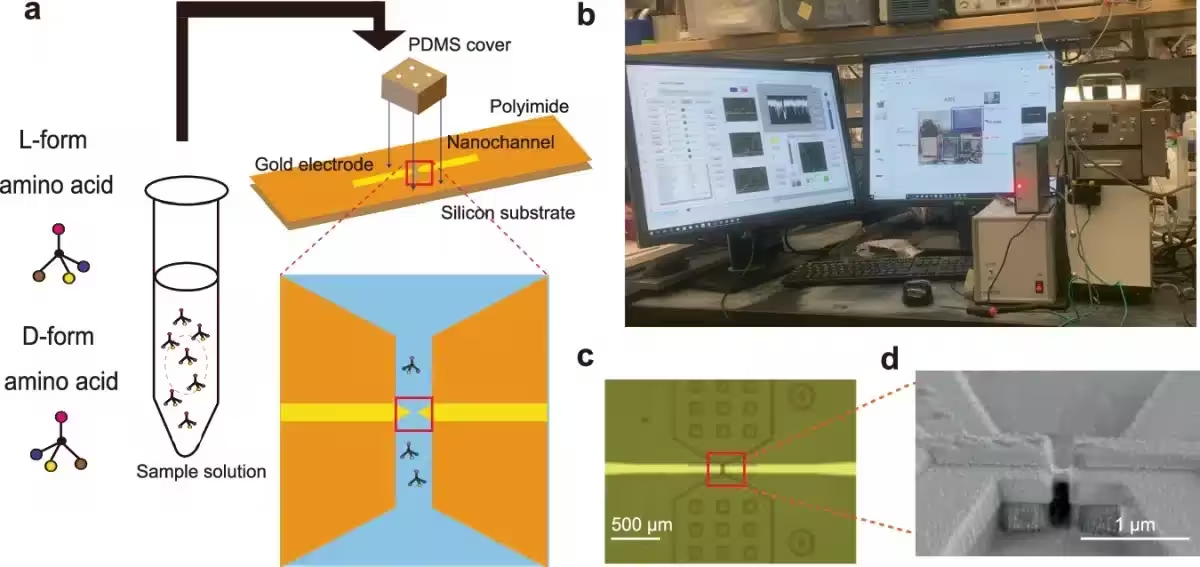
As detailed in the journal Nature Communications, the Osaka team’s solution involves a minute gap between two gold nanowires. As individual molecules traverse this gap, they disrupt electron tunneling, creating unique electrical signals that reveal the molecule’s identity. By integrating these measurements with artificial intelligence, the researchers were able to train models to recognize the distinct electrical signatures of L- and D-amino acids.
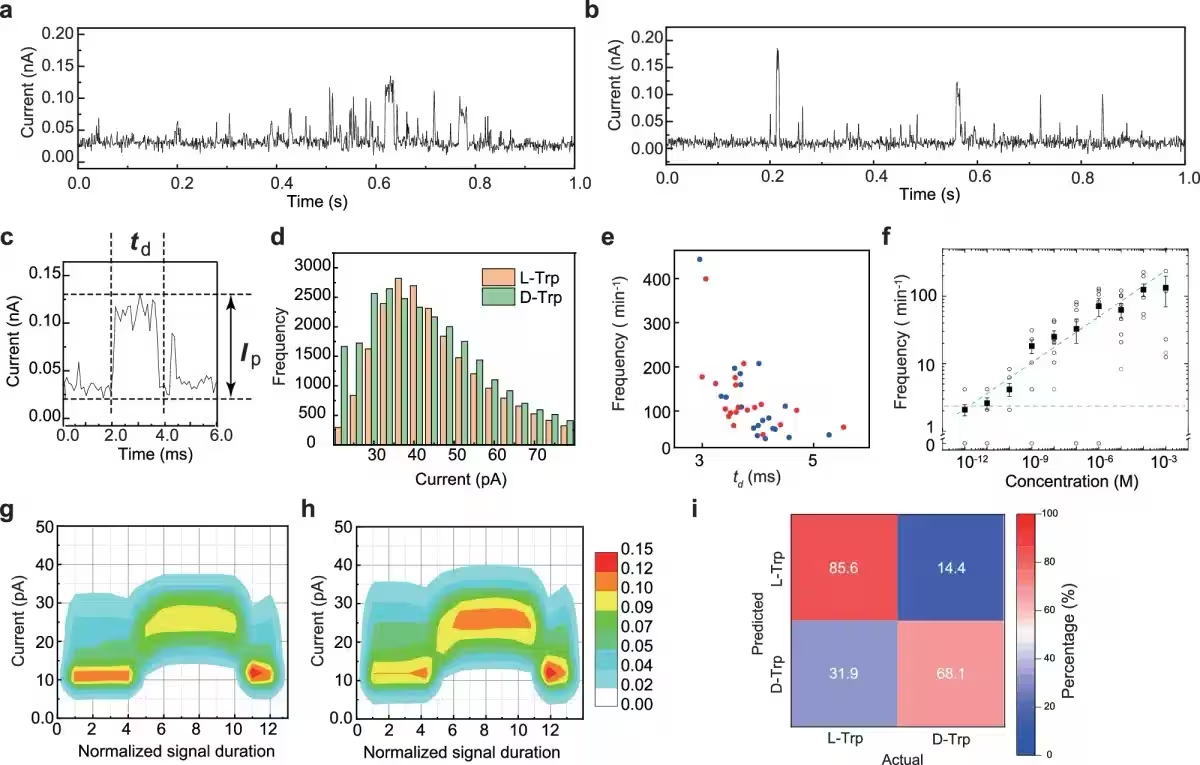
This approach allows for single-molecule detection, offering a significant advantage in efficiency and sensitivity. The researchers reported an accuracy rate of over 80% in distinguishing between the two chiral forms. “By combining our nanogap tunneling technique with artificial intelligence, we were able to distinguish between the L- and D-forms of amino acids with over 80% accuracy,” said lead author Takahito Oshiro. “This is the first discrimination of amino acid chirality at the single-molecule level and constitutes a fundamental advance in chemical sensing.”
Testing Potential in Real-World Conditions
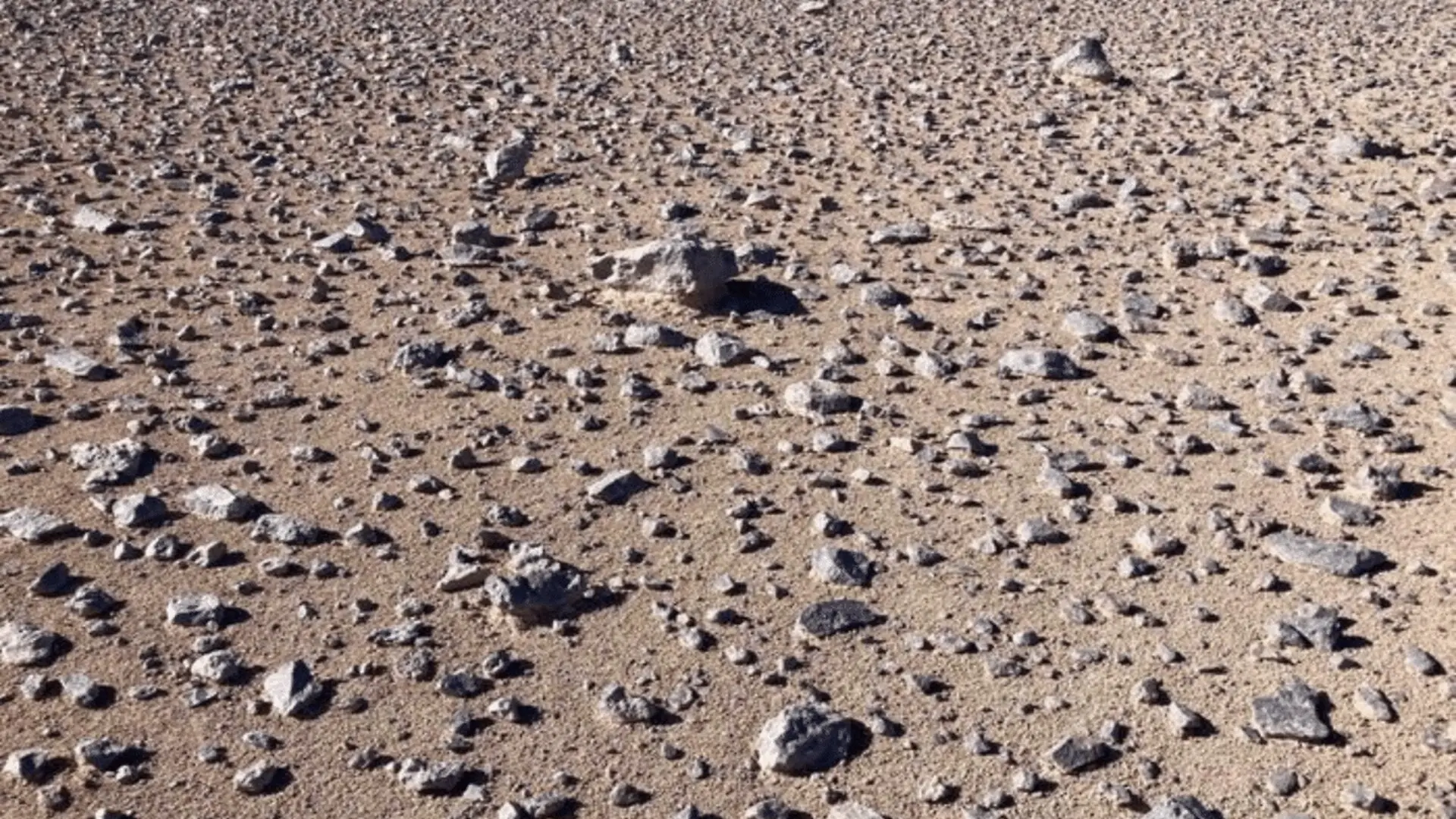
To demonstrate the practical application of their sensor, the team moved beyond purified samples to test natural, complex materials. They analyzed organic compounds extracted from the Murchison meteorite and soil samples gathered from the Atacama Desert, a location widely recognized as an Earth-based analogue for the Martian surface. Senior author Masateru Taniguchi noted that the sensor performed well even amidst the chemical complexity of these natural materials, producing results comparable to traditional laboratory analysis. While the technology is not yet ready to replace stationary instruments, this successful demonstration underscores its potential as a portable, high-precision asset for future space exploration missions.
This article has been fact checked for accuracy, with information verified against reputable sources. Learn more about us and our editorial process.
Last reviewed on .
Article history
- Latest version
Reference(s)
- Williams, Jamie. “Discovery of a second-generation planet candidate accreting onto a white dwarf - Nature Astronomy.”, October 5, 2026, pp. 1-9. Nature, doi: 10.1038/s41550-026-02983-7. <https://www.nature.com/articles/s41550-026-02983-7>.
Cite this page:
- Posted by Asif Iqbal