Scientists Just Unlocked Tens of Thousands of Ancient Molecules Hidden Inside Meteorites
Advanced instrumentation has finally unlocked the secrets hidden inside a mysterious meteorite, fundamentally changing our understanding of space rocks.
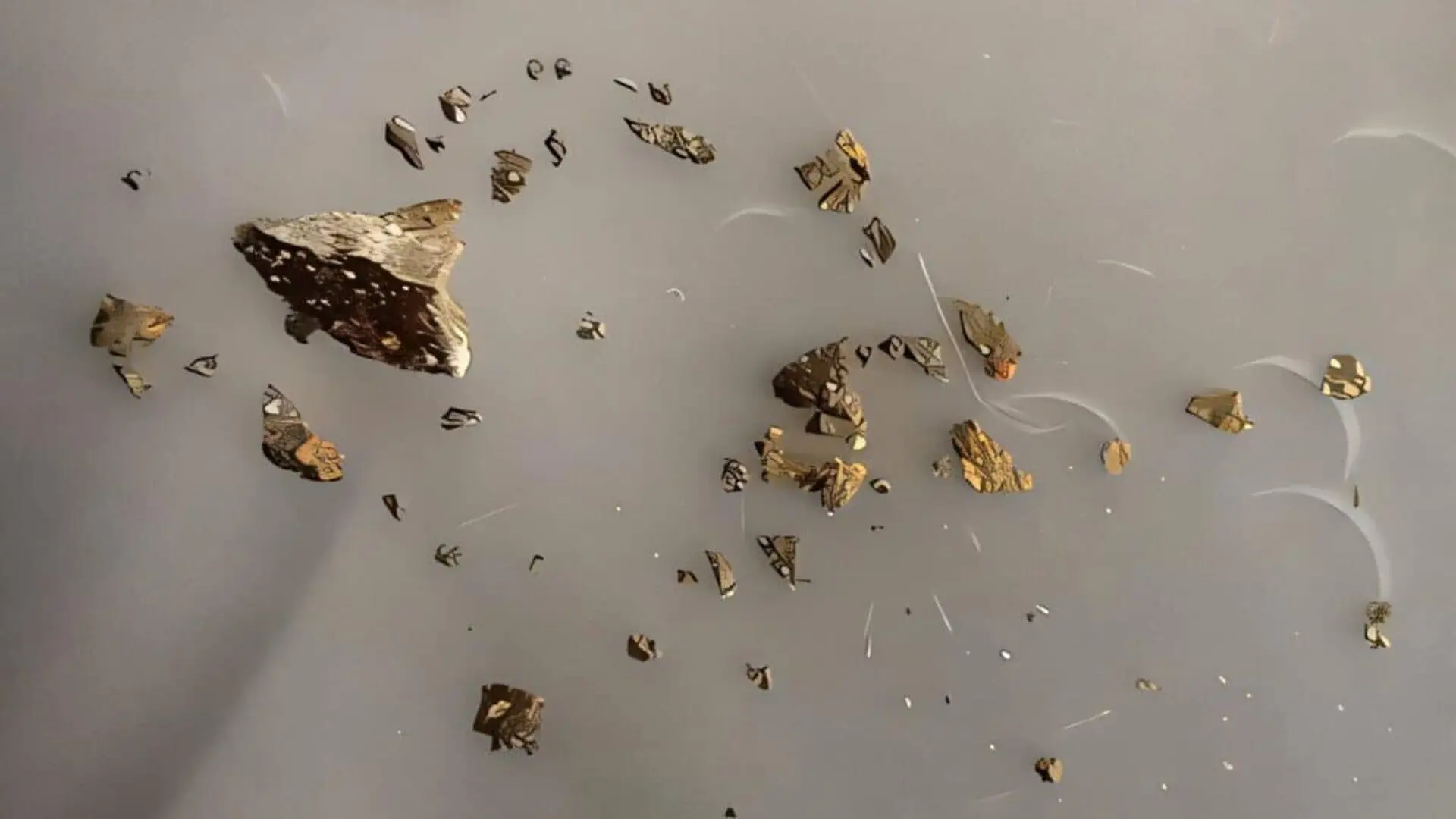
Scientists have uncovered a vast archive of primordial chemistry hidden within two meteorites, revealing tens of thousands of unique organic compounds that predate the formation of Earth. By deploying some of the world’s most sensitive analytical tools, researchers from the National High Magnetic Field Laboratory and Brookhaven National Laboratory have mapped a complex molecular landscape that remained locked away in space rock for billions of years.
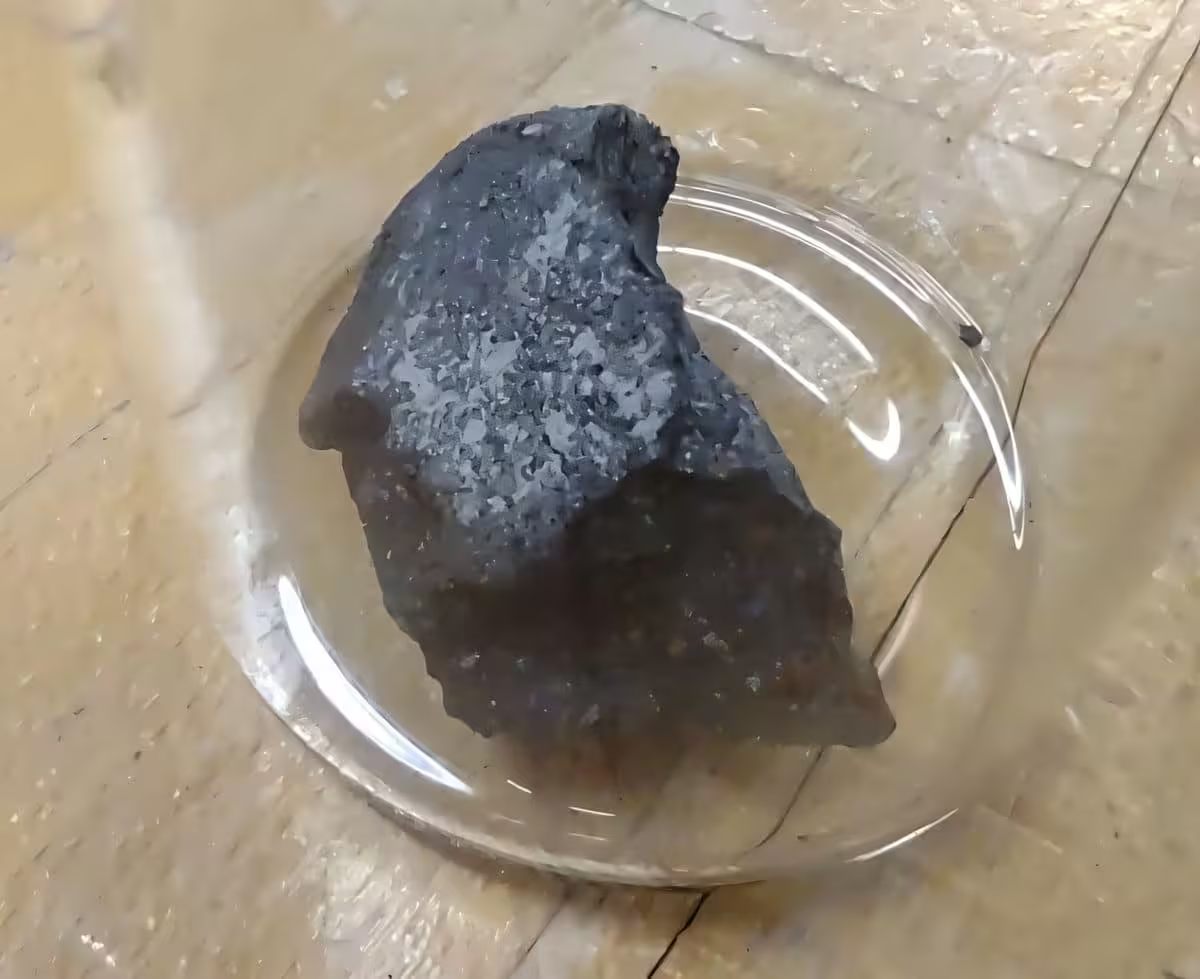
The study, published in The Planetary Science Journal, focused on fragments from the famous Murchison meteorite, which fell in Australia in 1969, and the Aguas Zarcas meteorite, which landed in Costa Rica in 2019. The findings provide a rare glimpse into the diverse organic chemistry that permeated the solar system long before our own planet began to take shape.
Extraterrestrial Chemical Diversity
The researchers were surprised by the sheer volume of carbon-based compounds identified in the samples. Lead author Joseph Frye-Jones noted that the findings suggest space is host to a much higher degree of organic complexity than previously understood. The Murchison specimen, which dates back at least 5.5 billion years, proved particularly enlightening. Despite its age—a billion years older than Earth itself—the rock preserves a chemical profile so complex that it rivals terrestrial mixtures, such as those found in crude oil deposits.
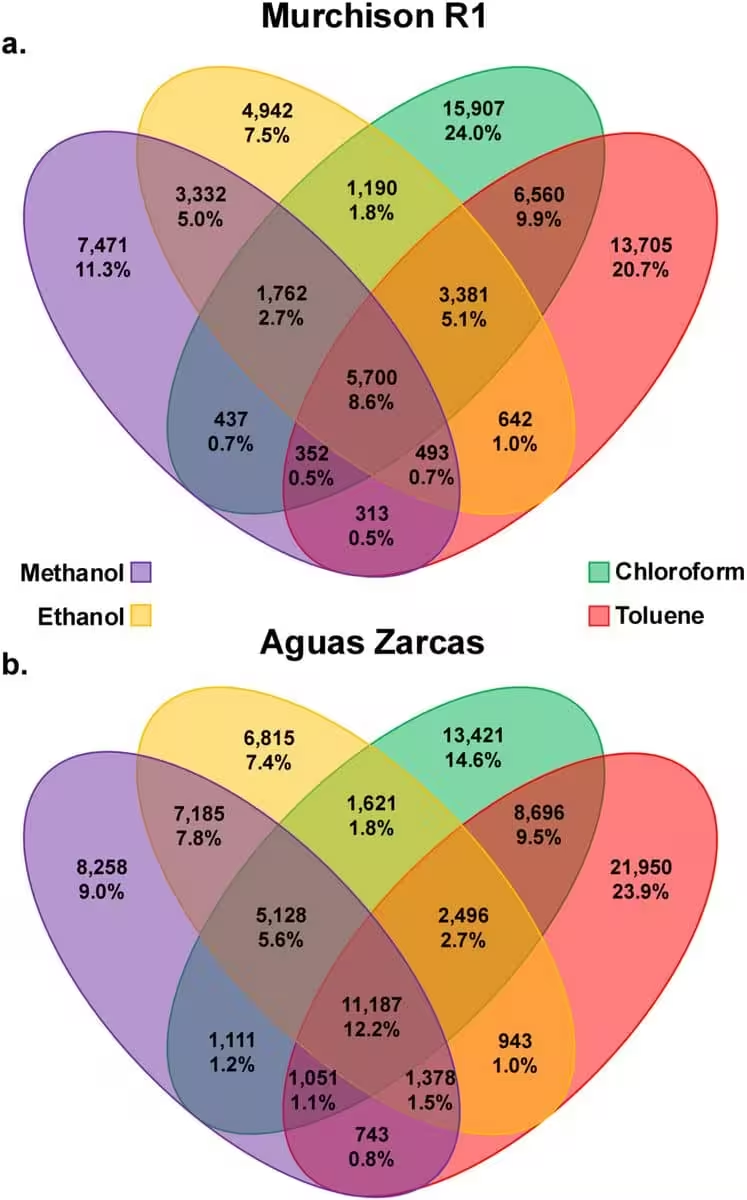
A striking observation emerged when the team compared the two meteorites. Despite their superficial similarities and shared cosmic origins, the molecular overlap between the two samples was minimal. This disparity suggests that the asteroids from which these fragments originated were exposed to vastly different environmental conditions during the early stages of the solar system’s evolution.
High-Resolution Analytical Breakthroughs
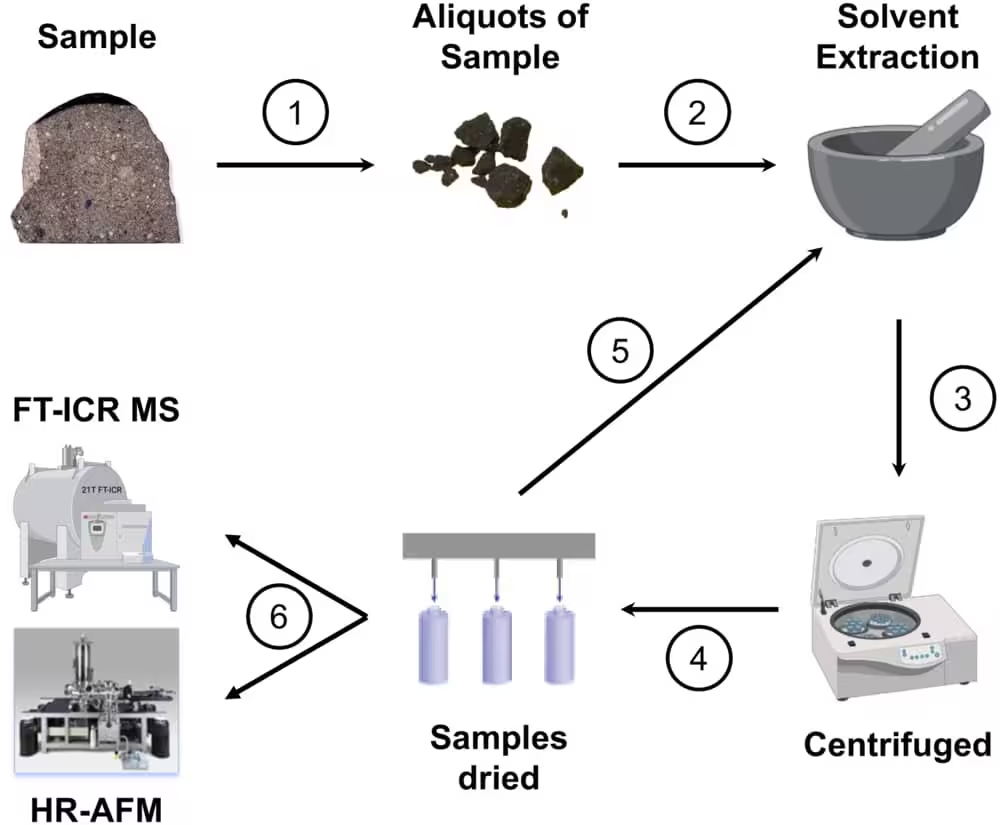
To pull these secrets from the stone, the team utilized the National High Magnetic Field Laboratory’s 21-tesla Fourier transform ion cyclotron resonance mass spectrometer. By crushing the meteorites and extracting the material using solvents like methanol and ethanol, the scientists could isolate and identify the chemical fingerprints of thousands of individual compounds.
“The technique that we are using has been steadily getting better as technology improves,” Frye-Jones said. “With the highest-resolution mass spectrometer in the world, we can look at things that others cannot.”
Visualizing Molecular Architecture
While mass spectrometry provides a list of ingredients, it does not always reveal the physical structure of a molecule—a critical distinction given that different structures can exist with the same elemental composition. To bridge this gap, Percy Zahl of Brookhaven’s Center for Functional Nanomaterials employed high-resolution noncontact atomic force microscopy.
This painstaking process involves scanning a probe over a surface to map atomic interactions. Because of the extreme complexity of the meteorite samples, capturing a single, clear image can take weeks or even months of intensive labor. It is a rare technique that has only been applied to meteorite samples three times in history.
“Mass spectrometry can reveal the molecular formulas hidden within a meteorite, but this takes the analysis one remarkable step further,” said Zahl. “This is the only method that can actually image the structure of a single molecule.”
By combining chemical identification with direct structural imaging, researchers are moving closer to a comprehensive understanding of the building blocks that were available during the dawn of our solar system.
This article has been fact checked for accuracy, with information verified against reputable sources. Learn more about us and our editorial process.
Last reviewed on .
Article history
- Latest version
Reference(s)
- Frye-Jones, Joseph W.., et al. “Direct Molecular-scale Insight into Soluble Organic Matter from the Murchison and Aguas Zarcas Meteorites Enabled by 21T FT-ICR MS and Single-molecule HR-AFM Imaging.” The Planetary Science Journal, vol. 7, no. 9, September 16, 2026, pp. 213 American Astronomical Society, doi: 10.3847/PSJ/ae9a8d. <https://iopscience.iop.org/article/10.3847/PSJ/ae9a8d>.
- “Sciences and Exploration Directorate - NASA's Goddard Space Flight Center.” <https://science.gsfc.nasa.gov/691/analytical/about/basic-explanation.html>.
Cite this page:
- Posted by Karan Das