Mysterious Dark Patterns on Pluto May Hint at Liquid Nitrogen Flows Beneath the Ice
New analysis of NASA’s New Horizons data suggests liquid nitrogen may have recently reached Pluto’s surface, hinting at hidden activity beneath its glacier.
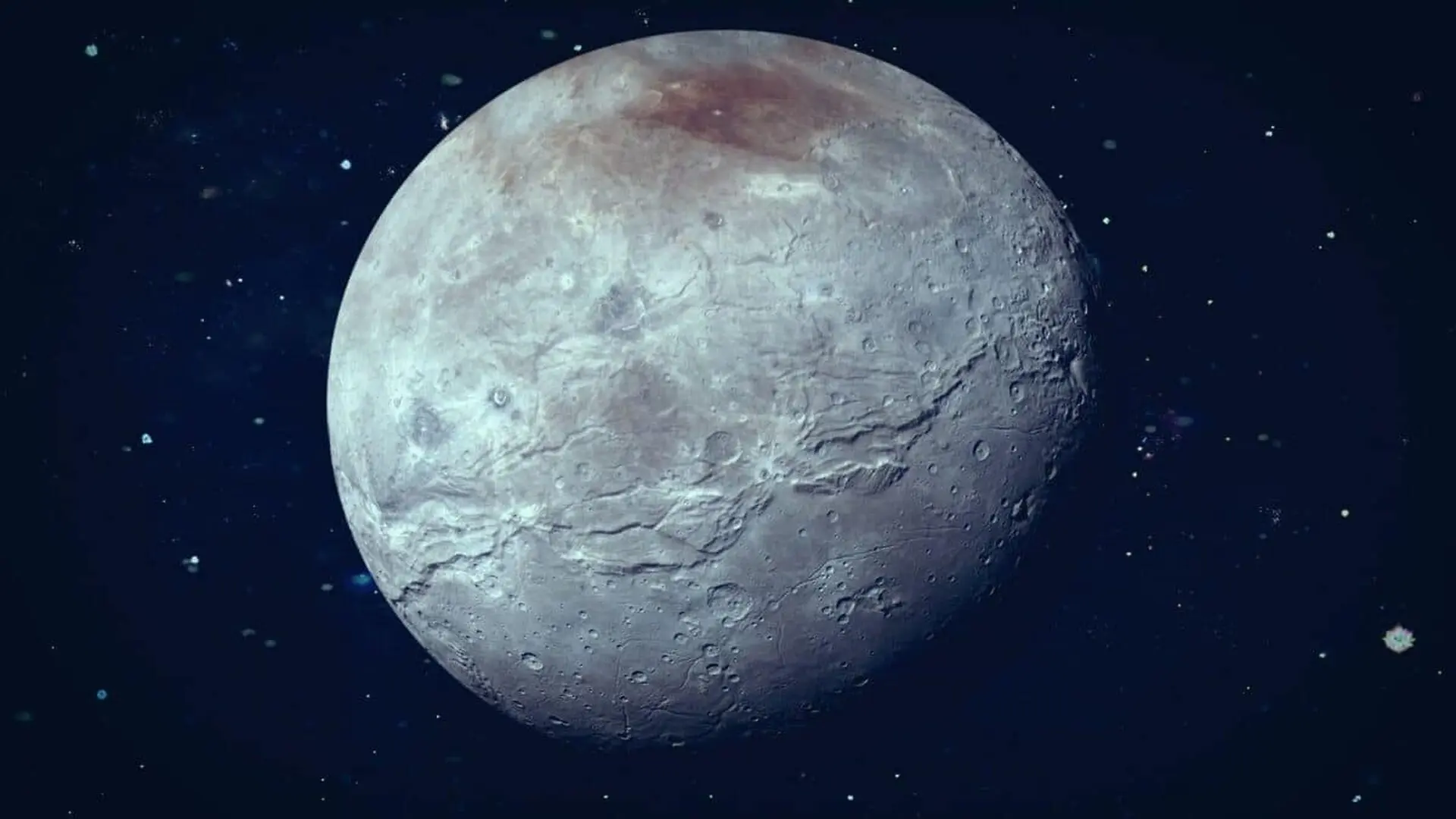
Intriguing dark patterns discovered on the surface of Pluto’s Sputnik Planitia—a vast, nitrogen-ice-dominated basin—may be the signatures of liquid nitrogen bubbling up from beneath the glacier. According to a new study published in The Planetary Science Journal, these mysterious markings suggest a dynamic, active subsurface environment, though researchers caution that this remains a hypothesis rather than confirmed physical evidence of liquid nitrogen.
Evidence of a Geologically Active World
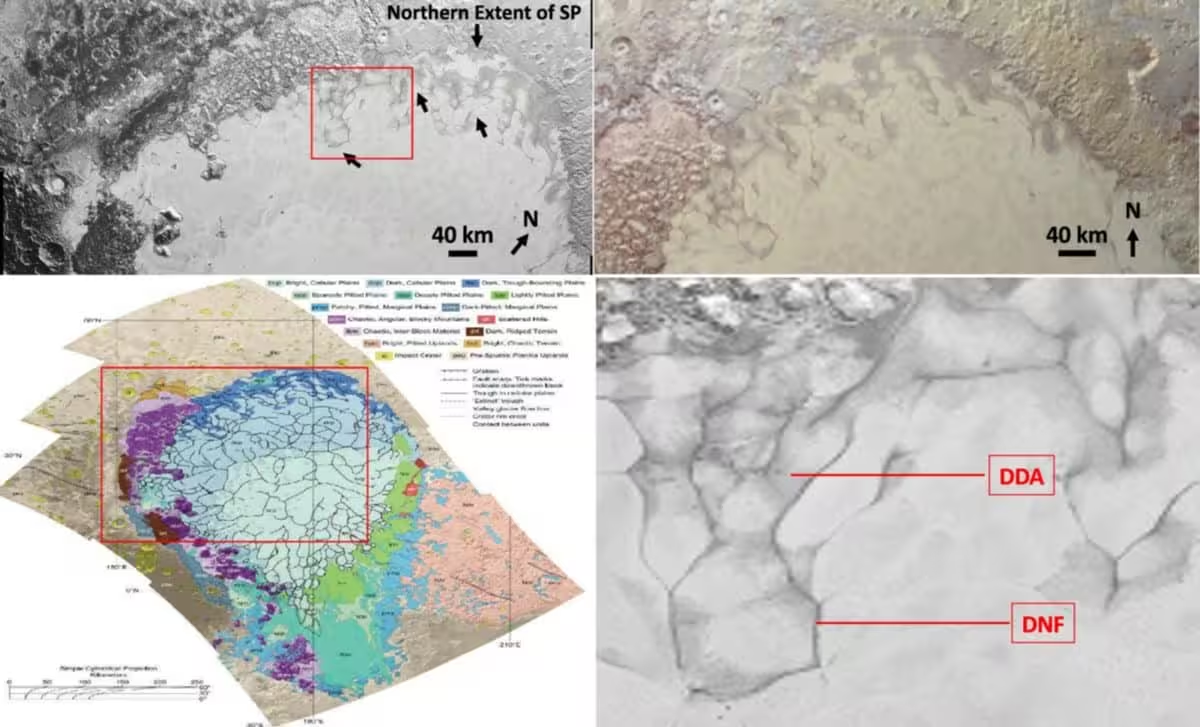
Sputnik Planitia spans more than 1 million square kilometers, characterized by cellular plains created by ongoing convection within its nitrogen-rich ice. These convection cells typically measure between 20 and 35 kilometers across, with centers that rise roughly 100 meters above the troughs separating them. The absolute lack of visible impact craters in images captured by the New Horizons mission indicates that the surface is remarkably young, suggesting it is frequently resurfaced by geological processes.
The research team focused on dark structures clustered near the northern and eastern borders of the glacier. These features include narrow, linear patterns that stretch for tens of kilometers, often tracing the edges of convection cells, alongside broader, diffuse regions. The researchers noted that these patterns defy simple explanations. While variations in grain size, sublimation, or the presence of impurities can darken ice, such mechanisms typically produce less defined, more dispersed markings than those observed on Pluto.
Drawing Parallels with Earth’s Glacial Dynamics
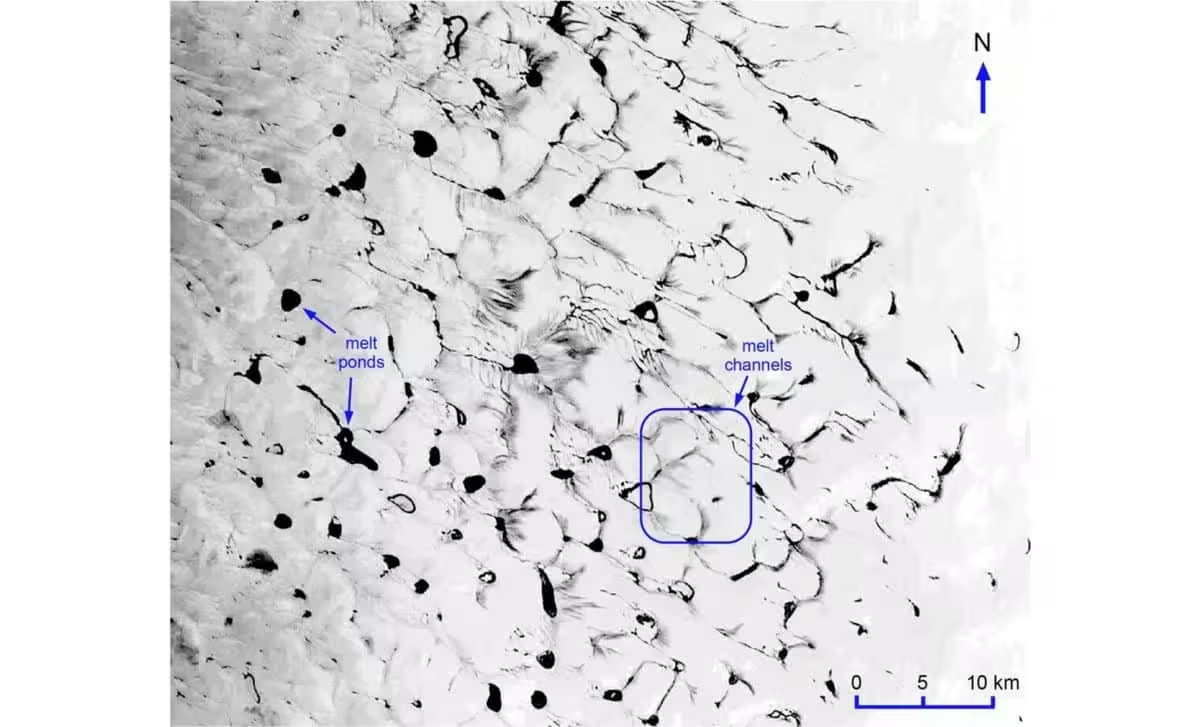
To investigate the origin of these markings, the scientists looked to Earth. On our own planet, meltwater moving across ice sheets carves distinct, dark channels and ponds. By comparing New Horizons data with Landsat 9 imagery of the Greenland ice sheet, researchers found a compelling visual parallel. While the environmental conditions and materials on Pluto differ significantly from those on Earth, the authors argue that flowing liquid nitrogen could plausibly mimic these terrestrial patterns by wetting the surface ice, altering its texture, or transporting darker materials.
“The surface of Sputnik Planitia is quite young, probably less than one million years based on modeling of the surface overturn,” says study co-author Kelsi Singer. This narrow geological window suggests the dark features identified by the team are recent formations.
Thermal Models and Potential Subsurface Reservoirs
The study explores whether Pluto’s interior could actually support the production of liquid nitrogen. Under specific pressure and temperature thresholds, nitrogen can exist in a liquid state. The team’s calculations suggest that these conditions could be met at depths ranging from 0.30 to 1.4 kilometers, depending on the internal heat flux of the dwarf planet. Furthermore, stable liquid nitrogen may be possible at depths as shallow as 20 meters below the surface.
The researchers investigated several potential heat sources, concluding that the friction generated by glacial movement is likely too weak to cause significant melting. Instead, they propose that heat buildup—perhaps triggered by the thinning of the glacier or pressure changes in pore spaces within the underlying bedrock—could lead to localized melting. Once formed, this less dense liquid nitrogen could migrate upward through fractures in the ice.
While the models demonstrate that a steady trickle of liquid nitrogen is possible, creating large-scale surface features would likely require pressurized bursts. These episodes could force liquid through vertical glacier fissures, allowing the fluid to travel over the surface before eventually freezing. Although this evidence remains indirect and much of Pluto’s surface remains unmapped at high resolution, the findings provide a consistent framework for how liquid nitrogen could play an active role in shaping the surface of the distant, icy world.
This article has been fact checked for accuracy, with information verified against reputable sources. Learn more about us and our editorial process.
Last reviewed on .
Article history
- Latest version
Reference(s)
- Stern, S. A.., et al. “Evidence for Possible N 2 Basal Flow beneath Pluto’s Northern Sputnik Planitia.” The Planetary Science Journal, vol. 7, no. 7, July 31, 2026, pp. 185 American Astronomical Society, doi: 10.3847/PSJ/ae7e85. <https://iopscience.iop.org/article/10.3847/PSJ/ae7e85>.
Cite this page:
- Posted by Karan Das