NASA’s Iconic Space Observatory Is Falling To Earth After Two Decades Of Discovery
After 22 years of tracking the universe’s most extreme events, NASA’s aging spacecraft faces a final, heartbreaking decision as its mission nears an end.
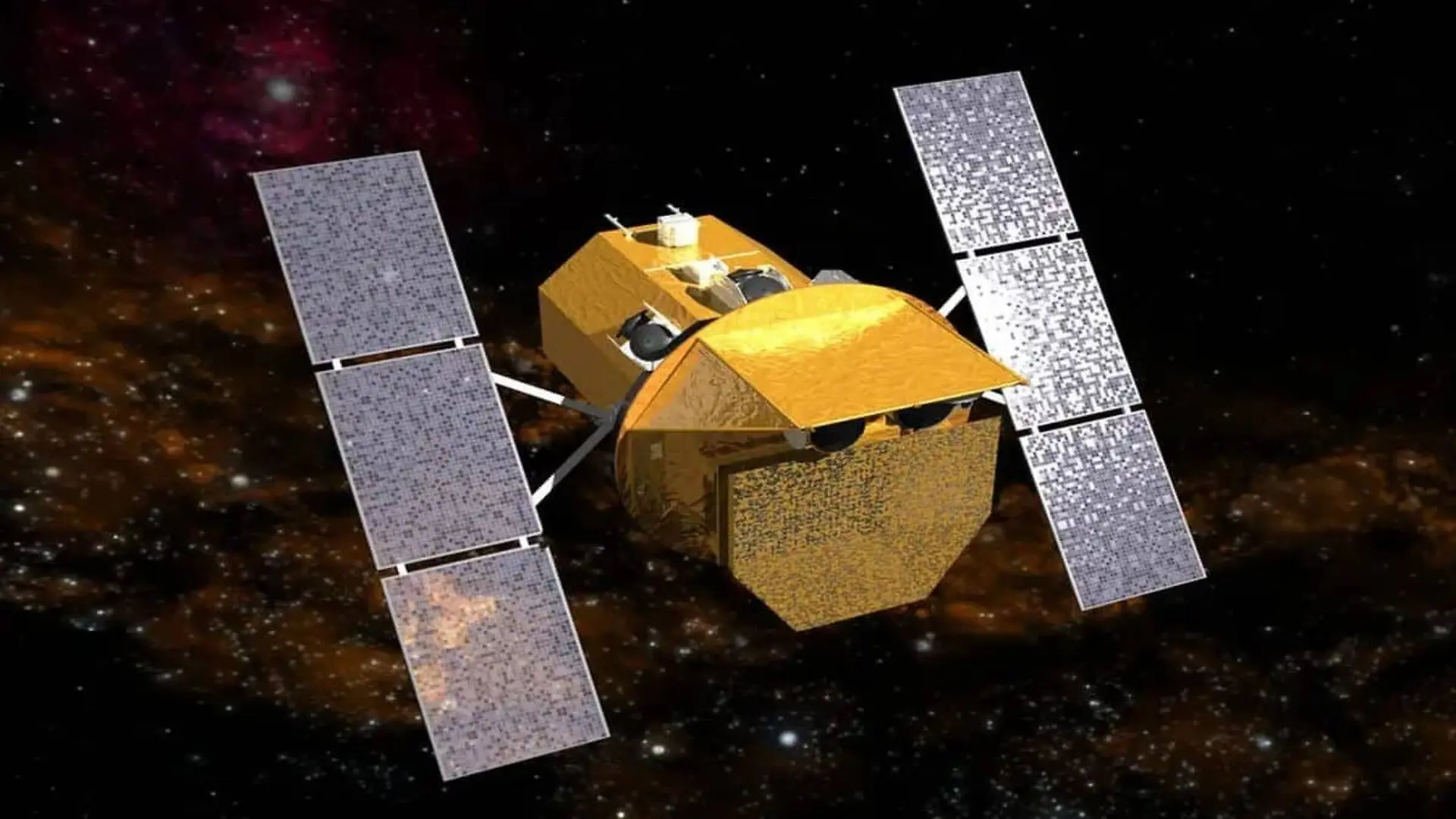
After more than two decades of mapping the high-energy universe, NASA’s Neil Gehrels Swift Observatory is on its final descent toward Earth’s atmosphere. The satellite, which has been a cornerstone of gamma-ray burst research since its 2004 launch, officially concluded its operations on October 20, 2026, after drifting down to an altitude of 171 miles (275 kilometers).
The spacecraft’s steady loss of altitude was accelerated by current conditions in space. As the Sun enters the maximum phase of its 11-year solar cycle, the resulting space weather has caused Earth’s upper atmosphere to expand. This increased density creates more drag for objects in low Earth orbit, effectively pulling them toward the planet at a faster rate.
The End of a High-Stakes Rescue Effort
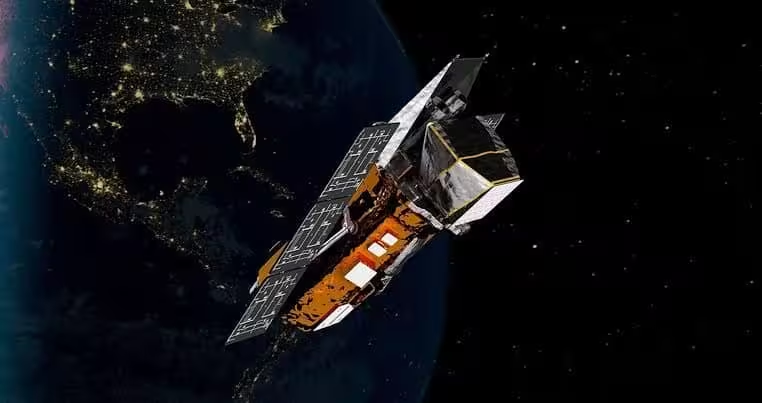
NASA had previously explored options to extend the mission by boosting the satellite to a higher, more stable orbit. This proposed servicing mission was considered a complex, high-risk endeavor with a narrow window of feasibility. To facilitate these plans, mission operators at Penn State had paused science operations to minimize the drag caused by the spacecraft maneuvering to track targets.
Ultimately, the rescue mission did not materialize, and the effort was formally abandoned in August 2026. Following the decision, NASA released detailed insights regarding the challenges of such orbital interventions. With the prospect of a boost gone, the team pivoted back to extracting as much scientific utility as possible from the aging observatory in its final days.
Final Scientific Contributions
Far from remaining dormant during its final weeks, the observatory was reactivated for a productive, if brief, farewell campaign. Resuming operations on August 28, 2026, the satellite successfully monitored hundreds of cosmic phenomena. According to a NASA mission update, the team brought a third instrument online and restored automated slewing capabilities, allowing the spacecraft to pivot between distant black holes, stellar explosion remnants, and solar system comets.
This final surge of research necessitated frequent repositioning, which deepened the impact of atmospheric drag and accelerated the satellite’s downward spiral. By mid-October, the observatory could no longer maintain its orbit and entered a safe mode before final command shut down. The satellite is expected to complete its re-entry into Earth’s atmosphere within the coming weeks.
This article has been fact checked for accuracy, with information verified against reputable sources. Learn more about us and our editorial process.
Last reviewed on .
Article history
- Latest version
Reference(s)
- Interrante, Abbey. “NASA, NOAA: Sun Reaches Maximum Phase in 11-Year Solar Cycle - NASA Science.”, October 15, 2024 NASA <https://science.nasa.gov/science-research/heliophysics/nasa-noaa-sun-reaches-maximum-phase-in-11-year-solar-cycle/>.
- Kazmierczak, Jeanette. “NASA Highlights Lessons Learned From Swift Boost Mission - NASA Science.”, September 28, 2026 NASA <https://science.nasa.gov/missions/swift/nasa-highlights-lessons-learned-from-swift-boost-mission/>.
- Kazmierczak, Jeanette. “NASA’s Swift Powers On Third Instrument, Restarts Automated Slewing - NASA Science.”, September 25, 2026 NASA <https://science.nasa.gov/blogs/swift/2026/09/25/nasas-swift-powers-on-third-instrument-restarts-automated-slewing/>.
Cite this page:
- Posted by Karan Das