Russia Is Reportedly Planning To Permanently Seal Off A Leaking ISS Compartment
A persistent air leak on the ISS may force Russia to permanently seal off a damaged module, permanently changing future docking operations and station safety.
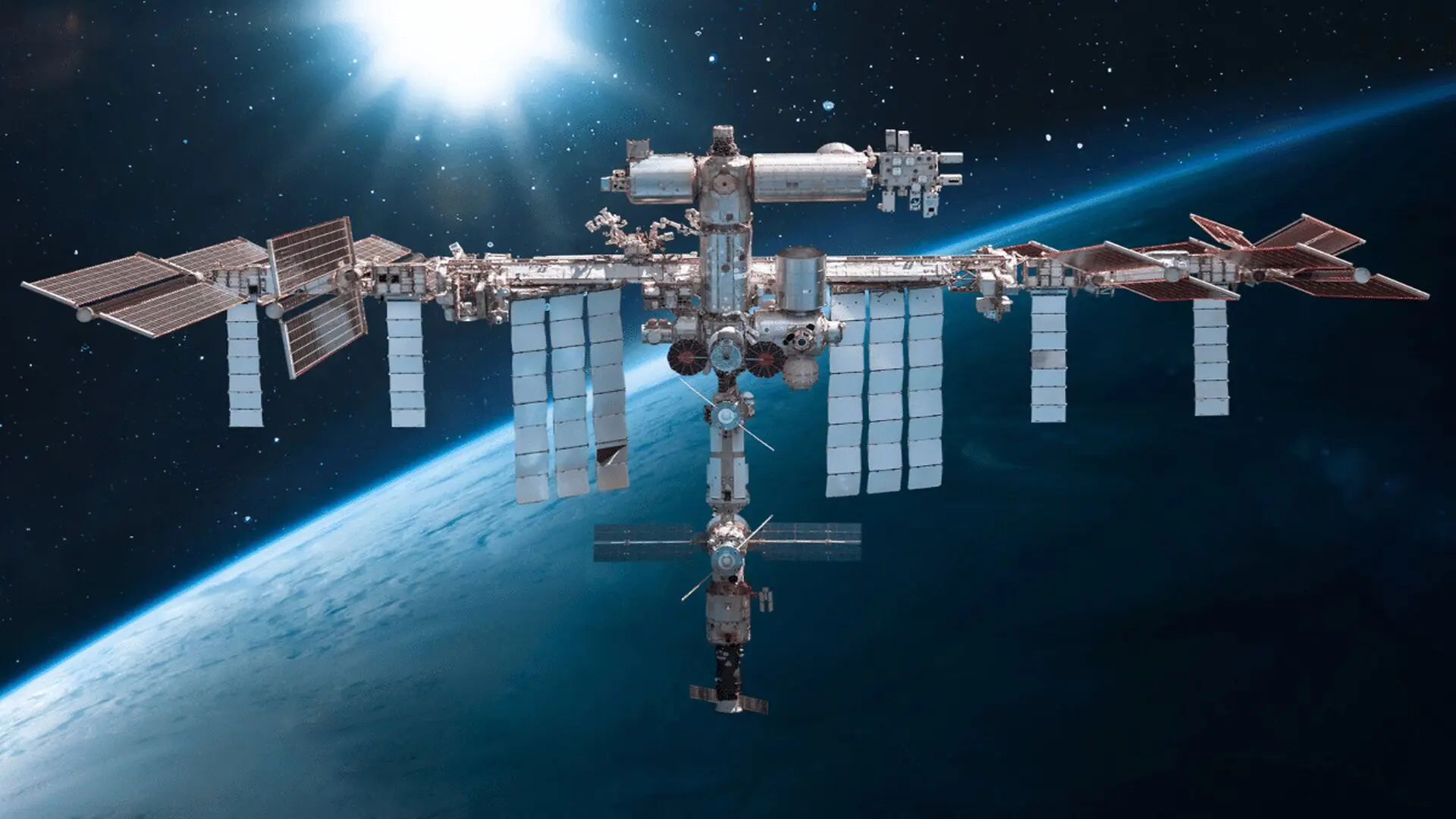
Russian space agency Roscosmos is reportedly moving toward a final resolution for a persistent air leak that has plagued the International Space Station (ISS) for years. Engineering teams are planning to permanently seal off a specific transfer tunnel, effectively abandoning the compartment to ensure the long-term stability of the orbiting laboratory’s pressurized environment.
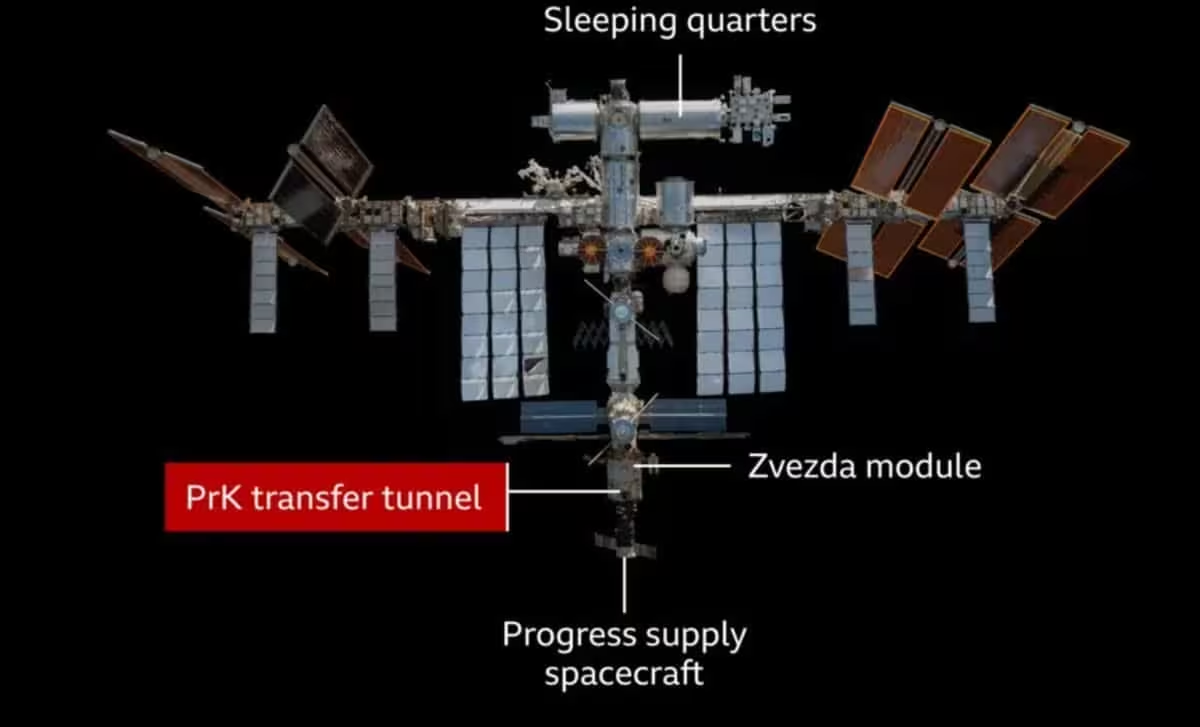
The issue centers on the PrK transfer tunnel, a critical corridor connecting the Russian Zvezda service module to a docking port used by visiting resupply spacecraft. Since the leak was first identified in 2019, it has evolved from a minor anomaly into a significant operational challenge. According to reporting by space analyst Anatoly Zak of RussianSpaceWeb, the decision to isolate the tunnel suggests that standard repair efforts have reached their technical limit.
Escalating Pressure Loss and Safety Concerns
The intensity of the leak has fluctuated, but trend data analyzed by NASA’s Office of Inspector General confirms a concerning upward trajectory. By early 2024, the rate of air loss had climbed to approximately 3.7 pounds per day, prompting NASA to elevate the situation to its highest risk classification. Because the ISS relies on finite, Earth-supplied reserves of nitrogen and oxygen, maintaining atmospheric pressure is a vital daily necessity for the crew operating 400 kilometers above the planet.
Despite numerous attempts to locate micro-cracks and apply specialized sealants, the complex geometry of the module has made a definitive fix elusive. The recurring nature of the problem has also sparked friction between NASA and Roscosmos regarding the best course of action. In one instance, a Russian proposal to remove internal hardware to reach the leak triggered alarm from American officials, who feared the procedure might inadvertently worsen structural damage.
Operational Shifts for Future Cargo Missions
Hopes for a resolution were temporarily buoyed in mid-2025 when pressure measurements suggested a period of stability. However, the subsequent docking of a Progress cargo spacecraft revealed that the leak persisted, proving that previous containment strategies had failed to address the root cause.
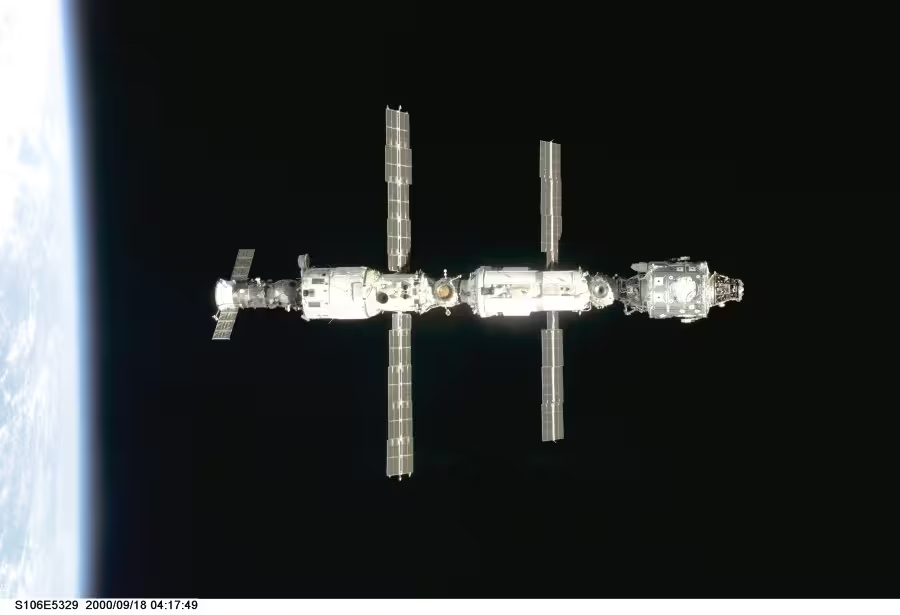
By opting to seal the hatch to the PrK tunnel, Roscosmos is choosing to sacrifice a segment of the station to protect the integrity of the whole. This strategy will force a change in how the Russian segment handles logistics. Future cargo missions, including those previously slated to interface with the PrK tunnel, will be rerouted through the Poisk module. While this adjustment ensures the continuity of supplies, it underscores the logistical realities of managing a complex, aging orbital outpost.
As of this report, neither NASA nor Roscosmos has issued a formal statement regarding the permanent closure. The move highlights the delicate balance of international cooperation required to keep the ISS functional as its hardware continues to age in the harsh conditions of space.
This article has been fact checked for accuracy, with information verified against reputable sources. Learn more about us and our editorial process.
Last reviewed on .
Article history
- Latest version
Reference(s)
- “Space exploration in 2026.” <https://russianspaceweb.com/2026.html>.
Cite this page:
- Posted by Karan Das