NASA Curiosity Rover Prepares To Drill Into Mysterious Martian Rock To Unlock Ancient Secrets
NASA’s Curiosity rover is preparing to drill into a Martian rock named Nazca to uncover new clues about the history of the Red Planet’s environment.
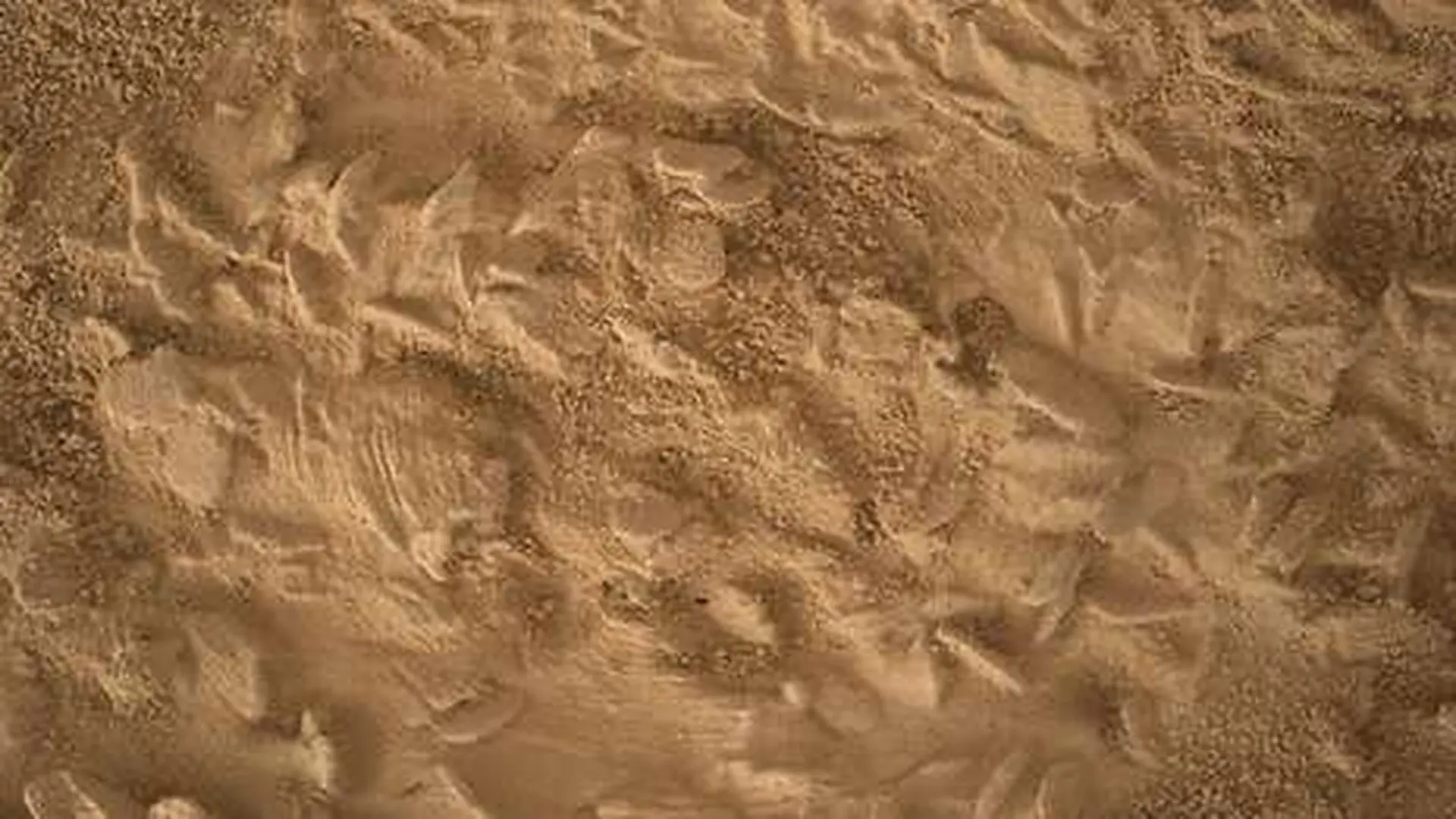
NASA’s Curiosity rover is gearing up for a fresh deep-dive into the geological archives of Mars. Currently positioned in Gale Crater, the robotic explorer is finalizing preparations to drill into a specific rock target dubbed “Nazca,” a move that promises to peel back another layer of the Red Planet’s transition from a water-rich world to the arid landscape observed today.
Targeting Martian History at Nazca
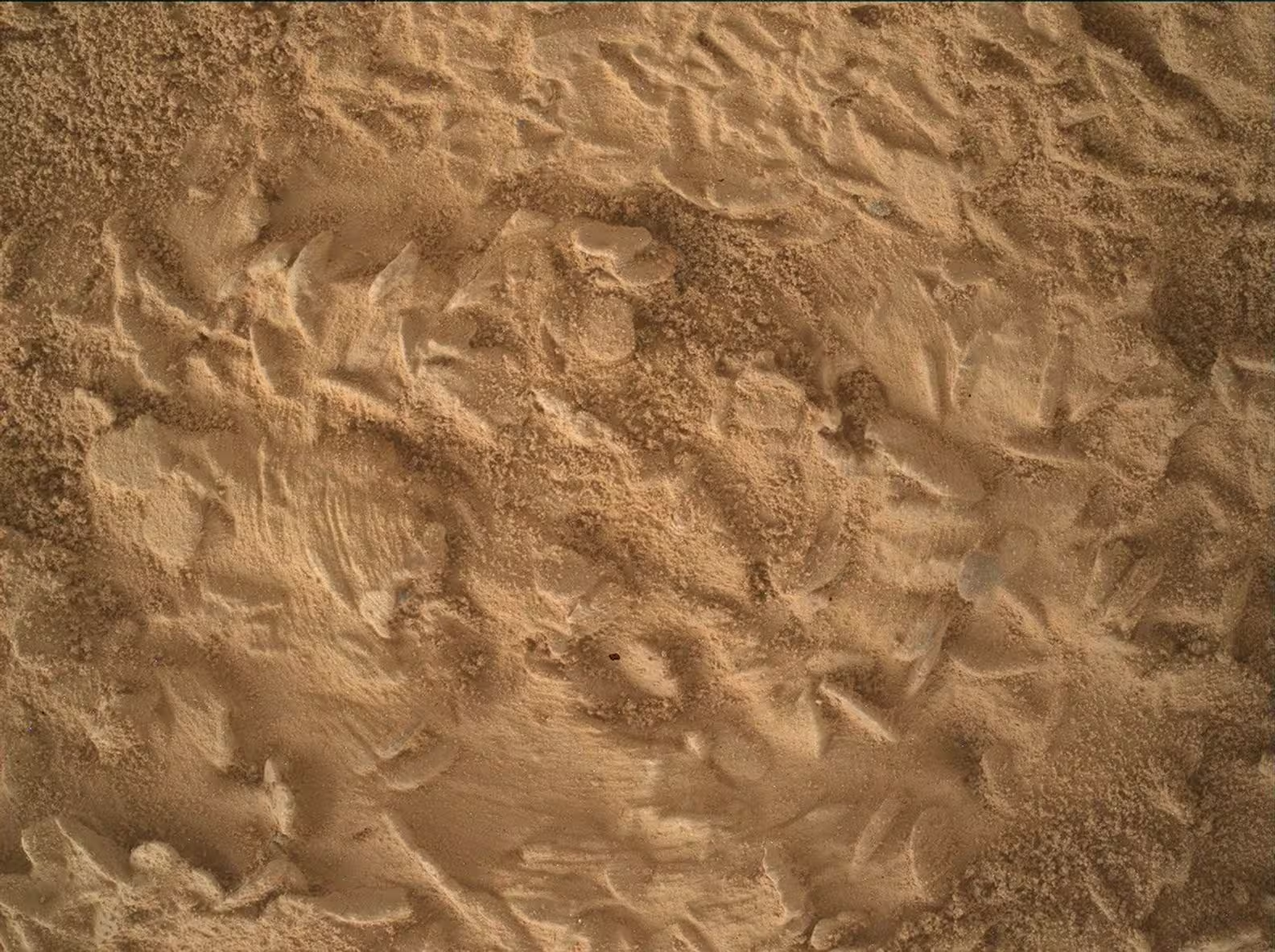
The mission team is currently navigating the technical hurdles required to sample the Martian subsurface. As detailed in the latest mission status update for sols 5043–5049, the current phase is dedicated to site verification. Before the drill bit ever touches the stone, engineers must rigorously assess the rock’s stability and accessibility to ensure the rover’s hardware can operate safely while yielding high-quality data.
Nazca is more than just a random rock; it is a critical chapter in the ongoing exploration of Mount Sharp. Since 2014, Curiosity has been traversing the slopes of this massive, layered peak, which serves as a chronological record of Martian environmental shifts. By extracting material from within these layers, researchers hope to move beyond mere visual observations and gain a quantitative understanding of the planet’s ancient chemistry.
Decoding the Subsurface Record
The true power of the Curiosity mission lies in its internal laboratory. Once a powder sample is collected via the drill, it is processed by the rover’s onboard suite of instruments. The CheMin (Chemistry and Mineralogy) instrument employs X-ray diffraction to pinpoint specific mineral types, while the Sample Analysis at Mars (SAM) suite investigates gases released during heating to hunt for organic molecules.
Accessing the interior of the rock is essential for bypassing billions of years of surface weathering. Exposure to high-energy radiation, chemical reactions with the atmosphere, and pervasive dust can mask the original composition of a rock. By drilling deep into the target, the rover can sample material that has remained shielded from these exterior forces, providing a clearer look at the conditions that existed when these sediments were first laid down.
Piecing Together a Changing Climate
The exploration of Gale Crater has already fundamentally altered our understanding of Mars. Past discoveries have confirmed that the crater floor was once home to persistent liquid water and environments that could have theoretically supported microbial life. Current investigations are aimed at mapping the specific chemical signatures of those ancient environments.
Analyzing a fresh drill sample allows the science team to draw direct comparisons between Nazca and other sites visited throughout the mission. Discrepancies or similarities in mineralogy between these locations help clarify whether the changes observed were driven by shifts in water chemistry, different sediment sources, or post-depositional geological activity. By synthesizing data from multiple layers across the crater, researchers are slowly building a comprehensive, multi-billion-year timeline of the Martian environment.
This article has been fact checked for accuracy, with information verified against reputable sources. Learn more about us and our editorial process.
Last reviewed on .
Article history
- Latest version
Reference(s)
- Carney, Stephen. “Curiosity Blog, Sols 5043-5049: Preparing to Drill at ‘Nazca’ - NASA Science.”, October 28, 2026 NASA <https://science.nasa.gov/blog/curiosity-blog-sols-5043-5049-preparing-to-drill-at-nazca/>.
Cite this page:
- Posted by Karan Das