Perseverance Just Uncovered a Major Surprise About Water on Mars
Mars’s Jezero Crater reveals a complex history of repeated water activity, from ancient groundwater to later heated fluids, reshaping our view of the planet.
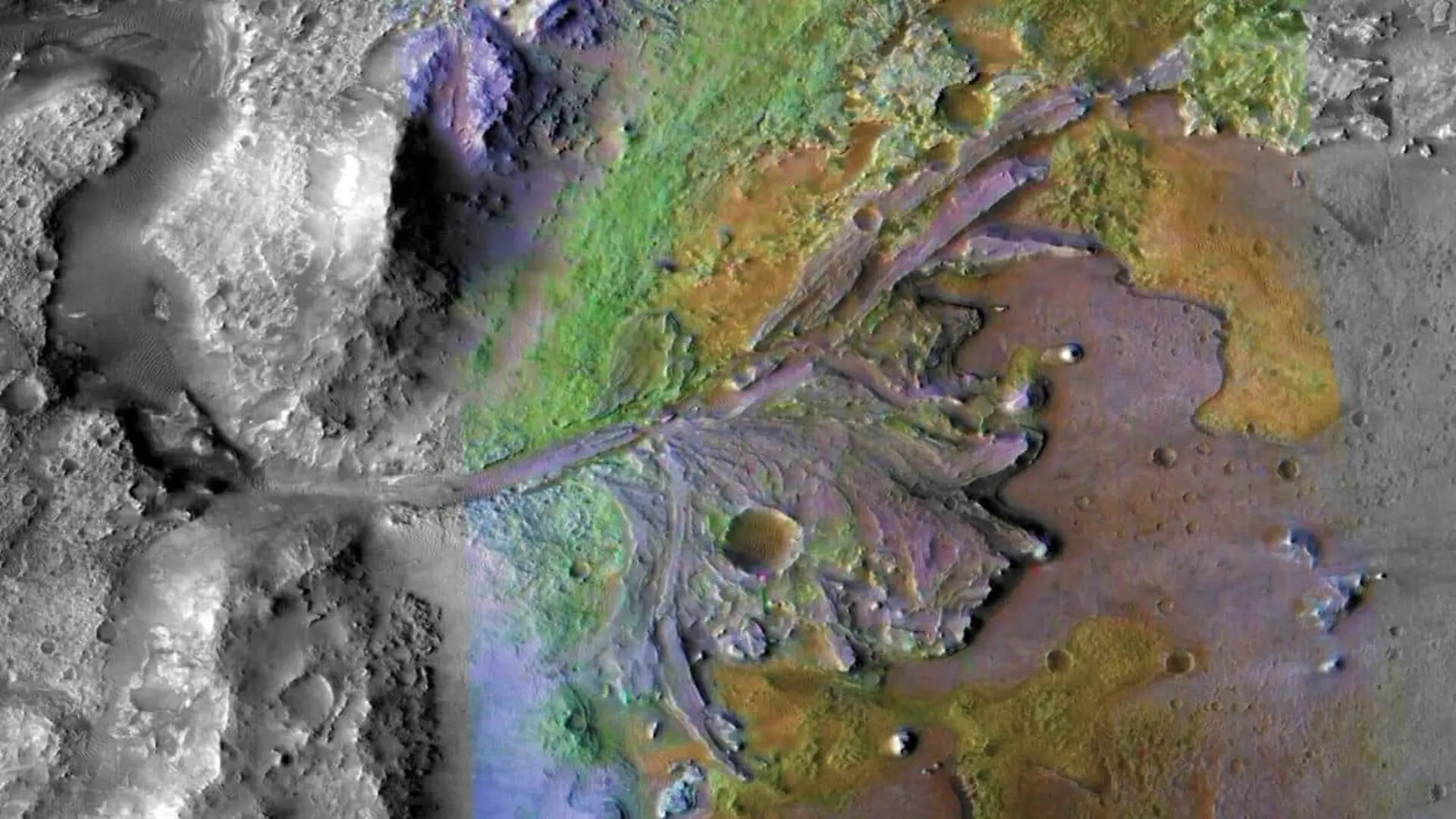
NASA’s Perseverance rover has uncovered a geological narrative on Mars far more intricate than previously imagined. Upon arriving at the inner rim of Jezero Crater in September 2023, researchers anticipated finding sedimentary deposits synonymous with an ancient lakebed shoreline. Instead, the rover encountered a landscape dominated by igneous rock, formed from cooling magma or solidified volcanic flows, prompting a major reassessment of the crater’s watery past.
The findings, detailed in the journal Communications Earth & Environment, suggest that the region known as the Margin Unit was shaped by multiple distinct aqueous systems rather than a single, sustained lake environment.
Volcanic Origins Beneath the Martian Surface
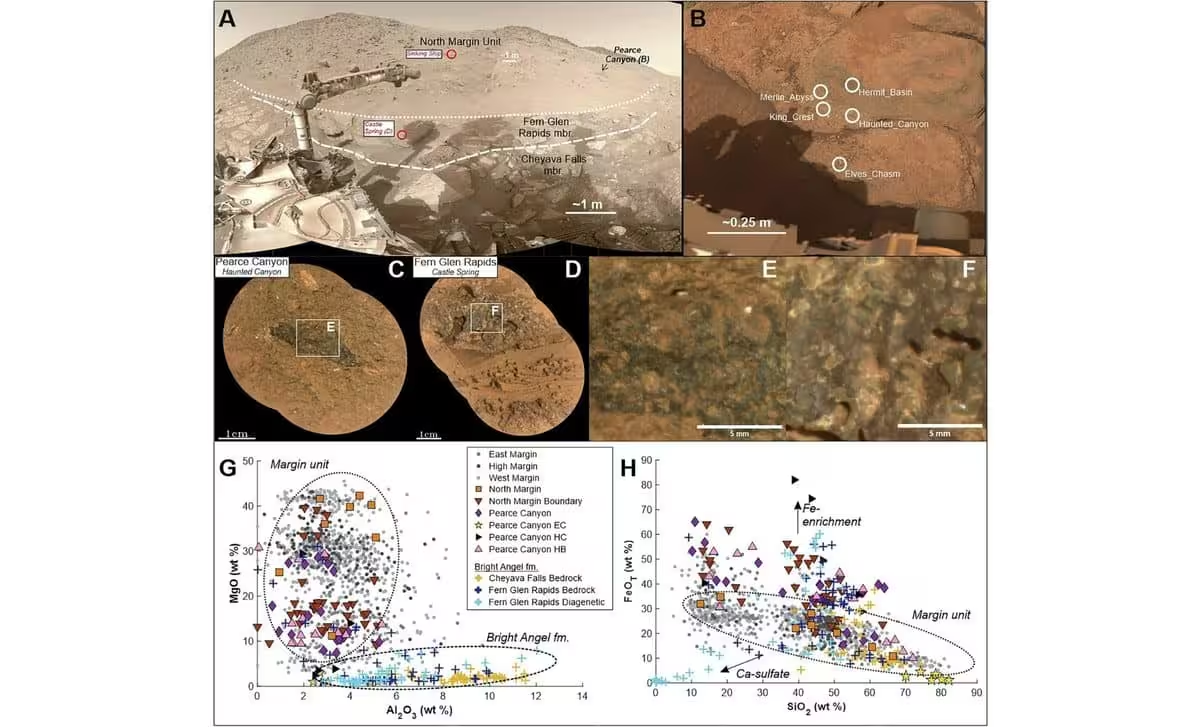
To analyze the mineralogy of the terrain, the mission team utilized the SuperCam instrument, which features a laser capable of vaporizing microscopic rock targets from up to 6.5 meters away. By measuring the light spectrum of the resulting plasma, the team evaluated over 185 bedrock sites along the Margin Unit’s 265-meter elevation gradient.
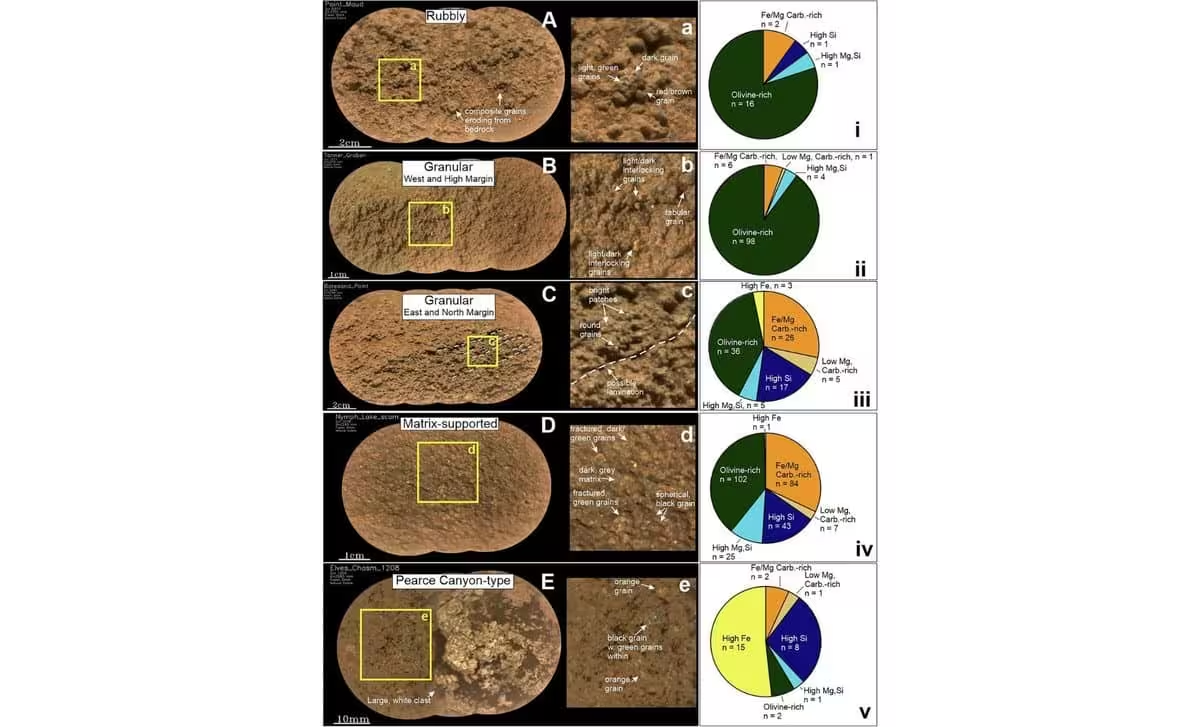
At higher altitudes, the rover identified coarse, crystalline rocks rich in olivine—a magnesium- and iron-bearing mineral—showing almost no signs of aqueous alteration. Scientists conclude these rocks originated as subterranean magma, cooling slowly enough to allow for large mineral grains to develop before tectonic or erosional forces brought them to the surface.
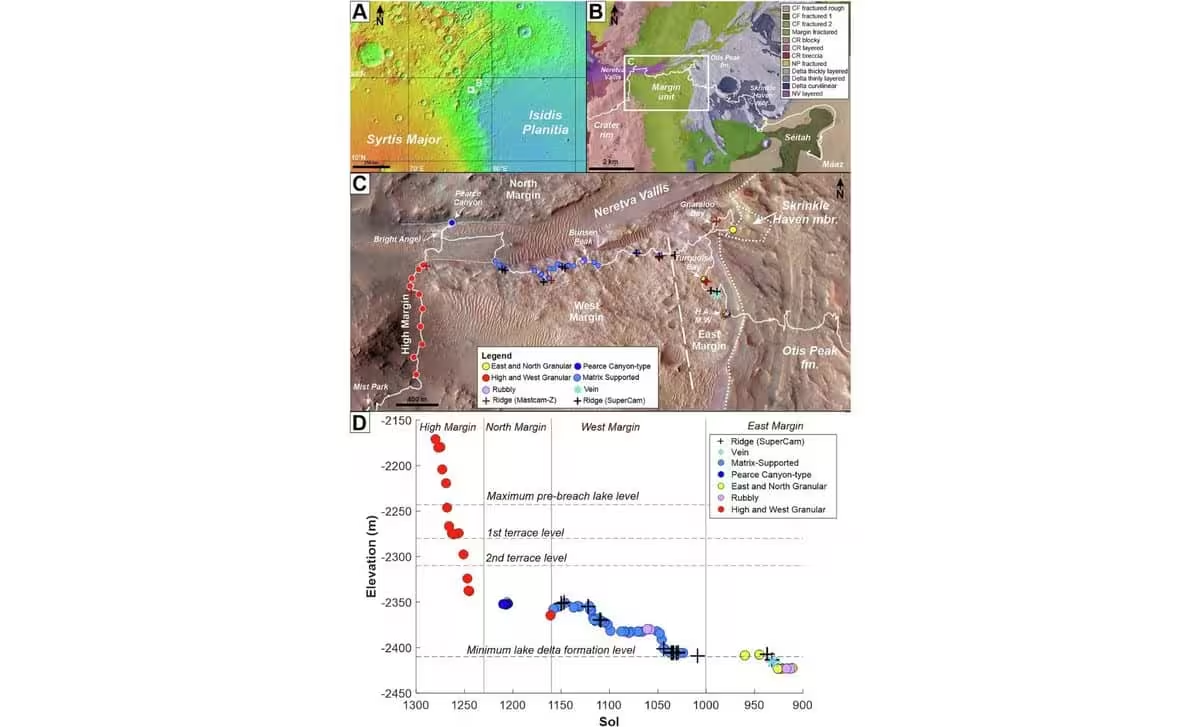
In contrast, the lower reaches near the ancient lakebed revealed highly fractured and altered olivine, with silica filling the interstitial spaces. Lead author Candice Bedford of Purdue University noted that while orbital data previously pointed toward carbonate formation driven solely by the crater lake, the new evidence indicates a much more complex history. “Now we know this location became a sort of crossroads for aqueous systems,” Bedford stated, noting that because Jezero Crater contains some of the most significant carbonate deposits on the planet, these insights have implications for Martian history well beyond this specific site.
Selfie with a side of science! Perseverance snapped this self-portrait as it explores the “Western Frontier” of Jezero Crater. A circular abrasion patch nearby marks where the rover scraped away the rock’s surface so the team could analyze what’s inside. https://t.co/CDjds2w4k7
— NASA JPL (@NASAJPL) May 13, 2026
Evidence of Multiple Aqueous Eras
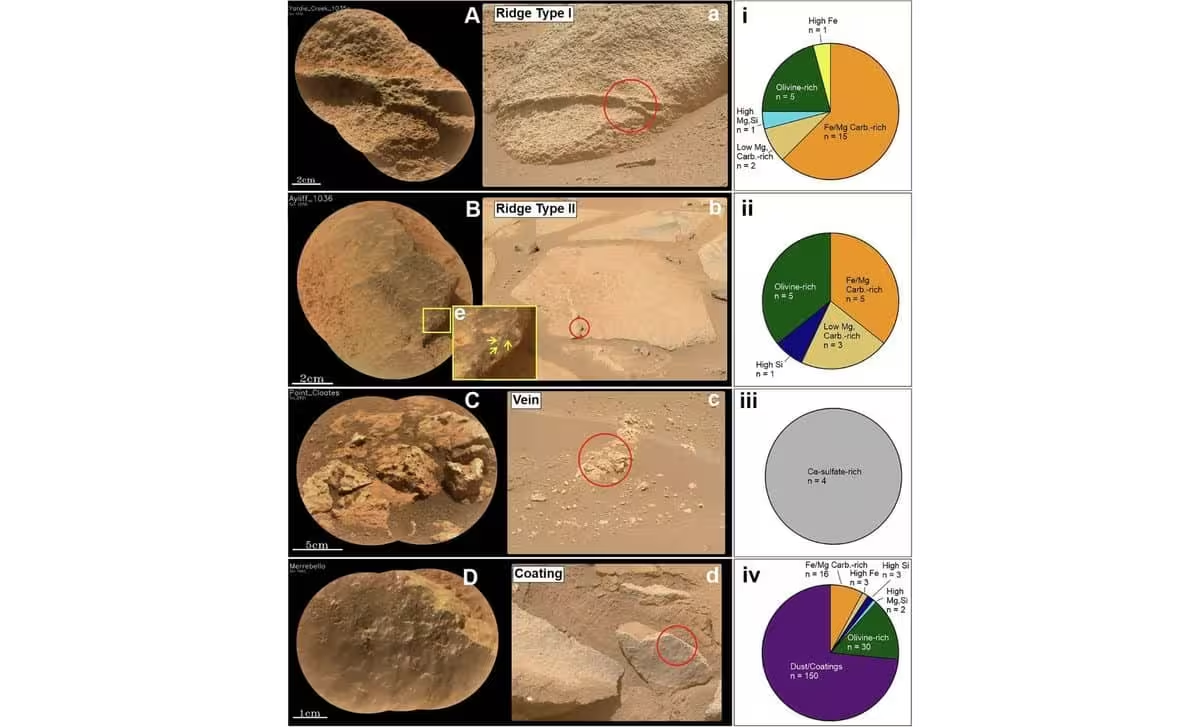
The research team has identified three distinct phases of water interaction, though the exact timeline of these events remains subject to further study. The first phase involved carbon dioxide-rich groundwater percolating through the rock, reacting with olivine to create carbonate deposits within lower-elevation fractures. As softer surrounding rock eroded, these resistant carbonate-filled veins remained as prominent ridges.
A second phase appears linked to the ancient lake itself. Planetary scientist Eleni Ravanis, a coauthor from the University of Hawaii at Manoa, explains that the conversion of olivine into carbonate can leave silica as a byproduct, which is more abundant in rocks found below the former shoreline.
Finally, a third episode involved the circulation of heated fluids, evidenced by 25-centimeter-thick veins containing calcium sulfate and fluorite in the eastern Margin Unit. Such mineralization typically occurs when hydrothermal fluids move through volcanic rock, suggesting that the area experienced significant subsurface heat long after the initial groundwater and lake events.
The existence of carbonate and silica is particularly exciting for the search for ancient life. Similar reactions between water and olivine on Earth generate hydrogen, which serves as a fuel source for certain microbes, while these same minerals are known for their ability to encapsulate and preserve biological signatures over geologic time.
Reframing Martian Habitability
The contrast between pre-mission orbital expectations and the ground-truth data from Perseverance underscores the value of in-situ exploration. While early data suggested a straightforward, lake-driven history, the rover has revealed a dynamic environment that was repeatedly modified by shifting chemical conditions.
“If there is one thing I have learned after 10 years working with Mars rovers, it is that Mars constantly throws surprises at you,” Bedford remarked. This discovery of a “crossroads” of water systems provides a new framework for understanding early Martian climate shifts and potential ancient habitability, prompting scientists to reconsider the evolution of water on the Red Planet.
This article has been fact checked for accuracy, with information verified against reputable sources. Learn more about us and our editorial process.
Last reviewed on .
Article history
- Latest version
Reference(s)
- Bedford, Candice. “Lake- and groundwater-associated alteration of the olivine-rich Margin unit in Jezero crater, Mars - Communications Earth & Environment.”, vol. 7, no. 1, September 21, 2026, pp. 728 Nature, doi: 10.1038/s43247-026-03997-9. <https://www.nature.com/articles/s43247-026-03997-9>.
Cite this page:
- Posted by Karan Das