Perseverance Rover Uncovers Complex History of Water and Hidden Fluid Systems on Mars
NASA’s Perseverance rover has uncovered a complex geological history in Mars’ Jezero Crater, revealing evidence of multiple ancient water-related events.
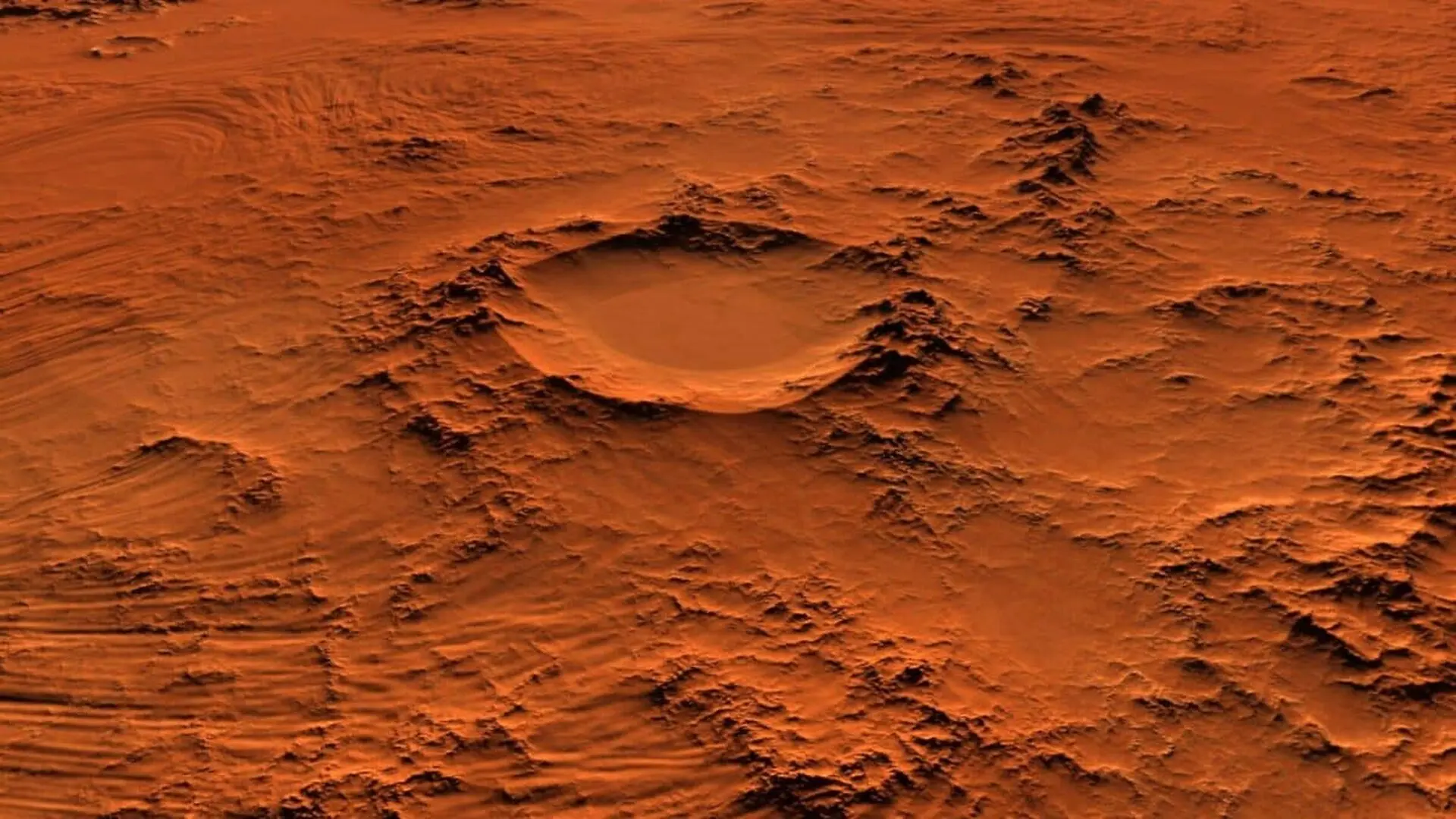
NASA’s Perseverance rover has uncovered a complex geological narrative within the Margin Unit of Jezero Crater, revealing that the site’s history is far more nuanced than a single ancient lake event. According to a new study published in Communications Earth & Environment, this region served as a dynamic nexus where multiple, distinct fluid systems interacted with the Martian crust over vast timescales.
The Margin Unit, located along the inner perimeter of the crater, was previously identified from orbital data as a region rich in carbonates—minerals that often signal environments capable of harboring life on Earth. While researchers initially theorized that these carbonates were primarily the result of the ancient lake that once filled the crater, the rover’s high-resolution findings suggest a more intricate history of water-rock interactions.
Using the SuperCam instrument mounted on its mast, Perseverance analyzed more than 185 bedrock targets. By firing a laser to vaporize surface material and analyzing the resulting plasma, the rover provided scientists with a detailed chemical and mineralogical profile of the terrain.
A Three-Phase Geological Record
The investigation indicates at least three primary stages of aqueous alteration, each defined by different chemical processes:
- Early Groundwater Circulation: At lower elevations, the rover encountered rocks where olivine grains had been fractured and altered. This suggests an initial period where carbon dioxide-rich groundwater seeped through the bedrock, precipitating carbonate deposits that now stand out as erosion-resistant ridges.
- Silica-Rich Transitions: A subsequent phase appears to have involved fluids that deposited silica, a process potentially driven by interaction with the crater lake or evolving groundwater chemistry. Researchers noted that silica is notably more prevalent in rocks situated below the estimated ancient lake level.
- Hydrothermal Activity: The final, most distinct chapter involved the formation of a 25-centimeter-thick mineral vein rich in calcium sulfate and fluorite. Lead author Candice Bedford of Purdue University described the Margin Unit as a “crossroads for aqueous systems,” with the presence of fluorite strongly hinting at hot, hydrothermal fluids circulating through volcanic rock long after the initial alteration phases.
Refining the History of Jezero Crater
The contrast between the upper and lower elevations of the Margin Unit provides further clarity on the region’s formation. Higher areas contain coarse-grained, igneous rocks rich in olivine that show minimal signs of water exposure, suggesting they originated from deep-seated magma. In contrast, the lower-lying rocks serve as a record of repeated environmental shifts.
Coauthor Eleni Ravanis of the University of Hawaii at Manoa pointed out that the complex mineral signatures, including the remobilization of carbonates and the deposition of secondary silica, demonstrate that the rocks were subjected to varied, chemically distinct fluids over time.
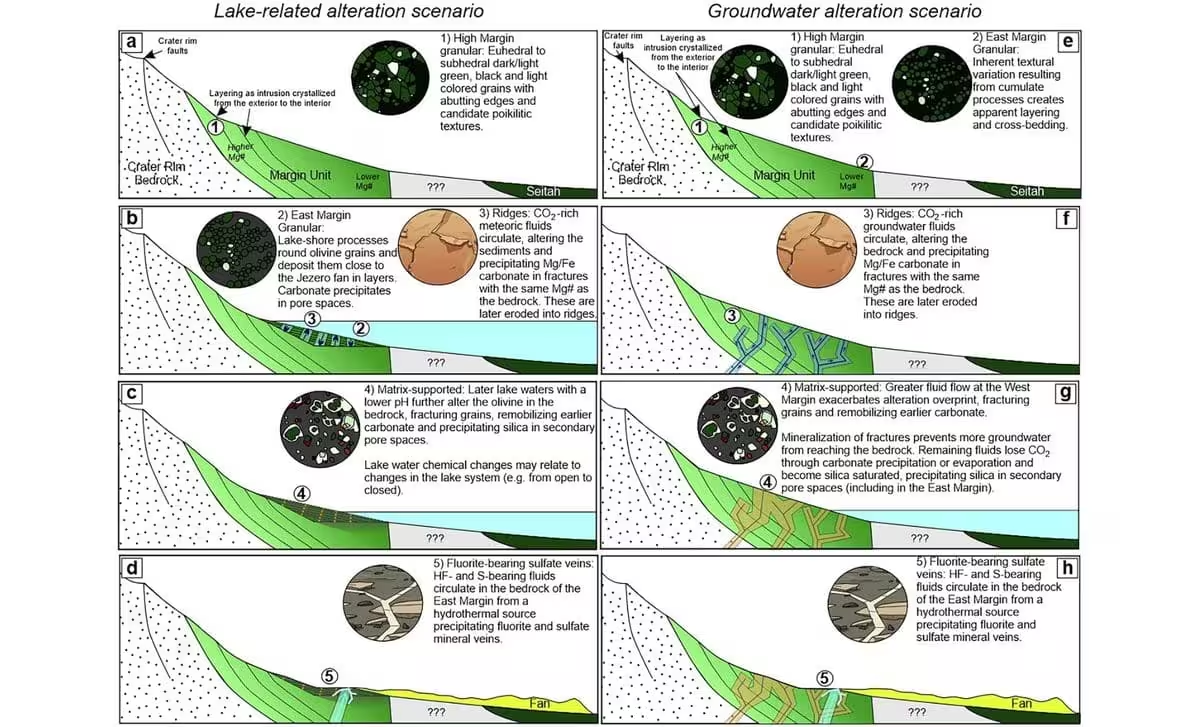
These results challenge previous interpretations of Martian orbital imagery, which often simplified the Margin Unit into a singular shoreline environment. By detailing these distinct episodes of groundwater movement and hydrothermal activity, the study—detailed in Nature—provides a more accurate framework for understanding how Mars’ surface environment evolved and the specific conditions present in Jezero Crater’s past.
This article has been fact checked for accuracy, with information verified against reputable sources. Learn more about us and our editorial process.
Last reviewed on .
Article history
- Latest version
Reference(s)
- “Candice Ceilidh Bedford.” <https://www.eaps.purdue.edu/people/profile/cbedford.html>.
- “Eleni Ravanis - HIGP.”, March 17, 2021 HIGP <https://www.higp.hawaii.edu/index.php/people/eleni-ravanis/>.
- Bedford, Candice. “Lake- and groundwater-associated alteration of the olivine-rich Margin unit in Jezero crater, Mars - Communications Earth & Environment.”, vol. 7, no. 1, September 21, 2026, pp. 728 Nature, doi: 10.1038/s43247-026-03997-9. <https://www.nature.com/articles/s43247-026-03997-9>.
Cite this page:
- Posted by Karan Das