Archaeologists Discover 4,000 Year Old Defensive Walls in Morocco That Challenge Prehistory
Archaeologists have uncovered an ancient Mediterranean wall, revealing a mysterious prehistoric society that built significant defenses against an unknown foe.
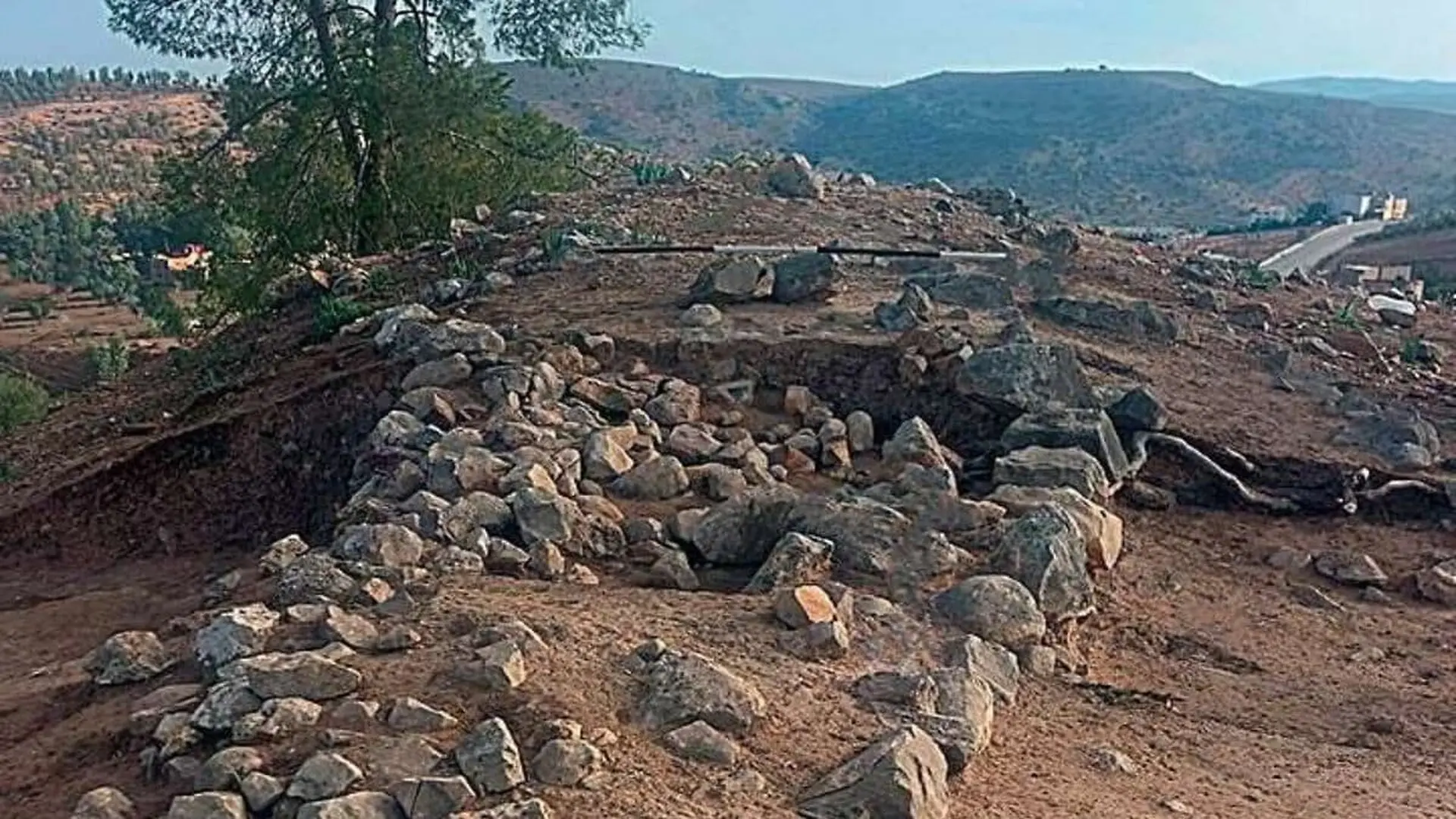
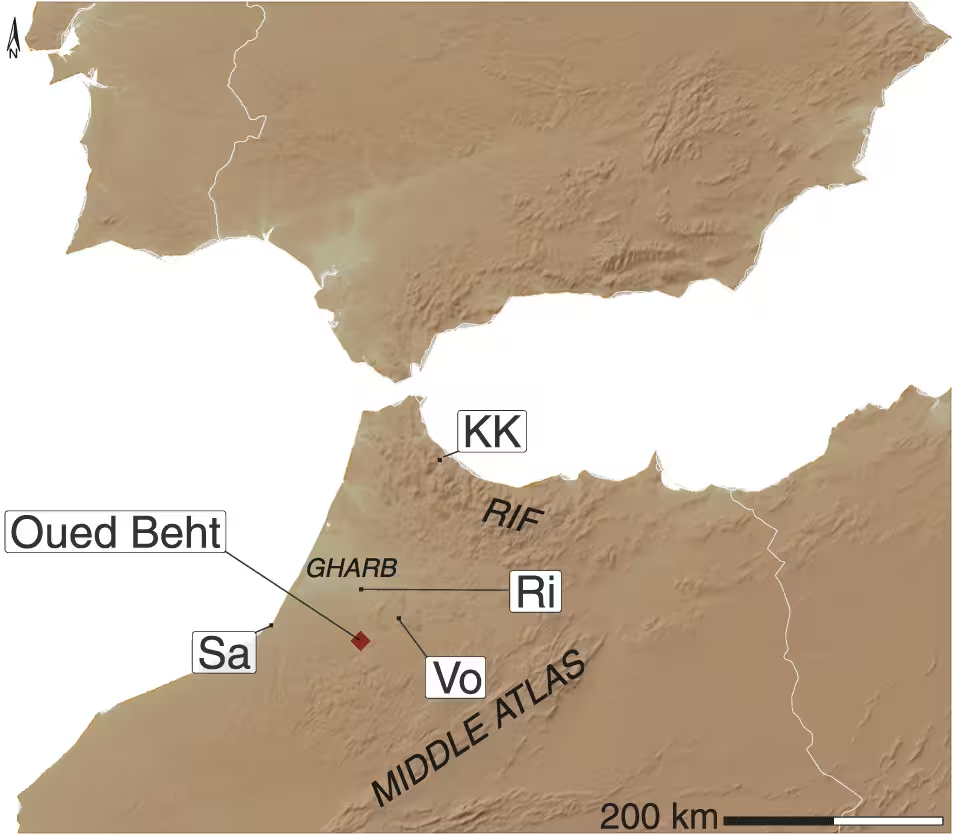
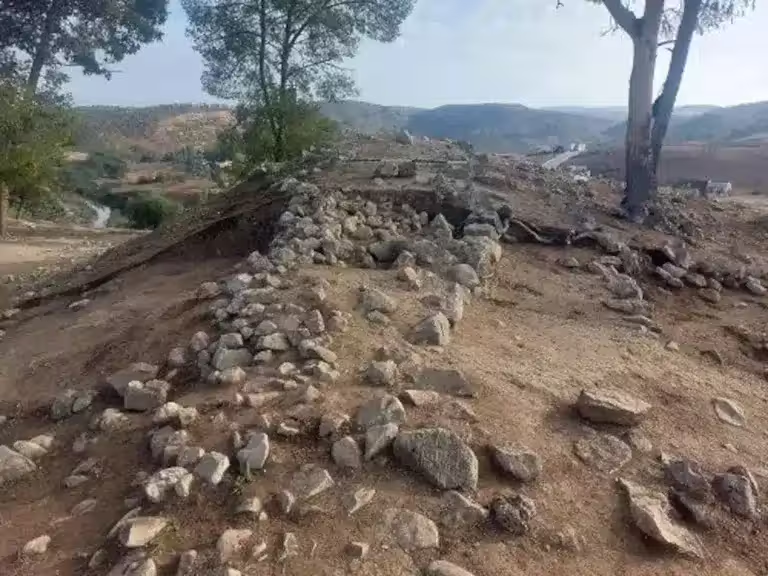
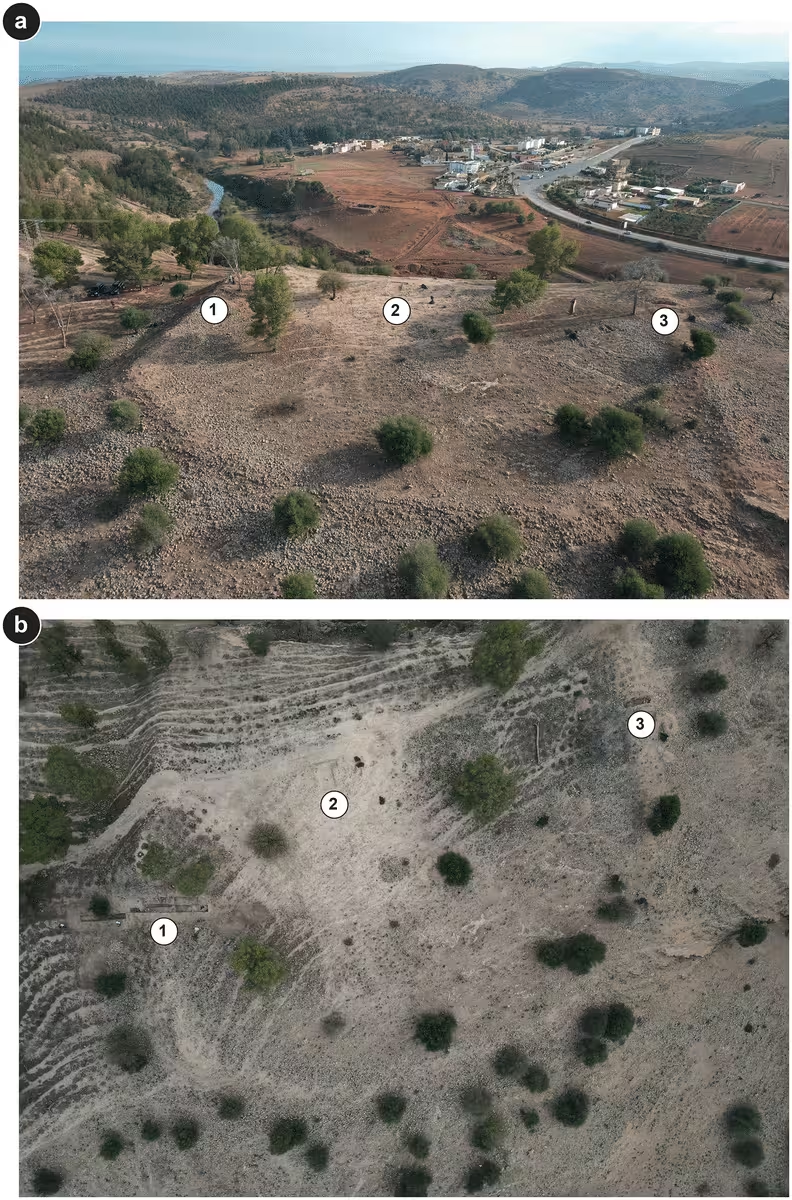
Archaeologists have unearthed a sophisticated defensive network in Morocco dating back approximately 4,000 years, marking the oldest fortifications of their kind ever discovered in North Africa outside of the Nile Valley. The findings, located at a site known as Oued Beht, reveal a significant prehistoric agricultural hub protected by a series of ramparts, ditches, and stone-reinforced walls.
The excavation, conducted by a collaborative international team from Morocco, Italy, and the United Kingdom, places the settlement roughly 80 kilometers (50 miles) east of Rabat. The research, published on September 7 in the journal Libyan Studies, suggests that this region—long considered a relative void in Mediterranean prehistory—was actually home to complex, organized societies.
Advanced Planning and Large-Scale Labor
The structural complexity of the site indicates that the inhabitants possessed high levels of social organization. According to the lead author of the study, Giulio Lucarini of Italy’s National Research Council, the construction of the defensive perimeter—composed of silt, clay, ash, and stone—was a deliberate, multi-generational effort. “A work like this is not improvised,” Lucarini noted. “It requires planning, choosing the right spot in the topography, and mobilising and coordinating labour over time.”
An Ancient Agricultural Center
Excavations have uncovered extensive evidence of agricultural activity, including dozens of bell-shaped pits designed for grain storage. Researchers believe the site served as a vital hub, with storage capacity that far exceeded the needs of the immediate population, suggesting the settlement acted as a central resource point for the surrounding territory.
While the exact nature of the threats necessitating such defenses remains a subject of debate, the researchers propose that the walls reflect intensifying competition over resources and land, as well as the emergence of more formal social hierarchies. Rather than protection from invading forces, the structures likely denote a shift toward territorial management and the securing of strategic landscape assets.
Redefining Mediterranean Connections
The discovery at Oued Beht invites a reassessment of how North African and Iberian populations interacted across the Strait of Gibraltar. Although contemporaneous sites in Iberia often display more pronounced social stratification and richer material culture, the findings in Morocco prove that northwestern African communities were equally invested in monumental architecture and regional planning.
Landscape archaeologist Iman Nagy, who was not involved in the project, emphasizes that the site challenges long-standing “diffusionist” models, which historically assumed that complex social structures and monumental building practices were necessarily introduced to the region from external sources. Instead, Oued Beht demonstrates that the Maghreb was a site of autonomous innovation and development.
This article has been fact checked for accuracy, with information verified against reputable sources. Learn more about us and our editorial process.
Last reviewed on .
Article history
- Latest version
Cite this page:
- Posted by Vikram Desai