Companies Are Planning Giant Electromagnetic Catapults on the Moon. Could They Change Space Warfare?
Lunar elektromagnetische Katapulte könnten die Weltraumlogistik revolutionieren und werfen Fragen zu militärischen Nutzungen auf
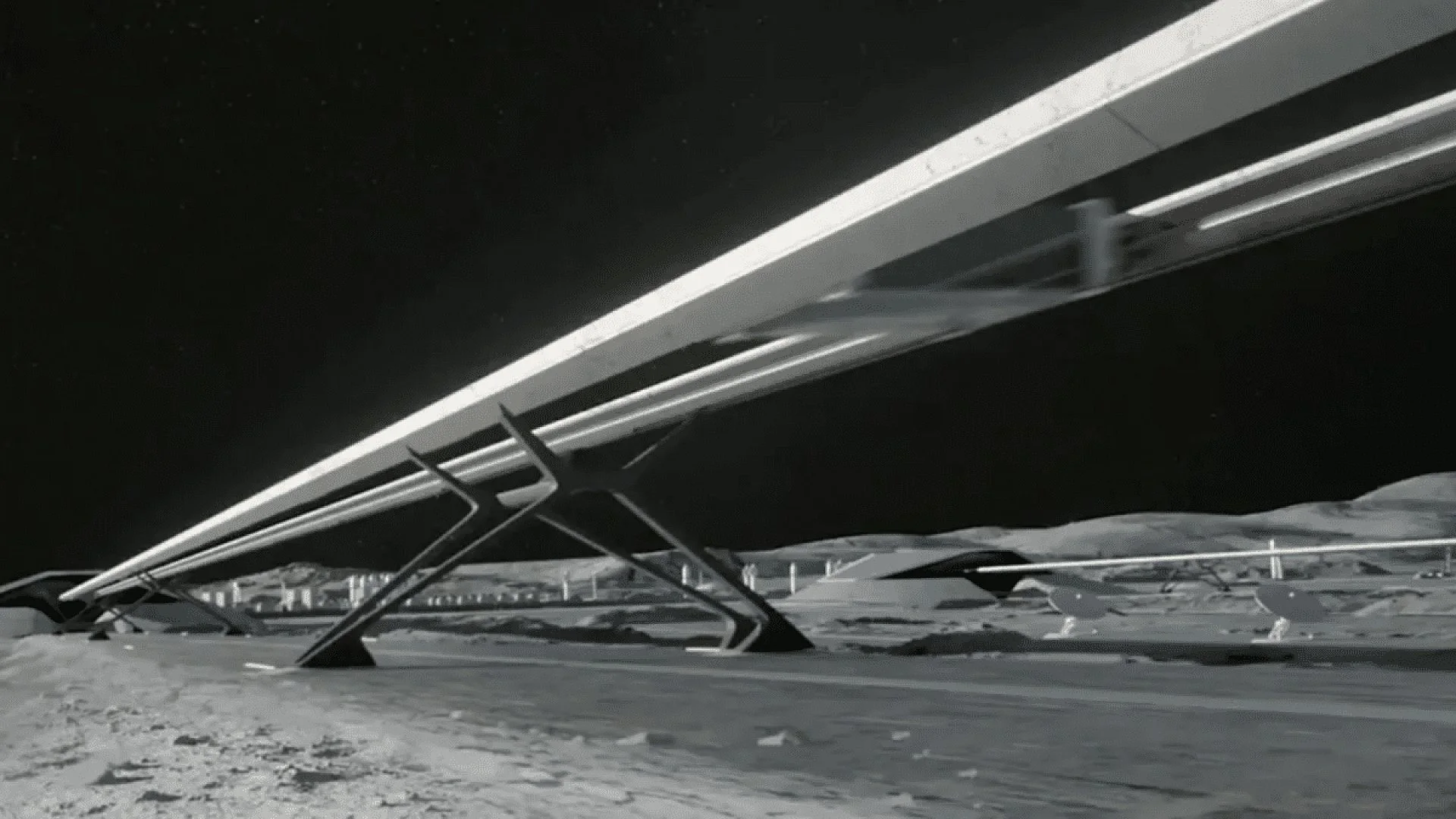
Electromagnetic launch rails, once a staple of speculative space‑settlement blueprints, are now entering serious policy and commercial debates as a possible cornerstone of humanity’s expansion beyond Earth. As nations and private firms accelerate plans for a lasting lunar presence, these powerful track‑based catapults are being evaluated for both their cost‑saving promise and the strategic questions they raise for activities in cislunar space.
Why Space Firms Are Betting on Lunar Launch Tracks
Among the most vocal proponents is SpaceX, whose chief executive Elon Musk has floated the idea of establishing moon‑based factories that could fabricate satellites using locally sourced raw material. A conventional rocket fleet could lift those products into orbit, but the logistics and fuel demands would be substantial. An electromagnetic launcher, by contrast, could move cargo from the lunar surface to space at a much higher cadence and with lower operating expenses.
The concept is gaining traction beyond the major players. Space.com reports that a growing cohort of smaller enterprises is developing their own rail‑gun technologies, reflecting a broader industry belief that alternative launch methods could become essential to a lunar economy. If operational in the 2030s, such systems might underpin a high‑volume transport network supporting mining, manufacturing, scientific research, and large‑scale construction projects throughout the solar system.
How Electromagnetic Launches Work on the Moon
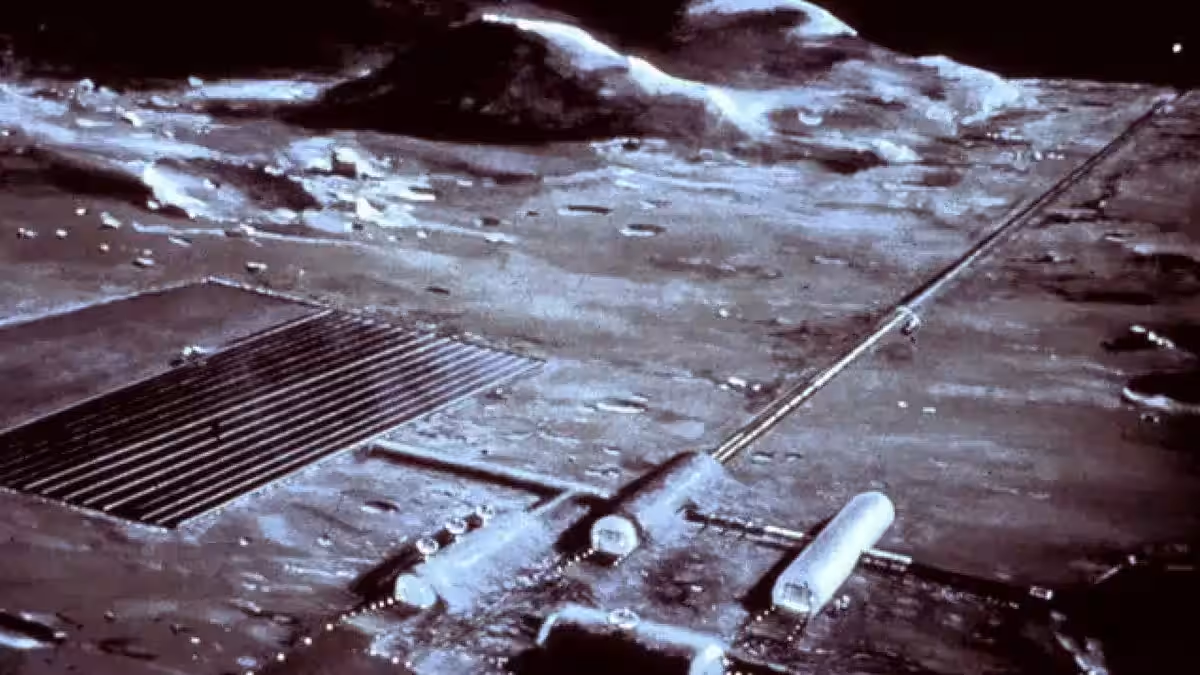
The principle is straightforward: an array of electromagnetic coils accelerates a payload along a track until it reaches escape velocity, at which point the cargo is flung into space. The Moon’s weak gravity—about one‑sixth that of Earth—and the absence of an atmosphere mean that a mass driver can achieve launch speeds with far less energy than a comparable Earth‑based system, potentially slashing the cost of moving goods off the lunar surface.
The idea traces back to physicist Gerard O’Neill, who in the 1970s outlined a vision of rail‑gun launchers that could export lunar resources to orbit, supplying raw material for space habitats and infrastructure. Decades of progress in robotics, automation, power generation, and lunar exploration have moved the concept from theory toward feasibility. A sufficiently large driver could link the Moon with Earth orbit and deeper space, reducing reliance on Earth‑origin launches and reshaping the economics of off‑world development.
Security Implications of Moon‑Based Launch Systems
A recent analysis by the American Foreign Policy Council warns that lunar mass drivers constitute a classic dual‑use technology, capable of serving civilian supply chains as well as military strike platforms. The report notes, “This duality places mass drivers in a uniquely sensitive strategic position. While mass drivers can bootstrap an off‑world economy, they carry an equally potent and unsettling military capability: the ability to operate as an unassailable, undetectable first‑strike platform.”
The concern arises from the ability of a powerful electromagnetic launcher to fling payloads toward a wide range of destinations. Although most missions would involve commercial cargo, scientific instruments, or construction components, the same hardware could theoretically launch weaponized payloads. Because lunar operations occur far beyond many existing monitoring networks, detecting and interpreting launches could prove difficult, prompting calls for new governance frameworks that address technologies with intertwined peaceful and defensive uses.
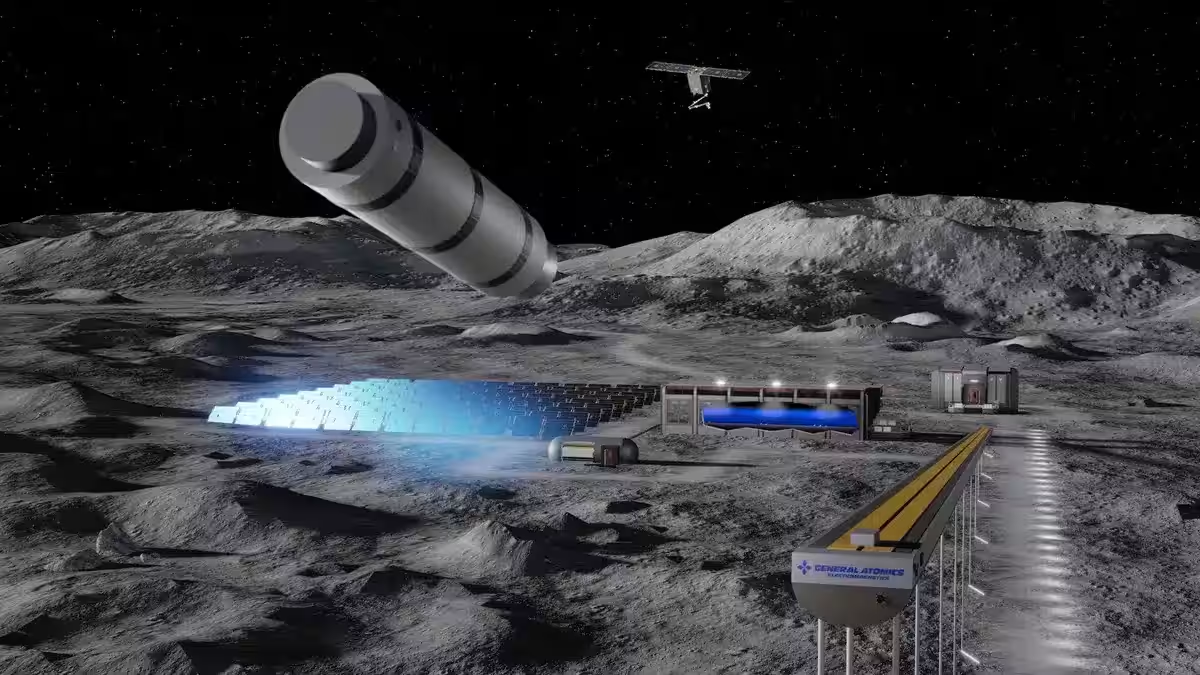
Image credit: General Atomics Electromagnetic Systems
This article has been fact checked for accuracy, with information verified against reputable sources. Learn more about us and our editorial process.
Last reviewed on .
Article history
- Latest version
Reference(s)
- David, Leonard. “Companies like SpaceX want electromagnetic catapults on the moon. Could they be used as weapons?.”, May 28, 2026 Space <https://www.space.com/space-exploration/satellites/companies-like-spacex-want-electromagnetic-catapults-on-the-moon-could-they-be-used-as-weapons>.
Cite this page:
- Posted by Karan Das