New Model Reveals Massive Economic Cost of a Rare Solar Storm Hitting the U.S. Power Grid
Researchers are mapping the risks of extreme space weather to better understand how powerful solar events could disrupt critical technology on Earth.
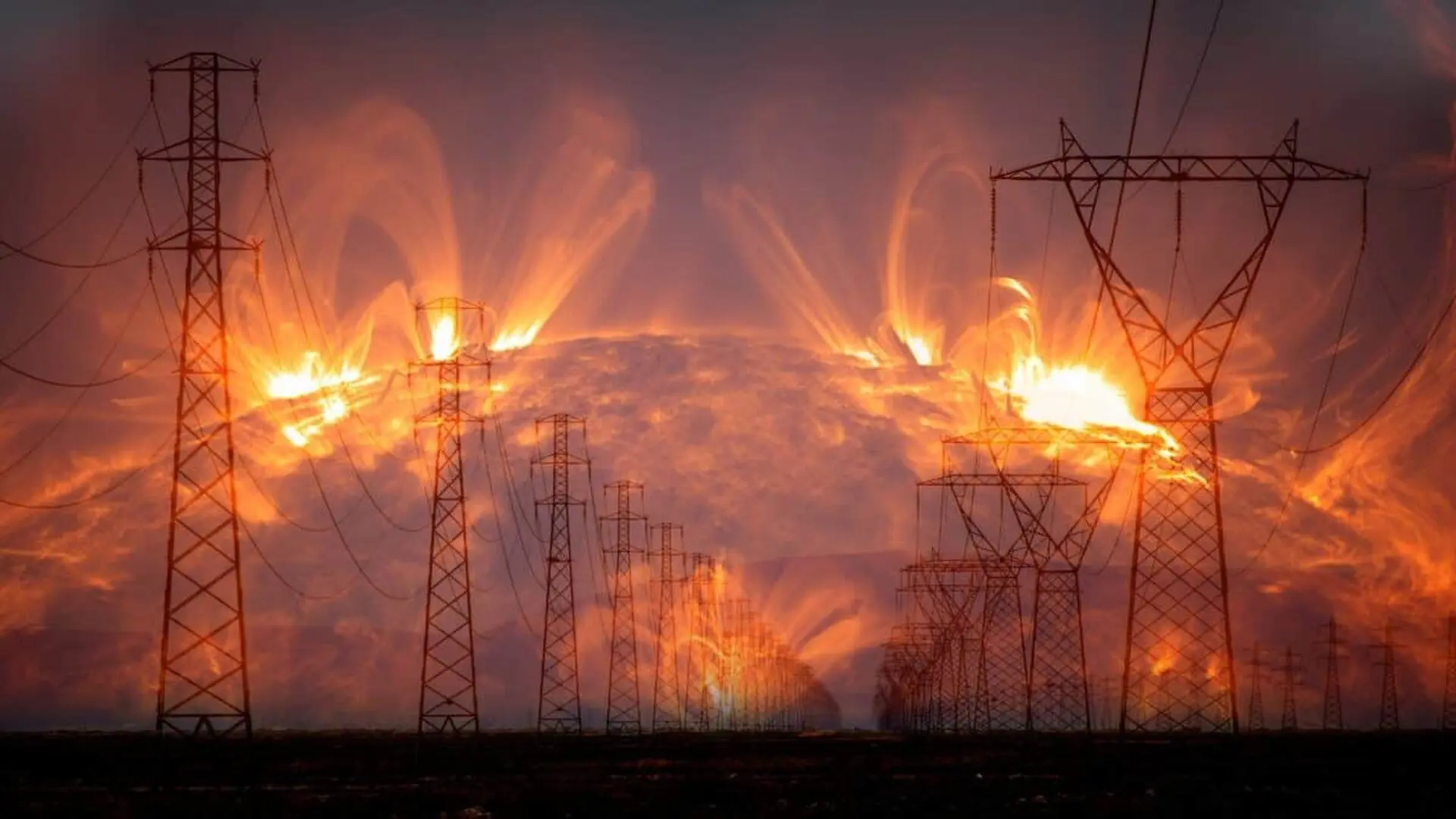
While hurricanes and wildfires command headlines, a more ethereal threat lurks above our atmosphere: space weather. When the Sun unleashes massive ejections of plasma and magnetic energy, the resulting solar storms can penetrate Earth’s magnetic field, potentially crippling the electrical infrastructure that modern society relies on. History proves this is no mere theoretical risk, such as in 1967 when a major solar event disrupted U.S. radar systems, briefly raising Cold War tensions as officials initially feared a Soviet attack.
Modeling the Economic Fallout of Solar Eruptions
The mechanism behind these disruptions lies in coronal mass ejections. Upon reaching Earth, these solar outbursts interact with our planet’s magnetosphere, inducing geoelectric fields. These fields can generate currents within the Earth’s crust and oceans, which then seep into the power grid and threaten sensitive, high-voltage transformers. Despite the clear physical danger, quantifying the exact impact on the economy has historically been difficult due to the siloed nature of existing research.
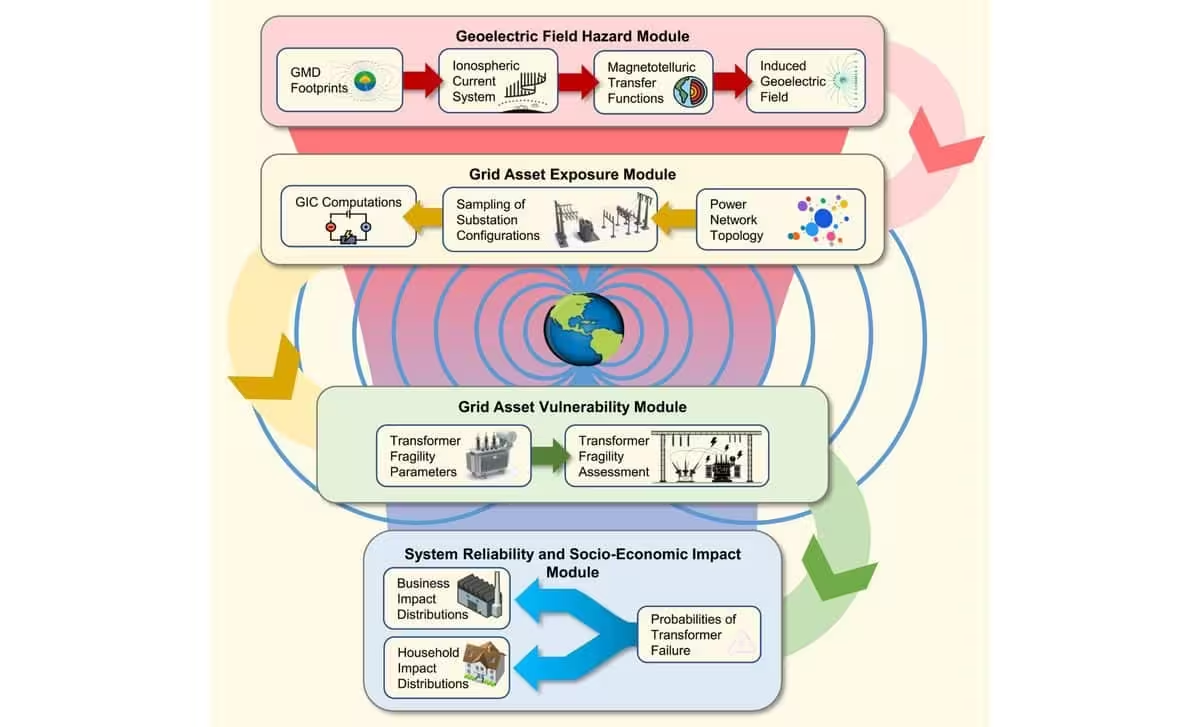
To bridge this gap, a team led by Edward Oughton has developed a sophisticated analytical framework that integrates physics, engineering, and economics. By synthesizing these disciplines, the researchers can now simulate how various levels of solar intensity translate into tangible grid failures and financial losses.
Catastrophic Potential: Billions in Daily Economic Disruption
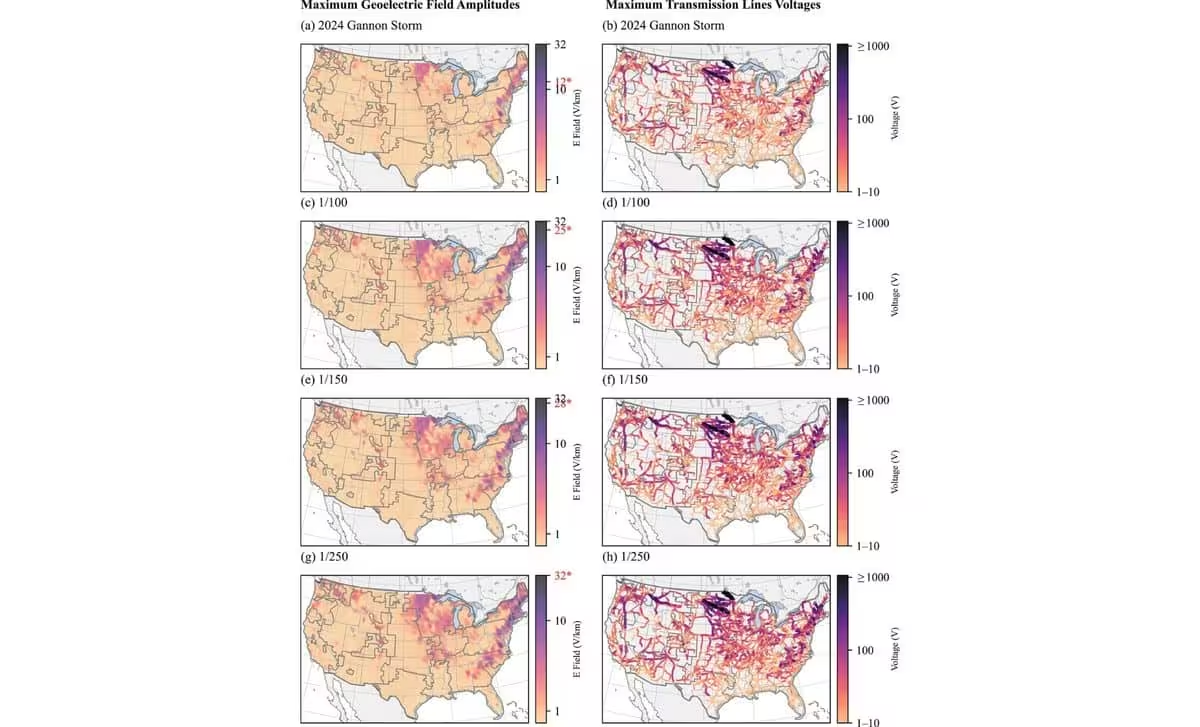
To test the model, researchers benchmarked their findings against actual data from the 2024 Gannon storm, provided by the Tennessee Valley Authority. With the framework validated, the team projected the fallout of more extreme, rare events. For a 100-year geomagnetic storm, the model predicts that 3.5 million people and over 90,000 businesses could lose power, resulting in daily economic losses of approximately $1.22 billion.
The stakes rise sharply with a 250-year storm. In this extreme scenario, the number of affected Americans jumps to 5 million, while over 135,000 businesses would face disruption. The total daily economic impact could climb to $1.81 billion, highlighting the vulnerability of the U.S. power grid to infrequent but high-impact solar activity.
Fortifying Infrastructure Against Cosmic Threats
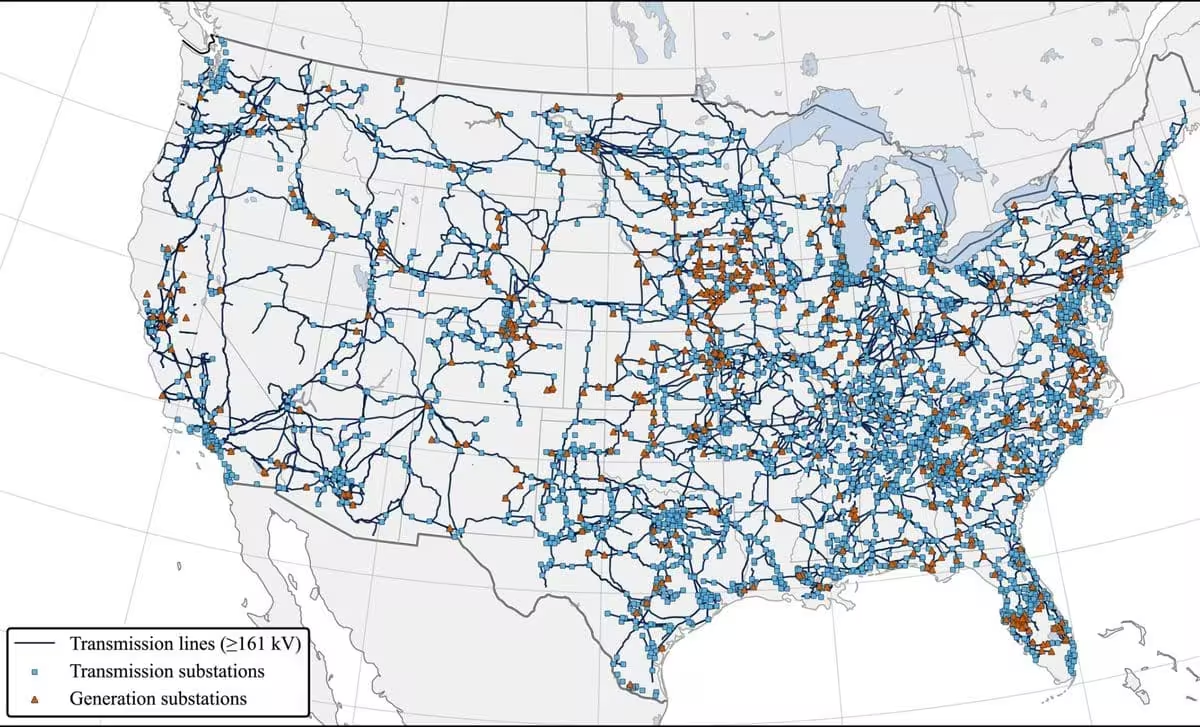
The findings, published in a new study, offer a roadmap for policymakers to prioritize infrastructure investments and shielding technologies. By understanding where the grid is most brittle, utility providers can better prepare for future geomagnetic storms.
Looking ahead, the researchers advocate for further investigation into how cascading failures might move through interconnected systems. They also emphasize the need to study how space weather might coincide with terrestrial crises, such as heat waves, which further tax the grid. While the exact timing of the next major storm remains unpredictable, this research provides the necessary data to build a more resilient electrical future.
This article has been fact checked for accuracy, with information verified against reputable sources. Learn more about us and our editorial process.
Last reviewed on .
Article history
- Latest version
Reference(s)
- “Edward Oughton | GMU College of Science.”, January 1, 2025 <https://science.gmu.edu/directory/edward-oughton>.
- <https://www.tva.com/>.
- Oughton, Edward J.., et al. “Major Space Weather Risks Identified via Coupled Physics‐Engineering‐Economic Modeling.” AGU Advances, vol. 7, no. 6, September 4, 2026 American Geophysical Union (AGU), doi: 10.1029/2026AV002367. <https://agupubs.onlinelibrary.wiley.com/doi/10.1029/2026AV002367>.
Cite this page:
- Posted by Farah Siddiqui